
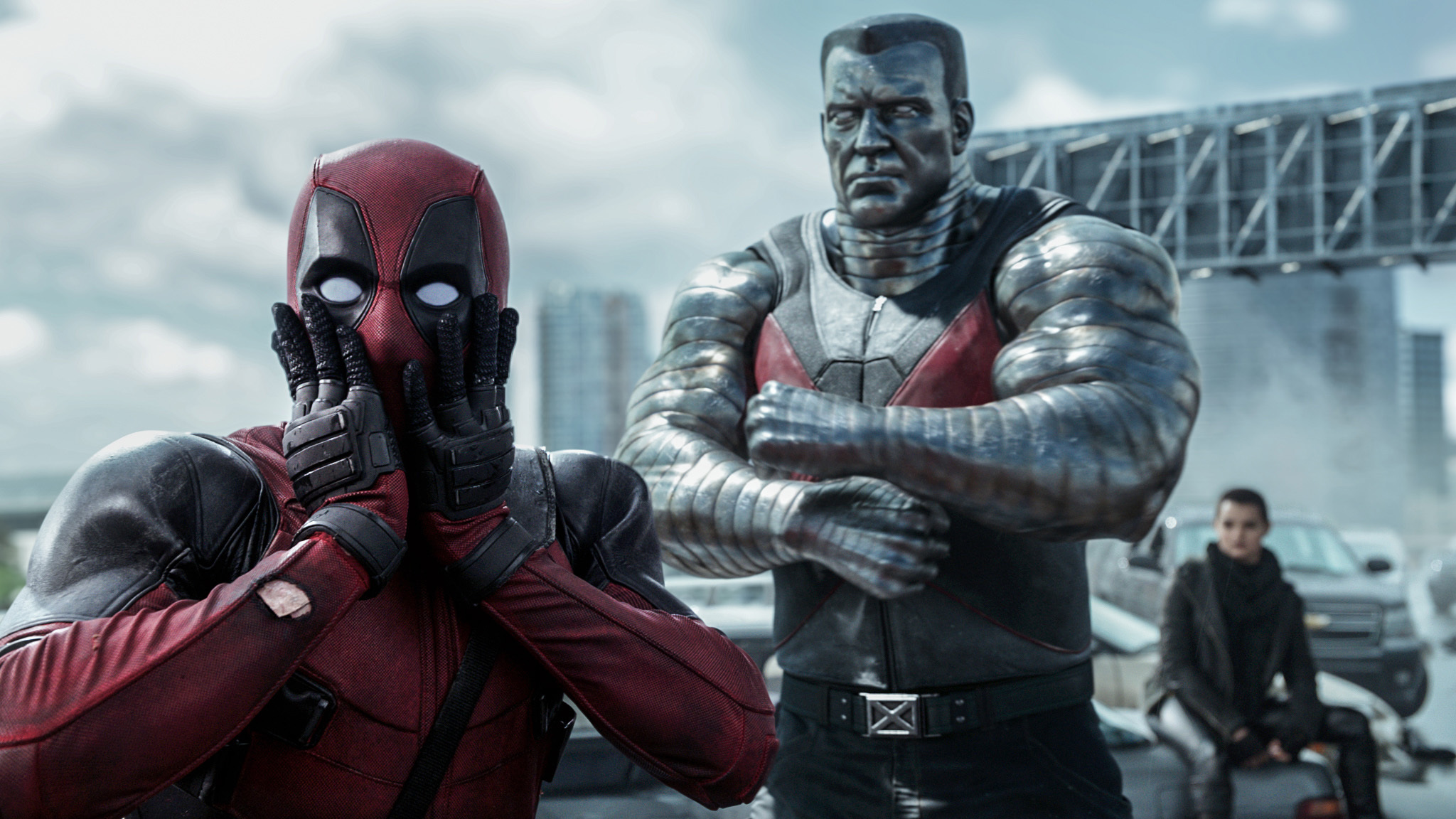
When audiences ask, “What is the movie Deadpool about?”, they’re typically looking for a synopsis of its plot – a foul-mouthed mercenary, Wade Wilson, who gains accelerated healing powers after a botched experimental treatment, and seeks revenge on the man who disfigured him while trying to reunite with his true love. However, to truly understand “Deadpool” within the context of brand strategy, corporate identity, and marketing, one must look beyond the surface narrative. “Deadpool” isn’t merely a film; it’s a meticulously crafted brand experience, a disruptive force that redefined what a superhero property could be, and a masterclass in strategic positioning, audience engagement, and leveraging unique selling propositions. It’s about a brand that knew exactly who it was, who it was for, and how to communicate that identity with unapologetic brilliance.
The Brand Identity: Subverting Superhero Tropes
The core of the Deadpool brand lies in its deliberate subversion of the conventional superhero genre. In a landscape dominated by earnest, often morally pristine heroes, Deadpool burst forth as an irreverent, chaotic, and decidedly R-rated anti-hero. This wasn’t an accident; it was a carefully constructed brand identity designed to carve out a distinct niche and appeal to an underserved segment of the market.
Origins of a Maverick: From Comic to Screen
The Deadpool brand didn’t emerge in a vacuum. Its identity was forged in the pages of Marvel Comics, where Wade Wilson first appeared in 1991. From the outset, Deadpool stood apart with his meta-commentary, black humor, and penchant for ultra-violence. The challenge for the film adaptation was not just to translate this character but to amplify his brand essence for a wider audience. This involved understanding what made Deadpool unique in his original medium and identifying how those qualities could be cinematic and commercially viable. The brand’s architects recognized that preserving the character’s intrinsic “maverick” spirit was paramount, even if it meant defying established Hollywood norms for superhero blockbusters. This commitment to the source material’s edgy brand identity was a foundational decision that guided everything from scriptwriting to casting.
Breaking the Fourth Wall: A Signature Brand Element
One of Deadpool’s most distinctive brand elements, carried directly from the comics, is his ability to break the fourth wall. He frequently addresses the audience directly, comments on the movie’s own tropes, and critiques the filmmaking process itself. This isn’t just a comedic device; it’s a powerful branding tool. It creates an intimate, conspiratorial relationship with the audience, making them feel like they’re in on the joke. It projects an image of self-awareness and confidence, signaling that the brand is not only aware of its own artificiality but is willing to play with it. This meta-commentary became a core part of the “Deadpool” brand’s corporate identity, differentiating it sharply from other superhero films that maintain a strict illusion of reality. It’s a bold statement that says, “We know what you expect, and we’re going to give you something different.”
Unapologetically R-Rated: Niche Positioning and Audience Appeal
Perhaps the most audacious brand decision was the unwavering commitment to an R-rating. In an industry typically chasing the broadest possible audience with PG-13 superhero fare, “Deadpool” leaned into its mature content—graphic violence, crude humor, and explicit language. This wasn’t a limitation; it was a strategic brand positioning move. By embracing an R-rating, the “Deadpool” brand clearly defined its target audience: adults who appreciated cynical humor, irreverence, and a no-holds-barred approach to storytelling. This bold choice communicated authenticity and conviction. It told fans of the comic character that the film wouldn’t compromise, and it attracted new audiences tired of sanitized superhero narratives. This niche positioning allowed the brand to speak directly and authentically to its intended demographic, fostering a strong sense of loyalty and a dedicated fanbase.
Marketing Mastery: Crafting a Cult Following
The success of the “Deadpool” brand cannot be discussed without highlighting its groundbreaking and highly effective marketing strategy. The campaign wasn’t just about promoting a movie; it was about building a cultural phenomenon and cultivating a loyal following that felt intimately connected to the brand.
Guerrilla Tactics and Viral Campaigns
The marketing for “Deadpool” was a masterclass in guerrilla branding and viral content creation. Instead of traditional, often generic, superhero movie trailers, the “Deadpool” team deployed a series of unconventional, humorous, and often self-deprecating ads. From holiday-themed posters (Thanksgiving, Christmas, Valentine’s Day) that parodied romantic comedies, to a “test footage” leak that generated massive online buzz, the campaign was designed to grab attention and spark conversation. These tactics bypassed conventional advertising routes, relying instead on shareable content, humor, and social media engagement. This approach resonated deeply with the target demographic, who often eschew traditional advertising, and made the brand feel fresh, smart, and in-tune with contemporary internet culture. It demonstrated an understanding of modern marketing psychology and the power of grassroots advocacy.
Ryan Reynolds: The Face and Voice of the Brand
A critical component of “Deadpool”‘s brand success is the symbiotic relationship between the character and actor Ryan Reynolds. Reynolds didn’t just play Deadpool; he became the brand’s primary spokesperson, both on and off-screen. His genuine passion for the character, his understanding of the brand’s voice, and his active participation in the marketing campaigns were invaluable. Reynolds used his personal brand and social media presence to amplify “Deadpool”‘s identity, delivering witty quips and promotional content in character, blurring the lines between the actor and the role. This personal branding aspect lent an authenticity to the campaign that money alone couldn’t buy. It created a powerful synergy where Reynolds’ personal brand enhanced “Deadpool”‘s corporate identity, and vice-versa, making the marketing feel less like advertising and more like an extension of the character’s persona.

Engaging the Fandom: Co-creation and Loyalty
The “Deadpool” marketing strategy excelled at engaging its existing and potential fandoms. It wasn’t just about broadcasting messages; it was about creating a dialogue and making fans feel like they were part of the journey. The “test footage” leak, which was deliberately orchestrated, served to gauge audience interest and build anticipation, effectively “co-creating” the momentum with the fans. Social media campaigns often involved interactive elements, polls, and responses that acknowledged fan contributions. This level of engagement fostered a deep sense of loyalty and ownership among the audience. It transformed passive viewers into active brand advocates, eager to share, discuss, and defend the “Deadpool” brand. This strategy exemplifies how strong brand management leverages community building to amplify its reach and impact.
The Business of Brand Success: Impact and Legacy
The “Deadpool” brand’s journey from a risky, R-rated comic book adaptation to a global phenomenon offers crucial insights into the business of branding within the entertainment industry. Its commercial triumph and cultural impact demonstrate the power of clear brand identity and strategic execution.
Commercial Triumph Against Odds
Against a backdrop of studio skepticism and a relatively modest budget for a superhero film ($58 million), “Deadpool” shattered box office expectations, grossing over $782 million worldwide. This commercial triumph was a direct result of its effective brand strategy. By clearly defining its niche, confidently communicating its unique selling proposition, and expertly engaging its target audience, the “Deadpool” brand demonstrated that authenticity and differentiation could lead to massive financial success, even when deviating from conventional paths. It proved that a strong, unique brand identity can be more valuable than a generic, broad appeal, particularly in a crowded market. This success story became a case study in how to monetize a niche brand effectively.
Redefining the Superhero Genre’s Boundaries
“Deadpool”‘s success had a profound impact on the broader superhero genre and corporate identity within Hollywood. It proved that audiences had an appetite for more diverse, mature, and unconventional superhero narratives, opening the door for other R-rated comic book adaptations like “Logan” and “Joker.” The “Deadpool” brand effectively expanded the perceived boundaries of what a superhero film could be, challenging studios to think beyond established formulas. It demonstrated that a well-defined brand, even if considered “risky,” could disrupt an entire industry segment and force a re-evaluation of audience expectations and content strategy. This shift influenced brand managers across studios to consider more specialized and authentic approaches to intellectual property adaptation.
Sustaining the Brand: Future Prospects and Integration
The “Deadpool” brand’s legacy continues with sequels and its integration into the broader Marvel Cinematic Universe (MCU) following Disney’s acquisition of 20th Century Fox. The challenge for the brand moving forward is how to maintain its unique identity and edgy appeal while potentially operating within a more family-friendly corporate environment. This presents a fascinating brand management case study: how to integrate a fiercely independent and R-rated brand into a larger, more homogenous corporate identity without diluting its core essence. The ongoing discussions and strategic decisions surrounding Deadpool’s future demonstrate the critical importance of preserving a brand’s core values even amidst significant structural changes.
The Core Brand Message: Authenticity and Anarchy
Ultimately, what the movie “Deadpool” is about from a brand perspective is a testament to the power of authenticity, anarchy, and unwavering self-awareness. It’s about a brand that embraced its imperfections, celebrated its quirks, and refused to conform.
Why Audiences Connect: The Anti-Hero Appeal
The “Deadpool” brand connects deeply with audiences because it offers an escape from the polished, often sterile, narratives prevalent in media. Wade Wilson, with his tragic backstory, disfigurement, and morally ambiguous actions, is profoundly relatable in his imperfection. His cynical humor and refusal to take himself too seriously reflect a modern sensibility. This “anti-hero” appeal is a core brand attribute, offering a refreshingly honest and less idealized hero archetype that resonates with a public often tired of traditional heroism. The brand implicitly tells its audience, “It’s okay to be flawed; it’s okay to laugh at the darkness.” This brand message cultivates a strong emotional bond.

Lessons in Brand Differentiation
The “Deadpool” phenomenon offers invaluable lessons in brand differentiation. In a saturated market, merely being “good” is often not enough. The “Deadpool” brand succeeded by being different. It identified a gap in the market, leaned into its unique characteristics (R-rating, fourth-wall breaks, irreverent humor), and executed a marketing strategy that was as distinctive as the product itself. Its success underscores that a strong, consistent, and authentic brand identity, coupled with an innovative communication strategy, can not only stand out but also redefine an entire category.
In conclusion, “what is the movie Deadpool about” transcends a simple plot summary. It is about the ingenious construction and deployment of a brand that dared to be different. It’s about a corporate identity that embraced anarchy, a personal brand (Ryan Reynolds) that amplified its message, and a marketing strategy that fostered a cult following. The “Deadpool” brand teaches us that sometimes, the most successful path is to break the rules, know exactly who you are, and communicate that identity with unwavering confidence and a healthy dose of irreverence. It’s not just a movie; it’s a triumph of strategic branding.
aViewFromTheCave is a participant in the Amazon Services LLC Associates Program, an affiliate advertising program designed to provide a means for sites to earn advertising fees by advertising and linking to Amazon.com. Amazon, the Amazon logo, AmazonSupply, and the AmazonSupply logo are trademarks of Amazon.com, Inc. or its affiliates. As an Amazon Associate we earn affiliate commissions from qualifying purchases.