
The film “Carol” isn’t merely a cinematic narrative; it is a meticulously crafted brand experience, a cultural touchstone that communicates a profound story through deliberate aesthetic choices, resonant thematic messaging, and a clear, unwavering artistic vision. To understand “what the movie Carol is about” is to delve into its core brand identity: a captivating exploration of forbidden love, societal rebellion, and the potent power of desire set against the impeccably styled backdrop of 1950s New York. This article will deconstruct “Carol” as a powerful brand, examining how its narrative, visual language, and thematic depth converge to create an enduring and impactful cultural product.
The Core Brand Identity: A Timeless Story of Forbidden Love
At its heart, the brand of “Carol” is built upon an exquisitely rendered, emotionally charged love story that defies the rigid conventions of its era. Based on Patricia Highsmith’s groundbreaking 1952 novel “The Price of Salt” (later republished as “Carol”), the film introduces audiences to two women whose lives intersect in a moment of profound, life-altering connection. This central narrative serves as the film’s brand promise: an intimate, often painful, but ultimately triumphant portrayal of love found against overwhelming odds.
Crafting Emotional Resonance: The Narrative as a Brand Promise
The “Carol” brand story begins with Therese Belivet (Rooney Mara), a young, aspiring photographer working a mundane job in a Manhattan department store during the Christmas rush of 1952. Her life is unassuming, marked by a quiet longing for something more, an undefined passion that she struggles to articulate or pursue. Her burgeoning romance with a well-meaning but somewhat conventional boyfriend, Richard, feels less like a choice and more like a default setting, reflecting a pervasive societal expectation rather than genuine desire.
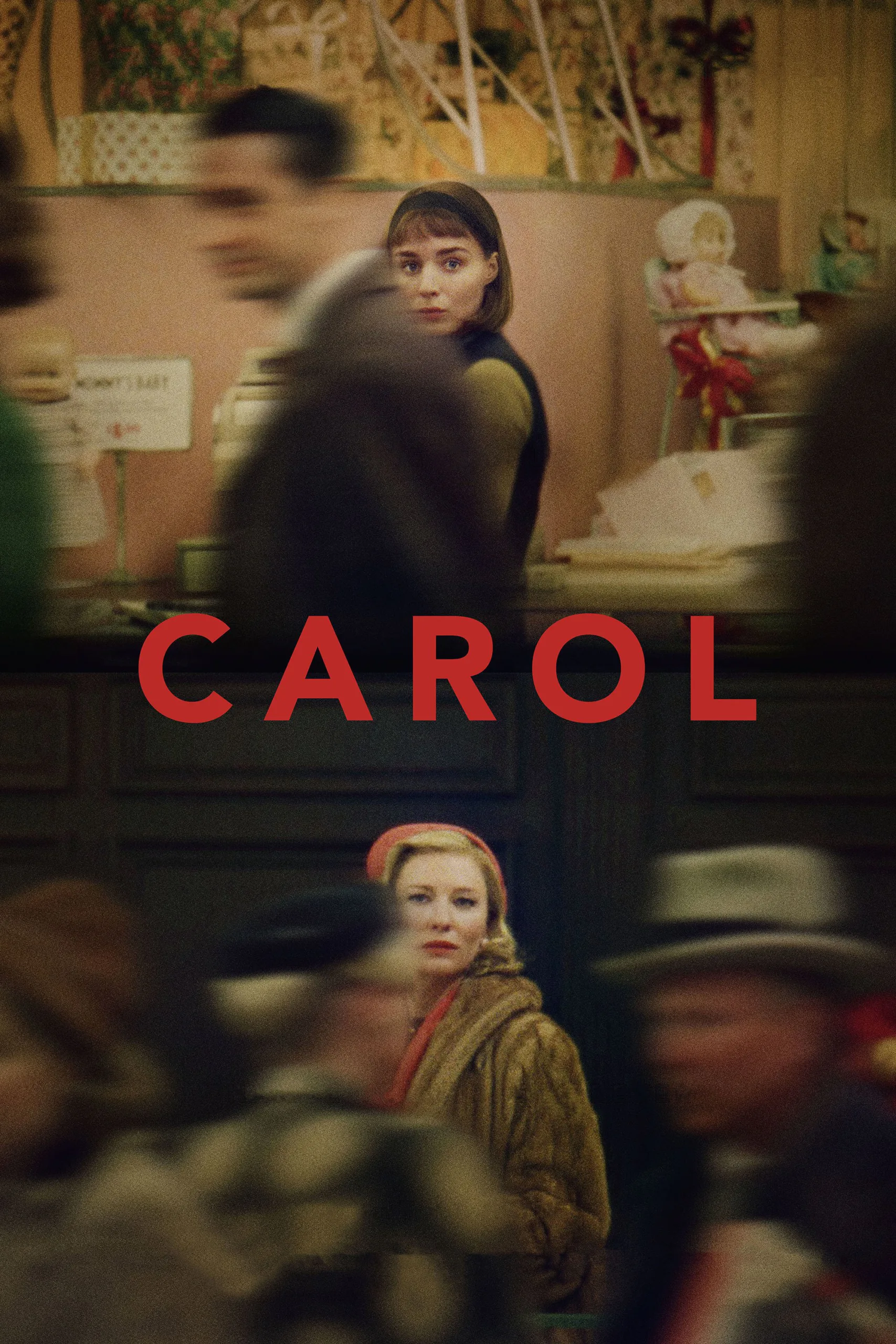
Into this carefully constructed, somewhat stifling world steps Carol Aird (Cate Blanchett), an elegant, sophisticated, and undeniably alluring older woman from a wealthy background. Their initial encounter across a department store counter is not just a meeting but a moment of instant, almost magnetic recognition. Carol, a woman in the midst of a contentious divorce and a custody battle for her daughter, is immediately drawn to Therese’s quiet intensity and vulnerability, while Therese is utterly captivated by Carol’s poise, confidence, and undeniable glamour.
The brand’s narrative arc then meticulously traces the development of their relationship. From a forgotten pair of gloves that sparks a lunch invitation to a shared road trip that becomes a journey of self-discovery and intimacy, every interaction builds the emotional tension. The film doesn’t rush their connection; instead, it allows their love to unfold with a delicate, almost agonizing slowness, mirrored by the longing gazes, subtle touches, and unspoken words that define their early interactions. This measured pacing is a key component of the “Carol” brand, signifying a premium on emotional authenticity and depth rather than sensationalism.
The central conflict—Carol’s ex-husband, Harge, using her relationship with Therese as leverage in their divorce and custody battle—crystallizes the external pressures facing their nascent love. This external threat forces Carol and Therese to confront the profound societal judgment and personal sacrifices required to pursue their authentic desires. The brand narrative, therefore, is not just about falling in love, but about the courage to live that love openly in a world that refuses to acknowledge or accept it. The film’s brand promise is a testament to the enduring power of true connection, even in the face of profound adversity.
Setting the Scene: 1950s New York and Aesthetic Branding
Beyond its narrative, a significant part of the “Carol” brand identity is forged through its exquisite aesthetic. The film meticulously recreates 1950s New York, not as a nostalgic postcard, but as a living, breathing character that influences and defines the lives of its protagonists. This period setting is more than mere backdrop; it’s a vital component of the film’s visual branding, communicating both the restrictive societal norms and the underlying currents of glamour and aspiration.
The visual palette, dominated by muted greens, browns, and grays, with occasional bursts of rich red (Carol’s lipstick, a car, a dress), evokes a sense of both melancholia and smoldering passion. Cinematographer Edward Lachman’s 16mm photography lends the film a grainy, almost dreamlike quality, reminiscent of period photographs and secret glances. This visual style is integral to the “Carol” brand, signaling sophistication, artfulness, and a subtle sense of forbidden beauty.
Costume design, spearheaded by Sandy Powell, is another cornerstone of the film’s aesthetic branding. Carol’s wardrobe, with its impeccable tailoring, luxurious fabrics, and fur coats, projects an image of untouchable elegance and social standing, even as her personal life unravels. Therese’s evolving style, from her practical department store uniform to more bohemian, artistic attire, mirrors her journey of self-discovery and burgeoning individuality. These sartorial choices are not simply period-accurate; they are carefully curated brand elements that communicate character, status, and emotional trajectory without the need for dialogue. The overall effect is a brand image that is simultaneously lush and restrained, opulent and intimate.
Brand Messaging and Thematic Depth: Beyond a Simple Love Story
The “Carol” brand transcends a mere romantic plot; it engages with profound thematic messages that resonate far beyond its specific time and place. It positions itself as a film about self-discovery, identity, societal expectation, and the courage to live authentically. These thematic underpinnings form the core of its powerful brand messaging, establishing its relevance and impact.
Subverting Societal Norms: A Brand Statement on Identity and Desire
One of the most potent brand messages of “Carol” is its subtle yet radical subversion of 1950s societal norms, particularly regarding female sexuality and LGBTQ+ identity. In an era where same-sex relationships were clandestine, criminalized, and pathologized, the film dares to portray a lesbian relationship with dignity, complexity, and unwavering empathy. It doesn’t sensationalize or moralize; instead, it normalizes and celebrates the deep emotional and physical connection between Carol and Therese.
This focus on authentic desire in a restrictive social climate makes “Carol” a brand statement about the right to self-determination and the bravery required to defy a heteronormative world. Carol’s fierce refusal to deny her true self, even if it means losing her daughter, is a powerful act of brand advocacy for personal integrity. Therese’s awakening to her own desires, initially ambiguous and then unequivocally drawn to Carol, speaks to the universal human experience of finding one’s true self outside of prescribed roles. The film’s brand messaging emphasizes that genuine love, in all its forms, is a fundamental human right, even when society deems it “deviant.”
The Power of the Gaze: Visual Storytelling as a Brand Hallmark

Director Todd Haynes employs “the gaze” as a powerful brand hallmark, enriching the film’s narrative and emotional depth. The camera frequently adopts Therese’s perspective, observing Carol from a distance, through windows, or across crowded rooms. This subjective lens immerses the audience in Therese’s experience of longing and fascination, making her infatuation palpable. The brand’s visual storytelling emphasizes the intensity of unspoken emotions, the profound significance of a look, a gesture, a fleeting touch.
The film’s visual grammar, often isolating characters within frames or observing them through rain-streaked windows, speaks to themes of isolation, longing, and the barriers between people. Yet, when Carol and Therese connect, these visual barriers often dissolve, creating intimate, shared spaces. This sophisticated use of visual language is a core aspect of the “Carol” brand, communicating complexity and nuance where dialogue might fall short. It teaches the audience to “read” the characters’ emotions through their eyes, their posture, and their carefully chosen environments, solidifying the brand’s reputation for intelligent and sensitive filmmaking.
The ‘Carol’ Brand in the Cultural Landscape: Impact and Legacy
The journey of the “Carol” brand extends beyond its narrative and aesthetic; it encompasses its reception, its critical acclaim, and its enduring influence on cultural discourse, particularly concerning LGBTQ+ representation in cinema. The film has not only cemented its place as a cinematic masterpiece but also as a significant cultural force.
Critical Acclaim and Audience Connection: Building Brand Equity
Upon its release, “Carol” was met with widespread critical acclaim, earning numerous accolades and solidifying its brand as a critically revered work of art. Cate Blanchett and Rooney Mara received universal praise for their nuanced performances, which were instrumental in conveying the emotional complexity and restraint that define the film’s brand. The film garnered six Academy Award nominations, including Best Actress for Blanchett, Best Supporting Actress for Mara, Best Adapted Screenplay, Best Cinematography, Best Costume Design, and Best Original Score.
Beyond critical recognition, “Carol” resonated deeply with audiences, particularly within the LGBTQ+ community, for its sensitive and non-exploitative portrayal of a lesbian relationship. It offered a sophisticated, period-piece narrative that transcended genre stereotypes, allowing it to appeal to a broad audience while holding specific significance for those who rarely saw themselves represented with such grace and depth on screen. This widespread appreciation and emotional connection have significantly built the “Carol” brand equity, ensuring its continued relevance and esteemed position in cinematic history.
Influence and Representation: A Case Study in Brand Advocacy
“Carol” stands as a powerful case study in brand advocacy, particularly for its contribution to more nuanced and authentic LGBTQ+ representation in media. At a time when many queer narratives in film were still fraught with tragedy, shame, or sensationalism, “Carol” presented a love story that was, first and foremost, a love story. Its focus on the emotional reality and internal lives of its characters, rather than solely on their struggle or their “otherness,” marked a significant shift.
The film’s success demonstrated that there was a hungry audience for complex, beautifully told queer stories, encouraging other filmmakers and studios to invest in similar narratives. It helped to destigmatize same-sex relationships in popular culture, offering a portrayal that was both historically specific and universally relatable. In this sense, “Carol” became more than a film; it became a cultural advocate, pushing the boundaries of what stories could be told and how they could be received, cementing its brand as a progressive and impactful force in cinema.
The Elements of Design: Visual and Auditory Branding
The enduring strength of the “Carol” brand lies not just in its compelling narrative and profound themes, but in the intricate layering of its design elements. These visual and auditory components are not mere embellishments; they are integral to constructing the film’s distinct brand identity and communicating its core messages.
Costume and Production Design: Crafting the ‘Carol’ Aesthetic
Every frame of “Carol” is a testament to meticulous design, carefully curated to evoke a specific mood and reinforce the narrative’s emotional currents. As previously noted, Sandy Powell’s costume design for Carol is a masterclass in visual storytelling. Her impeccable coats, tailored suits, and elegant dresses are more than just period-accurate garments; they are extensions of Carol’s persona – her strength, her vulnerability, her desire for control amidst chaos. The subtle evolution of Therese’s simpler, more nascent style, moving from utilitarian to more expressive pieces, visually charts her awakening. These fashion choices are key elements in crafting the “Carol” brand aesthetic, conveying sophistication, a sense of aspirational beauty, and the quiet rebellion simmering beneath the polished surface.
Likewise, Judy Becker’s production design immerses the audience in the texture of 1950s New York. From the bustling department store to the intimate interiors of diners and hotels, each setting is imbued with a sense of realism and emotional weight. Carol’s tastefully decorated home speaks of old money and an oppressive elegance, while Therese’s sparse apartment reflects her youthful, searching existence. The rich, wood-paneled hotels, dimly lit bars, and snowy cityscapes contribute to the film’s melancholic yet romantic atmosphere. These design choices are crucial in building the film’s unique visual brand – one that is both sumptuous and understated, inviting viewers into a world that feels both familiar and forbidden.

Score and Sound Design: The Unseen Brand Voice
Complementing the visual splendor is Carter Burwell’s evocative musical score, which acts as the unseen brand voice of “Carol.” The music is lush, romantic, and often melancholic, weaving a delicate emotional tapestry that underpins the characters’ unspoken desires and anxieties. Its recurring motifs gently underscore the growing intimacy between Carol and Therese, amplifying moments of longing, hesitation, and burgeoning passion. The score doesn’t overpower the narrative; instead, it provides an emotional resonance that deepens the audience’s connection to the characters, a subtle yet powerful brand identifier.
Similarly, the film’s sound design is masterfully employed to enhance the immersive quality of the “Carol” brand. The muted hum of 1950s urban life, the clinking of glasses in a restaurant, the quiet rustle of fabric, or the soft patter of rain against a window—all contribute to an atmosphere of heightened sensory awareness. Sounds are often used to punctuate moments of tension or intimacy, making the quiet moments feel profound and the subtle gestures resonate. Together, the score and sound design create a sonic brand identity that is as sophisticated and emotionally rich as the film’s visual narrative.
In conclusion, “Carol” is far more than a period drama about a lesbian romance. It is a masterclass in brand building, where every element—from the compelling narrative and deeply realized characters to the exquisite aesthetic and powerful thematic messaging—works in concert to create a cohesive and impactful cultural product. The film’s brand identity is defined by its emotional authenticity, its sophisticated visual language, its courageous stance on identity and desire, and its enduring legacy of critical and cultural influence. “Carol” stands as a testament to the power of a meticulously crafted story, designed with purpose and passion, to transcend its medium and become an indelible part of our collective cultural consciousness.
aViewFromTheCave is a participant in the Amazon Services LLC Associates Program, an affiliate advertising program designed to provide a means for sites to earn advertising fees by advertising and linking to Amazon.com. Amazon, the Amazon logo, AmazonSupply, and the AmazonSupply logo are trademarks of Amazon.com, Inc. or its affiliates. As an Amazon Associate we earn affiliate commissions from qualifying purchases.