
The pursuit of the most valuable sports franchise is a fascinating study in modern business finance, transcending mere athletic achievement to delve into the intricate economics of global entertainment. While on-field success often correlates with financial prowess, true valuation extends far beyond championship trophies, encompassing a complex web of revenue streams, strategic investments, and enduring brand equity. Determining the single most valuable entity requires a deep dive into financial metrics, market dynamics, and the often-underestimated power of scarcity and emotional capital.
Decoding Sports Franchise Valuation
Understanding what makes a sports franchise valuable is paramount to identifying the top contender. It’s not simply a matter of annual profits, but a comprehensive assessment of assets, market reach, and future growth potential. Valuations are typically calculated based on enterprise value, which accounts for equity value plus net debt, offering a holistic view of the business.
Beyond On-Field Performance: The Financial Metrics
While winning teams generate excitement and boost attendance, the fundamental financial health of a franchise rests on more stable, diversified income streams. Key financial metrics include revenue, operating income, and asset appreciation. Revenue generation is the primary driver, encompassing all money brought into the franchise from its various operations. Operating income reflects profitability before interest, taxes, depreciation, and amortization, giving a clear picture of core business performance. Asset appreciation, particularly in stadiums, training facilities, and associated real estate, significantly contributes to overall enterprise value. The stability and predictability of these revenue streams, often underpinned by long-term contracts, make sports franchises attractive investment vehicles. Unlike many traditional businesses, a sports franchise benefits from an inherent emotional connection with its consumer base, which fosters loyalty and a willingness to spend, regardless of broader economic fluctuations.
Revenue Streams: The Pillars of Value
The financial might of a top-tier sports franchise is built upon several critical revenue pillars, each contributing substantially to its overall valuation:
- Media Rights: This is often the largest component. Long-term, multi-billion-dollar deals for television, radio, and digital streaming rights, both local and national, provide a consistent and substantial financial foundation. Leagues negotiate collective deals, but individual franchise contributions and local market appeal significantly influence their cut.
- Sponsorships and Advertising: Corporate partnerships, naming rights for stadiums, jersey sponsorships, and various advertising placements within venues and broadcasts represent a lucrative stream. The more successful and globally recognized a franchise, the higher the premium it can command from brands seeking association.
- Ticketing and Premium Seating: Direct revenue from game day attendance, including season tickets, single-game sales, and lucrative luxury suites and club seats, remains vital. The ability to fill a stadium consistently and offer premium experiences directly impacts cash flow.
- Merchandise and Licensing: Sales of jerseys, hats, memorabilia, and other licensed products, both online and in physical stores, tap into the fan base’s desire to display allegiance. Global reach amplifies this income, allowing franchises to monetize their brand far beyond their home city.
- Event Hosting and Concessions: Revenues generated from hosting non-sporting events (concerts, other sporting events) at their venues, as well as food and beverage sales during games, further diversify income.
- Real Estate and Related Ventures: Increasingly, franchises are developing mixed-use properties around their stadiums, including retail, residential, and entertainment complexes. These ventures create additional revenue streams and significant asset value, transforming a stadium from a standalone venue into a vibrant economic hub.
The Billion-Dollar Club: A Look at Top Contenders
The landscape of sports finance is dominated by a select group of franchises, predominantly from major global leagues, that consistently command multi-billion-dollar valuations. These entities often combine rich history, passionate fan bases, and astute business management.
Dominance in Major Leagues
The top ranks of sports valuations are typically populated by teams from the NFL, NBA, MLB, and Europe’s premier football (soccer) leagues. The NFL, with its robust national media deals and salary cap structure promoting competitive balance, frequently sees its franchises at the top of lists. English Premier League, La Liga, and Bundesliga clubs also feature prominently due to immense global followings and lucrative international broadcasting rights. NBA franchises benefit from a globalized sport and star power that transcends borders. These leagues provide structured environments where franchises can leverage immense collective bargaining power for media rights and sponsorship deals, establishing high financial floors for all their teams. The global appeal of sports like basketball and football allows franchises to build massive international fan bases, which translates into merchandising sales, digital engagement, and sponsorship opportunities that are geographically unbounded. This global reach is a critical differentiator in valuation, setting apart regional teams from global brands.
Case Study: The Dallas Cowboys Phenomenon
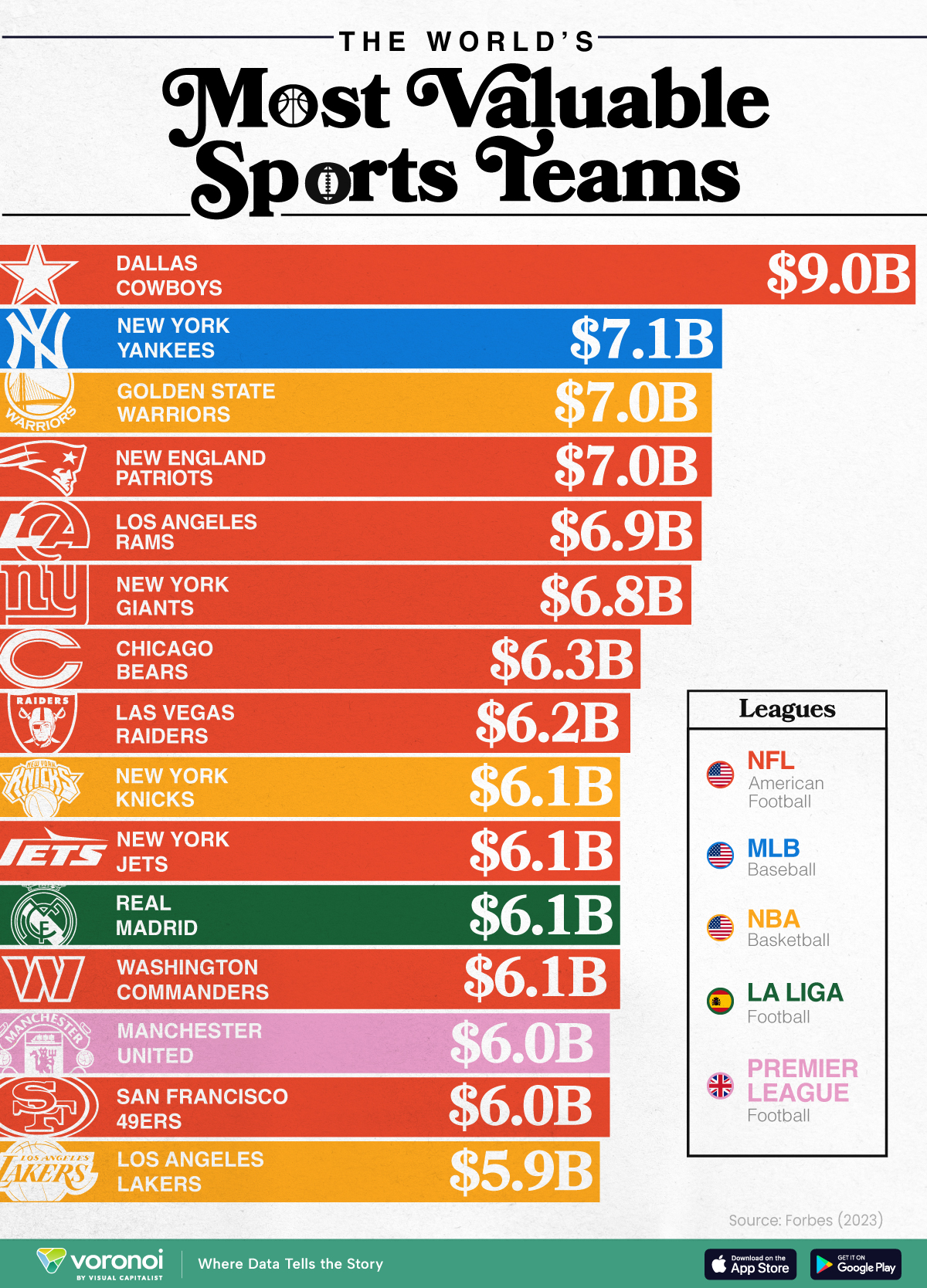
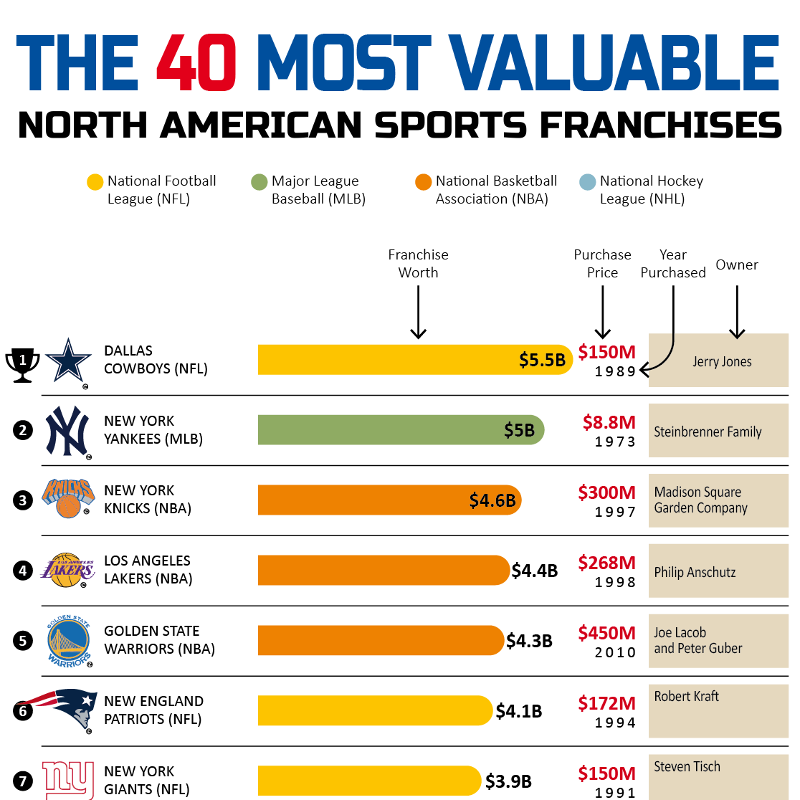
When discussing the most valuable sports franchise, the Dallas Cowboys consistently emerge as a leading contender, often topping valuation lists globally. Their sustained financial dominance provides an excellent case study in maximizing revenue and asset value within the “Money” category. Despite not winning a Super Bowl since 1996, the Cowboys’ valuation has soared to unprecedented levels, primarily due to:
- Unrivaled Media Draw: Known as “America’s Team,” the Cowboys consistently draw massive television audiences, making them a prime asset for broadcasters. This translates into higher shares of league-wide media revenue and individual sponsorship deals.
- AT&T Stadium Assets: Their state-of-the-art stadium is a revenue-generating powerhouse. Beyond game days, it hosts major concerts, boxing matches, and other sporting events, providing year-round income. The stadium’s design also features extensive premium seating and corporate hospitality options, maximizing high-margin sales.
- Brand Equity and Global Reach: The Cowboys brand is iconic, recognized globally even by non-football fans. This powerful brand equity allows them to command top dollar for merchandise and corporate partnerships far beyond what their on-field performance might suggest.
- Diversified Business Interests: Owner Jerry Jones has strategically expanded the Cowboys’ business empire beyond football. This includes interests in entertainment venues, real estate developments around the stadium, and ventures in sports technology and media, all contributing to the franchise’s overall enterprise value. Their aggressive pursuit of non-traditional revenue streams exemplifies a modern approach to sports franchise management as a comprehensive business.
Strategic Investments and Growth Drivers
Sustaining and growing a multi-billion-dollar valuation requires continuous strategic investment and an acute understanding of evolving market dynamics. Owners are not just sports enthusiasts; they are astute businesspeople focused on long-term financial appreciation.
Stadium and Infrastructure Development
Modern stadiums are not just places to watch games; they are meticulously designed revenue-generating machines and significant real estate assets. Investment in state-of-the-art facilities enhances the fan experience through advanced technology, premium seating options, diverse food and beverage choices, and retail spaces. These improvements directly translate to increased ticket sales, higher per-capita spending, and more lucrative corporate partnerships. Furthermore, many new stadium projects incorporate surrounding mixed-use developments, including hotels, restaurants, and residential units, creating urban centers that generate revenue independently of game days and significantly appreciate the value of the franchise’s real estate portfolio. These investments are critical for maintaining competitive financial standing and attracting future investment.
Global Brand Expansion
For many top franchises, the local market is no longer sufficient for maximizing financial potential. Global brand expansion is a key strategy for increasing valuation. This involves international tours, pre-season games in new markets, establishing digital content platforms accessible worldwide, and striking partnerships with global brands. European football clubs, in particular, have mastered this, cultivating immense fan bases in Asia, North America, and other continents through extensive marketing and strategic outreach. The ability to sell merchandise, attract international sponsors, and grow digital engagement beyond national borders directly translates into higher revenue potential and, consequently, increased franchise value. This global perspective on market penetration is crucial for exponential growth in an increasingly connected world.
Technology Integration and Data Analytics
Investment in technology drives both operational efficiency and revenue growth. Integrating advanced data analytics helps franchises optimize pricing strategies for tickets and merchandise, personalize fan engagement to drive loyalty and spending, and provide valuable insights for sponsors. For example, understanding fan demographics and purchasing habits allows for targeted marketing campaigns that maximize conversion rates. Furthermore, technology enhances the in-stadium experience, from mobile ticketing and cashless concessions to augmented reality features and real-time statistics, encouraging higher spending and repeat visits. Beyond the fan experience, technology in back-office operations, such as predictive modeling for asset management or efficient supply chain logistics, contributes to improved operating margins, directly impacting profitability and valuation.
Sports as an Alternative Asset Class
The consistent growth in sports valuations has attracted significant interest from private equity firms, hedge funds, and institutional investors, solidifying sports franchises as a legitimate alternative asset class. The scarcity principle is a major draw: only a limited number of top-tier franchises exist in major leagues, and the barriers to entry are exceptionally high. This scarcity, combined with generally resilient revenue streams (media rights, sponsorships), makes them attractive long-term investments, often seen as a hedge against inflation. Investors are drawn to the potential for capital appreciation, diversified revenue models, and the unique emotional capital associated with sports that creates incredibly loyal customer bases. The low correlation with traditional market cycles further enhances their appeal in a diversified investment portfolio, signaling a maturing financial market for sports entities.
The Future of Sports Franchise Valuations
The upward trajectory of sports franchise valuations shows little sign of slowing, driven by ongoing shifts in media consumption, globalization, and technological innovation. Looking ahead, several factors will continue to influence and elevate the financial standing of elite sports teams.
Emerging Markets and New Sports Leagues
The untapped potential of emerging markets, particularly in Asia, Africa, and parts of South America, represents a significant growth frontier. As these economies develop and disposable incomes rise, the appetite for global sports entertainment will increase. Franchises and leagues are actively pursuing strategies to penetrate these markets through localized content, talent development, and strategic partnerships. Moreover, the rise of new sports leagues or the professionalization of niche sports could create new opportunities for high-value franchises. Investment in these areas, while carrying higher risk, offers the potential for substantial returns as fan bases expand and new revenue streams materialize. This geographic expansion is key to unlocking the next wave of valuation growth.
Digitalization and Web3 Integration
The digital transformation of sports is profound. Direct-to-consumer streaming platforms, interactive fan experiences, and social media engagement amplify reach and revenue. The advent of Web3 technologies, including NFTs (Non-Fungible Tokens), fan tokens, and metaverse experiences, presents novel avenues for monetization and fan engagement. Franchises can leverage NFTs for digital collectibles, exclusive access, or even fractional ownership experiences, creating new digital asset classes tied directly to their brand. Fan tokens offer a means for deeper engagement and governance, potentially unlocking recurring revenue streams. As these technologies mature, their integration will create powerful new channels for financial growth, turning passive fans into active participants and digital consumers.
Escalating Media Rights Deals
The fierce competition among traditional broadcasters, streaming services, and tech giants for exclusive sports content rights is driving media valuations ever higher. Live sports remain one of the few forms of “appointment viewing” that can consistently draw large, engaged audiences, making them invaluable for advertisers and subscription services. This trend is expected to continue, with future media rights deals likely to shatter current records. Franchises with strong viewership, global appeal, and robust digital platforms will be best positioned to capitalize on these escalating valuations, directly boosting their share of collective league revenues and, consequently, their overall enterprise value.
The Scarcity Principle and Sustained Growth
The fundamental economic principle of scarcity underpins much of the sustained growth in sports franchise valuations. There is a finite number of teams in established, top-tier leagues, and ownership opportunities are rare. This limited supply, coupled with increasing demand from ultra-high-net-worth individuals, institutional investors, and sovereign wealth funds, creates a robust sellers’ market. Furthermore, the inherent cultural significance and emotional connection associated with sports teams grant them a unique resilience against economic downturns compared to many other asset classes. This combination of scarcity, emotional capital, and diversified, growing revenue streams suggests that sports franchise valuations will continue their upward trajectory for the foreseeable future, making them some of the most sought-after and financially powerful assets in the world.
aViewFromTheCave is a participant in the Amazon Services LLC Associates Program, an affiliate advertising program designed to provide a means for sites to earn advertising fees by advertising and linking to Amazon.com. Amazon, the Amazon logo, AmazonSupply, and the AmazonSupply logo are trademarks of Amazon.com, Inc. or its affiliates. As an Amazon Associate we earn affiliate commissions from qualifying purchases.