
In the vibrant tapestry of digital communication, emojis have evolved from simple emoticons into a nuanced, expressive language layer. They punctuate our texts, define our moods, and often convey more meaning than words alone. Yet, amidst the ever-growing Unicode standard that adds new characters almost annually, a silent question lingers: what about the emojis that are rarely, if ever, tapped? Identifying the “most unused emoji” is not merely a trivial pursuit; it’s a deep dive into user behavior, data analytics, UI/UX design, and the very evolution of digital language within the tech landscape. Understanding this phenomenon offers critical insights for platform developers, software engineers, and user experience designers striving to optimize communication tools.

The Digital Lexicon and the Challenge of Measuring Disuse
The journey to pinpointing the most unused emoji begins with acknowledging the sheer scale of the emoji library. The Unicode Consortium, the non-profit organization responsible for digitizing the world’s writing systems, including emojis, consistently expands the set. As of late, there are thousands of distinct emojis, each with a unique code point. This proliferation ensures diversity and cultural representation, but it also creates a vast landscape where some symbols inevitably fall into obscurity.
Measuring “usage” is complex, let alone “disuse.” Tech companies, app developers, and messaging platforms are at the forefront of collecting vast amounts of data on user interactions. However, privacy concerns and the sheer volume of this data mean that a definitive, publicly available global ranking of emoji usage (or disuse) is rarely, if ever, released. Internal analytics, A/B testing, and anonymized aggregate data are typically used to inform product decisions rather than public declarations.
Methodologies for tracking emoji engagement typically involve:
- Server-side logging: Recording every emoji sent or received within a platform. This offers the most direct measurement but comes with significant data storage and processing overheads.
- Client-side analytics: Aggregating usage data from individual user devices, often focused on how frequently certain emojis are selected from a keyboard interface, irrespective of whether they are ultimately sent.
- Natural Language Processing (NLP): Analyzing the context in which emojis appear in textual conversations to infer meaning and relevance. While this doesn’t directly measure disuse, it can highlight emojis that never appear in meaningful contexts.
- User surveys and ethnographic studies: Qualitative data gathering, though less scalable, can provide valuable insights into why certain emojis are perceived as irrelevant or confusing.
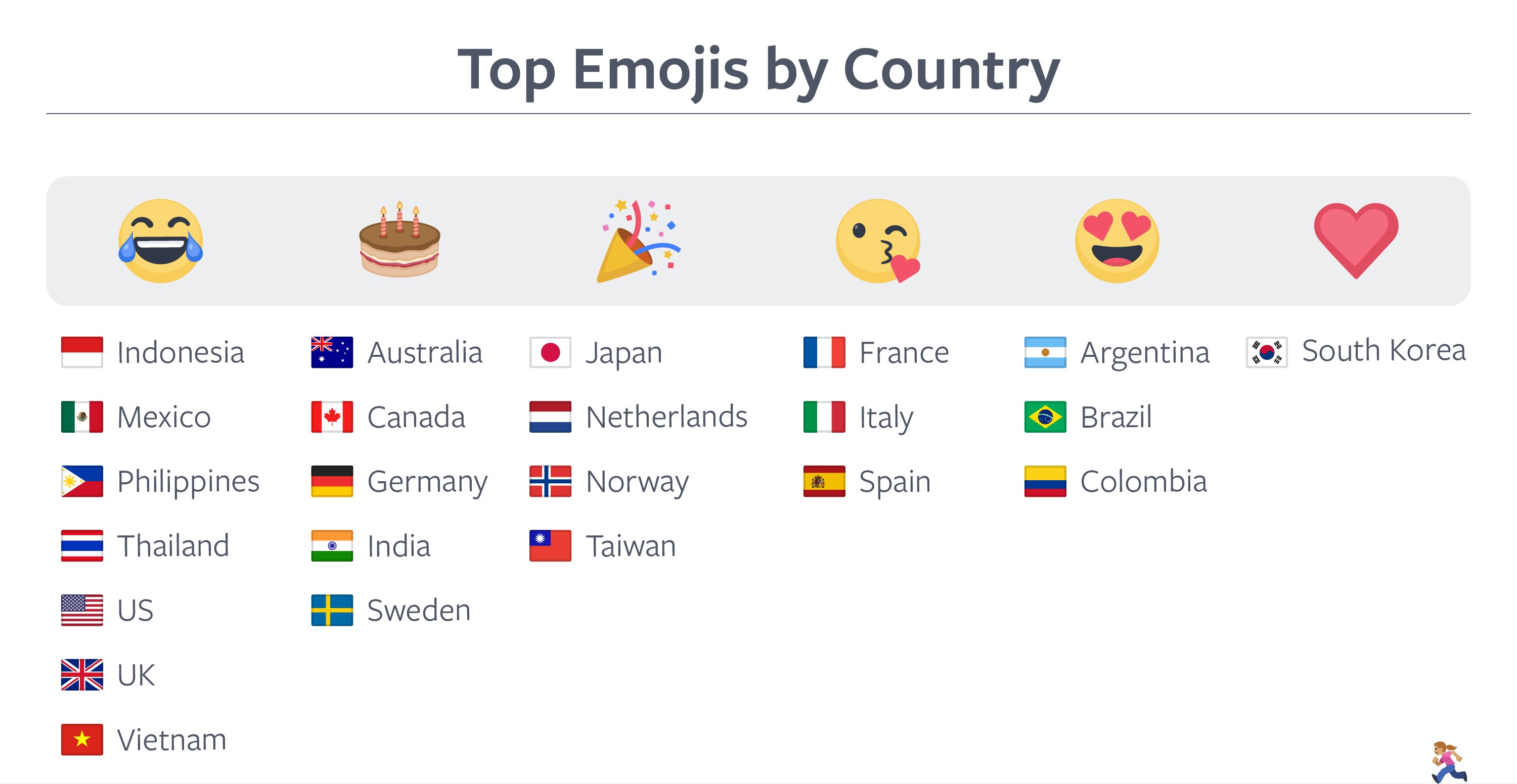
The challenge lies not just in collecting the data but in defining “unused.” Does an emoji count as used if it’s typed but deleted? If it appears in a suggested list but is never selected? A robust definition is crucial for accurate analysis. Furthermore, usage patterns can vary dramatically by region, cultural context, demographic, and even the specific app or device being used. What’s popular in one country might be entirely obscure in another, making a universally “most unused” emoji a moving target.
Likely Candidates and Their Technological Trajectories
While a definitive, universally unused emoji is hard to certify without access to comprehensive, aggregated global data from major platforms, we can speculate on strong candidates by examining the characteristics that typically lead to low engagement. These characteristics often stem from design choices, cultural shifts, or inherent redundancy within the emoji set itself.
Obscurity and Niche Context
Many emojis are designed for highly specific, often outdated, or culturally niche contexts, making them irrelevant to the majority of users. For instance:
- Outdated Technology: Emojis like the ️ Printer, Minidisc, Fax Machine, Floppy Disk, and Pager represent technologies that are no longer common in daily life for most digital communicators. While they hold historical value, their practical utility in modern conversations is minimal.
- Niche Symbols: The Input Symbol for Latin Letters, Squared NG, or various specific control pictures (e.g., ⏏️ Eject Button) are highly technical or abstract, rarely finding a place in casual chat.
- Specific Flags: While national flags are extensively used, the thousands of subdivision flags (e.g., England, Scotland, Wales, Texas) are often less discoverable or used compared to country-level flags, due to their limited support across platforms or reduced user awareness.
Redundancy and Visual Ambiguity
Another category of unused emojis includes those that are redundant or suffer from visual ambiguity, leading to user confusion or preference for clearer alternatives.
- Redundant Variations: Some emojis have very subtle variations or near-duplicates, leading to one being overwhelmingly preferred over another. For example, slight differences in various “button” emojis or abstract shapes might lead users to pick the most visually intuitive one.
- Ambiguous Meanings: The original intent behind certain emojis might not translate well across cultures or even within a single language group. If an emoji’s meaning isn’t immediately clear or universally understood, users will naturally shy away from it. The Input Symbol for Latin Letters and Numbers is an example; its specific usage context isn’t intuitively obvious to many.
Cultural Irrelevance or Obsolescence
The rapid evolution of cultural trends and slang means that some emojis can quickly become irrelevant or even dated. What was once novel might become forgotten. Furthermore, emojis designed for very specific cultural celebrations or concepts might only see usage within those specific communities, leading to global low usage. The ⛩️ Shinto Shrine or Moon Viewing Ceremony are beautiful and culturally significant but may not be widely used outside their specific contexts. Similarly, historical items like the ⚱️ Urn or specialized scientific symbols such as the ⚛️ Atom Symbol might appeal to a very narrow audience.

The continuous addition of new, more expressive emojis also contributes to the obsolescence of older, less versatile ones. As new human-like emojis, gestures, and food items are introduced, they naturally draw attention away from the less engaging existing set.
Implications for UI/UX Design and Platform Development
The existence of numerous unused emojis carries significant implications for tech companies, particularly in the realm of UI/UX design and platform development. Every emoji, whether used or not, consumes resources and occupies space within the digital interface.
Streamlining User Interfaces
An overcrowded emoji keyboard can negatively impact user experience. Too many options can lead to:
- Cognitive Overload: Users spend more time searching for the right emoji, increasing friction and reducing efficiency.
- Reduced Discoverability: Useful but less popular emojis might get lost among the clutter, while the truly unused ones just take up space.
- Slower Performance: While negligible for a single emoji, rendering and loading thousands of emoji glyphs can marginally affect keyboard responsiveness, especially on older devices.
Tech platforms often address this by:
- Dynamic Reordering: Using AI and machine learning to predict frequently used emojis and prioritize their display based on user history, context, or popularity trends.
- Search Functionality: Allowing users to quickly find emojis by keyword, reducing reliance on visual scanning.
- Categorization and Tabs: Grouping emojis into logical categories (food, animals, activities) to make navigation easier. However, even within categories, unused emojis can remain.
- Emoji Suggestions: Proposing emojis based on the typed text, which also tends to favor frequently used ones.
The data on unused emojis can inform decisions about whether to hide, deprioritize, or even consider deprecating certain emojis from default keyboard layouts, ensuring a leaner, more intuitive user interface.
Data-Driven Development and Resource Allocation
Understanding which emojis are unused provides valuable data beyond just UI optimization. It can inform:
- Resource Allocation: Developers and designers spend time creating, testing, and implementing each emoji. Identifying unused ones can help optimize future resource allocation for Unicode updates, focusing efforts on emojis that genuinely enhance communication.
- Predicting Trends: Analyzing the characteristics of unused emojis can help predict which new emoji proposals might similarly fail to gain traction, guiding the input to the Unicode Consortium.
- Cultural Relevance and Inclusivity: Low usage of certain culturally specific emojis might indicate a need for better discoverability, broader platform support, or perhaps a re-evaluation of their design to ensure wider appeal without sacrificing their original meaning. It might also highlight gaps in representation where new, more relevant emojis are needed.
Ultimately, insights into unused emojis enable platforms to make data-driven decisions that balance the rich diversity of the Unicode standard with the practical needs for a fast, efficient, and enjoyable user experience.
The Future of Emoji Evolution: Curation, Customization, and AI
The future of emoji management within the tech ecosystem will likely lean heavily into personalized curation and intelligent systems, rather than simply expanding the library indefinitely. The continuous search for the “most unused” emoji implicitly drives this evolution.
Intelligent Emoji Keyboards
Artificial intelligence and machine learning are increasingly at the core of predictive text and smart keyboards. Future emoji keyboards will likely become even more sophisticated:
- Contextual Relevance: AI will go beyond simply suggesting an emoji for “pizza” and understand the nuances of a conversation to suggest an emoji that matches the user’s emotional tone or even their historical usage patterns in similar contexts. This can bring less frequently used, but highly relevant, emojis to the forefront when appropriate.
- Personalized Libraries: Users might gain greater control over their emoji library, perhaps being able to hide emojis they never use or curate a personalized “favorites” list that extends beyond simple recents.
- Dynamic Layouts: Keyboard layouts could dynamically adapt, moving frequently used emojis to more accessible positions and relegating unused ones to deeper sub-menus or entirely hiding them.
The Role of AI in Emoji Design and Standardization
AI could even play a role in the design and proposal of new emojis. By analyzing vast datasets of text, images, and existing emoji usage, AI could identify gaps in expression or suggest new emoji concepts that are highly likely to be adopted by users, thereby reducing the chances of adding more “unused” emojis to the standard. Similarly, AI could help the Unicode Consortium evaluate the potential utility and cultural relevance of new proposals, ensuring that the emoji lexicon grows thoughtfully and purposefully.
The quest to identify the “most unused emoji” is more than a curiosity; it’s a barometer of digital communication efficiency and cultural relevance. For tech companies, it represents an ongoing challenge and opportunity to refine their tools, enhance user experience, and ensure that the ever-expanding universe of emojis remains a powerful and intuitive language for all.
aViewFromTheCave is a participant in the Amazon Services LLC Associates Program, an affiliate advertising program designed to provide a means for sites to earn advertising fees by advertising and linking to Amazon.com. Amazon, the Amazon logo, AmazonSupply, and the AmazonSupply logo are trademarks of Amazon.com, Inc. or its affiliates. As an Amazon Associate we earn affiliate commissions from qualifying purchases.