
Atorvastatin, a widely prescribed statin medication, plays a crucial role in preventing cardiovascular disease by lowering cholesterol levels. Its efficacy has transformed preventative healthcare, significantly reducing the incidence of heart attacks and strokes for millions worldwide. However, like all medications, atorvastatin comes with a spectrum of potential side effects, ranging from mild and manageable to severe and life-altering. While the immediate concern for patients and clinicians is the clinical severity of these adverse reactions, a critical, often underestimated, dimension is their financial impact. Understanding “what is the most serious side effect of atorvastatin” must extend beyond mere physiological harm to encompass the substantial economic burden it can impose on individuals, healthcare systems, and even the pharmaceutical industry itself.
This article will delve into the serious side effects associated with atorvastatin, not to offer medical advice, but to illuminate the significant financial ramifications that accompany them. From direct medical costs and lost productivity to broader systemic expenses and the complexities of financial mitigation, we will explore the intricate link between medication safety and economic well-being, strictly within the framework of personal and business finance.
Navigating Atorvastatin: Benefits, Risks, and the Overlooked Financial Calculus
Atorvastatin’s primary purpose is to lower low-density lipoprotein (LDL) cholesterol, often dubbed “bad” cholesterol, thereby reducing the risk of atherosclerosis, a condition where plaque builds up in the arteries. Its widespread use stems from strong clinical evidence supporting its effectiveness in preventing cardiovascular events. Yet, this medical marvel is not without its risks.
The Role of Atorvastatin in Cardiovascular Health
From a financial perspective, atorvastatin represents a significant investment in public health, designed to prevent more costly and debilitating cardiovascular events. The economic burden of heart disease—including hospitalizations, surgeries, long-term care, and lost productivity—is staggering globally. By averting these outcomes, atorvastatin, despite its cost, can be seen as a cost-effective intervention, providing substantial long-term financial savings to individuals and healthcare systems by maintaining health and productivity. The investment in daily medication aims to prevent a potentially catastrophic financial drain caused by a major health crisis.
Identifying Clinically Serious Side Effects with Financial Repercussions
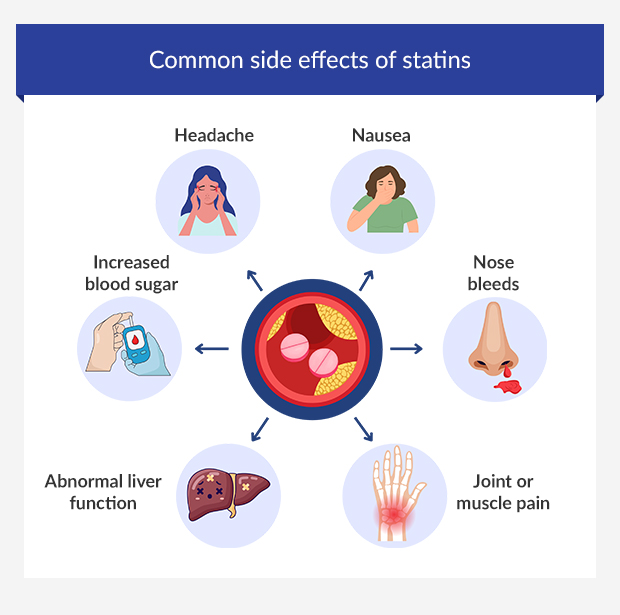
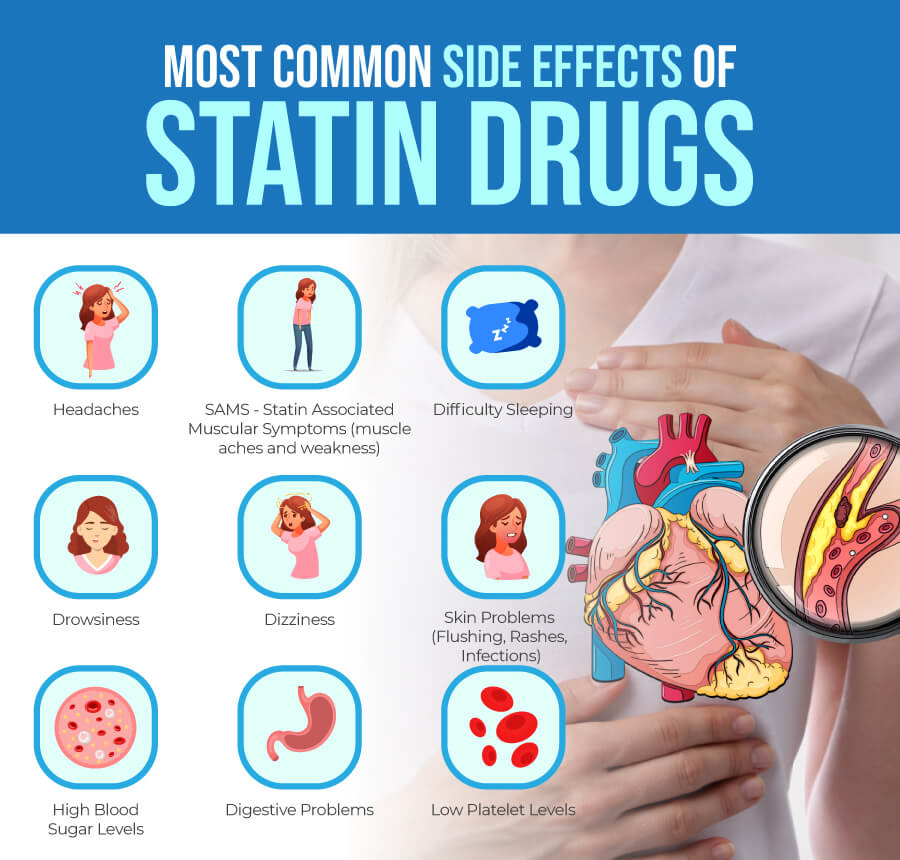
While most side effects of atorvastatin are mild (e.g., muscle pain, indigestion), a few can be severe, leading to significant health complications and, consequently, substantial financial distress. The most frequently cited serious side effect, and often considered the most serious due to its potential for life-threatening outcomes, is rhabdomyolysis. This condition involves the rapid breakdown of muscle tissue, releasing proteins into the bloodstream that can severely damage the kidneys, potentially leading to acute kidney failure requiring dialysis or even transplantation.
Other serious, albeit rarer, side effects include:
-
Liver damage: Indicated by elevated liver enzymes, and in very rare cases, liver failure.
-
New-onset diabetes: While statins significantly reduce cardiovascular risk, some studies suggest a small increase in the risk of developing type 2 diabetes, which has long-term financial implications for management.
-
Memory loss or confusion: Although generally reversible upon discontinuation, the temporary impairment can affect an individual’s ability to work or manage finances.
Each of these severe conditions carries a formidable price tag, transitioning a routine prescription into an unexpected and costly medical crisis, impacting personal finances, insurance premiums, and public health budgets.
The Personal Economic Toll of Severe Adverse Drug Reactions
For an individual experiencing a serious side effect from atorvastatin, the immediate concern is health, but the financial fallout can be swift and devastating. The cost burden goes beyond just medical bills, extending into lost income and quality of life.
Direct Medical Costs: Hospitalizations, Treatments, and Rehabilitation
Rhabdomyolysis, for instance, often necessitates immediate hospitalization. The costs associated with an emergency room visit, inpatient care, diagnostic tests (blood tests, imaging), fluid therapy, and potential kidney dialysis can quickly escalate into tens of thousands, or even hundreds of thousands, of dollars, depending on the severity and duration of treatment. If kidney damage is permanent, the patient might face ongoing dialysis costs or the immense expense of a kidney transplant and lifelong immunosuppressant therapy.
Similarly, severe liver damage could lead to extensive diagnostic workups, specialist consultations, hospital stays, and potentially a liver transplant, each step representing a monumental financial hurdle. Even the development of new-onset diabetes requires continuous monitoring, medication, dietary adjustments, and regular doctor visits, all contributing to a chronic financial outflow that was not anticipated when beginning atorvastatin therapy.
Indirect Costs: Lost Income and Productivity
Beyond direct medical expenses, patients facing serious side effects often experience a significant loss of income. Hospitalization and recovery from rhabdomyolysis or severe liver damage can mean weeks or months away from work, leading to lost wages for the patient and potentially for family members who act as caregivers. For self-employed individuals or those without robust sick leave benefits, this loss can be catastrophic. The long-term effects, such as reduced work capacity due to chronic kidney issues or the ongoing management of new diabetes, can further diminish earning potential and contribute to financial insecurity over years. This represents a substantial, often unquantified, economic drain on individuals and the broader economy through reduced productivity.
The Hidden Burden: Emotional Stress and Quality of Life

While not directly quantifiable in monetary terms, the emotional stress and reduced quality of life stemming from serious side effects also carry an indirect financial weight. The psychological toll of severe illness can lead to increased healthcare spending on mental health services, impaired decision-making regarding personal finances, and a general disengagement from financial planning. The inability to participate in hobbies or travel, often planned with financial foresight, represents a loss of enjoyment that money was intended to purchase. For families, the strain can lead to financial disputes or the need for professional financial counseling, adding further costs.
Broader Financial Ripple Effects: Healthcare Systems and Pharma Accountability
The economic impact of serious atorvastatin side effects extends far beyond the individual patient, creating significant financial challenges for healthcare systems and imposing accountability demands on pharmaceutical companies.
Public Health Expenditure: The Cost to Healthcare Infrastructure
Healthcare systems, whether publicly funded or insurance-based, bear a substantial portion of the cost for treating severe adverse drug reactions. Emergency services, specialized medical care units, chronic disease management programs (like dialysis centers), and rehabilitation services are all stretched by these unforeseen complications. These costs are ultimately absorbed by taxpayers, insurance premium payers, or through reduced funding for other vital healthcare services. Proactive pharmacovigilance and patient education programs, while an upfront investment, are financially justified as they aim to reduce these downstream expenditures, acting as a form of risk management for public health budgets.
Pharmaceutical Industry Liability and Reputational Risk
For the manufacturers of atorvastatin, serious side effects carry immense financial implications related to product liability. Lawsuits from affected patients can result in massive settlements or jury awards, sometimes reaching millions or even billions of dollars collectively. These legal battles are costly, involving extensive discovery, expert testimony, and significant legal fees, regardless of the outcome.
Beyond direct legal costs, serious side effects pose a considerable reputational risk. Negative publicity can erode public trust, decrease market share, and lead to reduced sales, directly impacting the company’s financial performance and shareholder value. Companies must invest heavily in post-market surveillance, risk management programs, and transparent communication strategies to mitigate these financial and brand damages. This often includes funding patient assistance programs or conducting further safety research, all of which contribute to the operational costs of drug development and marketing.
Insurance Coverage Complexities and Gaps
While health insurance is designed to cushion the financial blow of medical emergencies, the complexities and potential gaps in coverage can still leave patients vulnerable. High deductibles, co-pays, and limits on specific treatments or long-term care can mean significant out-of-pocket expenses. Furthermore, disputes over what constitutes a “pre-existing condition” or a “medically necessary” treatment can delay care or lead to denied claims, forcing patients into expensive legal battles with their insurers or into debt. Understanding the nuances of one’s insurance policy becomes a critical financial literacy skill when contemplating long-term medication use. For those without adequate insurance, the financial burden can be insurmountable, leading to bankruptcy—a direct and devastating financial consequence of unexpected medical crises.
Strategies for Financial Resilience in the Face of Medication-Related Complications
Given the potential financial ramifications of serious atorvastatin side effects, proactive financial planning and informed decision-making are paramount. Individuals and healthcare stakeholders alike can employ strategies to build resilience against these unexpected economic shocks.
Proactive Financial Planning: Emergency Funds and Health Savings Accounts
For individuals, establishing a robust emergency fund is a foundational financial strategy. This fund, typically covering 3-6 months of living expenses, can act as a crucial buffer against lost income and unexpected medical bills. Health Savings Accounts (HSAs), if eligible, offer a tax-advantaged way to save for healthcare expenses, providing a dedicated fund that rolls over year to year and can be used for qualified medical costs, including deductibles and co-pays. Investing in an HSA early can significantly reduce the financial stress associated with adverse drug reactions. Regularly reviewing insurance coverage and understanding policy limits, deductibles, and out-of-pocket maximums is also a critical step in preparing for potential health-related financial challenges.
Understanding Insurance Policies and Patient Assistance Programs
Patients should meticulously review their health insurance policies to understand what is covered in the event of severe side effects, including specialist consultations, hospitalizations, and long-term care. Being aware of appeal processes for denied claims is also vital. Additionally, many pharmaceutical companies offer patient assistance programs (PAPs) to help individuals afford their medications or cover costs associated with adverse events. Non-profit organizations also exist that provide financial aid for specific conditions or for medical debt. Proactively researching and applying for these programs can significantly alleviate financial pressure.
The Economic Value of Adherence and Monitoring
From a financial perspective, strict adherence to prescribed medication regimens and attending regular monitoring appointments are not just good medical practice, but also sound financial strategy. Early detection of potential side effects, such as elevated liver enzymes or muscle pain, can prevent the progression to more severe and costly conditions like rhabdomyolysis or liver failure. Regular doctor visits and blood tests, while an upfront cost, are a small investment compared to the massive expenses incurred from treating advanced medical complications. This proactive approach minimizes the risk of escalating medical costs and safeguards an individual’s financial stability.
Conclusion
The question “what is the most serious side effect of atorvastatin?” transcends a purely medical answer when viewed through a financial lens. While rhabdomyolysis, severe liver damage, and new-onset diabetes represent significant clinical threats, their profound economic implications for individuals, healthcare systems, and the pharmaceutical industry underscore their ultimate seriousness. From staggering direct medical costs and crippling lost income to broader public health expenditure and intricate corporate liability, the financial calculus of adverse drug reactions is complex and far-reaching. By understanding these intertwined medical and monetary risks, individuals can adopt proactive financial planning strategies, leverage available assistance programs, and prioritize consistent medical adherence, ultimately building greater financial resilience in the face of life’s unpredictable health challenges. For all stakeholders, recognizing the economic burden of medication side effects is crucial for fostering a healthcare environment that is not only medically safe but also financially sustainable.
aViewFromTheCave is a participant in the Amazon Services LLC Associates Program, an affiliate advertising program designed to provide a means for sites to earn advertising fees by advertising and linking to Amazon.com. Amazon, the Amazon logo, AmazonSupply, and the AmazonSupply logo are trademarks of Amazon.com, Inc. or its affiliates. As an Amazon Associate we earn affiliate commissions from qualifying purchases.