
In the realm of personal finance, a vehicle is often the second-largest purchase a household will make, trailing only the acquisition of real estate. However, unlike real estate, which historically appreciates over time, a vehicle is a depreciating asset. To the savvy investor or the financially conscious individual, the question “What is the most reliable vehicle?” is not merely a question of mechanical endurance—it is a question of capital preservation, risk mitigation, and the optimization of the Total Cost of Ownership (TCO).
Reliability in the automotive world serves as a critical hedge against the erosion of personal net worth. Every unscheduled visit to the mechanic represents a double loss: the direct cost of parts and labor, and the indirect cost of lost productivity or the need for alternative transportation. By viewing a vehicle through the lens of a financial instrument, we can identify which choices provide the highest “return” in the form of avoided costs and retained equity.
The Economics of Automotive Reliability
To understand why reliability is the most important metric in vehicle acquisition, one must first master the concept of the Total Cost of Ownership. The sticker price of a car is often the most visible number, but it is rarely the most important one. Over a five-to-ten-year period, the financial performance of a vehicle is dictated by depreciation, maintenance, and insurance.
Depreciation: The Silent Wealth Killer
Depreciation is the single largest expense of vehicle ownership, often exceeding fuel and insurance combined. A reliable vehicle—one with a proven track record of longevity—holds its value significantly better than its less reliable counterparts. In financial terms, a reliable vehicle has a shallower depreciation curve. For instance, brands like Toyota and Honda often retain 50–60% of their value after five years, whereas luxury brands with high maintenance complexity may retain less than 35%. Choosing a vehicle with high reliability is, in essence, a strategy for capital preservation.
Total Cost of Ownership (TCO) vs. Sticker Price
The “cheap” car that requires a $2,000 transmission repair in its third year is far more expensive than the “expensive” car that requires only $150 oil changes. When calculating TCO, a reliable vehicle reduces the “variance” in your monthly budget. Financial stability relies on predictable cash flows. A reliable vehicle transforms your transportation costs from a volatile expense into a fixed, manageable line item, allowing you to allocate more capital toward high-yield investments rather than emergency repairs.
The Opportunity Cost of Downtime
Time is the most valuable non-renewable resource. For professionals and entrepreneurs, a vehicle that breaks down represents a significant opportunity cost. If an unreliable vehicle causes you to miss a client meeting or prevents you from reaching your place of business, the financial damage extends far beyond the repair bill. Reliability is a form of insurance against the loss of billable hours and professional reputation.
Identifying the Financial “Sweet Spot” in the Market
Finding the most reliable vehicle requires an objective analysis of market data and manufacturing philosophy. Not all vehicles are created equal, and from a financial perspective, certain segments of the market offer a superior “risk-to-reward” ratio.
Legacy Manufacturers and Parts Availability
From a financial standpoint, the most reliable vehicles are often those produced by manufacturers with “lean” production philosophies. Companies that prioritize incremental improvements over radical, unproven redesigns tend to produce the most durable assets. Furthermore, vehicles with high sales volumes benefit from “economies of scale” in the parts market. If a vehicle is common, replacement parts are cheaper and more readily available, and a wider range of technicians can service them without requiring specialized, high-priced tools. This lowers the long-term maintenance overhead.
The Secondary Market: Used Vehicles as Value Plays
While buying a new vehicle offers the peace of mind of a factory warranty, the most sophisticated financial move often involves purchasing a “slightly used” reliable vehicle. By purchasing a vehicle that is 2–3 years old, the initial “off-the-lot” depreciation—often as high as 20%—has already been absorbed by the previous owner. If the vehicle is a model known for 200,000-mile longevity, the second owner is effectively acquiring 80–90% of the vehicle’s utility at 60% of its original cost. This is a classic value-investing strategy applied to the automotive sector.
Certified Pre-Owned (CPO) as Risk Arbitrage
For those who are risk-averse but want to avoid the premium of a brand-new car, Certified Pre-Owned programs offer a unique form of risk arbitrage. These vehicles undergo rigorous inspections and come with extended warranties backed by the manufacturer. From a money management perspective, a CPO vehicle limits your “downside risk” (major mechanical failure) while allowing you to enjoy a lower entry price than a new model.
Reliability as a Hedge Against Inflation
In an era of fluctuating inflation and rising costs of living, the reliability of your vehicle acts as a buffer. The costs associated with car ownership are not immune to inflationary pressures; in fact, they often outpace the general Consumer Price Index (CPI).
Rising Repair Costs and Labor Rates
The cost of automotive labor has skyrocketed over the past decade. As vehicles become more complex, the specialized knowledge required to fix them commands a higher premium. By owning a vehicle that rarely breaks, you insulate yourself from the rising costs of specialized labor. A reliable vehicle is essentially a “pre-paid” transportation hedge; you are locking in your costs today to avoid the inflated repair prices of tomorrow.
Insurance Premiums and Risk Mitigation
Insurance companies are masters of data and probability. They know exactly which vehicles are prone to failure or expensive accidents. Reliability often correlates with safety and lower repair complexity, which can result in lower insurance premiums. While high-performance luxury vehicles may be “reliable” in a mechanical sense, their parts are so expensive that insurance companies must charge a premium to cover the potential loss. A truly reliable vehicle for your finances is one that is both durable and cost-effective to insure.
Fuel Efficiency and Energy Diversification
While “reliability” usually refers to the engine and transmission, in a financial context, it also refers to the reliability of the vehicle’s energy consumption. Vehicles with hybrid powertrains from established manufacturers (like the Toyota Prius or RAV4 Hybrid) offer a dual financial advantage: they are mechanically simplified in certain areas (such as braking systems) and provide a hedge against volatile gas prices. Reducing your monthly fuel expenditure increases your “disposable income,” which can be redirected into interest-bearing accounts or equity markets.
Strategic Vehicle Selection: Data-Driven Decisions
To determine the most reliable vehicle for your specific financial portfolio, you must move beyond anecdotes and look at actuarial data. Financial planning is about probabilities, not possibilities.
Consumer Reports and Financial Actuarial Data
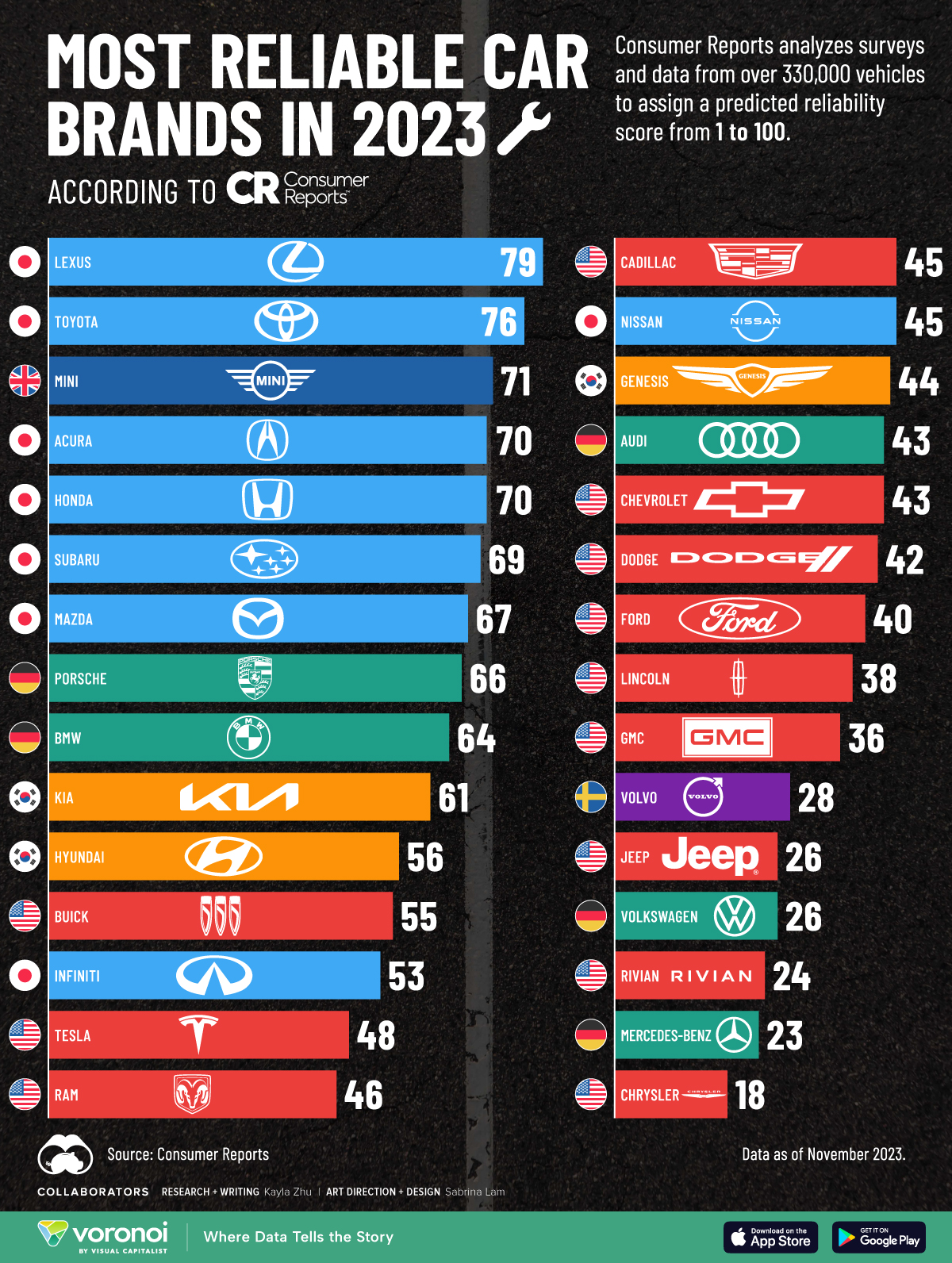
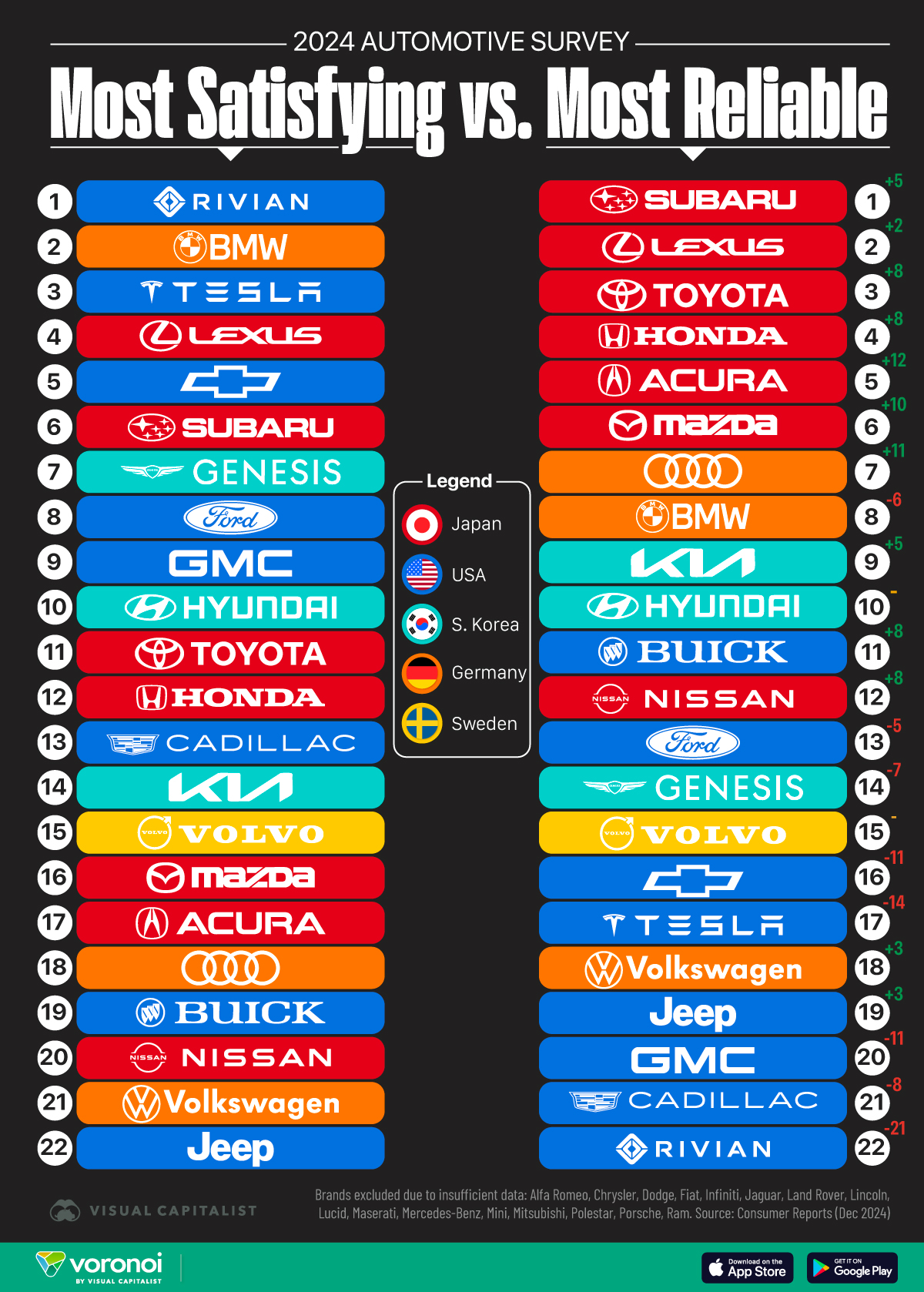
Organizations like Consumer Reports and J.D. Power provide long-term reliability ratings based on hundreds of thousands of data points. A financially savvy buyer looks for “consistent performers”—vehicles that have maintained top-tier reliability ratings for five or more consecutive years. This consistency reduces the statistical likelihood of purchasing a “lemon.” In the world of finance, this is equivalent to looking at a stock’s five-year moving average rather than its daily fluctuations.
Hybrid vs. ICE: The Long-Term Maintenance Math
The debate between Internal Combustion Engines (ICE) and Hybrid/Electric vehicles is often framed as an environmental one, but it is actually a profound financial one. Hybrids, while having more components, often experience less wear and tear on their engines and brakes due to regenerative braking and electric-assist systems. For a long-term holder (10+ years), the maintenance math often favors the hybrid, provided the battery replacement cost is factored into the long-term sinking fund.
Resale Liquidity
A reliable vehicle is a liquid asset. If you find yourself in a financial crunch and need to raise capital quickly, a Toyota Tacoma or a Honda Civic can be sold almost instantly at a fair market price. Conversely, an unreliable luxury vehicle or a niche brand may sit on the market for months or require a deep discount to move. Reliability ensures that your “exit strategy” is always intact, providing a level of financial flexibility that is often overlooked.

Conclusion: The Best Vehicle for Your Portfolio
In the final analysis, “the most reliable vehicle” is the one that best serves your long-term financial goals. It is the vehicle that minimizes depreciation, stabilizes your monthly cash flow, and protects your most valuable asset: your time.
For most individuals focused on wealth accumulation, the data points toward the mid-market leaders—Toyota, Lexus, Honda, and Mazda. These brands have mastered the intersection of mechanical durability and value retention. By treating your vehicle purchase as a strategic capital allocation rather than a lifestyle expense, you transform a depreciating asset into a tool for financial freedom. In the journey toward financial independence, the vehicle you drive should be the one that gets you there with the fewest distractions and the most capital left in your pocket.
aViewFromTheCave is a participant in the Amazon Services LLC Associates Program, an affiliate advertising program designed to provide a means for sites to earn advertising fees by advertising and linking to Amazon.com. Amazon, the Amazon logo, AmazonSupply, and the AmazonSupply logo are trademarks of Amazon.com, Inc. or its affiliates. As an Amazon Associate we earn affiliate commissions from qualifying purchases.