
The landscape of personal audio has shifted dramatically since Apple first removed the headphone jack and introduced the original AirPods. Today, the ecosystem has expanded into a sophisticated tiers-based lineup that caters to casual listeners, fitness enthusiasts, and audiophiles alike. As of late 2024, the most recent additions to the family are the AirPods 4—which come in two distinct versions—and a refreshed iteration of the AirPods Max featuring USB-C connectivity.
Understanding which model is the “most recent” requires looking at the September 2024 product launch, where Apple overhauled its entry-level and mid-range offerings while bringing its premium over-ear headphones into alignment with modern charging standards. This evolution represents more than just a hardware refresh; it signifies a transition toward the H2 chip architecture and a universal move to USB-C.
Navigating the 2024 Landscape: The Arrival of AirPods 4
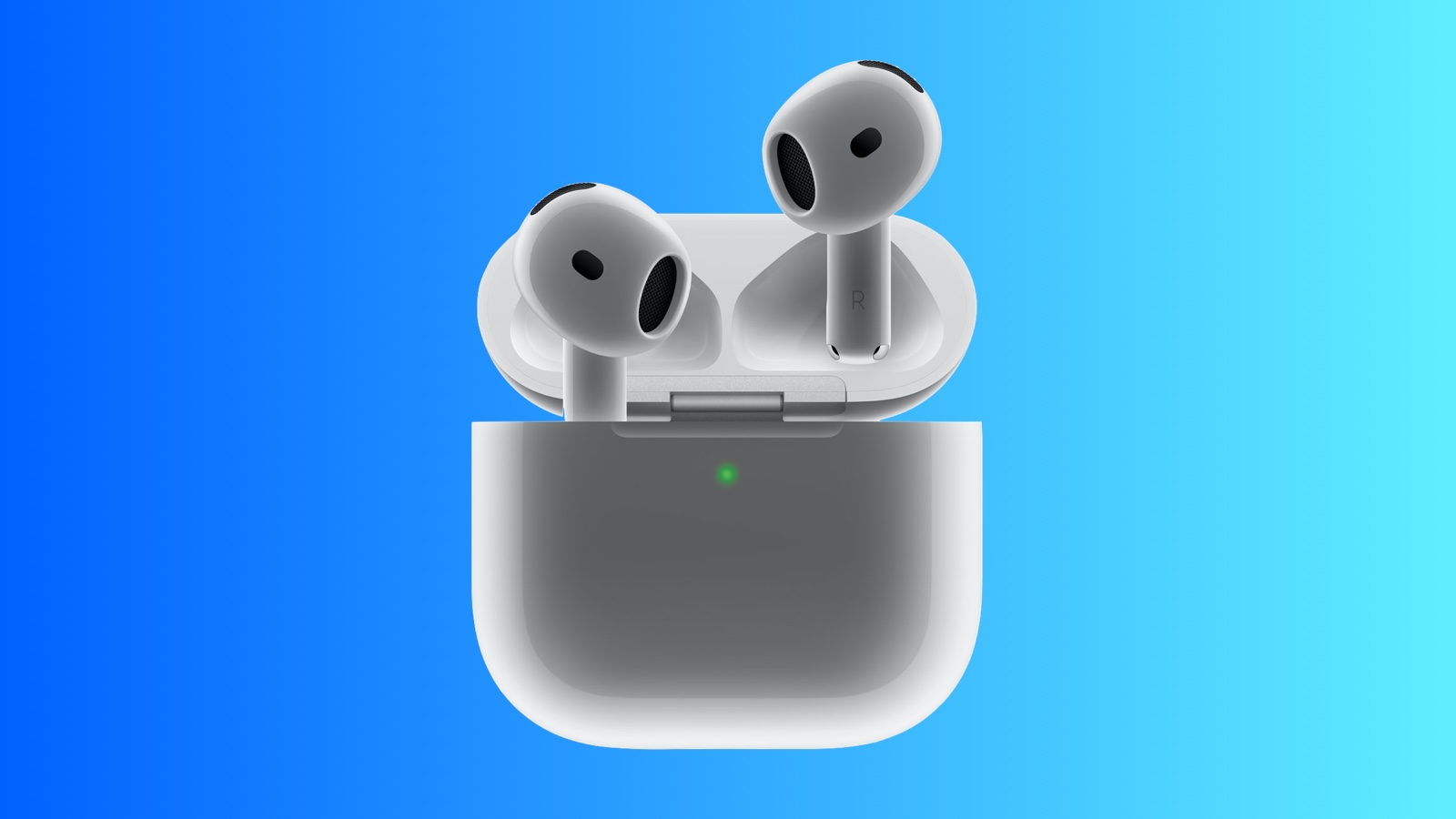
The most significant update to the AirPods family in recent years is the introduction of the AirPods 4. Replacing both the AirPods 2 and AirPods 3, this new generation splits the standard earbud category into two tiers: a base model and a model equipped with Active Noise Cancellation (ANC).
Standard vs. Active Noise Cancellation Models
For the first time, Apple has brought high-end features previously reserved for the “Pro” line into the open-ear design. The standard AirPods 4 serve as the new entry point, offering a redesigned acoustic architecture and the powerful H2 chip. However, the higher-tier AirPods 4 with Active Noise Cancellation represent the cutting edge of the most recent releases. These earbuds utilize computational audio to reduce environmental noise without the need for silicone ear tips. This is a technical feat, as creating an effective noise-canceling seal in an open-air design requires incredibly fast processing to counteract external frequencies.
The ANC model also includes a wireless charging case with a built-in speaker for “Find My” alerts, a feature that was once exclusive to the Pro series. This diversification allows users who dislike the “plugged” feeling of silicone tips to still enjoy a quieter commute or office environment.
Design Overhaul and the Quest for the Perfect Fit
The AirPods 4 feature a refined shape that Apple claims was developed using thousands of ear scans and millions of data points. The goal was to create a “universal” fit that remains secure during movement while maintaining comfort for long-term wear. The stems are shorter than previous generations, housing the force sensors for media control. Internally, the hardware has been rearranged to improve airflow, resulting in a more balanced sound profile with deeper bass and crisp highs.
The Pro Standard: AirPods Pro (2nd Generation) with USB-C
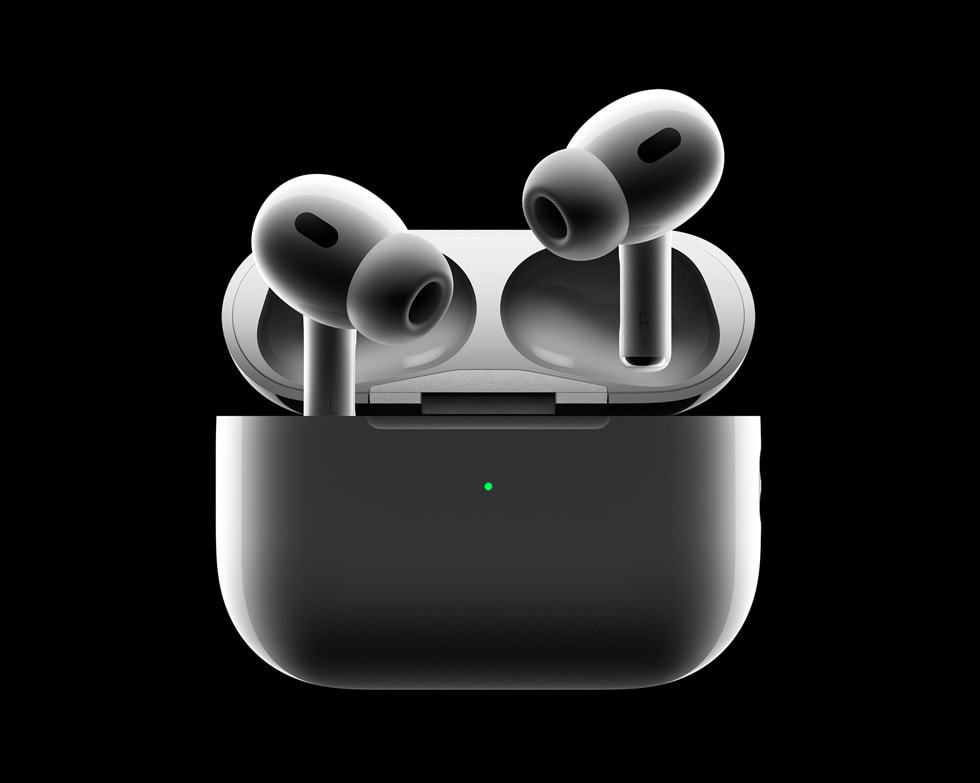
While the AirPods 4 are the newest in terms of release date, the AirPods Pro (2nd Generation) remains the flagship in-ear model. Originally launched with a Lightning port, the most recent version was updated in late 2023 to include a USB-C MagSafe Charging Case and additional dust resistance (IP54 rating).
The H2 Silicon Advantage
The AirPods Pro 2 are powered by the H2 chip, which enables “Adaptive Audio.” This feature intelligently blends Transparency mode and Active Noise Cancellation, adjusting the noise control based on the changing environment. For example, if you are walking down a quiet street that suddenly becomes noisy due to construction, the H2 chip increases the cancellation level instantly.
Furthermore, the most recent firmware updates for the Pro 2 have introduced “Conversation Awareness.” When the earbuds detect that the wearer has started speaking, they automatically lower the volume of the media and enhance the voices of people in front of the user. This level of automation highlights how Apple is positioning the AirPods Pro not just as headphones, but as intelligent wearable computers.
Hearing Health Integration
In a move that transcends traditional consumer electronics, the most recent updates to the AirPods Pro 2 include clinical-grade hearing health features. Through a software update compatible with the latest hardware, Apple has introduced a scientifically validated Hearing Test and a clinical-grade Hearing Aid feature. This allows users with mild to moderate hearing loss to use their AirPods Pro as a tool to enhance environmental sounds, marking a significant intersection between tech gadgets and medical-grade accessibility.
The Over-Ear Experience: The Updated AirPods Max
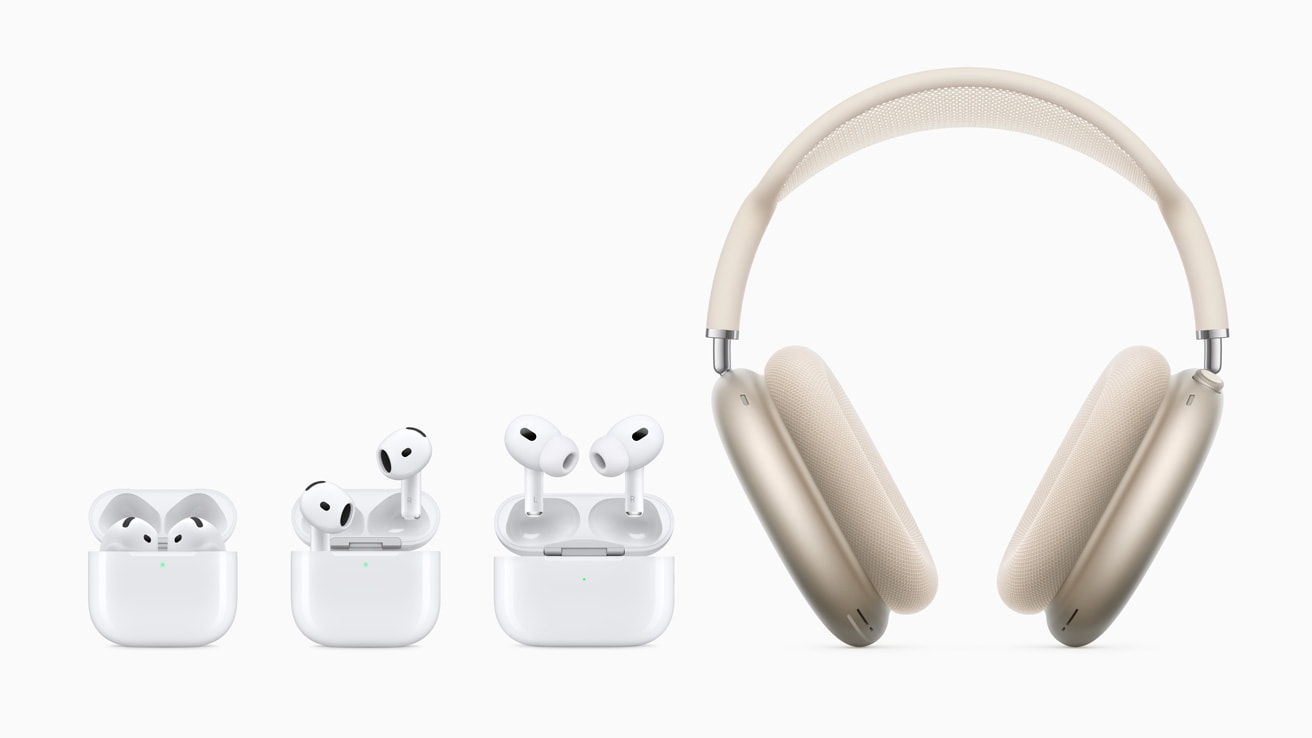
For those seeking the highest fidelity and the most immersive soundstage, the AirPods Max represent the pinnacle of the lineup. While the core internal audio components remain largely unchanged from the original launch, Apple released a “recent” refresh in September 2024 that brought the headphones into the modern era.
Moving to USB-C and New Colorways
The most notable change in the latest AirPods Max is the transition from the proprietary Lightning connector to USB-C. This change was necessitated by both consumer demand for a single-cable ecosystem and European regulatory requirements. Along with the port change, Apple introduced five new colors: Midnight, Starlight, Blue, Orange, and Purple.
While some enthusiasts were hoping for an “H2” chip upgrade in this refresh, the current AirPods Max still utilize dual H1 chips (one in each ear cup). Despite being older silicon, the H1 chips still provide enough processing power to handle Active Noise Cancellation, Transparency mode, and Spatial Audio with dynamic head tracking.
Still the King of Build Quality?
The AirPods Max continue to stand out in the premium market due to their material choices. While competitors often rely on plastic to reduce weight, Apple utilizes a breathable knit mesh canopy and an aluminum frame. This design choice provides a weight distribution that minimizes pressure on the head, though the headphones remain significantly heavier than their counterparts from Sony or Bose. The “most recent” version maintains this iconic silhouette, banking on the timelessness of its industrial design.
Comparing the Tech: Spatial Audio, Battery Life, and Connectivity
To understand the current state of AirPods, one must look at the technologies that unify the lineup. Apple has focused on a “feature-parity” strategy where even the entry-level models now share technologies that were revolutionary only a few years ago.
Personalized Spatial Audio and Dynamic Head Tracking
All recent models—AirPods 4, AirPods Pro 2, and AirPods Max—support Personalized Spatial Audio. By using the TrueDepth camera on an iPhone, users can create a personal profile for spatial audio that accounts for the unique geometry of their ears. This allows for a more accurate 3D soundstage when watching movies or listening to Dolby Atmos tracks. Dynamic head tracking ensures that the audio remains anchored to the device, creating a theater-like experience where sound seems to come from all around the user.
The MagSafe and USB-C Charging Ecosystem
The shift to USB-C is now complete across the entire AirPods line. The AirPods 4 (ANC model) and the AirPods Pro 2 both feature cases that support MagSafe and Qi-certified wireless chargers. Additionally, the AirPods 4 case is one of the smallest in the industry, making it incredibly pocketable without sacrificing total battery life. On average, the recent earbud models offer around 5 to 6 hours of listening time on a single charge, with the case providing an additional 24 to 30 hours of power.
Making the Choice: Which Recent AirPods Model Fits Your Lifestyle?
Selecting the right pair from the current lineup depends on your specific environment and physical preferences.
The AirPods 4 (Standard) are the ideal choice for users who want the latest tech at the lowest price point and who prefer an open-ear fit. They are perfect for casual listening and phone calls where being totally isolated from the environment isn’t a priority.
The AirPods 4 with Active Noise Cancellation are the “sweet spot” for many. They offer the portability and comfort of the standard model but provide enough noise reduction to make air travel or public transit much more bearable. This is the most innovative “recent” release because it brings ANC to a form factor that traditionally couldn’t support it.
The AirPods Pro (2nd Generation) remain the best all-around choice for commuters, travelers, and those who work in noisy offices. The silicone tips provide a passive seal that, combined with the H2 chip’s ANC, offers the best noise isolation in the earbud category. They also remain the only in-ear model with the full suite of hearing health features.
The AirPods Max (USB-C) are for the aesthetic-conscious user and the home listener. While they lack some of the H2-specific features like “Adaptive Audio,” their massive drivers and premium build provide a luxury experience that earbuds cannot replicate.
In summary, the “most recent” AirPods are the AirPods 4 and the refreshed AirPods Max. However, in the fast-moving world of Apple technology, being the newest doesn’t always mean being the most powerful. The AirPods Pro 2, despite being a year older than the AirPods 4, still hold the crown for the most advanced features and the best noise cancellation performance in the portable category. As Apple continues to merge software intelligence with custom silicon, the AirPods lineup remains the benchmark for how hardware and software can work in perfect harmony to define the modern audio experience.
aViewFromTheCave is a participant in the Amazon Services LLC Associates Program, an affiliate advertising program designed to provide a means for sites to earn advertising fees by advertising and linking to Amazon.com. Amazon, the Amazon logo, AmazonSupply, and the AmazonSupply logo are trademarks of Amazon.com, Inc. or its affiliates. As an Amazon Associate we earn affiliate commissions from qualifying purchases.