
In the hyper-competitive world of global retail, determining “the most popular shoe” is no longer a simple matter of tallying unit sales. In the modern era, popularity is a complex tapestry woven from cultural capital, brand equity, digital sentiment, and market saturation. To identify the frontrunner in today’s landscape, one must look past the storefront and examine the brand strategies that elevate a silhouette from a mere commodity to a cultural icon. Currently, the industry is witnessing a seismic shift where the dominance of heritage “mega-brands” is being challenged by performance-oriented newcomers and a revitalized interest in archival aesthetics.

The answer to what is the most popular shoe right now is a tale of two philosophies: the relentless pursuit of “cool” through archival resurgence, led by Adidas, and the rise of “utilitarian luxury,” spearheaded by brands like New Balance and On Running.
The Archival Renaissance: How Adidas Won the Battle for Mindshare
For several years, the footwear market was dominated by high-top basketball silhouettes and chunky “dad” aesthetics. However, the current leader in sheer brand momentum is the Adidas Samba, along with its sister silhouettes, the Gazelle and the Spezial. The rise of the Samba is a masterclass in brand strategy, demonstrating how a company can leverage its “terrace” heritage to capture a new generation of consumers.
The Strategy of Planned Ubiquity
The popularity of the Samba was not accidental. Adidas utilized a strategy of “controlled scarcity” followed by “mass-market saturation.” By first seeding the shoe through high-end collaborations—most notably with designer Grace Wales Bonner—Adidas established the silhouette as a luxury-adjacent fashion item. Once the “cool” factor was solidified among tastemakers, the brand ramped up production for general releases. This tiered approach allowed the shoe to maintain its prestige even as it became a staple on every city street.
Leveraging Cultural Nostalgia
The current consumer base, particularly Gen Z and Millennials, is increasingly drawn to “authentic” heritage. The Samba, originally designed in 1949, offers a sense of historical groundedness that new-age tech brands struggle to replicate. By leaning into its “Three Stripes” identity and the minimalist aesthetic of the mid-20th century, Adidas successfully positioned the shoe as an antidote to the over-designed, bulky footwear of the late 2010s.
The Rise of Utilitarian Luxury: New Balance and the Premium Pivot
While Adidas dominates the fashion-forward “clean girl” and “indie-sleaze” aesthetics, New Balance has secured its position as the most popular brand for the discerning, quality-conscious consumer. If the Samba represents style, the New Balance 2002R and the 550 represent a shift toward “utilitarian luxury”—shoes that signal status through comfort and understated design rather than loud logos.
Rebranding the “Dad Shoe”
New Balance’s greatest branding achievement has been the reclamation of the “uncool.” For decades, the brand was associated with suburban practicality. Through strategic partnerships with Aime Leon Dore and a focus on Made in USA/UK craftsmanship, New Balance pivoted its brand identity. They didn’t change their product; they changed the narrative surrounding it. They successfully convinced the global market that “comfort is the ultimate luxury,” making their grey-toned suede silhouettes some of the most sought-after items in the world.
The 550 and the Power of the Archive
The New Balance 550 is perhaps the most significant competitor to Nike’s dominance in the lifestyle space. By reviving an obscure basketball shoe from 1989, New Balance tapped into the vintage aesthetic that currently rules social media. The 550’s success lies in its versatility; it fits the “old money” aesthetic and the streetwear look simultaneously. This cross-demographic appeal is the holy grail of brand strategy, allowing a single product to achieve massive scale without losing its edge.

The Performance Disruptors: On Running and Hoka’s Market Capture
We cannot discuss the most popular shoe right now without addressing the rapid ascent of performance-first brands like On Running and Hoka. These brands have moved from the niche marathon circuit into the mainstream corporate and lifestyle sectors, challenging the traditional “lifestyle” brands for daily-wear dominance.
Brand Identity through Innovation
On Running, backed by the legendary Roger Federer, has built a brand identity centered on “Swiss Engineering.” Their CloudTec technology is not just a functional feature; it is a visual brand signature. When someone sees the unique “clouds” on the sole of a shoe, they immediately recognize the brand. This visual differentiation is a powerful tool in a saturated market. The On Cloud 5 has become the unofficial uniform of the modern professional, bridging the gap between the gym and the office.
The Community-Centric Marketing Model
Hoka’s popularity stems from a brilliant grassroots marketing strategy. By focusing on the “joy of movement” and inclusivity, Hoka built a loyal community before ever attempting to go “high fashion.” Their maximalist, oversized soles were initially mocked by the fashion elite, but the brand’s commitment to its core identity—supreme cushioning—eventually won over the masses. Today, Hoka is a multi-billion dollar brand because it prioritized brand integrity over fleeting trends.
The Nike Paradox: Maintaining Dominance Amidst Saturation
No discussion of footwear popularity is complete without Nike. While the brands mentioned above are currently holding the “momentum,” Nike remains the undisputed king of market share. However, the brand is currently navigating a “paradox of popularity.” The Nike Dunk Low (specifically the “Panda” colorway) has been the most visible shoe on the planet for the last three years, yet this very ubiquity has led to “brand fatigue” among trendsetters.
The Challenge of Over-Saturation
From a branding perspective, Nike is currently walking a tightrope. The Dunk and the Air Force 1 are consistent revenue drivers, but their over-availability has diminished their “hype” value. Nike’s current strategy involves shifting focus back to its “Air” technology and performance roots (such as the Alphafly and Pegasus lines) to remind consumers that they are, at their core, an innovation company, not just a lifestyle label.
Collaboration as a Brand Revitalizer
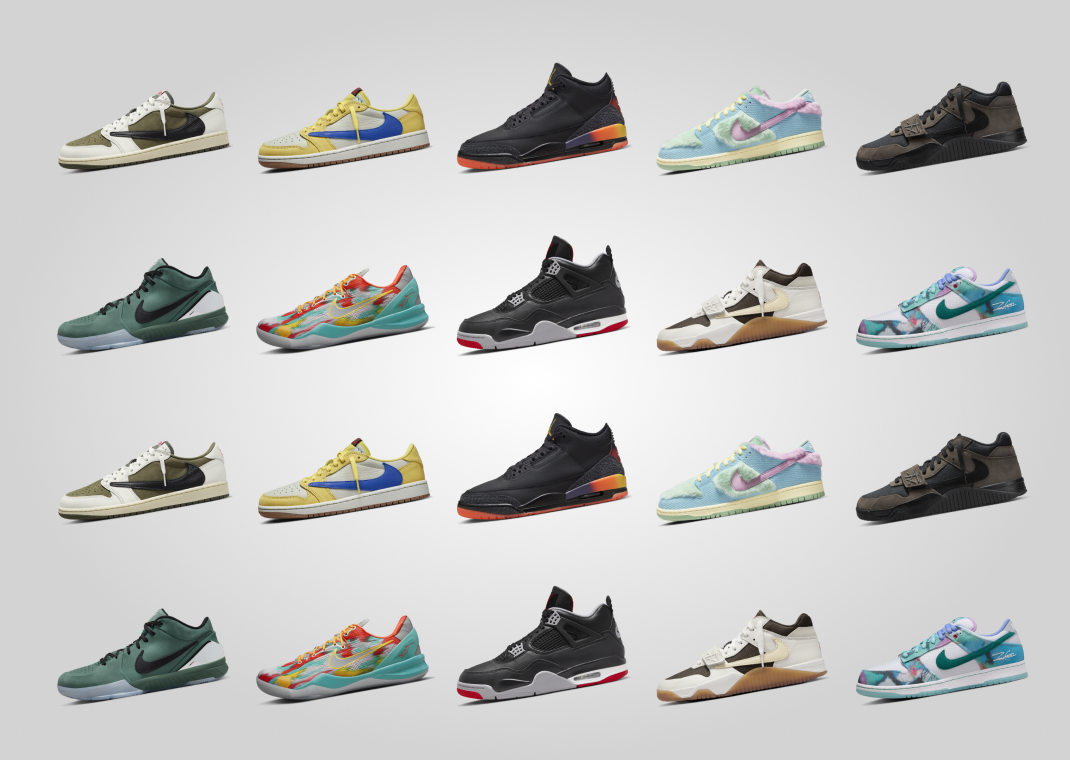
To combat fatigue, Nike continues to use collaborations as a “halo effect” for its core products. By working with entities like Travis Scott, Tiffany & Co., and Jacquemus, Nike injects excitement into its classic silhouettes. These limited-release “drops” are not meant to drive massive sales volume; they are designed to maintain the brand’s status as the ultimate arbiter of cool, ensuring that even if a consumer can’t buy the collaboration, they will buy the general release version of the same shoe.
Conclusion: The New Definition of “Popular”
The most popular shoe right now isn’t a single product; it is a reflection of the consumer’s desire for a specific brand narrative. If you value heritage and the “it-factor” of the moment, the Adidas Samba is the winner. If you value the intersection of craftsmanship and quiet luxury, New Balance holds the crown. If you are part of the growing movement toward health-conscious, tech-driven utility, On Running is the brand of choice.
In today’s market, popularity is no longer dictated solely by what is on the shelves of big-box retailers. It is dictated by brand stories that resonate with specific lifestyles. The brands that are winning are those that understand their “why”—whether it’s Adidas’s connection to subcultural history or New Balance’s commitment to quality. The most popular shoe right now is the one that best allows the consumer to signal their own identity and values to the world. As we move forward, the “winners” in the footwear industry will be those who can balance the delicate dance between being accessible to the masses while remaining aspirational to the elite.
aViewFromTheCave is a participant in the Amazon Services LLC Associates Program, an affiliate advertising program designed to provide a means for sites to earn advertising fees by advertising and linking to Amazon.com. Amazon, the Amazon logo, AmazonSupply, and the AmazonSupply logo are trademarks of Amazon.com, Inc. or its affiliates. As an Amazon Associate we earn affiliate commissions from qualifying purchases.