
The realm of elite sports is often synonymous with immense financial outlay, a truth that becomes starkly apparent when examining the world’s most costly athletic pursuits. The question of “what is the most expensive sport” isn’t merely about the price of a single piece of equipment; it delves into an intricate web of expenditures spanning technology, human capital, infrastructure, and ongoing operational costs. From the initial investment required to participate to the astronomical sums needed to compete at the highest professional levels, these sports represent a unique intersection of passion, competition, and staggering financial commitment. For individuals, teams, and even nations, engaging in these sports necessitates a robust financial strategy, meticulous budgeting, and often, substantial personal or corporate wealth.
Deconstructing the Price Tag: Core Cost Categories
Understanding the financial architecture of the world’s most expensive sports requires a breakdown of their primary cost drivers. These aren’t just hobbies; they are sophisticated enterprises that demand continuous, significant investment across several key areas.
The Investment in Elite Equipment and Technology
At the heart of many ultra-expensive sports lies highly specialized, cutting-edge equipment. Unlike mass-produced consumer goods, these items are often custom-built, leveraging advanced materials science, aerospace engineering, and proprietary software. Consider the development of a Formula 1 car, a state-of-the-art America’s Cup yacht, or a top-tier thoroughbred racehorse. Each represents years of research and development, employing hundreds of engineers, designers, and artisans. The cost of carbon fiber, titanium alloys, bespoke engines, or sophisticated hydrofoils alone can run into the tens of millions. Beyond initial acquisition, there are continuous costs associated with maintenance, upgrades, and replacement of parts, which are often subject to extreme wear and tear or rapid obsolescence due to technological advancements. This isn’t merely about buying a piece of gear; it’s about investing in a continuous cycle of innovation and refinement that pushes the boundaries of performance, driving costs sky-high.
Human Capital: Coaching, Training, and Support Teams
While equipment costs are substantial, the human element of elite sports also commands a premium. Athletes in these disciplines require world-class coaching, often involving multiple specialists for physical conditioning, mental fortitude, strategy, and technical skills. These coaches and trainers are themselves highly sought-after experts, commanding significant salaries. Beyond the athlete’s immediate coaching staff, there’s an entire ecosystem of support personnel: mechanics, physiotherapists, nutritionists, data analysts, logistics coordinators, and even media relations specialists. For a professional Formula 1 team, this can mean hundreds of highly skilled individuals, each earning a professional salary, plus travel and accommodation expenses for a global racing calendar. Similarly, an America’s Cup syndicate employs dozens of top-tier sailors, designers, boat builders, and shore crew for multi-year campaigns. Managing and compensating such an extensive and specialized workforce is a significant portion of the overall budget, ensuring peak performance and operational excellence.
Operational Logistics and Infrastructure
The act of participating in these sports extends far beyond the moment of competition. Operational logistics are incredibly complex and expensive. Transporting highly specialized equipment, such as an F1 car, a large racing yacht, or multiple thoroughbred horses, across continents requires dedicated freight services, often via air cargo. Securing prime training facilities, private tracks, or exclusive dockyard access also incurs significant fees. Furthermore, the global nature of elite competition means constant travel and accommodation expenses for athletes, support teams, and sometimes even equipment, often requiring extended stays in various locations. Membership fees at elite clubs, insurance policies covering multi-million dollar assets and personnel, and event entry fees further add to the recurring financial burden. For team-based sports, the cost of developing and maintaining a headquarters, R&D facilities, and dedicated workshops compounds these expenses, creating an infrastructure overhead that is vital for competitive advantage.
Top Contenders for the Title: A Financial Deep Dive
While many sports can be expensive at certain levels, a select few stand out due to their inherently astronomical costs, making them the leading candidates for the “most expensive” title.
Formula 1 Racing: A Billion-Dollar Spectacle
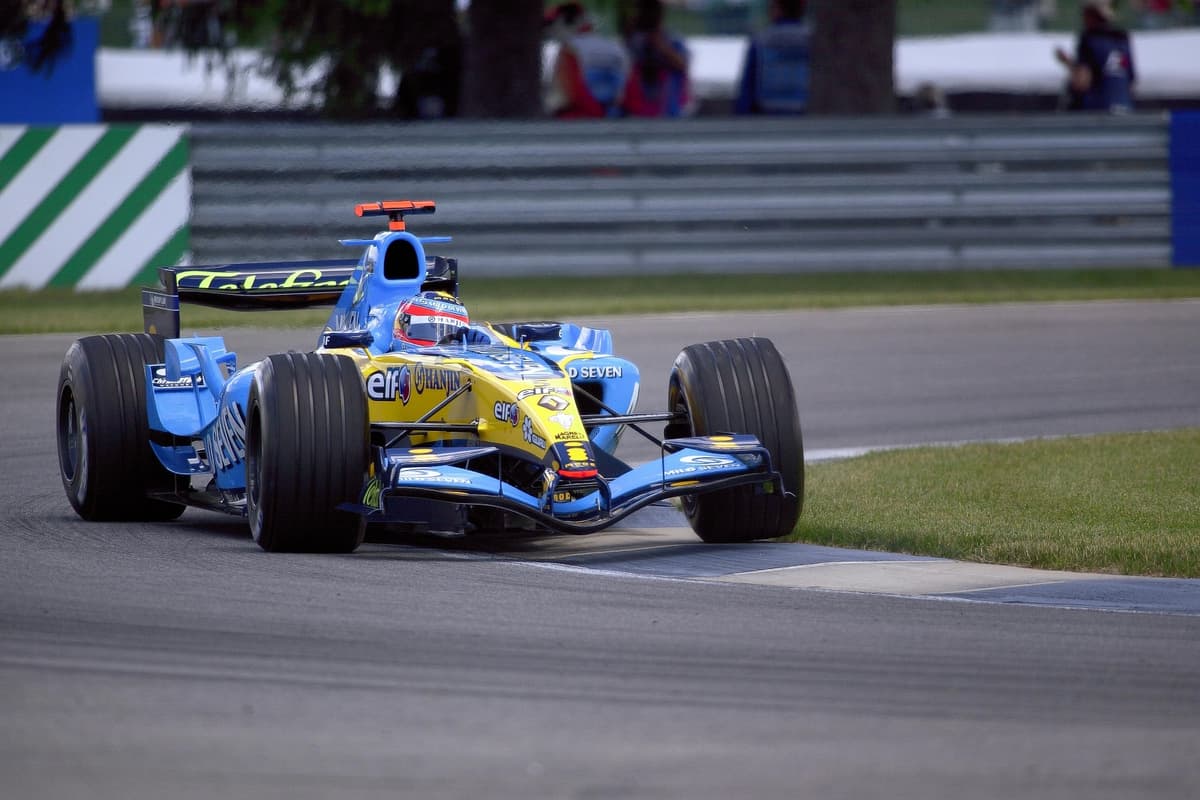
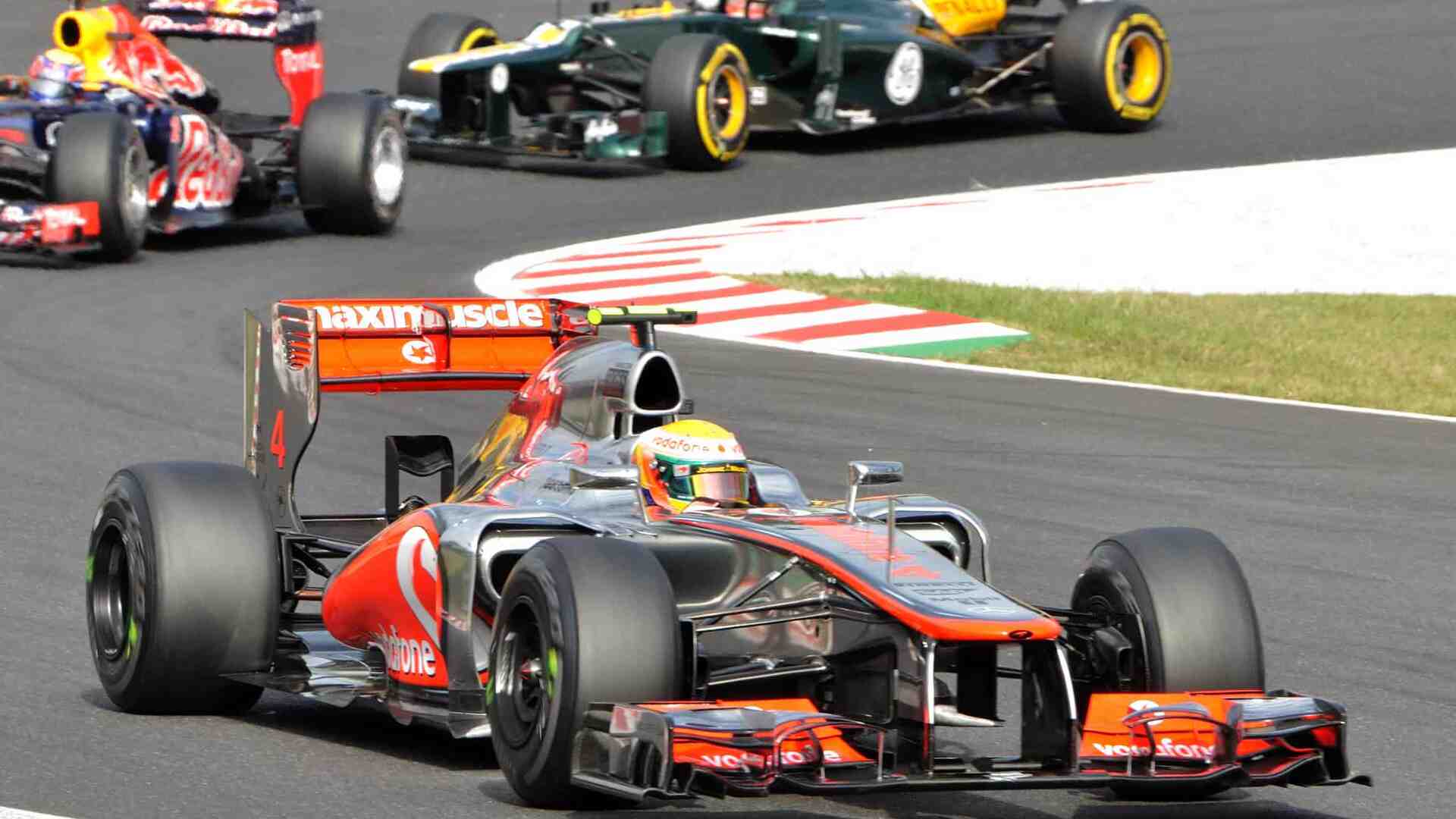
Formula 1 racing arguably sits at the pinnacle of sports expenditure. The annual budget for a top-tier F1 team can easily exceed $300-$400 million, and that’s just for a single season of competition. This sum covers:
- Research and Development: Teams pour hundreds of millions into designing, testing, and refining their cars. This includes aerodynamic studies, engine development, chassis construction using exotic materials, and sophisticated electronics. Each car is a prototype, and thousands of components are replaced or upgraded throughout the season.
- Personnel: As noted, F1 teams employ hundreds of engineers, mechanics, strategists, and support staff. Salaries for top personnel can be exceptionally high.
- Logistics: Transporting two F1 cars, spare parts, equipment, and hundreds of personnel across 20+ global races annually is a colossal logistical undertaking, costing tens of millions.
- Engine Supply: Even customer teams pay significant sums to engine manufacturers for their power units.
- Driver Salaries: While not part of the team’s operational cost in the same way, top drivers command salaries of $20-$50 million or more per year, financed by the team or sponsors.
- Testing: Though limited, track testing and simulation further add to the expense.
For individuals aspiring to become F1 drivers, the journey itself is a multi-million-dollar endeavor, starting from karting, through junior formulae like Formula 4, Formula 3, and Formula 2, with each step costing significantly more than the last, often relying on wealthy family backing or early career sponsorship deals.
America’s Cup Sailing: Naval Engineering at Its Peak
The America’s Cup is not just a yacht race; it’s a technology and design battle that can dwarf the budgets of many national navies for its duration. A single America’s Cup campaign can cost upward of $100-$250 million, and sometimes even more, for a multi-year cycle. Key expenses include:
- Yacht Design and Construction: Each iteration of the Cup features cutting-edge boats (like the AC75 foiling monohulls). Designing and building these vessels involves top naval architects, engineers, and composite specialists, using advanced materials and proprietary software. Prototypes and testing vessels are also built.
- Team Personnel: A syndicate will employ dozens, if not hundreds, of designers, engineers, shore crew, and a professional sailing team. These are world-class experts commanding premium salaries for multi-year contracts.
- Research and Development: Hydrodynamics, aerodynamics, foil design, and sail technology are continuously innovated. Wind tunnel testing, computational fluid dynamics (CFD), and countless hours of simulation are crucial and costly.
- Logistics: Transporting multi-ton, highly delicate yachts and their associated equipment across oceans, setting up bespoke shore bases, and providing full logistical support for the team is a massive undertaking.
- Campaign Duration: Campaigns often span several years between races, meaning continuous operational costs without immediate returns.
Thoroughbred Racing and Polo: Equine Excellence Demands Premium
Equestrian sports, particularly thoroughbred racing and high-goal polo, are extraordinarily expensive due to the unique nature of their “equipment”—highly specialized, live animals.
-
Thoroughbred Racing:
- Horse Acquisition: A top-tier thoroughbred yearling can be purchased at auction for millions of dollars, with some breaking into the tens of millions (e.g., Fusaichi Pegasus sold for $70 million as a stallion). Breeding operations are equally costly.
- Training and Care: Stabling, feed, veterinary care, farrier services, and professional training all add up. Training fees alone can be thousands per month per horse.
- Jockey Fees: While jockeys earn prize money, their initial riding fees are also a significant expense.
- Entry Fees and Insurance: Competing in prestigious races carries substantial entry fees, and insuring a multi-million dollar animal is a necessity.
- Breeding Costs: Maintaining stallions and mares, covering fees, and managing foals contributes to an ongoing cycle of investment.
-
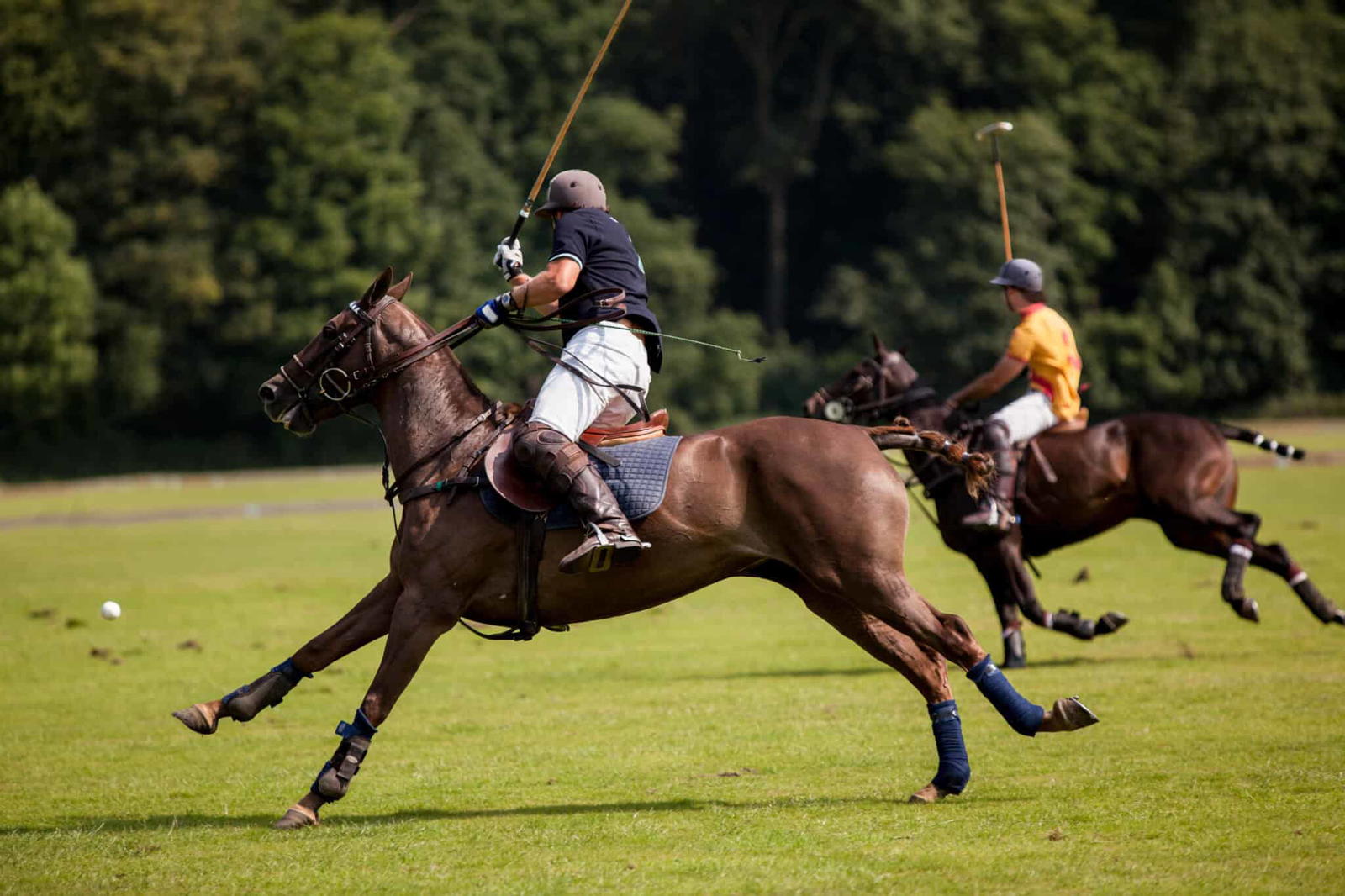
Polo: Often referred to as the “sport of kings,” polo is expensive primarily due to the requirement for multiple high-quality polo ponies.
- Pony Acquisition: A single trained high-goal polo pony can cost anywhere from $50,000 to several hundred thousand dollars, with elite ponies fetching over a million. Players typically need a “string” of 4-8 ponies per game, meaning an initial investment of hundreds of thousands, if not millions, per player.
- Pony Care: Like racehorses, polo ponies require extensive care, including stabling, feed, veterinary attention, farriers, and specialized grooms.
- Equipment: Specialized saddles, bridles, and protective gear for each pony.
- Club Memberships and Tournament Fees: High-end polo clubs and major tournament entries carry substantial fees.
- Travel: Transporting multiple ponies and equipment to different venues is a logistical and financial challenge.
Beyond Participation: The Economic Ecosystem of Elite Sports
The financial implications of these sports extend beyond the direct costs of participation, creating a complex economic ecosystem.
Sponsorships, Endorsements, and Financial Backing
For many professional teams and athletes in these ultra-expensive sports, direct personal wealth is insufficient. Success hinges on securing significant corporate sponsorships and endorsements. Companies are willing to invest tens or hundreds of millions to associate their brands with the prestige, technology, and global reach of Formula 1, America’s Cup, or elite equestrian events. This creates a symbiotic relationship: sponsors gain unparalleled brand exposure, while teams gain the critical funding necessary to innovate and compete. Understanding and leveraging this sponsorship market is a core financial strategy for any top-tier team or athlete. Wealthy individuals or consortiums also often act as owners or primary benefactors, essentially investing vast personal fortunes into their passion.
The Return on Investment (ROI) – Or Lack Thereof
From a purely financial perspective, the “return on investment” in these sports can be highly variable and often non-existent in traditional terms, especially for private individuals or owners. For teams, prize money and broadcasting rights can offset some costs, but rarely cover the entire expenditure. The primary return is often intangible: prestige, technological advancement, brand building for sponsors, or personal satisfaction for owners. For aspiring athletes, the ROI is a high-stakes gamble on a professional career that, for the lucky few, can lead to multi-million dollar salaries and endorsements. For most, however, the financial journey through the junior ranks is a significant personal or family investment with little monetary payback.
Exclusive Memberships and Lifestyle Costs
Even for spectators or amateur enthusiasts of these sports, the “expense” can be substantial. Attending Grand Prix races, America’s Cup events, or high-goal polo matches often involves premium tickets, hospitality packages, and international travel. Ownership of private jets, superyachts, or sprawling equestrian estates, while not a direct cost of the sport itself, often accompanies the lifestyle of those who participate or heavily invest in these most expensive athletic pursuits. Access to exclusive clubs, private training grounds, and bespoke equipment suppliers further reinforces the perception and reality of these sports as a domain accessible primarily to the ultra-wealthy.
Navigating the Financial Gates: Strategies for Entry
For those aspiring to enter or compete in these highly exclusive financial arenas, strategic financial planning is paramount.
From Junior Leagues to Professional Ranks: Funding the Ascent
For athletes, the path to the top of sports like Formula 1 is a financial ladder. Each step up, from karting to F4, F3, and F2, requires increasingly larger budgets, often scaling from tens of thousands to millions of dollars per season. Families often mortgage homes, seek micro-sponsorships, or rely on significant generational wealth to fund these crucial developmental years. Identifying talent early and attracting early-stage corporate or individual investors is a critical, yet difficult, financial hurdle. Scholarships or academy programs from manufacturers (e.g., Red Bull Junior Team, Ferrari Driver Academy) offer a rare, highly coveted, and financially supported pathway.
Wealth Management and Financial Planning for Athletes and Owners
For professional athletes and wealthy owners in these sports, sophisticated wealth management strategies are essential. This includes managing multi-million dollar salaries, prize money, and endorsement deals, tax planning across multiple jurisdictions, and making sound investment decisions to secure future financial stability. Owners of teams or multi-million dollar assets (like racehorses or yachts) must manage depreciation, insurance, and the complex financial structures of their sporting enterprises. The financial world of elite sports is not just about spending; it’s about shrewd financial stewardship, strategic investment, and navigating an economic landscape as competitive and demanding as the sports themselves.
aViewFromTheCave is a participant in the Amazon Services LLC Associates Program, an affiliate advertising program designed to provide a means for sites to earn advertising fees by advertising and linking to Amazon.com. Amazon, the Amazon logo, AmazonSupply, and the AmazonSupply logo are trademarks of Amazon.com, Inc. or its affiliates. As an Amazon Associate we earn affiliate commissions from qualifying purchases.