
When discussing the most expensive items in the world, we often think of real estate, fine art, or rare gemstones. However, the botanical world hosts its own luxury asset class. Certain flowers command astronomical price tags due to their extreme rarity, the difficulty of their cultivation, or the specific historical conditions that contributed to their prestige. For the astute investor or the high-net-worth collector, understanding the valuation of these biological assets requires a dive into the economics of scarcity and the prestige economy.
The Kinabalu Gold Orchid: A Masterclass in Rarity
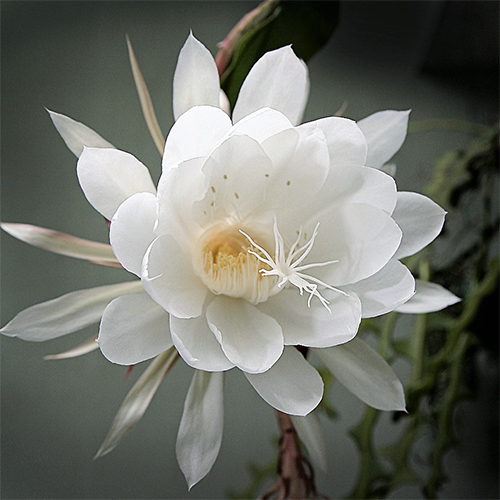
At the pinnacle of botanical valuation sits the Shenzhen Nongke Orchid, but in the realm of naturally occurring rarities, the Rothschild’s Slipper Orchid—often referred to as the Kinabalu Gold—remains a financial anomaly. Discovered in the Kinabalu National Park in Malaysia, this flower is not merely a plant; it is a long-term investment in patience and biological exclusivity.
The Economics of Maturity
The primary driver of the Kinabalu Gold’s price, which can reach upward of $5,000 to $6,000 per plant on the black market or specialized auctions, is the time-to-bloom ratio. This orchid takes anywhere from 12 to 15 years to produce its first set of flowers. In financial terms, this represents a significant “carrying cost.” Investors who manage to cultivate these flowers are essentially locking up capital in a biological asset that offers no dividends for over a decade. The risk of crop failure, environmental sensitivity, and the poaching threat creates a high barrier to entry, naturally inflating the market value for those few specimens that make it to the open market.
Market Volatility and Legal Constraints
The Kinabalu Gold is an endangered species. Its trade is heavily restricted by international law, including CITES (Convention on International Trade in Endangered Species of Wild Fauna and Flora). This creates a bifurcated market: a legal, highly regulated market for certified breeders, and a volatile, high-risk illicit market. When a commodity is subject to strict supply-side restrictions, its value is dictated almost entirely by the intensity of demand from private collectors who view these flowers as status symbols that transcend traditional financial portfolios.
The Shenzhen Nongke Orchid: The Synthetic Peak
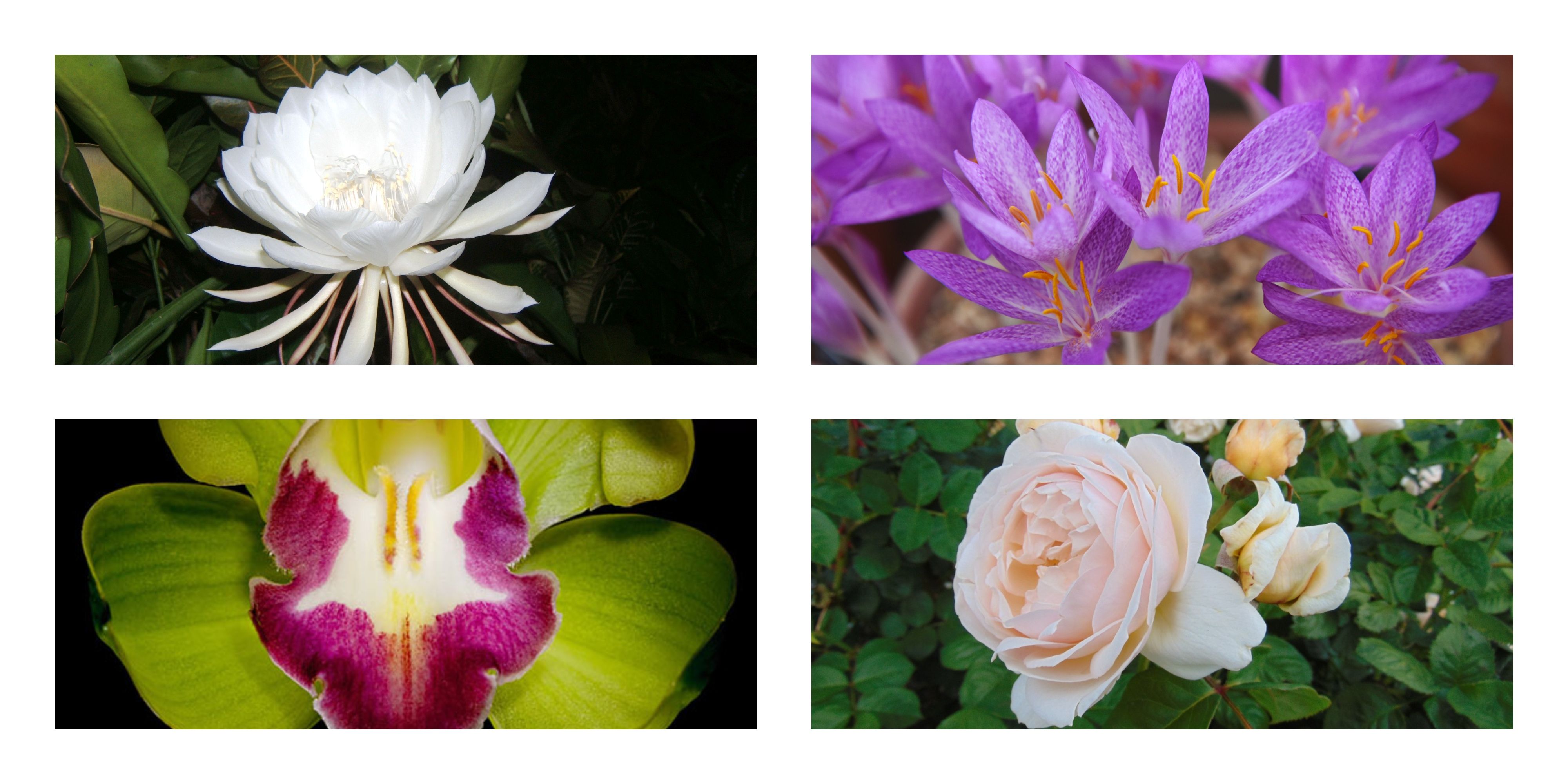
If the Kinabalu Gold represents organic scarcity, the Shenzhen Nongke Orchid represents the intersection of corporate branding, synthetic biology, and luxury asset pricing. Created in a lab by agricultural researchers in China, this orchid holds the title for the most expensive flower ever sold at auction, fetching a staggering price of approximately $200,000 in the early 2000s.
R&D as a Value Driver
Unlike traditional flowers, the Shenzhen Nongke was the product of eight years of intensive laboratory research. The cost basis for this flower includes the salaries of top-tier scientists, the overhead of controlled-environment facilities, and the speculative value of an “intellectual property” botanical product. When investors pay for this flower, they are not just paying for the petals; they are paying for the technological labor and the R&D cycle required to bring it into existence. This is a quintessential example of how technological innovation can disrupt traditional agricultural markets, creating a premium product where none previously existed.
Branding and Prestige Economics
The exorbitant price paid at auction was a strategic move in corporate branding. For the corporation that developed it, the sale served as a marketing signal of their prowess in the field of plant genetics. In the luxury market, price is often a function of signaling. By setting a record-breaking price point, the developers cemented the flower’s status as a “Veblen good”—a type of luxury product for which demand increases as the price increases, because the price itself is a marker of exclusivity and wealth.
Historical Market Crashes: The Tulip Mania Case Study
To understand the financial implications of high-value flowers, one must look at the Dutch Tulip Mania of the 1630s. This period remains the most cited example of a speculative bubble in the history of finance, providing a cautionary tale for any investor looking at biological assets as a store of value.
The Mechanics of the Bubble
At the peak of Tulip Mania, a single bulb of the Semper Augustus tulip could cost as much as a luxury home in Amsterdam. The market shifted from a trade of goods to a trade of futures contracts—essentially a primitive derivatives market. Investors were not buying the flower to admire its beauty; they were buying the contract for the right to harvest the bulb in the future, gambling that the market price would continue to climb.
Lessons for the Modern Collector
The collapse of the tulip market reminds us that when a commodity’s value becomes decoupled from its utility (in this case, aesthetic beauty or scientific utility) and moves entirely into the realm of speculative price appreciation, a correction is inevitable. Today’s market for rare orchids and exotic flora is niche, but the underlying psychology remains the same. When an item becomes a vehicle for capital growth rather than a consumption good, it becomes susceptible to market shocks, liquidity crises, and the sudden evaporation of “perceived value.”
Strategic Acquisition of Botanical Assets
For those considering the inclusion of rare flora in an alternative investment portfolio, it is essential to distinguish between the aesthetic collector and the asset manager.
Risk Mitigation and Insurance
High-end botanical assets are highly perishable. Unlike gold bullion, which can be stored in a vault for decades, an orchid requires precise climate, nutrition, and pest control. The cost of insurance for these assets is significant, and the risk of biological loss (disease or death of the plant) is constant. Investors must account for these operational expenses when calculating the potential Return on Investment (ROI).
The Role of Provenance
In the world of high-value flowers, provenance is everything. Documentation detailing the lineage, the laboratory of origin, and the history of ownership is what keeps a rare specimen within the high-valuation bracket. Without a verifiable paper trail, the value of a rare orchid can plummet, as it becomes impossible to differentiate a rare genetic variant from a common, mass-produced lookalike. Investors looking for a return on these biological assets must prioritize transparency, certification, and professional storage logistics.
The Future of High-Value Flora
As biotechnology advances, the barrier to creating “designer flowers” will decrease. We are moving toward a future where we may see gene-edited flora with unique colors, fragrances, or bloom cycles that are patented as intellectual property. This shift will move the most expensive flowers from the category of “rare natural occurrence” to “proprietary tech asset.” Investors who track advancements in agricultural biotechnology may find new opportunities in the intellectual property rights surrounding these future botanical innovations, rather than just the physical plants themselves.
Final Valuation Thoughts
The “most expensive flower” is a moving target. It shifts between the rare, wild-grown orchid that tests the limits of biological patience, and the lab-grown masterpiece that reflects the zenith of corporate research and development. While these flowers offer a unique aesthetic and social reward, they remain high-risk, illiquid, and incredibly demanding assets. For the average investor, they represent a fascination with the intersection of nature and money—a reminder that value, even in the organic world, is determined by the complex interplay of scarcity, human desire, and the sophisticated mechanisms of the global market.
aViewFromTheCave is a participant in the Amazon Services LLC Associates Program, an affiliate advertising program designed to provide a means for sites to earn advertising fees by advertising and linking to Amazon.com. Amazon, the Amazon logo, AmazonSupply, and the AmazonSupply logo are trademarks of Amazon.com, Inc. or its affiliates. As an Amazon Associate we earn affiliate commissions from qualifying purchases.