
Cataract surgery, a common and highly effective procedure, offers millions a renewed sense of sight each year. While the surgery itself is often covered substantially by insurance, the post-operative regimen—particularly the necessary eye drops—can introduce an unexpected and significant financial burden. Identifying the “most expensive” eye drop isn’t straightforward, as costs fluctuate based on numerous variables, including insurance coverage, geographic location, pharmacy pricing, and specific brand formulations. However, understanding the financial drivers behind these costs is crucial for patients navigating their post-surgical recovery. This article delves into the financial landscape of post-cataract eye drops, exploring what makes certain options costly and how patients can manage these expenses.

Understanding the Post-Cataract Surgery Pharmaceutical Landscape
Successful cataract surgery extends beyond the operating room; it relies heavily on a precise regimen of post-operative eye drops. These medications are not optional; they are vital for preventing complications, controlling inflammation, and ensuring optimal healing and visual outcomes. From a financial perspective, this necessity creates a specific market dynamic that influences pricing.
The Necessity of Post-Operative Eye Drops
Immediately following cataract surgery, the eye is in a delicate state, prone to inflammation and infection. Eye drops serve several critical functions:
- Preventing Infection: Antibiotic drops are prescribed to ward off bacterial infections, which, if unchecked, could lead to severe vision loss.
- Controlling Inflammation: Steroid and non-steroidal anti-inflammatory drugs (NSAID) drops reduce swelling and discomfort, accelerating the healing process and preventing complications like cystoid macular edema.
- Promoting Healing and Comfort: Lubricating drops or artificial tears may be recommended to alleviate dryness and support the ocular surface’s recovery.
The absolute necessity of these medications means that patients typically cannot forgo them due to cost without risking their surgical outcome, placing them in a position where managing the financial aspect becomes paramount.
Categories of Post-Surgical Eye Drops and Their General Costs
The typical post-cataract regimen involves at least two primary types of drops, often for several weeks:
- Antibiotics: These target potential bacterial growth. Examples include moxifloxacin (Vigamox, Moxeza) or gatifloxacin (Zymaxid, Zymar). Generic versions of older antibiotics are relatively inexpensive, but newer, broader-spectrum branded options can be significantly pricier.
- Anti-inflammatories: This category includes corticosteroids (e.g., Pred Forte, Durezol, Lotemax) and NSAIDs (e.g., Prolensa, Ilevro, Bromday). Steroids are powerful inflammation suppressors, while NSAIDs can be used alone or in conjunction with steroids. Both categories have high-cost brand-name drugs, especially those with advanced delivery systems or once-daily dosing.
- Combination Drops: Some formulations combine an antibiotic and a steroid into a single drop (e.g., TobraDex, Zylet). While convenient, these often carry a premium price due to the dual active ingredients and patented formulations.
- Tear Substitutes/Lubricants: While often over-the-counter, certain prescription dry eye drops may be recommended. Preservative-free artificial tears, often sold in single-use vials, can accumulate significant costs over weeks of use.
The cost disparity between generic and brand-name medications is a recurring theme in pharmaceutical finance, and it is particularly pronounced in post-operative care where efficacy and compliance are critical.
Pinpointing the “Most Expensive”: Factors Driving High Costs
Identifying a single “most expensive” eye drop is challenging because a combination of market forces, pharmaceutical strategies, and individual patient circumstances dictates the final price. However, several key factors consistently drive certain medications to the higher end of the cost spectrum.
Brand Name vs. Generic Medications
The fundamental difference in cost often lies between brand-name and generic drugs.
- Brand Name Premiums: Pharmaceutical companies invest heavily in research, development, clinical trials, and marketing for new drugs. To recoup these costs and generate profit, they are granted patents, allowing them to be the sole manufacturer and set premium prices for a period. Drugs like Durezol (difluprednate ophthalmic emulsion) or Prolensa (bromfenac ophthalmic solution) have historically been very expensive as brand-name products, commanding prices well into the hundreds of dollars per bottle without insurance.
- Generic Availability: Once a patent expires, other manufacturers can produce generic versions. These generics contain the same active ingredients, dosage, safety, strength, route of administration, quality, and performance characteristics as the brand-name drug, but are typically significantly cheaper due to lower R&D costs and market competition. The introduction of generic difluprednate, for instance, dramatically reduced the cost for many patients.
Advanced Formulations and Delivery Systems
Innovation in drug delivery can also inflate costs.
- Extended-Release/Once-Daily Dosing: Drops designed for less frequent dosing, such as once-daily formulations, can be more expensive per bottle. The convenience and improved compliance offered by these advanced systems contribute to their premium pricing.
- Preservative-Free Options: For patients with sensitivities or prolonged treatment courses, preservative-free drops are often recommended. Manufacturing and packaging these sterile, single-use vials are more costly than multi-dose bottles containing preservatives, leading to a higher price point per dose.
- Combination Drugs: As mentioned, a single bottle containing both an antibiotic and a steroid simplifies the regimen but typically comes with a higher price tag than purchasing the two active ingredients separately as generics.
Pharmaceutical Pricing Strategies
The pharmaceutical industry employs complex pricing strategies influenced by market demand, competition, and regulatory environments.
- Specialty Drug Status: Post-surgical eye drops are often considered “specialty” medications due to their targeted use and critical nature, which can allow for higher pricing compared to more common drugs.
- Limited Competition: For newer, patented drugs with unique mechanisms of action or superior efficacy, there may be limited competition, allowing the manufacturer to maintain high prices.
- Regional and National Pricing Disparities: Drug prices can vary significantly between countries due to different healthcare systems, negotiation practices, and regulatory frameworks. Even within a single country, prices can differ between pharmacies and regions.
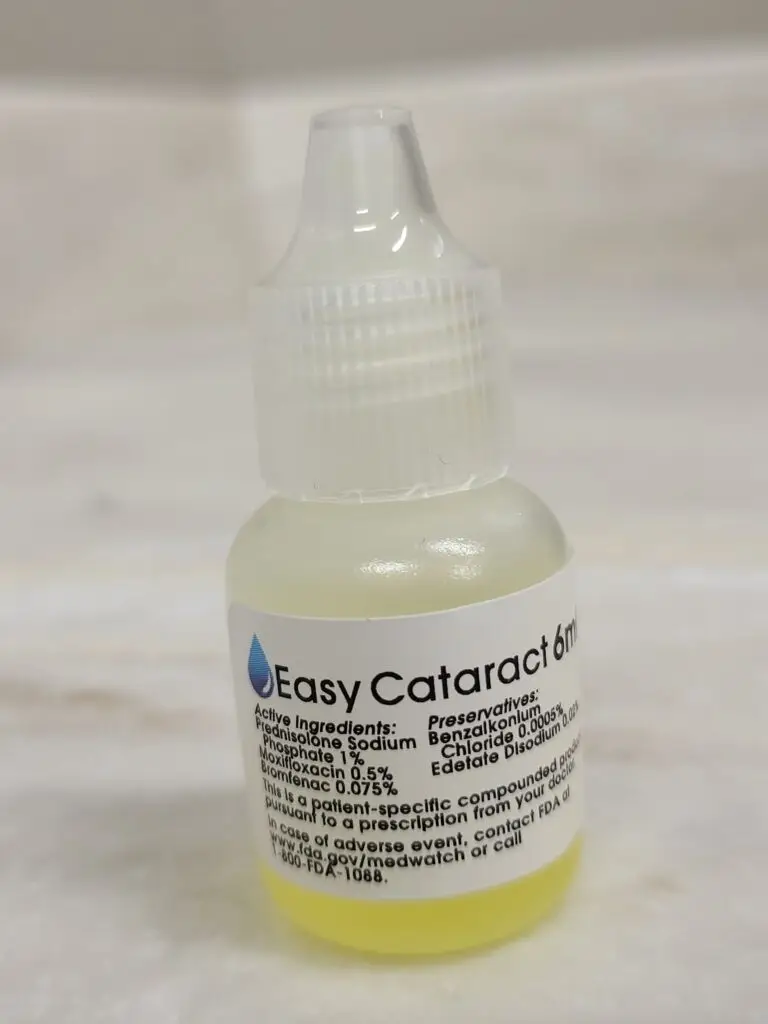
Specialty Compounded Medications
In rare instances, a standard eye drop may not be suitable, and a compounding pharmacy might create a custom formulation. These individualized medications are often significantly more expensive due to the specialized preparation, lack of bulk production, and unique ingredients. While not a routine post-cataract medication, they represent the apex of drug expense in certain niche scenarios.
The Financial Burden: Beyond the Sticker Price
The sticker price of a single bottle of eye drops is only one aspect of the financial burden. The true cost extends to insurance implications, potential for complications due to non-adherence, and long-term financial consequences.
Insurance Coverage and Out-of-Pocket Expenses
Even with robust health insurance, patients can face substantial out-of-pocket costs for post-operative eye drops.
- Deductibles, Co-pays, and Co-insurance: Patients with high-deductible health plans (HDHPs) may pay the full cash price until their deductible is met. Co-pays for specialty or brand-name drugs can range from tens to hundreds of dollars per prescription. Co-insurance, a percentage of the drug’s cost, can also be substantial for expensive medications.
- Formulary Tiers: Insurance companies categorize drugs into tiers, with preferred generics on lower tiers (lowest cost) and non-preferred brand names or specialty drugs on higher tiers (highest cost). A post-operative drop that falls into a higher tier can result in significant patient responsibility.
- Prior Authorization: Some expensive drugs require prior authorization from the insurer, proving medical necessity before coverage is granted. This adds administrative hurdles and can delay access to medication.
The Cost of Non-Adherence
Perhaps the most significant hidden financial burden is the potential cost of not taking prescribed eye drops due due to their expense.
- Risk of Complications: Skipping doses or discontinuing medication early to save money dramatically increases the risk of post-surgical complications such as infection, severe inflammation, cystoid macular edema, or even retinal detachment.
- Increased Medical Costs: Treating these complications can involve additional office visits, emergency room visits, prolonged courses of even more expensive medications, or even secondary surgeries. These costs can easily dwarf the initial price of the prescribed eye drops, leading to a far greater financial outlay and potentially irreversible vision damage.
Ancillary Costs and Long-Term Financial Implications
Poor outcomes due to non-adherence can lead to a cascade of financial consequences.
- Lost Productivity: Impaired vision due to complications can lead to lost workdays or reduced earning capacity.
- Reduced Quality of Life: The financial strain combined with visual impairment can negatively impact a patient’s overall well-being and independence, creating intangible but real costs.
Strategies for Managing Post-Cataract Eye Drop Costs
Given the critical nature and potential expense of post-cataract eye drops, proactive financial management is essential. Patients have several avenues to explore to mitigate costs.
Dialogue with Your Ophthalmologist
This is the first and most important step.
- Request Generic Alternatives: Always ask if a generic equivalent is available and equally effective.
- Explore Less Expensive Brands: If a generic isn’t an option, inquire if a therapeutically equivalent but less expensive brand-name drug exists within your insurance’s preferred formulary.
- Discuss Treatment Duration: Understanding the precise length of treatment can help in budgeting and questioning prolonged prescriptions if not clearly justified.
Navigating Pharmaceutical Assistance Programs
Several programs exist to help offset drug costs.
- Manufacturer Coupons and Patient Assistance Programs: Many pharmaceutical companies offer coupons, rebates, or patient assistance programs for their brand-name drugs, especially for uninsured or underinsured individuals. These can significantly reduce co-pays or provide free medication.
- Pharmacy Discount Cards: Programs like GoodRx, SingleCare, or Blink Health offer discounts at pharmacies, sometimes providing lower prices than insurance co-pays.
Comparing Pharmacy Prices
Drug prices vary significantly even within the same geographic area.
- Shop Around: Use online tools or call different pharmacies (local independents, large chains, big-box stores with pharmacies) to compare prices before filling a prescription.
- Mail-Order Pharmacies: For maintenance medications, mail-order pharmacies, often run by insurance companies, can sometimes offer lower prices for a 90-day supply.
Understanding Your Insurance Benefits
Being knowledgeable about your specific health plan is crucial.
- Formulary Check: Before surgery, ask your doctor to prescribe drugs that are on your insurance company’s preferred formulary.
- Prior Authorization: Understand if any of your prescribed drops require prior authorization and ensure your doctor’s office submits the necessary paperwork promptly.
- Utilize HSAs/FSAs: If you have a Health Savings Account (HSA) or Flexible Spending Account (FSA), these tax-advantaged accounts are excellent for covering out-of-pocket medical expenses, including prescription drugs.
- Appealing Denied Claims: If a claim is denied, understand the reason and work with your doctor and insurer to appeal the decision.

Identifying Specific High-Cost Examples (Illustrative, Not Definitive)
While “most expensive” is fluid, certain drug categories and specific brand names have historically been associated with higher costs due to their proprietary nature, potency, or advanced formulations.
- The Steroid Category: Before generic alternatives became widespread, brand-name steroid drops like Durezol (difluprednate ophthalmic emulsion) were notorious for their high cost, often hundreds of dollars per bottle without insurance. Its potency and unique formulation made it a preferred choice for severe inflammation. While generic difluprednate is now available and much cheaper, newer, highly potent steroids or those with unique delivery systems can still command high prices.
- Combination Antibiotic/Steroid Drops: Products like TobraDex ST (tobramycin and dexamethasone ophthalmic suspension) or Zylet (loteprednol etabonate and tobramycin ophthalmic suspension) combine two essential medications. The convenience of a single bottle often comes at a premium, though generic versions of older combinations may exist.
- Advanced NSAIDs: Newer non-steroidal anti-inflammatory drugs such as Prolensa (bromfenac ophthalmic solution) or Ilevro (nepafenac ophthalmic suspension) are often prescribed for their efficacy in managing inflammation and pain, sometimes preferred over steroids in specific cases or as adjuncts. Their proprietary formulations can make them expensive.
- Preservative-Free Formulations: While not a specific drug, any eye drop offered in a preservative-free, single-use vial format (e.g., some artificial tears, or even generic steroid/NSAID drops if available this way) will have a higher unit cost compared to multi-dose bottles containing preservatives. For patients needing prolonged treatment or with sensitivities, this higher cost is a necessary trade-off.
Ultimately, the “most expensive” eye drop after cataract surgery is highly individualized, contingent on the specific needs of the patient, the prescribing doctor’s preference, the patient’s insurance benefits, and the evolving pharmaceutical market. The true cost encompasses not just the price tag, but also the potential financial and health repercussions of non-adherence. By understanding these financial dynamics and proactively seeking cost-saving strategies, patients can navigate their post-surgical care more effectively and protect both their vision and their wallet.
aViewFromTheCave is a participant in the Amazon Services LLC Associates Program, an affiliate advertising program designed to provide a means for sites to earn advertising fees by advertising and linking to Amazon.com. Amazon, the Amazon logo, AmazonSupply, and the AmazonSupply logo are trademarks of Amazon.com, Inc. or its affiliates. As an Amazon Associate we earn affiliate commissions from qualifying purchases.