
The Southern Ocean, often cited as the most dangerous body of water on Earth, is a realm of relentless “Roaring Forties,” “Furious Fifties,” and “Screaming Sixties”—latitudes where unobstructed winds whip up waves that can easily dwarf a ten-story building. For centuries, these waters were a graveyard for wooden ships and a blind spot for cartographers. However, in the modern era, the title of the “most dangerous ocean” is no longer just a challenge of physical endurance; it is a complex problem of data science, hardware resilience, and digital infrastructure.
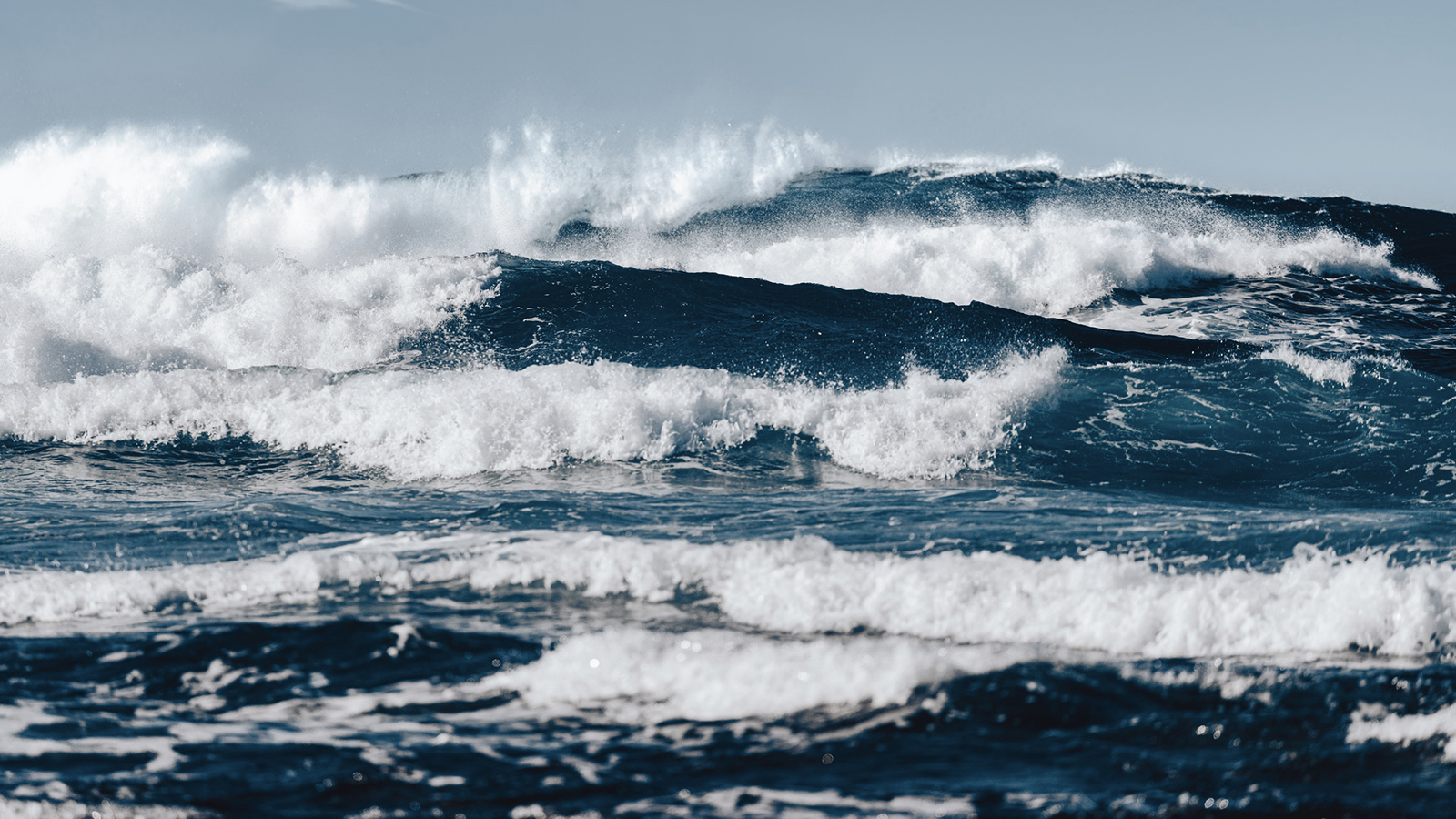
In the tech industry, the “dangerous” nature of the ocean is the ultimate stress test for innovation. From AI-driven predictive modeling to autonomous deep-sea drones, technology is redefining how we interact with the world’s most volatile maritime environments. This article explores how modern software, hardware, and digital security are turning the Southern Ocean from a maritime hazard into a data-rich frontier.
The Algorithmic Frontier: AI and Predictive Oceanography
Identifying the most dangerous ocean requires more than just anecdotal evidence from sailors; it requires massive datasets and sophisticated software. The Southern Ocean is dangerous because of its “fetch”—the distance wind can travel over open water without hitting land. To navigate this, the tech world has developed advanced predictive oceanography tools.
High-Performance Computing (HPC) and Wave Modeling
Modern meteorology relies on High-Performance Computing clusters to run global forecast models like the European Centre for Medium-Range Weather Forecasts (ECMWF). These models use petabytes of data to simulate wave heights and wind speeds in the Drake Passage. By applying machine learning algorithms to historical weather patterns, tech firms can now predict “rogue waves”—massive, spontaneous swells—with a higher degree of accuracy than ever before. This software-driven foresight allows cargo vessels and research ships to reroute dynamically, turning a potential disaster into a manageable navigation adjustment.
Satellite Telemetry and Real-Time Monitoring
The integration of LEO (Low Earth Orbit) satellite constellations has revolutionized our view of dangerous waters. Synthetic Aperture Radar (SAR) satellites can “see” through darkness and thick cloud cover, providing high-resolution imagery of sea-ice movements in the Antarctic. For tech companies specializing in geospatial data, this information is gold. Apps like Sentinel Hub allow researchers to monitor ice shelf calving in real-time, providing a digital safety net for vessels operating in the most treacherous latitudes on the planet.
Autonomous Systems: The Front Line of Marine Exploration
In environments where human life is at extreme risk, the tech industry has pivoted toward autonomous and robotic solutions. The most dangerous ocean is no longer explored by divers or manned submersibles alone, but by a fleet of high-tech gadgets designed to survive crushing pressures and freezing temperatures.
Autonomous Underwater Vehicles (AUVs) and Gliders
Companies like Kongsberg and Bluefin Robotics have developed AUVs that can descend into the abyssal zones of the Southern Ocean. These robots are equipped with sophisticated sensor suites—including side-scan sonar, thermistors, and fluorometers—to collect data in environments where a human-crewed vessel would be in peril. These “gadgets” of the deep are essentially swimming computers, capable of making real-time decisions about navigation and obstacle avoidance using edge computing.
Uncrewed Surface Vehicles (USVs)
The rise of USVs, such as those produced by Saildrone, has fundamentally changed how we gather surface data in dangerous waters. These solar and wind-powered drones are designed to spend months at sea, braving 80-foot waves and 100-knot winds. They act as mobile IoT (Internet of Things) platforms, transmitting vital atmospheric and oceanic data via satellite back to researchers. This hardware is built with extreme durability, using aerospace-grade materials to withstand the corrosive and high-impact environment of the Southern Ocean.

Connectivity and Digital Security at the Edge of the Map
One of the greatest dangers of the remote ocean is the lack of connectivity. In the past, a ship in trouble in the South Indian Ocean was effectively invisible. Today, the tech sector is closing that gap, but with increased connectivity comes the need for robust digital security.
The Impact of Starlink and LEO Satellites
The deployment of Starlink Maritime has been a game-changer for digital safety in dangerous waters. High-speed, low-latency internet allows for real-time video consultations during medical emergencies and instant software updates for a ship’s navigation systems. However, this “always-on” connectivity transforms a ship into a mobile node on the global network, making it a target for cyber threats.
Cybersecurity in Maritime Tech
As vessels become more autonomous and connected, the risk of “GPS spoofing” or ransomware attacks on shipboard systems becomes a literal matter of life and death. Digital security firms are now specializing in maritime cybersecurity, developing firewalls and encrypted communication protocols specifically for deep-sea hardware. Protecting the Electronic Chart Display and Information System (ECDIS) from unauthorized access is now as critical as the physical integrity of the hull. In the tech-heavy maritime world, a software bug or a security breach can be more dangerous than a Category 5 storm.
The Future of Maritime Safety: Digital Twins and Simulation
As we look to the future, the tech industry is using “Digital Twins”—virtual replicas of physical assets—to make the world’s most dangerous ocean safer. By creating a digital twin of a research vessel or an offshore platform, engineers can simulate how it will react to the extreme stresses of the Southern Ocean before the first piece of steel is even cut.
VR and AR in Crew Training
Virtual Reality (VR) and Augmented Reality (AR) are being used to train crews for the specific challenges of the Southern Ocean. Tech-driven simulation centers allow captains to practice navigating through ice fields or managing engine failures in heavy seas within a controlled, digital environment. This reduces human error, which remains a leading cause of maritime accidents in high-risk zones.
Generative Design for Resilient Hardware
Engineers are now using AI-driven generative design to create ship hulls and components that are optimized for extreme conditions. By inputting the specific variables of the Southern Ocean—water density, average wave impact force, and temperature—AI tools can suggest structural designs that are both lighter and stronger than those designed by traditional methods. This intersection of AI and mechanical engineering is producing a new generation of “indestructible” maritime tech.
Conclusion: Data as the Ultimate Lifejacket
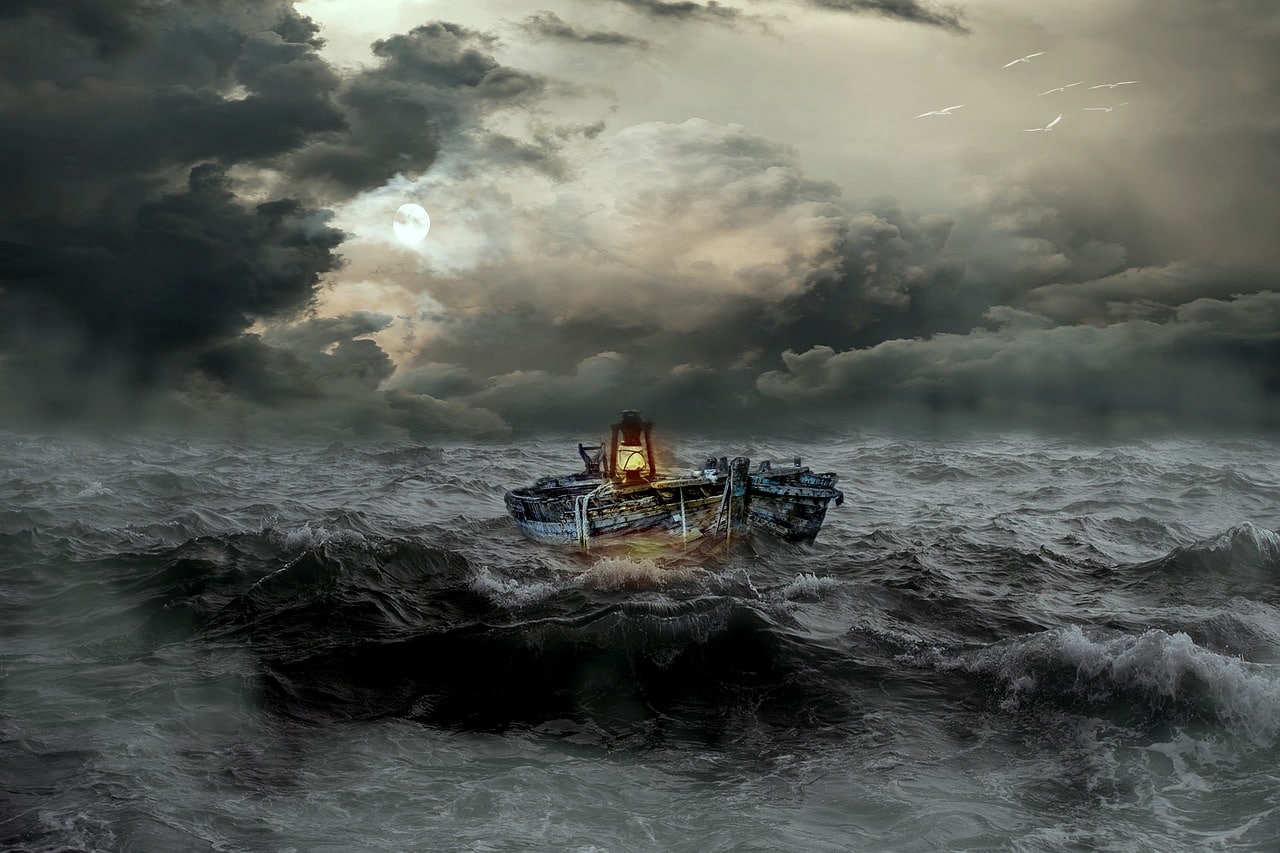
The Southern Ocean remains the most dangerous ocean in the world when measured by raw physical power. However, the “danger” is being mitigated by a sophisticated layer of technology. From the software that predicts a storm’s path to the autonomous drones that scout the ice, and the cybersecurity protocols that protect our vessels, the tech industry has become the primary guardian of maritime safety.
In this digital age, we no longer just sail the oceans; we process them. We turn the chaos of the Southern Ocean into a stream of data points that can be analyzed, predicted, and mastered. As AI continues to evolve and autonomous hardware becomes more resilient, the “most dangerous ocean” will continue to serve as the ultimate proving ground for the next generation of technological innovation. The abyss is deep, but our digital reach is deeper.
aViewFromTheCave is a participant in the Amazon Services LLC Associates Program, an affiliate advertising program designed to provide a means for sites to earn advertising fees by advertising and linking to Amazon.com. Amazon, the Amazon logo, AmazonSupply, and the AmazonSupply logo are trademarks of Amazon.com, Inc. or its affiliates. As an Amazon Associate we earn affiliate commissions from qualifying purchases.