
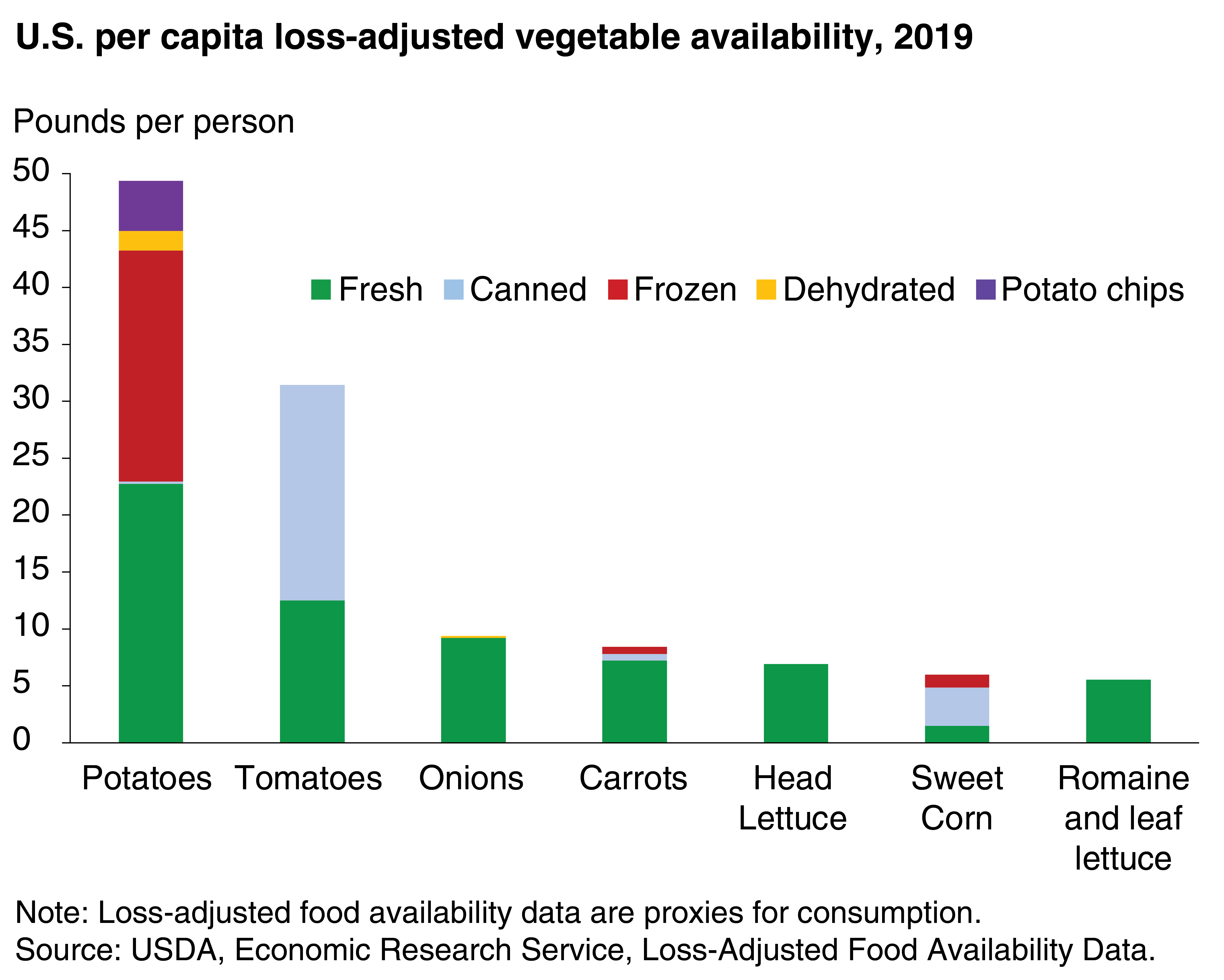
When posed with the question “What is the most consumed vegetable in the United States?”, many might guess a leafy green like spinach or a versatile fruit-vegetable such as the tomato. However, the unequivocal answer, year after year, remains the humble potato. Far more than just a culinary staple, the potato’s dominance in American diets carries profound economic weight, influencing agricultural markets, investment strategies, personal finance, and even entrepreneurial ventures. Understanding the financial ecosystem surrounding this prolific tuber—and indeed, the broader vegetable market—offers crucial insights for investors, businesses, and individuals aiming to optimize their financial health.
The Ubiquitous Potato: A Staple with Significant Economic Weight
The potato’s reign as America’s top vegetable by consumption is not merely a matter of taste; it’s a reflection of its incredible versatility, affordability, and deep integration into the nation’s food culture. From fries and chips to mashed and baked, potatoes are an omnipresent feature of American meals, contributing significantly to the agricultural sector’s financial health and consumer spending patterns.
America’s Enduring Affinity for the Tuber
While precise annual figures fluctuate, the United States Department of Agriculture (USDA) consistently reports potatoes leading other vegetables in per capita consumption. This enduring popularity stems from the potato’s adaptability across diverse cuisines and its status as a cost-effective source of carbohydrates and essential nutrients. Its long shelf life and ease of storage also make it a practical choice for households and food service industries alike. This consistent demand underpins a robust and predictable market, a key factor for any investor or business owner eyeing stability in the food sector. The cultural embedding of dishes like French fries, potato chips, and potato salad ensures a baseline demand that is resistant to minor economic shifts, making the potato a foundational element of the broader American food economy. This predictable demand profile makes it an attractive commodity for long-term agricultural investments and an anchor for food processing industries.
Driving the Agricultural Economy
The cultivation, processing, and distribution of potatoes represent a colossal economic engine. The potato industry supports hundreds of thousands of jobs, from farm laborers and agronomists to truck drivers, factory workers, and retail staff. Major potato-producing states, such as Idaho, Washington, Wisconsin, and North Dakota, see their regional economies heavily bolstered by potato farming. This translates into significant contributions to state GDPs through direct agricultural output, but also indirectly through ancillary industries like farm equipment manufacturing, fertilizer production, and specialized transportation services. For business finance, the potato market is characterized by substantial capital investment in land, machinery, and storage facilities, often requiring sophisticated financial instruments and risk management strategies. Large-scale farming operations benefit from economies of scale, making consolidation and technological adoption critical for maintaining competitiveness and profitability in a mature market.
Market Dynamics and Consumer Spending
The demand for potatoes impacts consumer spending in several ways. While fresh potato prices can fluctuate due to weather and harvest yields, processed potato products (frozen fries, chips) often benefit from more stable pricing due due to long-term contracts and efficient supply chains. Consumers, in turn, allocate a significant portion of their food budget to these products, whether directly at grocery stores or indirectly through restaurant meals. For investors, understanding these market dynamics is crucial. Publicly traded companies involved in potato processing (e.g., Lamb Weston, McCain Foods) offer avenues for investment, reflecting the stability and profitability of this segment. Furthermore, the interplay between supply and demand, influenced by factors like international trade agreements, dietary trends, and marketing campaigns, directly affects the financial performance of these entities, making market analysis a continuous endeavor for savvy financial professionals.
Beyond the Spud: Exploring Diverse Vegetable Markets and Investment Opportunities
While the potato holds the top spot, the broader vegetable market in the U.S. is dynamic, driven by evolving consumer preferences, health trends, and technological advancements. This diversity presents a wealth of financial opportunities extending beyond traditional agriculture into innovative business models and strategic investments.
The Rise of Health-Conscious Spending
A significant shift in consumer behavior is the growing emphasis on health, wellness, and sustainable eating. This trend has fueled increased demand for a wider variety of vegetables, particularly organic, locally sourced, and nutrient-dense options. Vegetables like kale, Brussels sprouts, broccoli, and various leafy greens have seen surges in popularity, creating new market segments and challenging the long-standing dominance of less “glamorous” produce. This shift impacts consumer spending, with many individuals willing to pay a premium for vegetables perceived as healthier or more ethically produced. For businesses, this means identifying and investing in these growth areas, potentially through specialized farming, organic certification, or direct-to-consumer models. Investors can look for opportunities in companies that are agile in adapting their product lines to these emerging demands, such as those focusing on plant-based food innovation or novel agricultural technologies.
Investment Landscape in Vegetable Agriculture and Processing
Investing in the vegetable sector is multifaceted. Beyond direct ownership of farmland, which can offer significant long-term returns and inflation hedging, there are opportunities in agricultural technology (Agri-Tech). This includes companies developing precision farming tools, vertical farming solutions, hydroponics, and advanced irrigation systems designed to optimize yields and reduce resource consumption. These innovations promise to reshape the economics of vegetable production, offering higher efficiency and potentially greater profit margins, particularly in controlled environments. Furthermore, the processing sector—from freezing and canning to creating value-added products like pre-cut salads, vegetable-based snacks, and plant-based meat alternatives—represents a robust area for investment. These companies often benefit from stable demand, intellectual property in food science, and strong distribution networks, making them attractive to both public market investors and private equity firms looking for steady growth.
Supply Chain and Distribution: The Unsung Financial Heroes

The journey of a vegetable from farm to fork is a complex logistical dance, and the efficiency of the supply chain significantly impacts profitability for all stakeholders. Investment in cold chain management, transportation infrastructure, and advanced inventory systems is critical for minimizing spoilage, ensuring freshness, and meeting consumer demand. Companies specializing in logistics, warehousing, and last-mile delivery play an increasingly vital role in the vegetable market’s financial ecosystem. Furthermore, the relationship between growers, distributors, and major retailers (supermarkets, food service giants) shapes pricing, market access, and ultimately, the financial viability of agricultural operations. Understanding these intricate relationships is key for financial analysts evaluating the health and growth prospects of companies within the vegetable supply chain. Disruptions, such as those caused by global events or climate change, can expose vulnerabilities but also create opportunities for innovative logistics solutions and risk mitigation strategies.
Personal Finance and the Vegetable Basket: Budgeting for Health and Wealth
For the average American household, vegetables represent both a significant component of the food budget and a critical investment in long-term health. Smart financial management around vegetable consumption can lead to considerable savings and improved well-being.
The Cost-Benefit of Vegetable Consumption
Integrating a sufficient quantity and variety of vegetables into one’s diet offers substantial long-term financial benefits, primarily through improved health outcomes. A diet rich in vegetables is associated with reduced risks of chronic diseases like heart disease, diabetes, and certain cancers. Preventing or mitigating these conditions can lead to significant savings on healthcare costs—doctor visits, medications, hospital stays—which often constitute a major financial drain on individuals and families. While initial grocery bills might seem higher when prioritizing fresh produce, this investment in preventative health can yield substantial returns, effectively making vegetables a wise financial allocation for future well-being. Furthermore, cooking at home with fresh vegetables is often more economical than relying on processed foods or restaurant meals, providing immediate budgetary advantages.
Smart Shopping Strategies for Vegetable Savings
Maximizing the financial efficiency of vegetable purchases involves several astute strategies. Buying seasonal produce is often the most cost-effective approach, as locally abundant items typically carry lower prices due to reduced transportation costs and higher supply. Utilizing farmers’ markets can offer competitive pricing while supporting local economies. Bulk buying of certain vegetables, especially those with longer shelf lives or those suitable for freezing, can lead to per-unit savings. Furthermore, embracing frozen vegetables, which are often picked at peak ripeness and flash-frozen, can be a highly economical and convenient option, offering comparable nutritional value to fresh produce at a lower cost, while also reducing food waste. Meal planning around available sales and seasonal items further enhances budget control, allowing households to enjoy diverse, healthy meals without overspending.
Local Food Systems and Community Supported Agriculture (CSAs): Investment in Your Plate and Community
Participating in local food systems, such as Community Supported Agriculture (CSAs), offers a direct financial investment in local farms and a guaranteed supply of fresh, seasonal vegetables. By purchasing a share at the beginning of the growing season, consumers provide farmers with upfront capital, helping them manage operational costs. In return, members receive a regular box of produce throughout the harvest season, often at a competitive price compared to retail. This model fosters a closer relationship between consumers and producers, promoting sustainable farming practices and strengthening local economies. For individuals, CSAs can provide both financial value through bulk buying and the intrinsic value of knowing where their food comes from, contributing to food security and community resilience. It’s a way to invest not just in personal health, but in the economic vitality of one’s immediate geographic area.
Entrepreneurial Ventures and Side Hustles in the Vegetable Sector
The dynamic nature of the vegetable market creates fertile ground for entrepreneurial spirit, offering numerous avenues for income generation, from cultivating crops to creating value-added products and digital content.
Cultivating Your Own Income Stream: Small-Scale Farming and Farmers’ Markets
For those with a passion for gardening and access to land, even a small plot can be transformed into a revenue-generating side hustle. Growing high-demand, specialty, or heirloom vegetables and selling them directly to consumers at farmers’ markets, roadside stands, or through local restaurant partnerships can provide a supplementary income. This micro-agricultural entrepreneurship often benefits from low overheads, direct customer feedback, and the growing consumer preference for locally sourced produce. The key is to identify niche markets, understand local demand, and master efficient growing techniques to maximize yields and minimize waste, turning a green thumb into a greenback opportunity. Financial success here hinges on effective crop planning, understanding pricing strategies, and building a reliable customer base.
Value-Added Products and Food Entrepreneurship
Beyond selling raw produce, significant financial opportunities lie in creating “value-added” vegetable products. This involves transforming raw vegetables into items like gourmet pickles, artisanal sauces, fresh salsas, vegetable-based spreads, or even dehydrated vegetable snacks. This segment allows entrepreneurs to leverage culinary skills and creativity, often commanding higher profit margins than fresh produce alone. Building a successful food business requires careful attention to food safety regulations, branding, packaging, and marketing. It can start as a home-based side hustle and scale into a larger operation, potentially leading to distribution in specialty stores or online marketplaces. The initial investment might be in equipment and ingredient sourcing, but the potential for higher returns through product differentiation and brand loyalty is substantial.

The Digital Harvest: Online Content and Consulting in Nutrition and Food Prep
The widespread interest in healthy eating, diet trends, and sustainable living has opened up digital avenues for monetizing expertise related to vegetables. Individuals can create online income streams through food blogging, developing recipe websites, producing cooking tutorials on platforms like YouTube or TikTok, or offering virtual nutrition coaching. Monetization strategies include advertising revenue, affiliate marketing for kitchen gadgets or specialty ingredients, sponsored content, and selling digital products such as e-cookbooks or meal plans. For those with specialized knowledge in agriculture, consultancy services focusing on sustainable farming practices, crop optimization, or market entry strategies for new vegetable products also represent a lucrative professional path, serving both individual farmers and larger agribusinesses. This highlights how expertise around vegetables can be translated into various forms of intellectual property and service-based income.
In conclusion, the potato’s status as the most consumed vegetable in the United States is more than a dietary fact; it’s a linchpin in a vast economic network. From the billions of dollars flowing through the agricultural industry to the strategic investment decisions made by financial firms, and from individual budgeting for health to the burgeoning landscape of food entrepreneurship, the humble vegetable sector offers a rich tapestry of financial considerations and opportunities. Understanding these dynamics empowers individuals and businesses alike to make more informed financial choices, whether they are investing in the next big agricultural innovation, optimizing their household food budget, or cultivating their own slice of the green economy.
aViewFromTheCave is a participant in the Amazon Services LLC Associates Program, an affiliate advertising program designed to provide a means for sites to earn advertising fees by advertising and linking to Amazon.com. Amazon, the Amazon logo, AmazonSupply, and the AmazonSupply logo are trademarks of Amazon.com, Inc. or its affiliates. As an Amazon Associate we earn affiliate commissions from qualifying purchases.