
When discussing the landscape of public health challenges in the United States, sexually transmitted infections (STIs), often referred to as STDs, represent a significant and complex issue. While the medical and social ramifications are frequently highlighted, the financial burden—both on individuals and the broader healthcare system—often remains an underexplored facet. Understanding “what is the most common STD in the US” is not merely a clinical inquiry; it’s an economic one, revealing layers of healthcare expenditure, lost productivity, and the critical need for proactive financial planning and public health investment.

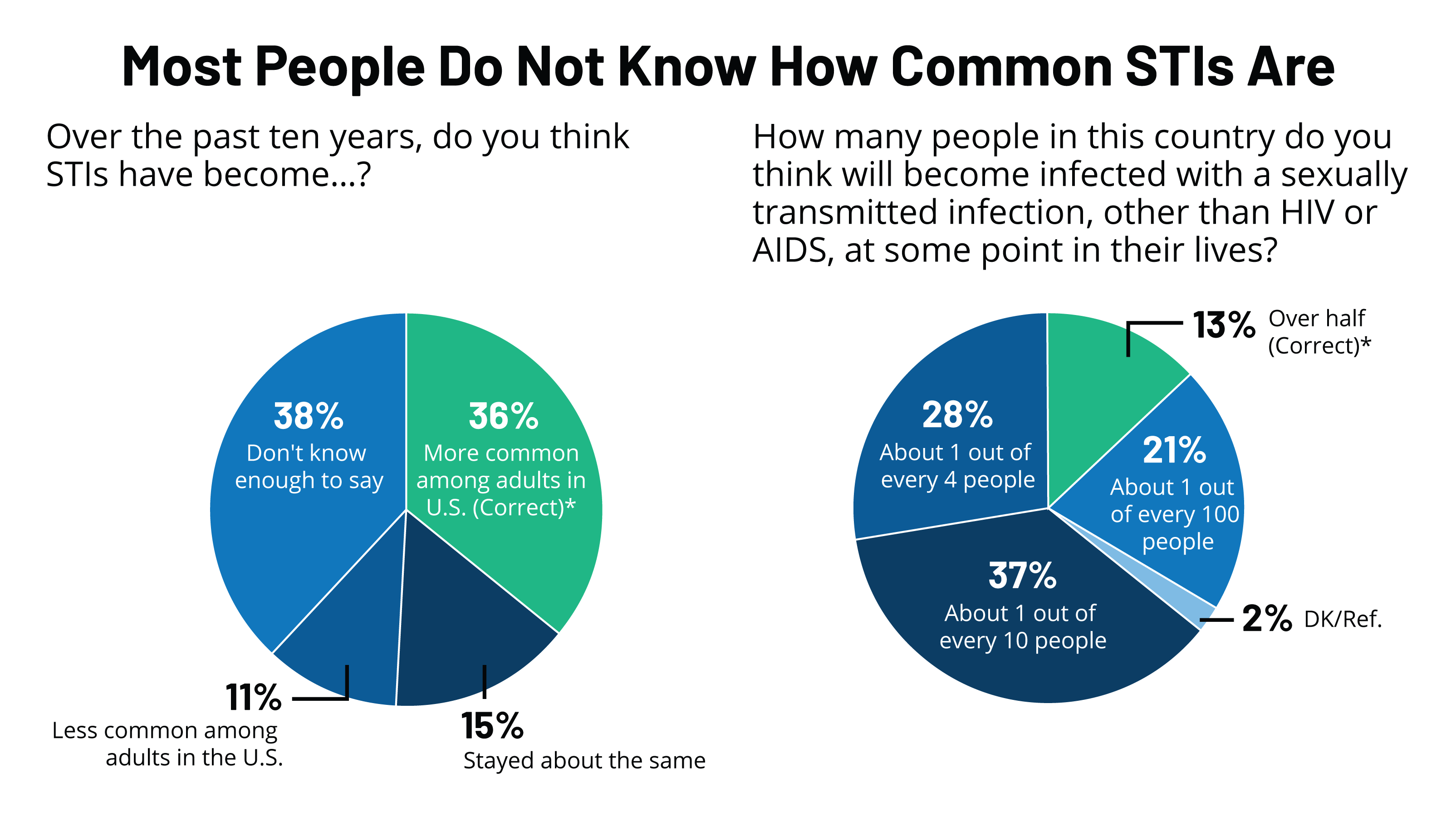
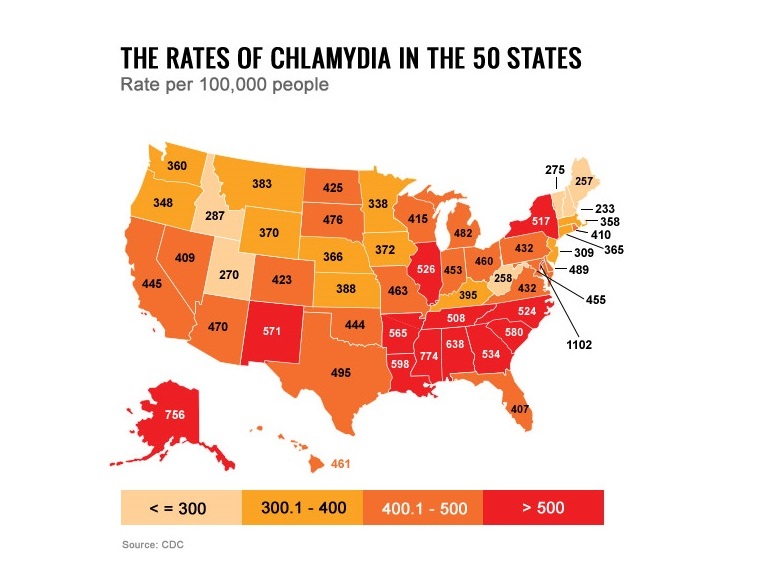
While various infections contribute to the STI landscape, the Human Papillomavirus (HPV) stands out as the most common viral STI, with nearly all sexually active men and women acquiring it at some point in their lives. The Centers for Disease Control and Prevention (CDC) estimates that millions of new HPV infections occur annually. Though many infections are asymptomatic and clear on their own, persistent high-risk HPV can lead to cancers (cervical, anal, oral, penile, vaginal, vulvar) and genital warts, escalating healthcare costs dramatically. Other highly prevalent STIs like herpes, chlamydia, and gonorrhea also contribute substantially to the financial burden, each with its unique cost profile. This article will primarily use HPV as a focal point to illustrate the broader financial implications, acknowledging that the principles apply across the spectrum of common STIs.
Understanding the Prevalent Challenge: The Human Papillomavirus (HPV) Epidemic
The sheer ubiquity of HPV makes it an unparalleled contender for the title of the most common STD, and consequently, a major driver of healthcare costs. Its prevalence, coupled with its potential for severe health outcomes, positions HPV not just as a medical challenge but as a profound economic one.
HPV’s Ubiquity: A Silent Financial Multiplier
The statistics surrounding HPV are staggering. Most sexually active individuals will contract HPV at some point in their lives, making it incredibly common. While many strains are benign, the high-risk types are responsible for virtually all cervical cancers and a significant portion of other anogenital and oropharyngeal cancers. This widespread presence means that even a small percentage of cases progressing to severe disease translates into a massive volume of diagnoses, treatments, and long-term care needs across the population. Each stage of disease progression—from initial screening to advanced cancer treatment—represents a distinct financial cost, multiplied by millions of affected individuals. The silent nature of many initial HPV infections also means individuals may not seek testing or care until symptoms appear or complications arise, often when the financial and health costs are already elevated.
Beyond Health: The Cost of Prevention and Treatment
The financial impact of HPV isn’t solely confined to treating cancers. It encompasses a vast array of expenses, starting with prevention and early detection. The HPV vaccine, a cornerstone of preventive public health, requires investment not just in the vaccine itself but also in its administration and public awareness campaigns. While the upfront cost of vaccination can seem significant, it pales in comparison to the potential lifetime medical expenses associated with HPV-related cancers. For those who contract HPV, the costs can include:
- Screening: Routine Pap tests and HPV co-testing are vital for early detection of cervical abnormalities, incurring regular gynecological visit fees, lab costs, and potentially follow-up procedures like colposcopy or biopsy.
- Treatment for Pre-Cancers: Procedures like LEEP (Loop Electrosurgical Excision Procedure) or cryotherapy to remove pre-cancerous cells in the cervix come with professional fees, facility charges, and potential lost work time.
- Genital Wart Treatment: While often not life-threatening, treatment for genital warts can involve topical medications, cryotherapy, laser removal, or surgical excision, leading to recurring costs and discomfort.
- Cancer Treatment: The most severe financial burden arises from HPV-related cancers, which can necessitate surgery, radiation, chemotherapy, and long-term palliative care, often costing hundreds of thousands of dollars over a patient’s lifetime. These costs are shouldered by individuals, their insurance providers, and ultimately, the broader healthcare economy.
The Direct and Indirect Financial Toll of STDs
The financial burden of common STDs, epitomized by HPV but also significantly contributed to by others like chlamydia and gonorrhea, extends far beyond individual medical bills. It permeates healthcare systems, affects economic productivity, and imposes a societal cost that demands attention.
Healthcare Expenditure: Diagnostics, Treatments, and Long-Term Care
The direct healthcare costs associated with STDs are staggering. The CDC estimates the annual medical costs of preventable STDs in the U.S. to be in the billions of dollars. This figure encompasses:
- Diagnostic Testing: From routine screenings for chlamydia and gonorrhea in young adults to specialized HPV testing and syphilis blood tests, these lab fees and clinic visits accumulate rapidly across the population.
- Medication and Treatment: Antibiotics for bacterial STIs (like chlamydia, gonorrhea, syphilis) or antivirals for viral STIs (like herpes), along with more invasive procedures for conditions like PID (Pelvic Inflammatory Disease) or ectopic pregnancies resulting from untreated STIs, represent substantial pharmaceutical and procedural costs.
- Long-Term Management: Chronic STIs such as herpes or HIV require ongoing medication, regular doctor visits, and management of associated conditions, leading to continuous financial outflow. HPV-related cancers, as discussed, incur some of the highest long-term treatment expenses, requiring complex oncology care.
- Emergency Care: Complications from untreated STIs can lead to emergency room visits and hospitalizations, which are among the most expensive forms of healthcare, straining both personal finances and hospital budgets.
Lost Productivity and Economic Disparity
Beyond direct medical expenses, STDs impose a significant economic burden through lost productivity. Individuals suffering from symptoms, undergoing treatment, or coping with the psychological stress of an STI may experience:
- Absenteeism from Work/School: Time off for appointments, treatments, or recovery reduces an individual’s earning potential and contributes to lost economic output for businesses and the economy.
- Decreased Work Performance: Chronic pain, discomfort, or mental health issues related to STIs can impair concentration and efficiency at work, leading to reduced productivity even when present.
- Disability and Early Mortality: In severe cases, such as advanced HPV-related cancers or complications from HIV, STIs can lead to long-term disability or premature death, resulting in a complete loss of an individual’s economic contribution and significant financial hardship for their families.
Furthermore, the burden of STDs often disproportionately affects marginalized communities and individuals with lower socioeconomic status, exacerbating existing economic disparities. Access to affordable testing, treatment, and preventive care can be limited, leading to higher rates of complications and greater financial strain within these populations.
The Ripple Effect: Mental Health Costs and Social Services
The financial ripple effect of STDs extends into mental health and social services. Diagnoses can lead to anxiety, depression, and relationship issues, often requiring therapy or counseling—another layer of personal financial or insurance expenditure. Public health agencies also bear the cost of contact tracing, education campaigns, and providing subsidized or free testing and treatment services for uninsured or underinsured populations. These programs are vital for curbing the spread of infections and mitigating broader economic costs but require substantial public funding and resource allocation, reflecting a societal financial investment in sexual health.
Mitigating the Financial Strain: Strategies for Individuals and Systems
Addressing the economic impact of STDs requires a multi-faceted approach, integrating personal financial planning with robust public health strategies and accessible healthcare infrastructure.
The Power of Prevention: Vaccinations and Safe Practices
Investing in prevention is arguably the most financially prudent strategy. The HPV vaccine, for example, is a testament to this, preventing infections that would otherwise lead to costly medical interventions for pre-cancers and cancers. Promoting widespread vaccination, especially among adolescents, can yield immense long-term savings for individuals and healthcare systems. Similarly, advocating for consistent and correct condom use, regular STI screening, and open communication about sexual health are critical low-cost prevention strategies that significantly reduce the incidence of infections and their associated financial burdens. These preventive measures are not just health imperatives; they are sound financial investments.
Health Insurance and Financial Planning for Sexual Health
For individuals, understanding their health insurance coverage for STI testing, treatment, and preventive services is crucial. Many insurance plans cover routine screenings and vaccinations, making these essential preventive steps financially accessible. However, understanding deductibles, co-pays, and out-of-pocket maximums for more extensive treatments is vital for financial preparedness.
- Emergency Funds: Building an emergency fund can provide a financial safety net for unexpected medical costs related to STIs, especially for those with high-deductible plans.
- Flexible Spending Accounts (FSAs) and Health Savings Accounts (HSAs): Utilizing these tax-advantaged accounts can help individuals save for medical expenses, including STI-related care, with pre-tax dollars.
- Understanding Patient Assistance Programs: For those facing significant treatment costs, particularly for chronic conditions or cancer, exploring pharmaceutical company patient assistance programs or non-profit support organizations can significantly alleviate financial pressure.
Public Health Initiatives: Investing in Economic Wellness
At a systemic level, robust public health funding for STI prevention and control is an investment in economic wellness. Government and non-profit organizations that provide free or low-cost testing, treatment, and education serve as critical safety nets, reducing the spread of STIs and preventing more expensive complications down the line. Investing in these services leads to healthier populations, reduced healthcare expenditures, and a more productive workforce. Policies that support affordable healthcare access and expand Medicaid coverage also play a crucial role in mitigating the financial impact of STIs on vulnerable populations.
The Future of Financial Resilience in Sexual Health
The ongoing battle against STDs, particularly the most common ones, is not just a health and social issue; it’s a significant financial challenge that demands innovative solutions and sustained investment.
Innovation in Diagnostics and Treatment: A Cost-Benefit Analysis
Advancements in medical technology offer promising avenues for reducing the economic burden of STIs. Faster, more accurate, and more accessible point-of-care diagnostic tests can enable earlier detection and treatment, preventing progression to more costly conditions. Similarly, the development of new, more effective, and potentially less expensive treatments or prophylactic vaccines will be critical. The financial benefit of these innovations often far outweighs their development cost, yielding long-term savings for healthcare systems and improved quality of life. Evaluating these innovations through a comprehensive cost-benefit lens is essential for prioritizing investments.
Policy and Investment: Driving Down Economic Burden
Policy decisions play a pivotal role in shaping the financial landscape of sexual health. This includes continued federal and state funding for STI prevention programs, support for research into new diagnostics and vaccines, and policies that ensure equitable access to care. Investing in comprehensive sexual health education can empower individuals with the knowledge to make informed decisions, reducing risky behaviors and the associated financial costs of infection. Furthermore, ensuring that healthcare policies adequately cover sexual health services, including preventive measures, is paramount to driving down the overall economic burden of STIs.
Financial Literacy and Empowered Health Decisions
Ultimately, empowering individuals with both health literacy and financial literacy is key to fostering resilience against the economic challenges posed by STIs. Understanding the link between sexual health, healthcare costs, and personal financial planning enables individuals to take proactive steps—from utilizing preventive services to preparing for potential medical expenses. Open conversations about sexual health, supported by accessible and affordable resources, can transform a silent financial burden into a manageable aspect of overall well-being, paving the way for a healthier and more financially secure future for all.
The most common STD in the US, HPV, along with other prevalent infections, presents a complex web of medical, social, and economic challenges. By shifting our perspective to acknowledge and actively manage the financial implications, we can develop more effective prevention strategies, optimize healthcare investments, and ultimately build a more resilient society capable of addressing its sexual health needs sustainably.
aViewFromTheCave is a participant in the Amazon Services LLC Associates Program, an affiliate advertising program designed to provide a means for sites to earn advertising fees by advertising and linking to Amazon.com. Amazon, the Amazon logo, AmazonSupply, and the AmazonSupply logo are trademarks of Amazon.com, Inc. or its affiliates. As an Amazon Associate we earn affiliate commissions from qualifying purchases.