
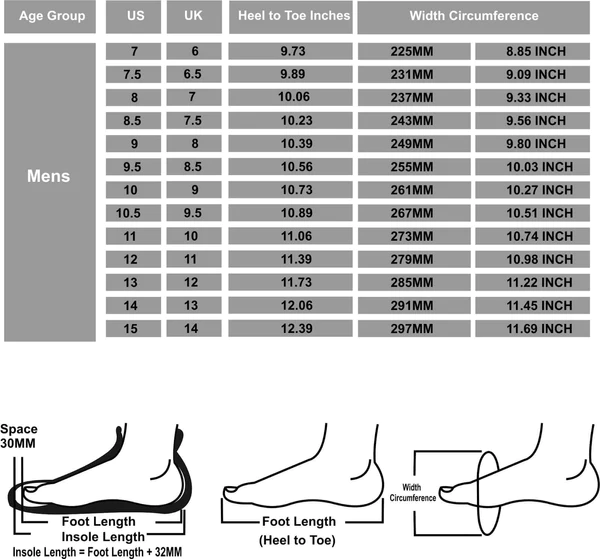
In the traditional retail era, determining the most common shoe size was a matter of simple inventory tracking—counting which boxes emptied fastest from the stockroom shelves. Historically, for men, this hovered around a U.S. size 10.5, and for women, a size 8.5. However, in the contemporary landscape of the Fourth Industrial Revolution, “the most common shoe size” is no longer just a static number on a box; it is a complex data point at the intersection of biometric sensors, artificial intelligence, and global supply chain algorithms.
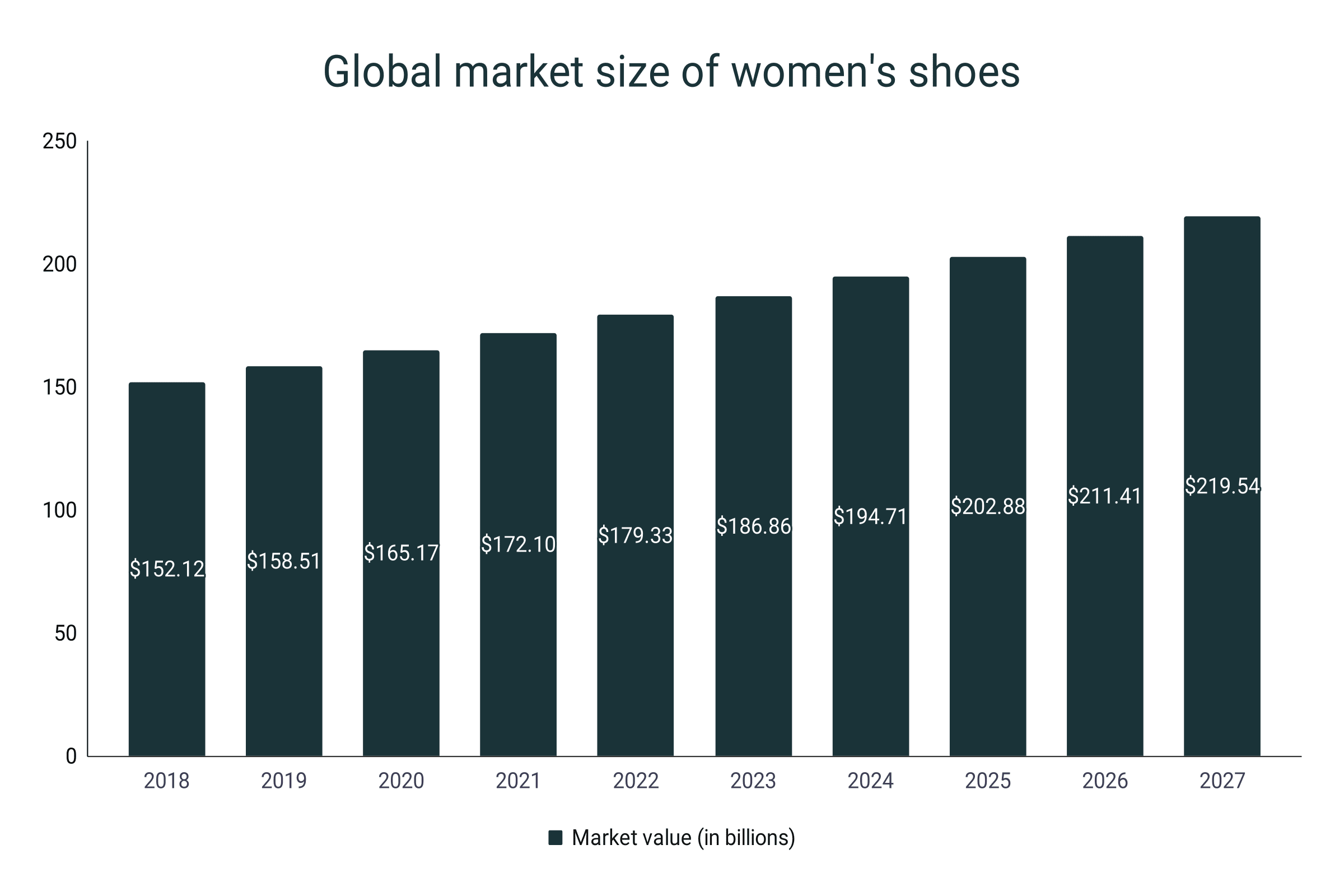
As the footwear industry shifts toward a “tech-first” model, the way we define, measure, and manufacture for the average foot is undergoing a digital transformation. From 3D foot scanning to predictive analytics, technology is revealing that the “most common size” is a moving target influenced by demographics, geography, and even digital health trends.
The Algorithm of Proportions: Using Big Data to Identify Global Averages
For decades, the footwear industry relied on the Brannock Device—a manual metal slider—to measure feet. This analog method provided limited data points. Today, technology companies are replacing manual measurement with high-fidelity digital scans, creating massive datasets that redefine our understanding of human morphology.
The Shift from Analog Measurement to Digital Foot Scanning
Modern tech firms like Volumental and Fit Analytics have deployed 3D scanning kiosks in thousands of retail locations worldwide. These machines use computer vision and laser sensors to capture millions of data points in seconds, including arch height, ball girth, and heel width. By aggregating this data into the cloud, researchers have moved beyond “length and width” to understand the volumetric reality of the “common” foot.
This data shows that the “most common size” is actually a bell curve that has shifted over the last century. Due to improved nutrition and rising body mass indices globally, the average foot size has increased by nearly two full sizes since the early 1900s. Tech-driven data collection allows brands to see these shifts in real-time rather than waiting for decennial health surveys.
Regional Data Variances and the Role of AI in Global Scaling
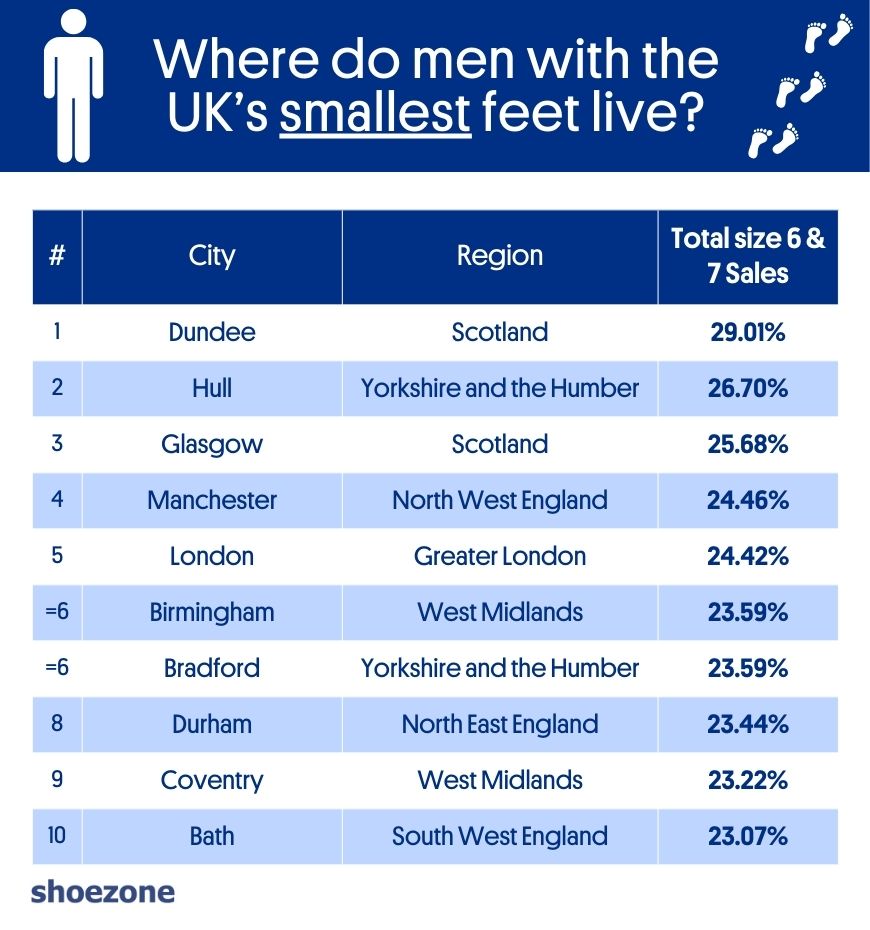
One of the most significant technological insights into shoe sizing is the realization that “common” is relative to geography. AI-driven heat maps reveal that the most common size in the North American market differs significantly from the most common size in East Asia or Northern Europe.
Machine learning models now analyze return rates from e-commerce platforms to identify “sizing friction.” If a specific model of shoe in a size 9 is returned more frequently than others, the AI identifies whether the fault lies in the manufacturing tolerances or if the local “average” is shifting. This granular level of data allows technology to dictate regional inventory, ensuring that the most common sizes for a specific demographic are always in stock.
Smart Manufacturing: How 3D Modeling and Predictive Analytics Optimize Inventory
Once the data identifies the most common shoe sizes, the focus shifts to the “how” of production. In the tech-heavy world of modern manufacturing, CAD (Computer-Aided Design) and predictive analytics ensure that the production of common sizes is as efficient as possible, reducing waste and optimizing the digital thread of the supply chain.
Precision Engineering for the “Bell Curve” of Sizing
In footwear engineering, the “last” (the mechanical form that a shoe is built around) is the most critical component. Historically, lasts were carved from wood. Today, they are designed using sophisticated 3D modeling software that incorporates “morphing technology.”
Engineers use algorithmic “grading” to scale a design from the most common size—the “sample size”—to the outliers. By using digital twins of the average foot, manufacturers can simulate how materials like fly-knit polyester or synthetic leather will stretch and compress over the most common foot shapes. This ensures that the millions of pairs produced in the “center of the bell curve” provide a superior fit, as they are digitally optimized for the highest percentage of the population.
IoT and Real-Time Supply Chain Adjustments
The Internet of Things (IoT) has integrated sensors into the manufacturing floor, allowing for “Agile Manufacturing.” If real-time sales data from a launch indicates that the “most common size” for a specific sneaker is trending larger than predicted—perhaps due to a specific sub-culture’s preference for a looser fit—the digital manufacturing system can pivot.
Automated cutting machines and robotic assembly arms receive updated instructions via the cloud, shifting production ratios to favor the trending sizes. This prevents the “out of stock” scenarios that plague traditional retail and ensures that the digital inventory matches the physical reality of consumer needs.
The Future of Fitting: Virtual Try-Ons and AI-Powered Personalization
The most common shoe size is increasingly becoming a personalized digital profile. As we move toward a “Metaverse” or “Phygital” retail environment, the technology used to help consumers find their size is becoming as advanced as the shoes themselves.
Augmented Reality (AR) in Consumer Mobile Apps
Leading tech-focused footwear brands, such as Nike with its “Nike Fit” feature, utilize augmented reality to turn a smartphone into a professional-grade scanner. By using the phone’s camera and LiDAR (Light Detection and Ranging) sensors, the app measures the user’s foot with sub-millimeter accuracy.
This technology does more than just tell the user they are a size 10; it compares their unique 3D foot scan against the internal dimensions of various shoe models. Because a “size 10” in a running shoe fits differently than a “size 10” in a boot, the AI recommends the specific size for that specific silhouette. This effectively renders the concept of a “standard size” obsolete, replacing it with a “personal fit algorithm.”
Computer Vision and the Elimination of the “Standard” Size
The ultimate goal of footwear technology is “Mass Customization.” We are approaching a point where 3D printing (Additive Manufacturing) will allow shoes to be printed based on a user’s specific digital scan.
In this scenario, the “most common shoe size” becomes an irrelevant metric for the consumer, as the software adjusts the STL (stereolithography) files to match the user’s anatomy perfectly. Companies like Carbon are already using Digital Light Synthesis (DLS) to 3D print midsoles with varying densities based on pressure map data. As this technology scales, the industry will move away from mass-producing “common sizes” and toward streaming “individualized fits” directly to local production hubs.
Data Security and Biometric Ethics in Footwear Tech
As we transition into a world where our footwear is determined by digital scans, a new tech frontier emerges: the security of our biometric data. A foot scan is a unique biological identifier, and as such, it falls under the purview of digital security and privacy laws.
Protecting Sensitive Biometric Scanning Data
The transition from a physical shoe size to a digital “footprint” means that footwear companies are now tech custodians of sensitive biometric information. Cybersecurity protocols, such as end-to-end encryption and decentralized storage, are becoming mandatory.
When a user scans their foot using an AR app, that data is often anonymized and aggregated to help the AI learn what the “most common size” looks like across the population. However, the raw biometric data must be protected against breaches. In the tech industry, this is leading to the adoption of “Zero-Knowledge Proofs,” where a brand can verify that a shoe will fit a user without ever actually “seeing” or storing the user’s specific anatomical measurements on a central server.
The Decentralization of Personal Fit Profiles
The next evolution in this space is the “Portable Fit Profile.” Using blockchain technology or secure digital identity standards (like W3C Verifiable Credentials), a consumer could own their 3D foot data in a digital wallet.
Instead of re-scanning their feet for every brand, they would grant temporary, secure access to their “Fit ID.” This would allow the brand’s AI to instantly recommend the perfect size across any platform—be it a fitness app, an e-commerce site, or a virtual reality environment. This shift places the power of “size” back into the hands of the consumer, driven by a decentralized tech infrastructure that prioritizes privacy as much as it does the perfect fit.
In conclusion, while the question “what is the most common shoe size?” used to have a simple, numerical answer, technology has transformed it into a complex study of human data. Through 3D scanning, AI-driven manufacturing, and augmented reality, the footwear industry is no longer guessing what the average person needs. Instead, it is using a sophisticated digital ecosystem to define, produce, and protect the perfect fit for every individual, one data point at a time.
aViewFromTheCave is a participant in the Amazon Services LLC Associates Program, an affiliate advertising program designed to provide a means for sites to earn advertising fees by advertising and linking to Amazon.com. Amazon, the Amazon logo, AmazonSupply, and the AmazonSupply logo are trademarks of Amazon.com, Inc. or its affiliates. As an Amazon Associate we earn affiliate commissions from qualifying purchases.