
The question of “what is the most attractive hair color” is a perennial one, often debated in social circles and implicitly influencing trends in the beauty industry. While subjective preferences undoubtedly play a significant role, a closer examination through a lens of behavioral economics and marketing psychology reveals that perceptions of attractiveness are not solely dictated by instinct. Instead, they are often shaped by a complex interplay of societal conditioning, cultural norms, and, crucially, how certain hair colors are strategically positioned and presented. This exploration delves into the data-driven aspects of hair color attractiveness, focusing not on a definitive “most attractive” color, but rather on the mechanisms by which attractiveness is perceived and how this perception can be leveraged in branding and personal presentation.

The Psychological Underpinnings of Hair Color Perception
Attractiveness, when discussed in the context of hair color, is rarely a purely biological response. It’s a learned phenomenon, deeply intertwined with our cultural narratives and the archetypes we associate with different shades. Understanding these psychological underpinnings is crucial for anyone seeking to understand or influence perceptions of appeal.
Evolutionary Echoes and Societal Imprints
While often cited, evolutionary psychology’s claims about hair color and mate selection are largely speculative and difficult to substantiate definitively. Theories suggest that lighter hair colors might have been associated with youth and fertility in certain historical European populations, while darker hair colors might have signaled health and vitality in others. However, these are broad generalizations that fail to account for the immense diversity of human populations and the rapid evolution of cultural ideals.
More influential than deep-seated evolutionary drives are the societal imprints – the consistent portrayal of certain hair colors in media, art, and popular culture. Hollywood has historically favored blonde bombshells and dark, mysterious femme fatales, creating powerful archetypes that have, over time, come to be associated with specific notions of beauty and desirability. Similarly, the rise of the “girl next door” often involves auburn or strawberry blonde hues. These repeated associations, while not rooted in innate biological preference, become deeply ingrained in our collective consciousness, influencing our subconscious judgments of attractiveness.
The “Halo Effect” and Color Association
The halo effect is a cognitive bias where our overall impression of a person, or in this case, a feature like hair color, influences our feelings and thoughts about their other traits. If a particular hair color is consistently associated with positive attributes – intelligence, confidence, approachability, or glamour – then individuals with that hair color may subconsciously benefit from this halo effect.
Consider the association of platinum blonde with high fashion and daring individuality, or the connection of deep raven black with sophistication and mystery. These associations are not inherent to the colors themselves but are built through branding, celebrity endorsement, and narrative storytelling. When a person sports a particular hair color, their perceived attractiveness can be amplified or diminished based on the cultural baggage that color carries. This is a critical aspect of how “attractiveness” is constructed, rather than discovered.
The Impact of Contrast and Luminance
Beyond learned associations, there are more direct visual factors that contribute to perceived attractiveness. Contrast and luminance play significant roles in how we visually process and find features appealing.
- Contrast: High contrast between hair color and skin tone can create a striking and memorable look. For example, very dark hair against fair skin, or very light blonde hair against a tanned complexion, can draw attention and enhance facial features. This visual dynamism can be perceived as attractive because it makes the features more distinct and easier to process.
- Luminance: The brightness or lightness of a hair color also plays a role. Lighter hair colors, particularly shades of blonde, tend to reflect more light, making the hair appear more vibrant and potentially drawing more attention to the face. This is not to say darker hair is inherently less attractive, but in certain lighting conditions and against certain complexions, lighter shades can possess a greater visual “pop.”
These visual elements are not about inherent beauty but about visual engagement. A hair color that creates a pleasing contrast or a luminous effect can make an individual more noticeable and, consequently, more likely to be perceived as attractive simply due to the attention it garners.
Data-Driven Insights: What Studies and Trends Reveal
While personal preference remains king, aggregated data from beauty surveys, social media trends, and consumer behavior provides valuable insights into broader patterns of perceived attractiveness. These data points, when analyzed, reveal not a single “winner,” but rather shifts in perception influenced by cultural tides and strategic marketing.
Survey Data and Consumer Preferences
Numerous surveys conducted by cosmetic companies, beauty publications, and research firms have attempted to quantify hair color preferences. While results vary, some consistent themes emerge. For instance, studies often show a significant popularity for shades of brown, ranging from light honey to rich chocolate, often cited for their versatility and natural appeal. Blonde shades, particularly warmer tones, also frequently rank high, often associated with youthfulness and approachability. Red hair, while representing a smaller percentage of the population naturally, is often perceived as unique and bold, appealing to those who seek to stand out.
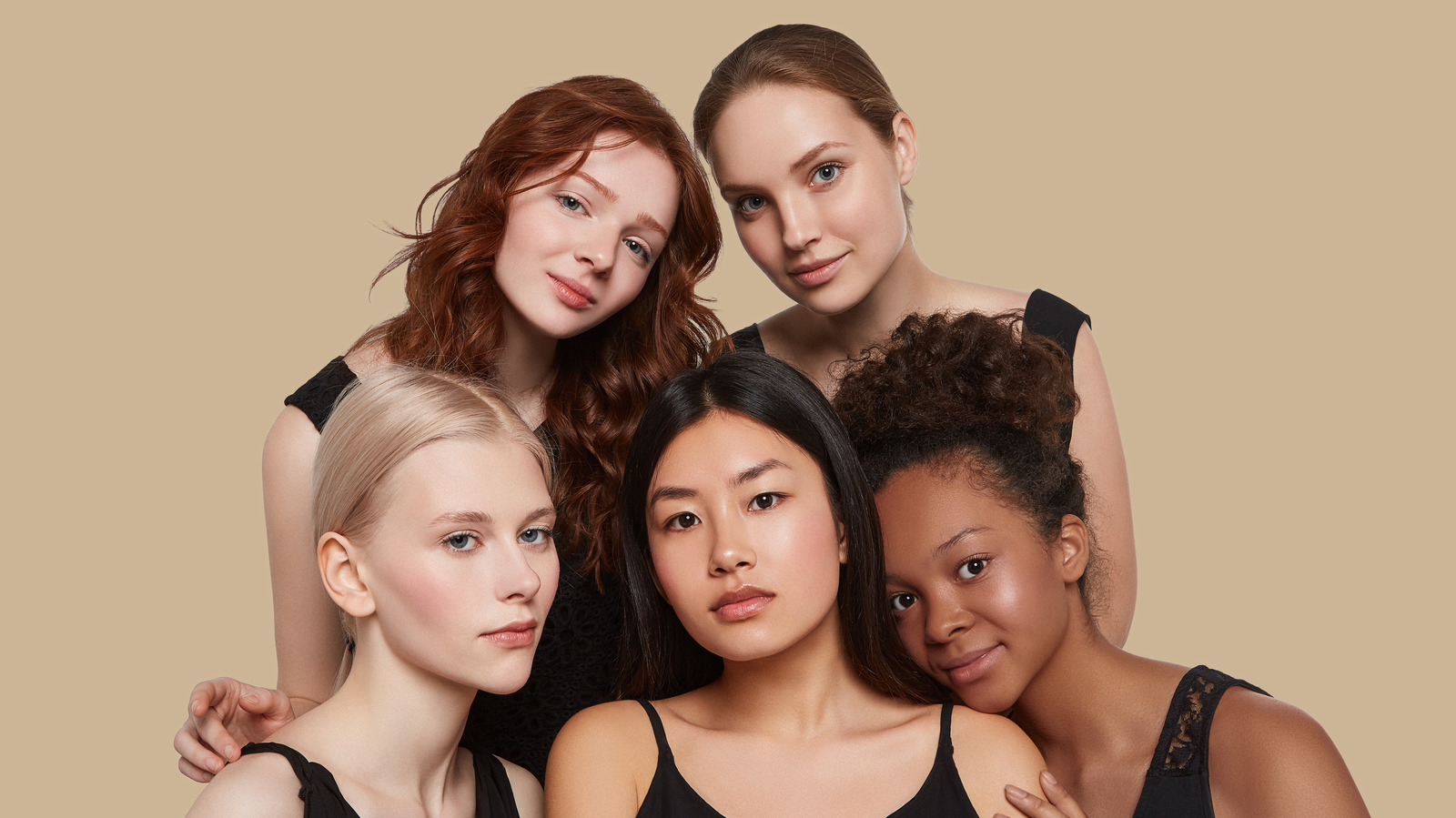
It’s important to note that these surveys often reflect the preferences of the demographic being surveyed and the cultural context in which they are conducted. For example, a survey in a Western country might yield different results than one in an East Asian nation, where different hair colors are more prevalent and culturally valued.
Social Media and Influencer Trends
The digital age has amplified the influence of trends and the power of visual platforms. Social media, particularly platforms like Instagram and TikTok, has become a powerful arbiter of beauty standards. The rise of hair color influencers, celebrities, and viral trends can dramatically shift perceptions of what is considered “attractive” or “in vogue.”
Observe the cyclical nature of trends: a period where natural, earthy tones are dominant, followed by an embrace of bold, unnatural colors, and then a return to classic, understated shades. These shifts are often driven by a combination of celebrity endorsements, innovative styling techniques, and targeted marketing campaigns by hair dye brands. What is deemed “attractive” on social media is often a reflection of what is being actively promoted and popularized. The sheer volume of visually appealing content featuring a particular hair color can create a powerful bandwagon effect, influencing individual preferences.
The Role of Artificial Coloring and “Perfected” Looks
The widespread availability and advancement of hair coloring technologies have blurred the lines between natural and artificial beauty. Many of the hair colors we perceive as most attractive are, in fact, meticulously achieved through artificial means. This highlights a crucial aspect of modern attractiveness: the pursuit of an idealized, often unattainable, standard.
- Precision and Customization: Modern hair coloring allows for unparalleled precision. From subtle balayage techniques that mimic natural sun-kissed highlights to bold, all-over transformations, individuals can achieve hair colors that are specifically tailored to their skin tone, eye color, and personal style. This customization itself can contribute to attractiveness, as it signifies an investment in self-care and a desire to present an optimized version of oneself.
- The “Unnatural” Appeal: Paradoxically, some of the most attractive hair colors are those that are distinctly unnatural. Vibrant blues, purples, and pinks, when executed with skill and confidence, can be highly captivating. This appeals to a desire for individuality, creativity, and a rejection of conventional norms. The attractiveness here lies not in mimicking nature, but in artistry and self-expression.
The data suggests that the perception of attractiveness in hair color is a fluid construct, influenced by a dynamic interplay of psychological biases, societal narratives, and the powerful tools of marketing and technology.
Strategic Application: Hair Color as a Branding Tool
In the realm of branding and personal presentation, understanding the psychological and data-driven aspects of hair color attractiveness is not merely academic; it’s a strategic advantage. Hair color is a powerful visual cue that can be deliberately employed to shape perceptions, convey personality, and build a distinct identity.
Personal Branding: Crafting Your Visual Identity
For individuals, particularly those in the public eye or seeking to advance in their careers, hair color can be a significant element of their personal brand. Just as a logo or a business card communicates an organization’s identity, hair color can send subtle yet powerful messages about personality, confidence, and approachability.
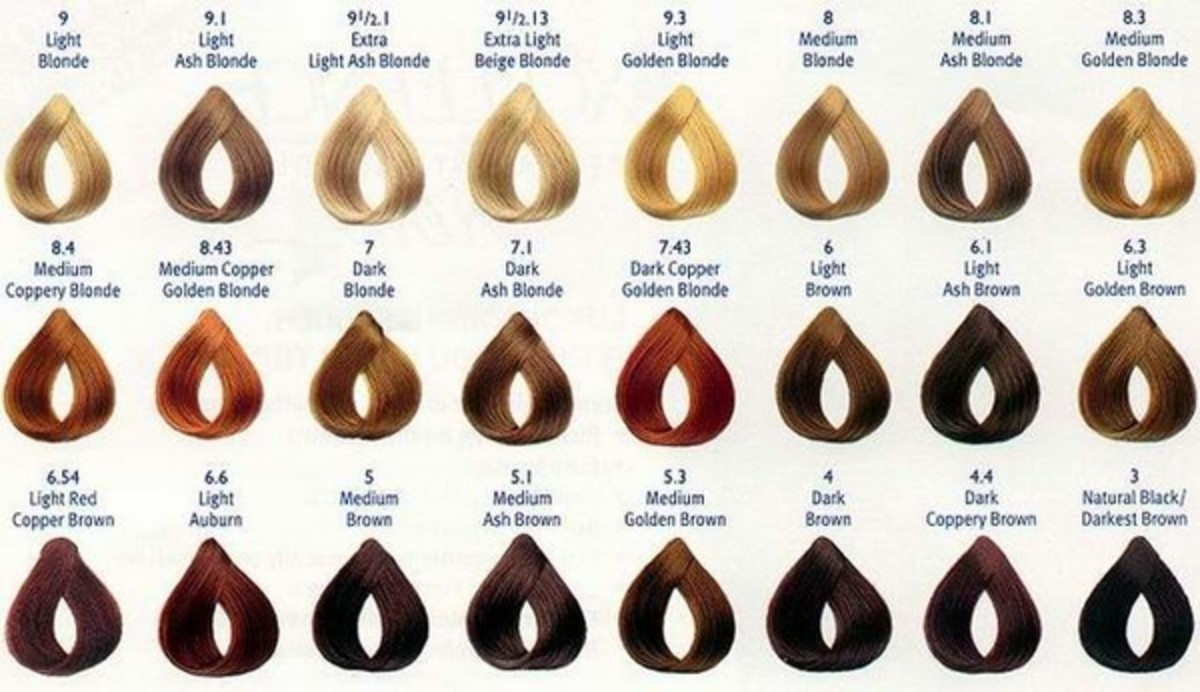
- Conveying Professionalism and Authority: In certain professional environments, classic, natural-looking hair colors like rich browns, subtle auburns, or sophisticated blondes might be perceived as more trustworthy and authoritative. These colors often align with established norms and can project an image of reliability and seriousness.
- Expressing Creativity and Individuality: For individuals in creative fields or those who wish to project an avant-garde image, bolder or unconventional hair colors can be highly effective. A vibrant red might signal passion and dynamism, while an unusual pastel hue could communicate artistic flair and a willingness to challenge the status quo.
- Enhancing Approachability: Softer, warmer tones like honey blonde or light brown are often associated with warmth and approachability. These colors can make an individual seem more friendly and open, which can be beneficial in roles that require strong interpersonal skills or customer interaction.
The key here is intentionality. Choosing a hair color that aligns with the desired personal brand, rather than simply following a trend, can lead to a more cohesive and impactful visual identity.
Corporate Identity and Brand Messaging
While hair color might seem primarily an individual concern, its influence extends to corporate branding, albeit in a more abstract sense. The “brand personality” that a company cultivates can be subtly reinforced through the visual aesthetics it employs, including the hair color of its representatives or the imagery used in its marketing.
- Associating with Specific Demographics: A brand targeting a younger demographic might feature models with trend-setting, vibrant hair colors in its campaigns, while a luxury brand might opt for more classic and understated hair colors to convey sophistication and timelessness.
- Projecting a “Brand Archetype”: Consider how brands like Coca-Cola often utilize vibrant, energetic reds and whites. While not directly about hair color, this illustrates how color palettes contribute to a brand’s overall message. Similarly, a brand aiming to embody the “rebel” archetype might feature imagery with striking, unconventional hair colors.
- The “Face” of the Brand: When a company utilizes spokespeople or brand ambassadors, their appearance, including their hair color, can become inextricably linked to the brand’s image. A memorable and iconic hair color associated with a beloved celebrity can lend a certain cachet to the brand they represent.
The strategic use of hair color, whether in personal branding or in shaping the visual identity of a corporate entity, is about understanding the power of visual communication and leveraging it to create desired perceptions. The “most attractive” hair color is not an objective truth but a subjective perception that can be influenced, shaped, and strategically employed.
aViewFromTheCave is a participant in the Amazon Services LLC Associates Program, an affiliate advertising program designed to provide a means for sites to earn advertising fees by advertising and linking to Amazon.com. Amazon, the Amazon logo, AmazonSupply, and the AmazonSupply logo are trademarks of Amazon.com, Inc. or its affiliates. As an Amazon Associate we earn affiliate commissions from qualifying purchases.