
The decision to purchase a home is often the largest financial commitment an individual or family will make in their lifetime. Central to this monumental undertaking is understanding mortgage interest rates. Far more than just a number, these rates dictate the true cost of borrowing money for a home, significantly impacting monthly payments, long-term affordability, and ultimately, a borrower’s financial freedom. In an ever-evolving economic landscape, grasping the intricacies of mortgage interest rates is not just beneficial, but essential for making informed decisions. This guide will delve into what mortgage interest rates are, the myriad factors that influence them, and practical strategies for securing the most favorable terms for your home loan.
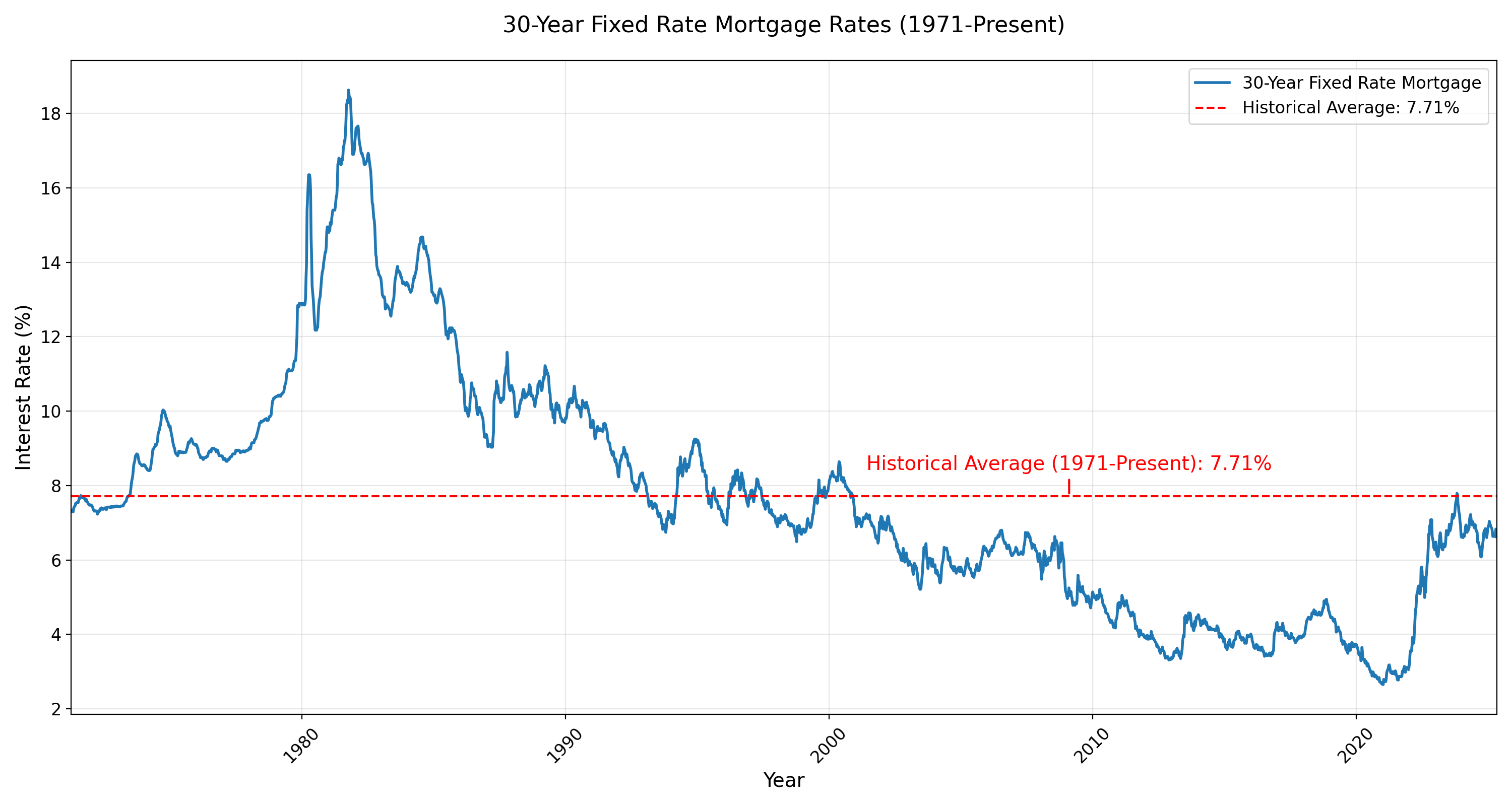
Understanding the Fundamentals of Mortgage Interest Rates
To truly appreciate the impact of mortgage rates, it’s crucial to first establish a foundational understanding of what they represent and how they function within the broader context of home financing.
What is an Interest Rate?
At its most basic, an interest rate is the cost of borrowing money, expressed as a percentage of the principal (the original amount borrowed). For the borrower, it’s the fee paid to the lender for the use of their money. For the lender, it’s the compensation received for providing funds and taking on risk. In the context of a mortgage, this interest is added to your principal balance over the loan term, determining your total repayment amount. A higher interest rate means a higher cost of borrowing over the life of the loan.
How Mortgages Work
A mortgage is a secured loan used to purchase real estate. Unlike an unsecured personal loan, a mortgage uses the property itself as collateral. If the borrower defaults on the loan, the lender has the right to repossess the property. When you take out a mortgage, you agree to repay the principal amount plus interest over a specified period, typically 15 or 30 years, through regular monthly payments. This repayment schedule, known as amortization, ensures that a portion of each payment goes towards the principal and a portion goes towards the interest, gradually reducing your outstanding balance until the loan is fully paid off. In the early years of a mortgage, a larger percentage of your payment goes towards interest; later in the loan term, more goes towards principal.
Fixed vs. Adjustable-Rate Mortgages (ARMs)
One of the most significant distinctions in mortgage products lies between fixed-rate and adjustable-rate mortgages. Understanding their differences is paramount for choosing the right loan for your financial situation.
-
Fixed-Rate Mortgages (FRMs): As the name suggests, the interest rate on a fixed-rate mortgage remains constant for the entire duration of the loan. This means your principal and interest payment will never change, offering predictability and stability. FRMs are popular for their simplicity and the security they provide against rising interest rates. Common terms are 15-year and 30-year fixed mortgages. While the monthly payments might be slightly higher than initial ARM payments when rates are low, the certainty often outweighs this for many homeowners.
-
Adjustable-Rate Mortgages (ARMs): ARMs feature an interest rate that can change periodically after an initial fixed-rate period. For example, a “5/1 ARM” means the rate is fixed for the first five years, and then adjusts annually thereafter. When the rate adjusts, it typically moves up or down based on a predetermined index (like the Secured Overnight Financing Rate – SOFR) plus a margin set by the lender. ARMs often start with a lower interest rate than fixed-rate mortgages, making them attractive for borrowers who anticipate selling or refinancing before the fixed period ends, or those who expect their income to rise significantly in the future. However, they carry the risk of substantially higher payments if interest rates rise after the fixed period expires. Most ARMs have caps that limit how much the interest rate can increase or decrease in a single adjustment period and over the life of the loan, offering some protection against extreme fluctuations.
Key Factors Influencing Mortgage Interest Rates
Mortgage interest rates are not set in a vacuum. They are a dynamic reflection of a complex interplay of economic forces, market conditions, and individual borrower profiles. Understanding these factors is key to predicting rate movements and optimizing your borrowing strategy.
Economic Indicators
Broader economic health profoundly impacts mortgage rates. Lenders assess risk and price their loans based on the overall economic environment.
- Inflation: Perhaps the most significant driver, inflation erodes the purchasing power of money over time. Lenders, to protect their returns, demand higher interest rates during periods of high inflation. Conversely, low inflation typically allows for lower rates. The Federal Reserve’s primary mandate is to control inflation, making its actions critically important.
- Federal Reserve Policy: The U.S. central bank doesn’t directly set mortgage rates, but its monetary policy decisions heavily influence them. The Federal Reserve influences the “federal funds rate,” which is the rate banks charge each other for overnight lending. Changes to this rate, along with other policies like quantitative easing or tightening (buying or selling government bonds), ripple through the financial system, affecting the cost of borrowing for all types of loans, including mortgages. When the Fed raises rates, mortgage rates tend to follow suit, and vice versa.
- Gross Domestic Product (GDP) Growth and Employment Data: A strong economy, characterized by robust GDP growth and low unemployment, often correlates with higher inflation expectations and increased consumer demand. This can lead to upward pressure on interest rates as lenders anticipate greater borrowing demand and seek higher returns. Conversely, economic slowdowns and rising unemployment can lead to lower rates as the Fed may cut rates to stimulate economic activity.
Market Forces
Beyond broad economic indicators, specific market dynamics play a crucial role in daily rate fluctuations.
- Bond Market (10-Year Treasury Yield): Mortgage rates are closely tied to the bond market, particularly the yield on the 10-year U.S. Treasury note. Mortgage-backed securities (MBS), which lenders sell to investors, compete with Treasury bonds for investor dollars. As the yield on the 10-year Treasury rises, so too do rates on MBS, leading to higher mortgage rates. This is often the most immediate and visible indicator of daily mortgage rate movement.
- Supply and Demand for Housing: While less direct, the health of the housing market can indirectly influence rates. A booming housing market with high demand might encourage lenders to be more competitive with rates to attract borrowers, or conversely, if demand outstrips supply, lenders might feel less pressure to offer ultra-low rates.
- Lender Competition: The competitive landscape among mortgage lenders also plays a role. In a highly competitive market, lenders may slightly lower their rates or offer better terms to attract borrowers, even if broader economic conditions suggest otherwise.
Borrower-Specific Factors

Even when macroeconomic conditions are favorable, an individual’s financial profile significantly impacts the rate they are offered.
- Credit Score: This is arguably the most critical borrower-specific factor. A higher credit score (generally FICO scores above 740-760) indicates a lower credit risk to lenders, often qualifying you for the best available rates. Low credit scores signal higher risk, leading to higher interest rates to compensate the lender.
- Debt-to-Income (DTI) Ratio: Your DTI is the percentage of your gross monthly income that goes towards debt payments. A lower DTI ratio (typically below 43%) demonstrates that you can comfortably manage additional debt, making you a less risky borrower and potentially qualifying you for better rates.
- Down Payment Size and Loan-to-Value (LTV): A larger down payment reduces the amount you need to borrow and, consequently, your loan-to-value (LTV) ratio. A lower LTV means you have more equity in the home from the start, reducing the lender’s risk and often translating to a lower interest rate. A down payment of 20% or more typically helps secure the most favorable terms and avoids private mortgage insurance (PMI).
- Loan Type: The type of mortgage you choose also matters. Conventional loans, FHA loans, VA loans (for veterans), and USDA loans (for rural properties) each have different qualification criteria and may come with varying rates based on their inherent risk profiles and government backing.
- Loan Term: Shorter loan terms (e.g., 15-year fixed) typically come with lower interest rates compared to longer terms (e.g., 30-year fixed) because the lender is exposed to risk for a shorter period. While monthly payments will be higher, the total interest paid over the life of the loan is significantly less.
Navigating Current Mortgage Rate Trends and Predictions
Staying informed about current mortgage rate trends and understanding how to interpret forecasts is a vital part of the homebuying or refinancing journey. The market is constantly in motion, and what was true yesterday may not be true tomorrow.
How to Track Rates
The internet has democratized access to mortgage rate information.
- Online Aggregators: Websites like Zillow, Bankrate, LendingTree, and Credit Karma allow you to compare rates from multiple lenders simultaneously, often in real-time. This provides a broad overview of the current market.
- Lender Websites: Many individual bank and mortgage broker websites publish their current daily rates. It’s advisable to check a few specific lenders you’re considering to get precise figures.
- Financial News Outlets: Major financial publications and news channels often provide updates and analysis on mortgage rate trends, linking them to broader economic news.
Understanding Rate Forecasts
While nobody has a crystal ball, various financial institutions and experts publish forecasts for mortgage rates.
- Why They Matter: Forecasts can provide an educated guess on the direction rates might be headed. This information can help borrowers decide whether to lock in a rate now or wait, or whether to opt for a fixed or adjustable-rate mortgage.
- Inherent Uncertainties: It’s crucial to remember that forecasts are not guarantees. Geopolitical events, unexpected economic data, or sudden shifts in central bank policy can quickly render predictions obsolete. They should be used as guidance, not definitive statements.
- Sources of Forecasts: Reliable sources include the Mortgage Bankers Association (MBA), Fannie Mae, Freddie Mac, and large financial institutions like Wells Fargo or JPMorgan Chase. These organizations employ economists and analysts dedicated to tracking market indicators.
The Impact of Global Events
Mortgage rates in the United States are not isolated from the rest of the world. Global economic and geopolitical events can have a significant ripple effect. For example:
- Geopolitical Stability: Major international conflicts or political instability can drive investors towards safe-haven assets like U.S. Treasury bonds. Increased demand for these bonds can lower their yields, potentially pushing mortgage rates down. Conversely, heightened global risk could lead to uncertainty, pushing rates up.
- International Economic Shifts: Economic slowdowns or booms in major global economies (e.g., China, European Union) can impact global demand, commodity prices, and investor sentiment, which in turn can influence U.S. inflation expectations and Federal Reserve policy, ultimately affecting mortgage rates. A strong dollar can also impact import/export dynamics which can filter down to domestic pricing pressures.
Strategies for Securing the Best Mortgage Rate
Armed with a comprehensive understanding of mortgage interest rates, the next step is to strategize how to secure the most favorable rate for your specific situation. This involves proactive financial management and diligent research.
Improving Your Financial Profile
Before you even start seriously shopping for a loan, taking steps to bolster your financial standing can significantly improve the rates you’re offered.
- Credit Score Improvement: Pay bills on time, reduce credit card balances, avoid opening new lines of credit unnecessarily, and dispute any errors on your credit report. A higher credit score signals less risk to lenders.
- Reducing Debt: Lowering your overall debt, especially revolving debt like credit card balances, will improve your debt-to-income ratio, making you a more attractive borrower.
- Increasing Savings for Down Payment: A larger down payment means a lower loan-to-value ratio, reducing the lender’s risk and potentially earning you a lower interest rate. It also helps avoid Private Mortgage Insurance (PMI) on conventional loans.
Shopping Around for Lenders
This cannot be stressed enough: do not take the first rate you are offered.
- Getting Multiple Quotes: Contact at least 3-5 different lenders – including large banks, credit unions, and independent mortgage brokers. Each lender has different pricing structures, fees, and lending criteria.
- Understanding Fees and APR: Look beyond just the interest rate. Compare the Annual Percentage Rate (APR), which includes the interest rate plus certain closing costs and fees, to get a more accurate picture of the total cost of the loan. Also, ask for a Loan Estimate from each lender, which provides a standardized comparison of costs.
- Negotiation: Don’t be afraid to leverage competitive offers. If one lender offers you a better rate or lower fees, ask another lender if they can match or beat it.
Considering Rate Locks
Once you have an accepted offer on a home and are ready to apply for a mortgage, a rate lock can be a valuable tool.
- What They Are: A rate lock guarantees the interest rate offered by the lender for a specific period, typically 30, 45, or 60 days, while your loan application is being processed. This protects you from rate increases if market rates rise during this time.
- When to Use Them: If you believe current rates are favorable and foresee a potential increase, locking in your rate can provide peace of mind. However, if rates drop significantly after you’ve locked, you might miss out on a lower rate (unless your lender offers a “float-down” option, which usually comes with a fee).
- Duration: Choose a lock period that comfortably covers your expected closing timeline. Longer lock periods may come with a slightly higher upfront fee or a marginally higher interest rate.
Refinancing Options
For existing homeowners, understanding mortgage rates also extends to the possibility of refinancing.
- When it Makes Sense: Refinancing involves replacing your existing mortgage with a new one. It makes sense if current interest rates are significantly lower than your current mortgage rate, allowing you to reduce your monthly payments or the total interest paid over time. It can also be used to change your loan term (e.g., from 30-year to 15-year) or to tap into home equity (cash-out refinance).
- Types of Refinancing: Beyond interest rate reduction, other common reasons to refinance include:
- Rate-and-Term Refinance: To get a lower interest rate or change your loan term.
- Cash-Out Refinance: To borrow more than you currently owe, taking the difference in cash to pay for home improvements, consolidate debt, or for other financial needs.
- Streamline Refinance: For FHA, VA, or USDA loans, this often allows for a faster refinancing process with less paperwork and potentially no appraisal.

Conclusion
Mortgage interest rates are a cornerstone of personal finance, particularly for anyone looking to enter the housing market or optimize their current home loan. They are a complex blend of macroeconomic forces, market dynamics, and individual financial credentials. By understanding the fundamental types of mortgages, recognizing the key indicators that influence rates, staying informed about market trends, and proactively employing strategies to improve your borrower profile and shop effectively, you empower yourself to make intelligent financial decisions. Navigating the world of mortgage rates can feel daunting, but with this knowledge, you are well-equipped to secure a loan that aligns with your financial goals and contributes to your long-term wealth building.
aViewFromTheCave is a participant in the Amazon Services LLC Associates Program, an affiliate advertising program designed to provide a means for sites to earn advertising fees by advertising and linking to Amazon.com. Amazon, the Amazon logo, AmazonSupply, and the AmazonSupply logo are trademarks of Amazon.com, Inc. or its affiliates. As an Amazon Associate we earn affiliate commissions from qualifying purchases.