
The journey toward homeownership is one of the most significant financial milestones an individual can achieve. At the heart of this journey lies a singular, pivotal figure: the mortgage interest rate. For many, this number is a source of anxiety or confusion, yet it is arguably the most influential factor in determining the long-term affordability of a home. A mortgage interest rate is not merely a percentage; it is the cost of borrowing money, a reflection of the global economy, and a primary driver of a household’s monthly budget. Understanding how these rates work, what influences them, and how to optimize your financial profile to secure a lower rate is essential for any savvy investor or homebuyer.
The Fundamentals of Mortgage Interest Rates
To navigate the world of real estate finance, one must first understand what a mortgage interest rate represents. In simplest terms, it is the fee charged by a lender for the use of their capital to purchase property. This interest is paid in addition to the principal—the actual amount borrowed.
The Difference Between Interest Rate and APR
A common point of confusion for borrowers is the distinction between the “advertised interest rate” and the “Annual Percentage Rate” (APR). The interest rate is the specific percentage used to calculate your monthly interest payment. However, the APR provides a more holistic view of the cost of the loan. It includes the interest rate plus other costs such as broker fees, points, and some closing costs. In the context of personal finance, the APR is often a better tool for comparing different loan offers because it reveals the true cost of borrowing.
How Lenders Calculate Your Monthly Payment
Most mortgages are amortized, meaning the monthly payment stays the same, but the ratio of interest to principal changes over time. In the early years of a mortgage, a significant portion of the payment goes toward interest. As the balance decreases, a larger portion is applied to the principal. Understanding this “front-loading” of interest is crucial for homeowners considering whether to pay off their mortgage early or invest their extra cash elsewhere.
The Role of Escrow and Interest
While the interest rate determines the cost of the debt, your total monthly mortgage payment often includes more than just principal and interest. Lenders frequently use escrow accounts to collect monthly installments for property taxes and homeowners insurance. While these do not fluctuate with the interest rate, they are integral to the overall financial commitment of the mortgage.
Macro and Micro Factors That Influence Rates
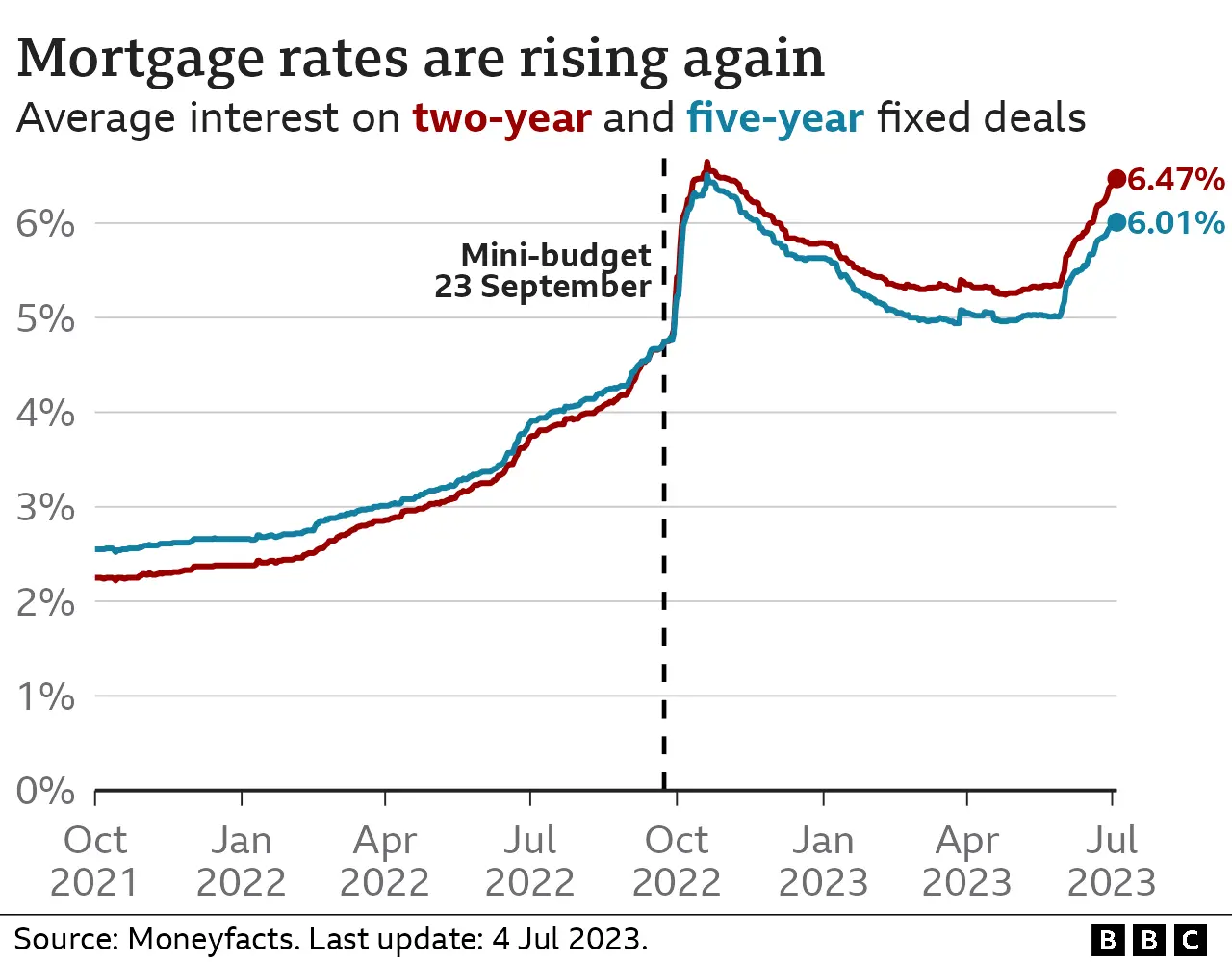
Mortgage interest rates are not static; they fluctuate daily based on a complex interplay of global economic trends and individual financial behaviors. For a borrower to find the best entry point into the market, they must understand these driving forces.
Economic Indicators and the Federal Reserve
The broader economy is the primary driver of baseline mortgage rates. Inflation is perhaps the most significant factor; when inflation rises, the purchasing power of the dollar falls, leading lenders to demand higher interest rates to compensate. Additionally, while the Federal Reserve does not directly set mortgage rates, its control over the federal funds rate influences the entire yield curve. When the Fed raises rates to combat inflation, mortgage rates typically follow suit. Investors also look toward the 10-year Treasury yield, which often serves as a benchmark for 30-year fixed-rate mortgages.
Personal Financial Health: Credit Scores and DTI
On a micro level, your personal financial profile determines where you fall on the lender’s spectrum of risk. The most critical factor is your credit score. Lenders view a high FICO score as evidence of fiscal responsibility, rewarding these borrowers with the lowest available rates. Conversely, a lower score suggests higher risk, resulting in a “risk premium” added to the interest rate. Furthermore, your Debt-to-Income (DTI) ratio—the percentage of your gross monthly income that goes toward paying debts—tells the lender if you can afford the new mortgage. A lower DTI usually translates to better loan terms.
Loan-to-Value Ratio and Down Payments
The size of your down payment significantly impacts your interest rate. The Loan-to-Value (LTV) ratio is the amount of the loan divided by the value of the property. A lower LTV (meaning a larger down payment) reduces the lender’s risk. If you provide a 20% down payment, you not only secure a better interest rate but also avoid Private Mortgage Insurance (PMI), which further reduces your monthly financial burden.
Comparing Fixed-Rate and Adjustable-Rate Mortgages
Choosing the right type of mortgage is a strategic decision that depends on your financial goals, risk tolerance, and how long you plan to stay in the home. The two primary categories are fixed-rate and adjustable-rate mortgages (ARMs).
The Stability of Fixed-Rate Loans
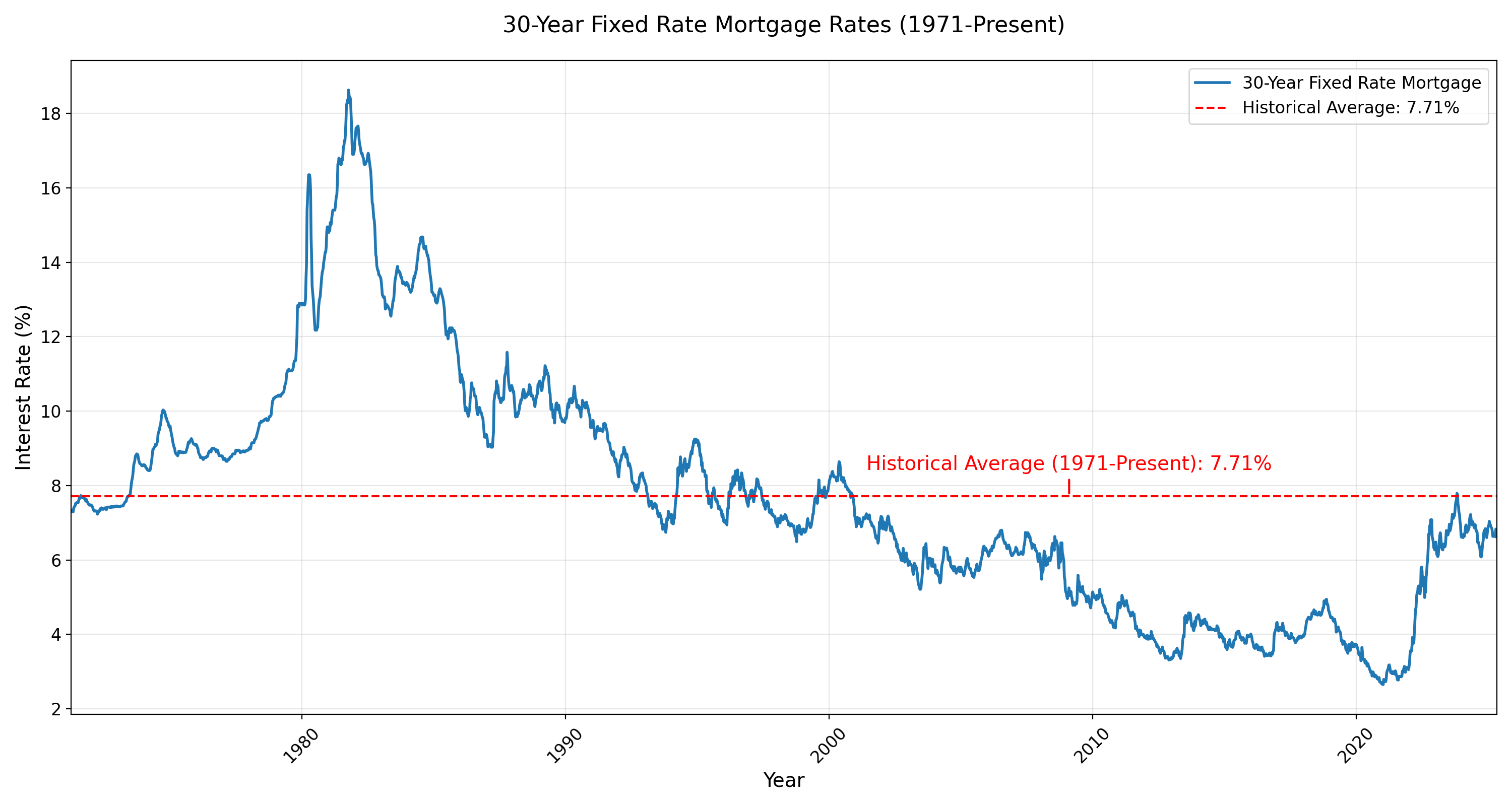
The fixed-rate mortgage is the gold standard of American home finance. Whether it is a 15-year or 30-year term, the interest rate remains identical from the first payment to the last. This provides unparalleled stability for long-term budgeting. If you secure a low rate in a favorable market, you are protected even if national interest rates skyrocket later. For most families, the 30-year fixed-rate mortgage offers the best balance of affordability and predictability.
The Mechanics of Adjustable-Rate Mortgages (ARMs)
ARMs offer an interest rate that is typically lower than a fixed-rate mortgage for an initial period—usually 5, 7, or 10 years. After this “teaser” period, the rate adjusts periodically based on a predetermined index. While ARMs can be risky in a rising-rate environment, they are effective tools for individuals who plan to sell the property or refinance before the initial period ends. From a money management perspective, the “spread” or savings generated during the low-interest years can be invested to offset future rate increases.
Short-Term vs. Long-Term Financing
The duration of the loan also dictates the interest rate. Generally, a 15-year mortgage will carry a lower interest rate than a 30-year mortgage because the lender is exposed to risk for a shorter period. While the monthly payments are higher due to the aggressive principal repayment, the total interest paid over the life of the loan is drastically lower. This is a powerful strategy for those focused on rapid equity building and long-term wealth.
Strategies to Secure the Best Possible Rate
Securing a mortgage is a negotiation, and being prepared can save you tens of thousands of dollars over the life of the loan. High-net-worth individuals and savvy personal finance enthusiasts often use specific tactics to lower their rates.
Improving Your Credit Profile Before Applying
The work of getting a good mortgage rate begins months, or even years, before the application. Paying down revolving credit card debt, ensuring there are no errors on your credit report, and avoiding new large purchases (like a car) can boost your score. Even a 20-point difference in a credit score can move a borrower from one “rate tier” to another, potentially saving thousands in interest.
The Importance of Comparison Shopping
Too many borrowers accept the first rate offered by their primary bank. However, mortgage rates can vary significantly between retail banks, credit unions, and online lenders. By obtaining “Loan Estimates” from at least three different lenders, you can leverage these offers against each other. Lenders are often willing to match or beat a competitor’s rate to win your business.
Buying Down the Rate with Points
“Discount points” are essentially prepaid interest. By paying an upfront fee at closing, you can permanently lower the interest rate on your mortgage. Each point typically costs 1% of the total loan amount and reduces the rate by about 0.25%. This is an excellent strategy for those who plan to keep the home for a long time, as the “break-even point”—the time it takes for the monthly savings to exceed the initial cost—is eventually reached and surpassed.
The Long-Term Impact of Interest Rates on Wealth Building
In the world of personal finance, the mortgage interest rate is more than a monthly expense; it is a variable that dictates your ability to build net worth. Small differences in percentages result in massive differences in total capital outlay.
Amortization and Total Interest Paid
Consider a $400,000 mortgage. At a 4% interest rate, the total interest paid over 30 years is approximately $287,000. At 7%, that figure jumps to over $558,000. That difference of $271,000 is capital that could have been directed toward retirement accounts, education funds, or other investments. Understanding the “cost of wait” or the “cost of a high rate” is essential for long-term financial planning.
Refinancing as a Wealth Strategy
A mortgage is not a life sentence. When interest rates in the general economy drop significantly, homeowners can “refinance” their debt. This involves taking out a new loan at a lower rate to pay off the old one. Successful refinancing can lower monthly payments, shorten the loan term, or allow the homeowner to tap into home equity for other investments. It is a vital tool in a homeowner’s financial arsenal.

Conclusion: Mastering the Rate
The mortgage interest rate is the most powerful lever in home finance. By understanding the macro-economic forces at play and optimizing your personal financial health, you can position yourself to secure the most favorable terms possible. Whether you are a first-time buyer or a seasoned real estate investor, respecting the power of the interest rate is the key to turning a house into a successful long-term financial asset. In the end, a mortgage is a tool—and like any tool, its effectiveness depends entirely on the knowledge of the person wielding it.
aViewFromTheCave is a participant in the Amazon Services LLC Associates Program, an affiliate advertising program designed to provide a means for sites to earn advertising fees by advertising and linking to Amazon.com. Amazon, the Amazon logo, AmazonSupply, and the AmazonSupply logo are trademarks of Amazon.com, Inc. or its affiliates. As an Amazon Associate we earn affiliate commissions from qualifying purchases.