
Understanding the currency of France is more than just knowing a name; it is an entry point into one of the world’s most sophisticated financial ecosystems. Whether you are a business traveler, an expatriate looking to settle in Paris, or an investor eyeing the French market, a deep dive into the Euro—and the systems that support it—is essential. In France, money is not just a medium of exchange; it is a reflection of a deeply integrated European economy and a history of fiscal transformation.
The Evolution of French Currency: From the Franc to the Euro
To understand the current state of money in France, one must first appreciate the seismic shift that occurred at the turn of the millennium. For centuries, the French Franc was the symbol of the nation’s economic sovereignty and cultural identity. However, the transition to a unified currency marked France’s commitment to a collective European future.

The Legacy of the French Franc
The French Franc (FRF) had a storied history dating back to the 14th century. Before its retirement, it was known for its colorful banknotes and its role as a stable reserve currency in many parts of the world, particularly in former French colonies. For generations, the Franc represented the stability of the French Republic. When the decision was made to join the Eurozone, it was not merely a financial change but a psychological one for the French populace. The legacy of the Franc still lingers in the minds of the older generation, who occasionally calculate prices back into “old francs” to gauge the value of expensive purchases like real estate.
The Transition to the Eurozone
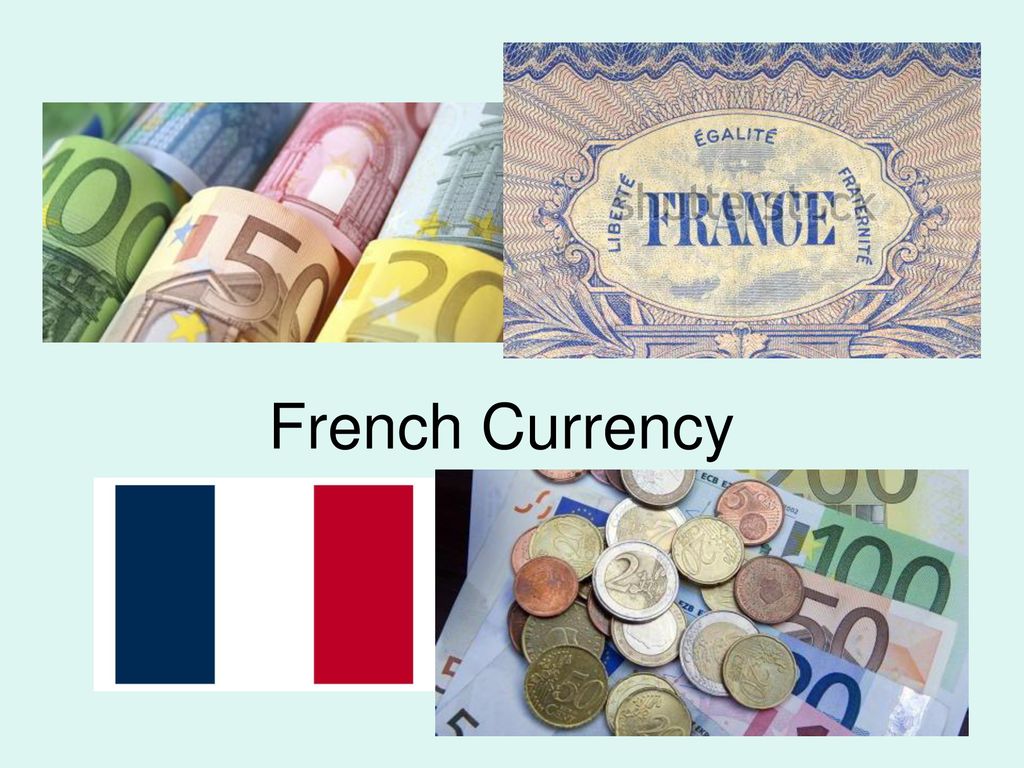
In 1999, the Euro (€) was introduced as an “invisible” currency for accounting purposes and electronic payments. It wasn’t until January 1, 2002, that Euro notes and coins entered physical circulation in France. This transition was one of the largest logistical undertakings in financial history. Today, the Euro is the official currency of France and 19 other European Union member states. For the French economy, this meant the elimination of exchange rate risks within its primary trading bloc and the creation of a massive, unified market that rivals the United States in terms of economic output.
Managing Your Money in France: Practical Tips for Travelers and Expats
Navigating the day-to-day financial landscape in France requires an understanding of both traditional customs and modern digital tools. While France is a leader in banking technology, certain nuances of personal finance remain uniquely French.
Using Cash vs. Cards in French Establishments
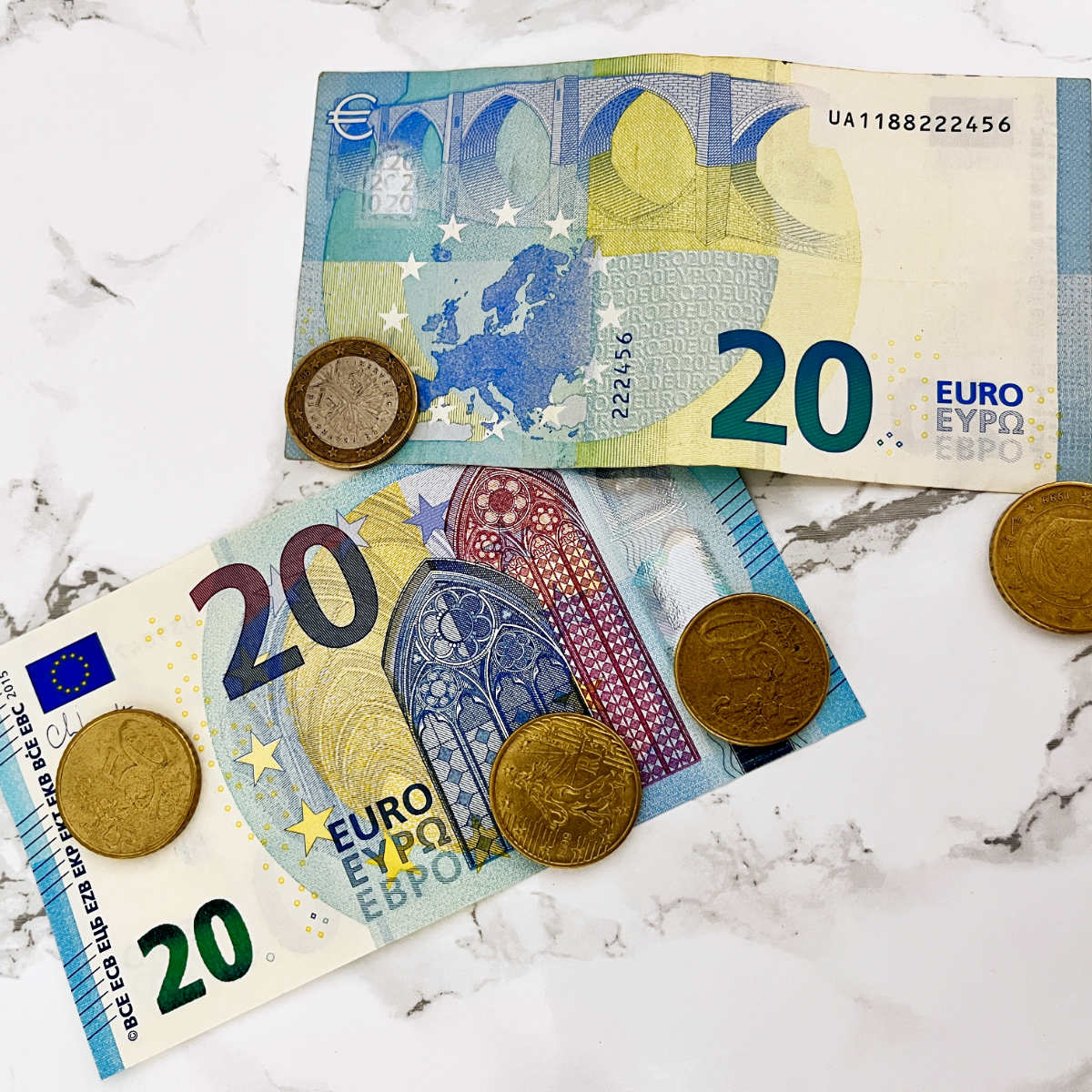
In modern France, “the money” is increasingly digital. Credit and debit cards—specifically those with EMV chip technology—are the standard. France was an early adopter of the “Carte Bleue” system, and today, contactless payments (sans contact) are the preferred method for transactions under 50 Euros.
However, cash (espèces) still holds a place in society. While you can pay for a multi-course meal in a Michelin-starred restaurant with a high-end credit card, a small boulangerie in a rural village might still have a “minimum purchase” requirement for card usage. Carrying a few Euro coins and small denominations like 5€ and 10€ notes is advisable for small purchases, tipping, and public transit.
Understanding ATMs and Transaction Fees
When accessing your money in France, the ATM (distributeur automatique de billets or DAB) is your primary resource. French ATMs are generally safe and widely available. From a personal finance perspective, it is crucial to understand the “Dynamic Currency Conversion” (DCC) trap. When an ATM asks if you want to be charged in your home currency or the local currency (Euros), always choose Euros. Choosing your home currency allows the machine’s operator to set an unfavorable exchange rate, often resulting in a 5% to 10% loss on the transaction.
The Financial Ecosystem of France: Banking and Business Finance
For those looking to engage with France on a deeper level—such as starting a side hustle, investing in property, or managing corporate accounts—the French banking system offers a robust, albeit bureaucratic, framework.
Opening a French Bank Account
For expats and business owners, the “RIB” (Relevé d’Identité Bancaire) is a fundamental document. This slip contains your account details and is required for everything from setting up a mobile phone plan to receiving a salary. Opening a bank account in France can be a rigorous process involving significant paperwork, known as the “know your customer” (KYC) protocols. Traditional banks like BNP Paribas, Société Générale, and Crédit Agricole dominate the landscape, but they are increasingly challenged by “neobanks” like Revolut and Qonto, which offer streamlined digital interfaces and lower fees for freelancers and small businesses.
Tax Considerations and Financial Regulations
France is known for its complex tax system, which is a vital consideration for anyone earning an online income or running a business within its borders. The “Prélèvement à la Source” (withholding tax) system was introduced recently to modernize how income tax is collected. Furthermore, France has specific regulations regarding “Auto-entrepreneurs” (sole traders), a popular status for those starting side hustles. This status simplifies social security contributions and tax reporting, making it an attractive gateway for entrepreneurs entering the French market. Understanding these financial structures is key to maintaining a healthy bottom line and staying compliant with the French Treasury (Trésor Public).
Investment Opportunities and the French Market
Beyond daily spending, the money in France flows through sophisticated investment channels. France is home to the Euronext Paris, one of the most significant stock exchanges in the world, and it remains a hub for global capital.
The CAC 40 and Corporate Investment
For those interested in the “Money” niche from an investing standpoint, the CAC 40 index is the primary benchmark. It tracks the 40 largest French companies listed on Euronext Paris, including global giants like LVMH, TotalEnergies, and L’Oréal. Investing in the French market provides exposure to the luxury goods, energy, and pharmaceutical sectors. For personal investors, France offers tax-advantaged accounts like the PEA (Plan d’Épargne en Actions), which encourages long-term investment in European equities by offering tax exemptions on capital gains after a five-year holding period.
Real Estate as a Financial Asset
Real estate remains a cornerstone of wealth in France. Whether it is a Haussmannian apartment in Paris or a vineyard in Bordeaux, French property is viewed as a stable, long-term store of value. However, the financial side of French real estate involves unique costs, such as “notaire” fees (closing costs) which can range from 7% to 8% of the purchase price. For the savvy investor, understanding the mortgage market is also essential; France often offers long-term, fixed-rate mortgages that are significantly lower than those found in the US or UK, making it a favorable environment for leveraged investment.
The Future of Money in France: Digital Payments and FinTech Innovation
The concept of “what the money is called” is evolving as France moves toward a more digitized and decentralized financial future. While the name remains the Euro, the way it moves is changing rapidly.
The Rise of Contactless and Mobile Payments
The COVID-19 pandemic accelerated a shift away from physical cash in France. Mobile payment apps like Lydia have become the “Venmo of France,” allowing users to split bills and send money instantly via their smartphones. On a larger scale, the French government has been a vocal supporter of the “Digital Euro” project led by the European Central Bank. This central bank digital currency (CBDC) aims to provide a secure, digital alternative to physical cash, ensuring that the Euro remains competitive in an era of private cryptocurrencies and global digital platforms.
France’s Role in the Digital Euro Project
France is not just a participant in the Eurozone; it is a leader in financial innovation. The Banque de France has been at the forefront of experimenting with wholesale CBDCs, testing how blockchain technology can settle large-scale interbank transactions more efficiently. For the business-minded individual, this signals a future where “French money” is more liquid, more transparent, and more integrated into the global digital economy. As France continues to foster a “Startup Nation” environment, the intersection of traditional finance and new-age FinTech will define the next chapter of the Euro’s history.
In conclusion, while the money in France is called the Euro, its value is derived from a complex interplay of history, culture, and cutting-edge financial technology. From the humble “centime” used to buy a baguette to the billions of Euros traded on the CAC 40, understanding France’s financial landscape is an essential skill for anyone looking to navigate the modern global economy. Whether you are managing personal finances, seeking side hustles, or looking to invest, the French financial system offers a wealth of opportunities for those who know how to speak its language.
aViewFromTheCave is a participant in the Amazon Services LLC Associates Program, an affiliate advertising program designed to provide a means for sites to earn advertising fees by advertising and linking to Amazon.com. Amazon, the Amazon logo, AmazonSupply, and the AmazonSupply logo are trademarks of Amazon.com, Inc. or its affiliates. As an Amazon Associate we earn affiliate commissions from qualifying purchases.