
In the rapidly evolving digital landscape of the 21st century, technology permeates every industry, and real estate is no exception. At the heart of virtually every modern property transaction lies a sophisticated digital infrastructure known as the Multiple Listing Service, or MLS. Far more than just a simple database, the MLS represents a pivotal technological achievement in real estate, acting as the central nervous system that connects agents, brokers, and buyers, fostering unprecedented levels of efficiency, transparency, and data accessibility. Understanding the MLS means delving into its technological underpinnings, its operational mechanics as a software platform, and its transformative impact on how properties are bought and sold.

The MLS: A Foundational Real Estate Technology
At its core, the MLS is a cooperative, digital system designed to enable real estate brokers to share information about properties for sale with other brokers. This collaboration extends their reach to prospective buyers beyond their immediate client base, while also providing them with comprehensive data on available properties to better serve their own clients. From a technological perspective, the MLS is a prime example of an industry-specific enterprise resource planning (ERP) system, albeit one focused specifically on inventory management and transaction facilitation within a highly localized, yet interconnected, network.
Defining the Multiple Listing Service as a Digital Platform
Conceive of the MLS as a vast, secure, and highly structured digital platform. It’s not a single, monolithic national entity, but rather a collection of hundreds of localized databases, each managed by a regional association of real estate professionals, typically Realtors®. These individual MLS systems operate under a shared set of principles, driven by the need for data standardization, security, and controlled access. Each platform serves as the authoritative source for real-time property data, listing status changes, property characteristics, pricing, and agent contact information, all organized for efficient querying and reporting.
Historical Evolution and Digital Transformation
The genesis of the MLS can be traced back to the late 19th century, born out of informal gatherings where brokers would share lists of properties with one another, often over coffee. This early, manual “multiple listing” system was a testament to the power of cooperation. The true technological leap, however, occurred with the advent of computers and the internet. What began as paper binders eventually transitioned to mainframe terminals, then to desktop applications, and ultimately to web-based platforms accessible from anywhere. This digital transformation centralized massive amounts of data, automated information sharing, and laid the groundwork for the robust real estate technology ecosystem we see today. The shift from localized, proprietary software to cloud-based, accessible platforms marked a monumental step, democratizing access for authorized users and enabling seamless integration with other digital tools.
The Core Functionality: A Centralized Database System
At the heart of every MLS is a sophisticated database management system (DBMS). This system is engineered to handle massive volumes of structured data, ensuring integrity, consistency, and rapid retrieval. When a property is listed, agents input a wealth of data points – from square footage and number of bedrooms to specific architectural features and zoning information. This data is then indexed and stored in a way that allows other agents to perform highly granular searches, filtering properties based on hundreds of criteria. This centralized data repository is the engine that drives market analysis, property discovery, and the entire transaction process.
How the MLS System Powers Real Estate Operations
The technological power of the MLS extends beyond mere data storage; it fundamentally redefines operational workflows for real estate professionals. It transforms what would otherwise be a fragmented and opaque market into a transparent, highly interconnected network, driven by data exchange and system interoperability.
Data Aggregation and Dissemination: The Engine Room
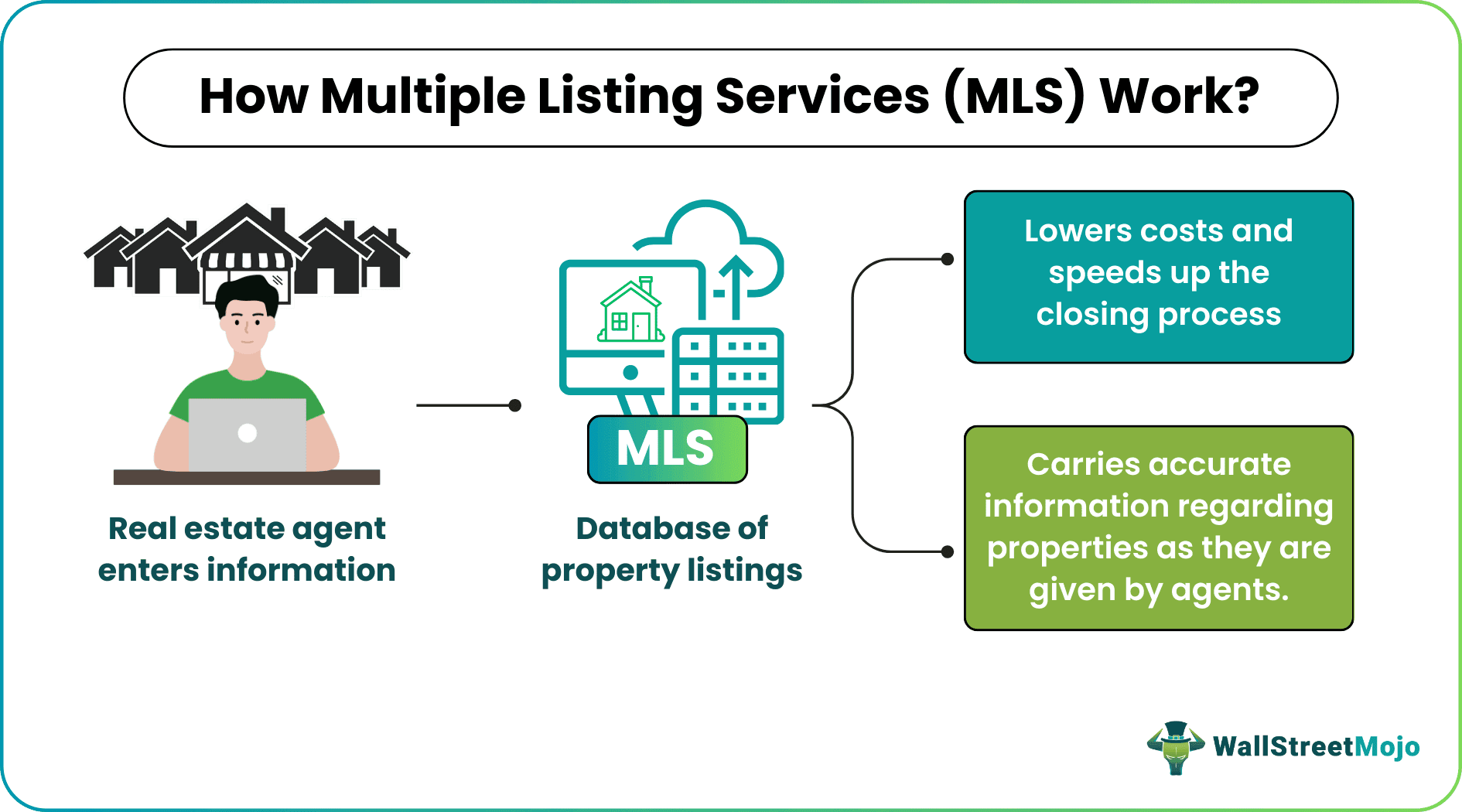
The primary operational function of the MLS is the efficient aggregation and dissemination of real estate data. Listing agents input property details, photos, virtual tours, and other pertinent information directly into the MLS database. Once entered, this data becomes immediately available to all other participating agents and brokers within that specific MLS’s geographical jurisdiction. This real-time information sharing ensures that all market participants are working with the most current and accurate data, significantly reducing information asymmetry and speeding up the sales cycle. The system’s ability to rapidly push updates on listing status (e.g., pending, sold, back on market) is critical for maintaining market accuracy.
Interoperability and Standardized Data Formats
A key technological strength of the modern MLS is its focus on interoperability. While individual MLS systems might vary in their specific user interfaces, they largely adhere to common data standards, such as the Real Estate Standards Organization (RESO) Data Dictionary. This standardization is crucial because it allows disparate systems to communicate effectively. It enables third-party software vendors – from CRM platforms to comparative market analysis (CMA) tools, virtual tour providers, and public portals like Zillow or Realtor.com – to “pull” or “push” data to and from the MLS in a consistent, machine-readable format. This open standard approach fosters innovation and allows agents to leverage a diverse ecosystem of integrated tech tools that enhance their productivity and client service.
Tools and Features for Real Estate Professionals
Modern MLS platforms are replete with advanced features designed to empower agents and brokers. These include:
- Listing Management Interfaces: Intuitive dashboards for inputting, editing, and managing property listings with multimedia uploads.
- Advanced Search Functionality: Sophisticated query builders allowing agents to search properties by myriad criteria, often including geographical boundaries, school districts, specific amenities, and even architectural styles.
- Comparative Market Analysis (CMA) Tools: Integrated features that help agents generate detailed reports comparing a subject property to recently sold, pending, and active listings, crucial for accurate pricing.
- Client Collaboration Portals: Tools that allow agents to set up personalized property alerts for clients, share listings directly, and receive feedback, often through branded client portals.
- Analytics and Reporting: Features providing market trends, inventory levels, days on market, and other vital statistics that aid in strategic decision-making.
- Showing Management Integration: Often linking directly with scheduling software, streamlining the process of booking and managing property viewings.
Technological Advantages for Real Estate Stakeholders
The technological framework of the MLS delivers profound advantages, revolutionizing how information flows, transactions occur, and value is created within the real estate ecosystem.
Enhancing Efficiency and Market Transparency Through Digital Access
One of the most significant advantages of the MLS is the dramatic increase in market efficiency and transparency it provides through digital access. Prior to widespread MLS adoption, finding properties was a laborious, fragmented process. Today, a buyer’s agent can instantly access a comprehensive inventory of available homes that match their client’s criteria, often receiving real-time notifications for new listings. This digital accessibility streamlines the property discovery phase, accelerates decision-making, and ensures that potential buyers are aware of virtually all suitable options, leading to a more liquid and fair market.
Driving Collaboration with Integrated Systems
The MLS fosters a unique form of technological collaboration among competing professionals. By creating a shared information pool, it incentivizes cooperation. Listing agents gain broader exposure for their properties, while buyer’s agents gain a vast inventory to offer clients. This symbiotic relationship is bolstered by integrated messaging systems, shared document repositories, and tools for submitting offers electronically, all contributing to a more cohesive and less adversarial transaction environment. The system’s rules often include compensation agreements, further solidifying the cooperative structure.
The Role of MLS Data in Predictive Analytics and AI
The sheer volume and structured nature of data within MLS systems make it an invaluable resource for advanced analytics and artificial intelligence. Researchers, data scientists, and PropTech innovators leverage anonymized MLS data to develop predictive models for pricing, market trends, investment opportunities, and neighborhood growth. AI algorithms can analyze historical sales data, property attributes, and external factors (like economic indicators or school ratings) to generate automated valuation models (AVMs) or identify emerging market patterns. This application of data science is transforming real estate from a largely intuitive business to one increasingly driven by data-backed insights, offering agents and investors a competitive edge.
The MLS in the Modern Digital Real Estate Landscape
The MLS isn’t a static technology; it’s continuously evolving, integrating with emerging technologies and adapting to the demands of a digitally savvy consumer base and an increasingly complex industry.
Integration with PropTech and Third-Party Applications
The modern MLS ecosystem thrives on integration. PropTech (Property Technology) companies build applications that seamlessly connect with MLS data feeds via APIs (Application Programming Interfaces) or IDX (Internet Data Exchange) feeds. This allows for a vast array of specialized tools, including:
- Customer Relationship Management (CRM) Systems: Automatically populate client profiles with property details and listing updates.
- Website Integrations: Display active MLS listings directly on agent and broker websites, providing a crucial consumer-facing portal.
- Digital Marketing Platforms: Leverage MLS data to create targeted advertising campaigns.
- Virtual Staging and Tour Software: Integrate multimedia assets directly into MLS listings.
This robust integration capability positions the MLS as a central data hub, fueling innovation across the real estate technology spectrum.
Cybersecurity and Data Integrity in MLS Systems
Given the sensitive and valuable nature of the data it holds, cybersecurity and data integrity are paramount for MLS systems. Robust security protocols, including multi-factor authentication, encryption, and regular security audits, are standard to protect against unauthorized access, data breaches, and manipulation. The integrity of the data is maintained through strict rules for data entry, mandatory updates on listing status, and often, human oversight to ensure accuracy. Maintaining the trust of real estate professionals and consumers hinges on the MLS’s ability to safeguard its digital assets.
Future Trends: Blockchain, AI, and the Evolving MLS
The future of the MLS is likely to see further technological advancements. Blockchain technology holds promise for enhancing transparency and security in property records and transaction histories, potentially integrating with MLS data to create immutable records. Artificial intelligence will continue to refine predictive analytics, automate administrative tasks, and personalize client experiences. Furthermore, advancements in data visualization and virtual/augmented reality could transform how properties are presented and explored within the MLS environment. As the real estate industry continues its digital transformation, the MLS will remain a critical technology, adapting to new paradigms and integrating cutting-edge solutions.
The Indispensable Tech Tool for Real Estate Professionals
Ultimately, the MLS is more than just a piece of software; it’s an indispensable technological utility that underpins the entire professional real estate industry. For agents, brokers, and appraisers, it is the primary workbench, the source of truth, and the cooperative network that enables their daily operations.
Empowering Agents and Brokers with Advanced Digital Tools
The MLS empowers real estate professionals by providing them with a comprehensive suite of digital tools that would be prohibitively expensive or complex to build individually. From robust search capabilities to automated reporting and integrated communication features, these tools dramatically enhance productivity, market knowledge, and client service. It transforms the agent’s role, allowing them to focus more on client relationships and negotiation, rather than manual data collection and dissemination.

Ensuring Fair Access and Distribution of Property Information
By standardizing and centralizing property information, the MLS ensures a relatively level playing field for real estate professionals. It democratizes access to market data, preventing any single entity from monopolizing information and fostering a competitive yet collaborative environment. This commitment to shared data and fair distribution is a cornerstone of its cooperative model, reinforcing its status as a vital, community-driven technological asset that serves the collective good of the industry and, by extension, the consumer.
In conclusion, the MLS is a monumental technological achievement within the real estate sector. Its evolution from manual lists to sophisticated digital platforms showcases the power of technology to transform an industry. By acting as a central database, a data exchange hub, and a suite of advanced digital tools, the MLS continues to drive efficiency, transparency, and innovation, making it the undeniable technological backbone of modern property transactions.
aViewFromTheCave is a participant in the Amazon Services LLC Associates Program, an affiliate advertising program designed to provide a means for sites to earn advertising fees by advertising and linking to Amazon.com. Amazon, the Amazon logo, AmazonSupply, and the AmazonSupply logo are trademarks of Amazon.com, Inc. or its affiliates. As an Amazon Associate we earn affiliate commissions from qualifying purchases.