
Understanding the minimum wage is a cornerstone of both personal finance and business management. In the Commonwealth of Kentucky, the minimum wage serves as the baseline for the labor market, influencing everything from household budgeting to corporate bottom lines. While the conversation around wage increases remains a hot-button issue in the state legislature, the financial reality for thousands of workers and small business owners remains tied to a specific set of statutes.
In this guide, we will analyze the current state of Kentucky’s minimum wage, explore the implications for business finance, and provide actionable strategies for those looking to improve their financial health within the current economic landscape.
Understanding the Current Minimum Wage in Kentucky
Kentucky is one of the states that follows the federal guidelines regarding the floor of the labor market. This alignment creates a predictable, albeit stagnant, financial environment for both employers and employees.
Federal vs. State Alignment
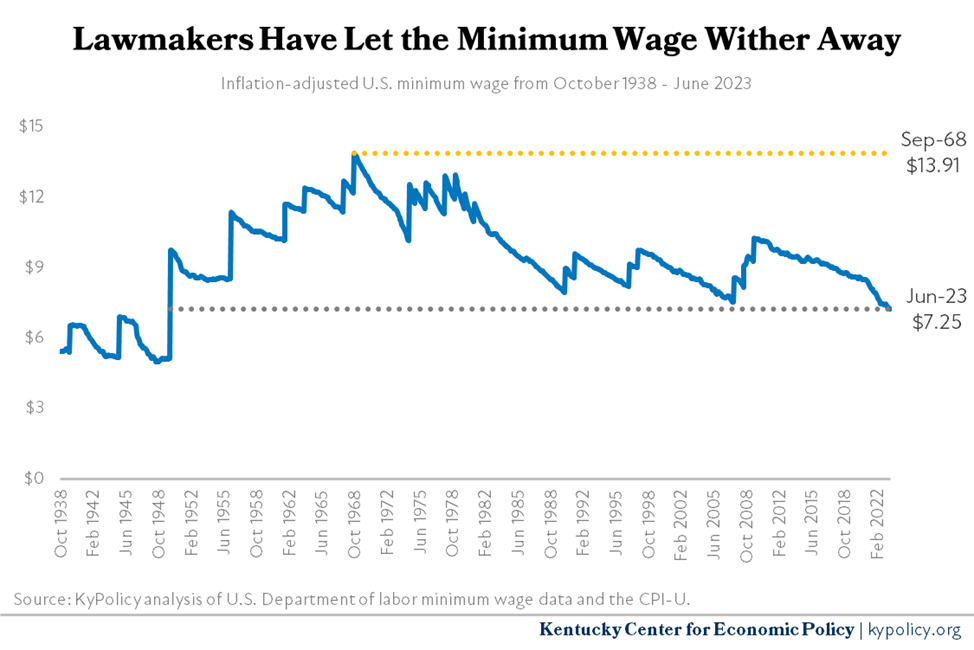
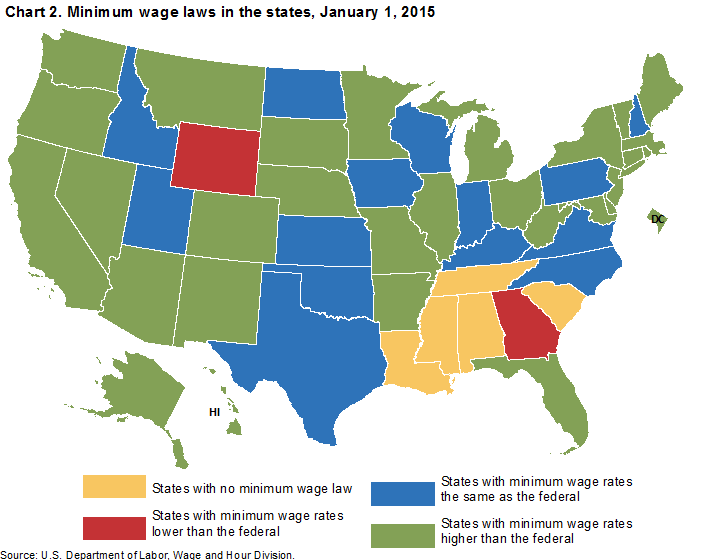
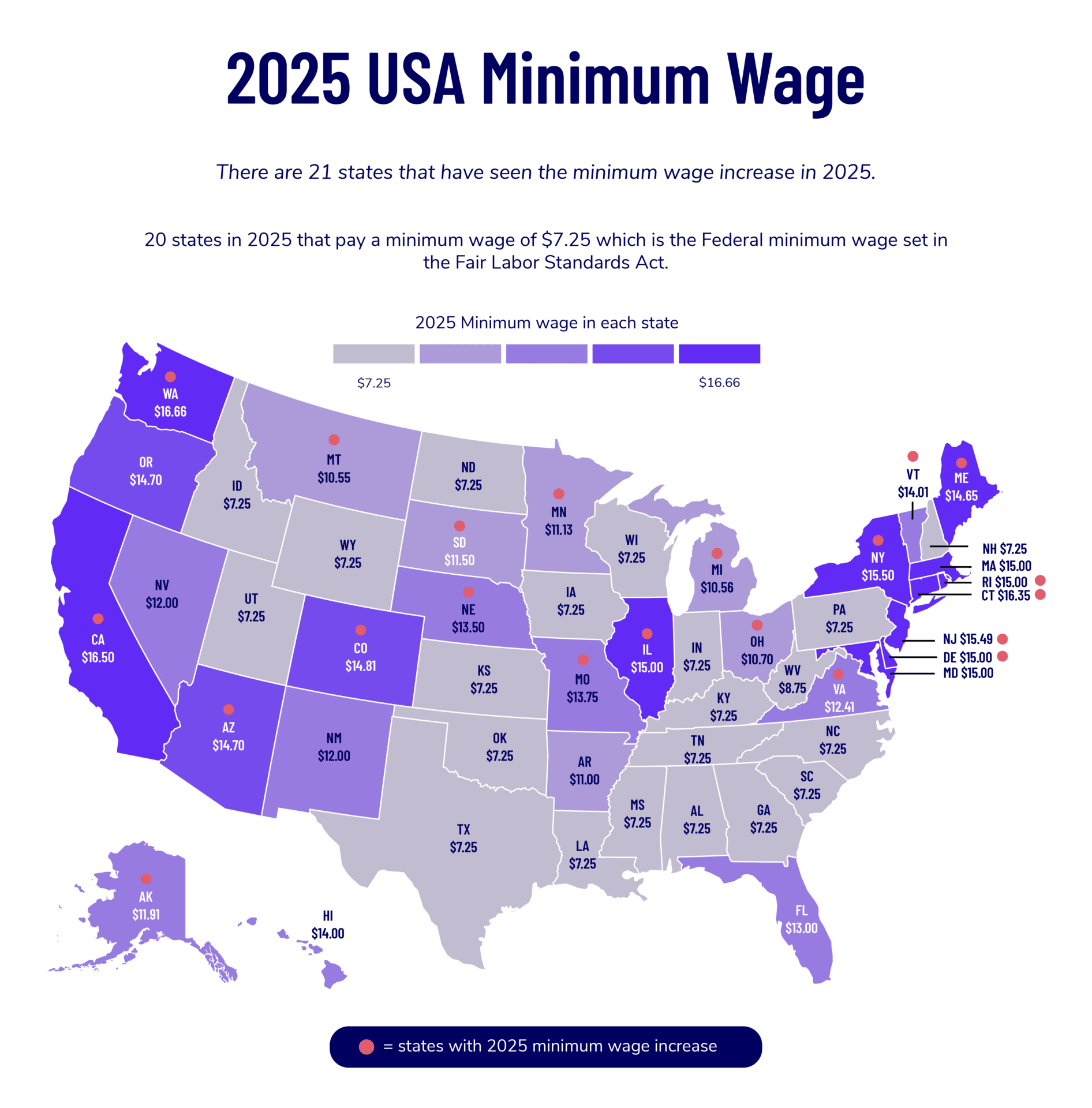
Currently, the minimum wage in Kentucky is $7.25 per hour. This rate is identical to the federal minimum wage, which was last increased in July 2009. Unlike some neighboring states that have passed legislation to incrementally raise their minimum wage to $12 or $15 over several years, Kentucky remains tethered to the federal standard. Under Kentucky Revised Statutes (KRS) Chapter 337, the state labor cabinet ensures that the state rate remains at least equal to the federal rate; should the federal government raise the minimum wage, Kentucky’s rate would automatically increase to match it.
The Tipped Employee Regulation
For workers in the hospitality and service industries, the financial structure is slightly different. Kentucky law allows employers to pay “tipped employees” a lower direct wage, provided that the combination of tips and the direct wage equals at least $7.25 per hour. The base cash wage for tipped employees is $2.13 per hour.
From a personal finance perspective, this creates significant income volatility. Tipped workers must be diligent about tracking their earnings to ensure they are meeting the legal minimum and to accurately report income for tax purposes. If an employee’s tips combined with their $2.13 hourly wage do not reach the $7.25 threshold, the employer is legally obligated to make up the difference.
Historical Context and Recent Legislative Trends
Over the past decade, there have been numerous attempts within the Kentucky General Assembly to raise the state minimum wage. Proposals have ranged from modest increases to $10.10 per hour to more aggressive pushes toward $15 per hour. Historically, these efforts have faced resistance due to concerns about business competitiveness and the potential for increased costs to be passed on to consumers.
Interestingly, some local municipalities in Kentucky, such as Louisville and Lexington, previously attempted to set their own higher minimum wages. However, the Kentucky Supreme Court ruled in 2016 that such local ordinances were invalid, asserting that only the state legislature has the authority to set minimum wage standards. This ruling solidified a uniform financial environment across all 120 counties.
The Economic Impact on Kentucky’s Business Finance
For business owners, the minimum wage is more than just a legal requirement; it is a primary variable in the cost-of-goods-sold (COGS) equation and a major factor in cash flow management.
Labor Costs for Small Business Owners
In industries like retail, fast food, and agriculture, labor often represents the largest operating expense. For small business owners in Kentucky, the $7.25 rate provides a low barrier to entry for hiring entry-level staff. However, keeping wages at the minimum can lead to high turnover rates. High turnover carries its own hidden costs, including recruitment, training, and lost productivity. Therefore, many Kentucky businesses find that paying slightly above the minimum—often referred to as a “market wage”—is a more sound long-term financial strategy.
Competitive Wages vs. Statutory Minimums
In the current post-pandemic economy, the “effective” minimum wage in many parts of Kentucky has already risen far above $7.25. Due to labor shortages and competition from large-scale employers (such as Amazon or UPS hubs), many entry-level positions in the state now start at $15 to $18 per hour.
For a business owner, this means that while the law says $7.25 is acceptable, the market dictates a different reality. Navigating this discrepancy requires sophisticated financial planning. Business owners must balance the need to offer competitive wages to attract talent while maintaining profit margins that allow for reinvestment and growth.
Industry-Specific Challenges: Hospitality and Retail
The hospitality sector faces unique financial hurdles. With the tipped wage set at $2.13, restaurants must manage complex payroll systems to ensure compliance with the “tip credit” rules. Furthermore, as the cost of living increases, businesses in this sector often face pressure to move away from the tipped model toward a “living wage” model, though this often requires significant restructuring of their business finance models and menu pricing.
Personal Finance Strategies for Minimum Wage Earners
Earning $7.25 per hour in today’s economy presents a significant challenge to achieving financial stability. In Kentucky, where the cost of living is lower than the national average but still rising, earners must be proactive in managing their personal finances.
Budgeting and Cost-of-Living Realities in Kentucky
According to various living wage calculators, a single adult in Kentucky needs significantly more than $7.25 per hour to be self-sufficient. To bridge this gap, earners must utilize rigorous budgeting tools. Focus should be placed on “needs” versus “wants,” with a heavy emphasis on minimizing housing and transportation costs—the two largest expenses for most Kentuckians. Utilizing apps for micro-investing and automated savings can help even those on a tight budget begin to build an emergency fund, which is the first step toward financial security.
Leveraging State Tax Credits and Assistance
Minimum wage earners in Kentucky may be eligible for various financial supports that can bolster their take-home pay. The Earned Income Tax Credit (EITC) is a powerful tool at the federal level, and understanding how to maximize this credit during tax season is essential. Additionally, the Kentucky Integrated Health Insurance Premium Payment (KIHIPP) program and other state-sponsored assistance can help offset the costs of healthcare and utilities, effectively increasing an individual’s discretionary income.
Education and Upskilling for Income Growth
In the realm of personal finance, the best investment one can make is in their own “human capital.” Kentucky offers several programs, such as the Work Ready Kentucky Scholarship, which provides free tuition for certificates and associate degrees in high-demand fields like healthcare, manufacturing, and business services. By transitioning from a minimum-wage role to a skilled trade or technical position, workers can often double or triple their hourly earnings, fundamentally changing their long-term financial trajectory.
Future Outlook: Potential Changes and Economic Forecasts
The financial landscape of Kentucky is not static. Stakeholders must keep an eye on the horizon to prepare for shifts in labor laws and economic conditions.
Legislative Proposals in the General Assembly
As we look toward future legislative sessions, the debate over a state-led wage increase continues. Proponents argue that a higher minimum wage would stimulate the economy by increasing the purchasing power of low-income consumers. Critics argue it would lead to automation and job losses. For those involved in business finance, it is prudent to model “stress tests” for their companies, calculating how a hypothetical jump to a $10.00 or $12.00 minimum wage would affect their viability.
The Influence of Neighboring States
Kentucky does not exist in a vacuum. It is bordered by states like Illinois, Ohio, and Missouri, all of which have higher minimum wages. This creates a “border effect” where workers in northern or western Kentucky may cross state lines for higher pay, forcing Kentucky businesses to raise wages to compete. This regional competition often does more to raise wages than state legislation ever could.
Automation and the Future of Low-Skill Labor
From a macro-finance perspective, a stagnant minimum wage can sometimes accelerate the adoption of technology. If the cost of labor is perceived as too high relative to productivity—or if the labor pool is too shallow—businesses will invest in kiosks, AI-driven customer service, and automated manufacturing. While this requires a high initial capital expenditure (CapEx), it can lower long-term operating expenses (OpEx). For the worker, this underscores the necessity of moving toward “tech-adjacent” roles that cannot be easily automated.
Conclusion: Balancing Growth and Living Standards
The minimum wage in Kentucky remains a foundational element of the state’s economic identity. At $7.25 per hour, it represents a baseline that many have already outpaced through market forces, yet it remains the legal reality for many entry-level positions.
For the individual, the key to financial success in Kentucky lies in aggressive budgeting, utilizing state resources, and prioritizing upskilling to move beyond the minimum. For the business owner, success depends on balancing the statutory requirements with the market’s demand for competitive pay, ensuring that labor costs don’t undermine the business’s long-term financial health.
As the economic conversation in the Commonwealth evolves, staying informed about these financial benchmarks is essential for anyone looking to build wealth or grow a business in Kentucky. By understanding the nuances of wage laws and the broader economic trends, Kentuckians can better navigate the complexities of personal and business finance.
aViewFromTheCave is a participant in the Amazon Services LLC Associates Program, an affiliate advertising program designed to provide a means for sites to earn advertising fees by advertising and linking to Amazon.com. Amazon, the Amazon logo, AmazonSupply, and the AmazonSupply logo are trademarks of Amazon.com, Inc. or its affiliates. As an Amazon Associate we earn affiliate commissions from qualifying purchases.