
Switzerland is renowned globally for its picturesque landscapes, high quality of life, and famously high cost of living. Often, discussions about Swiss economics turn to its wage structure, particularly the concept of a minimum wage. However, the answer to “what is the minimum wage in Switzerland?” is not as straightforward as in many other developed nations, revealing a unique and intricate financial landscape shaped by federalism, direct democracy, and strong collective bargaining.
A Unique Approach to Minimum Wage Policy
Unlike many of its European neighbours, Switzerland does not have a nationwide statutory minimum wage set by federal law. This absence is a defining characteristic of its labour market policy, rooted in a strong belief in economic liberalism and the power of social partnership. Instead of a single federal mandate, the determination of minimum pay is decentralized, primarily resting on two pillars: cantonal legislation and collective bargaining agreements (CBAs). This distinct approach means that minimum wage rates can vary significantly depending on where one works within the country and the specific industry.
No National Minimum Wage
The absence of a federal minimum wage is not an oversight but a deliberate policy choice. Several attempts to introduce a national minimum wage via popular initiatives have been rejected by Swiss voters. Proponents of this system argue that a national minimum wage would interfere with the autonomy of cantons and the ability of social partners (unions and employers’ associations) to negotiate fair wages that reflect local economic conditions and industry-specific realities. They contend that a top-down approach could harm small and medium-sized enterprises (SMEs) in less affluent regions or sectors, leading to job losses or reduced competitiveness.
Cantonal and Collective Bargaining Agreements (CBAs)
In the absence of a federal floor, minimum wage protection primarily emerges from two sources. Firstly, a growing number of Swiss cantons have, through their own legislative processes or popular initiatives, introduced cantonal minimum wages. These are legally binding within the respective canton’s borders. Secondly, collective bargaining agreements (CBAs), negotiated between employers’ associations and trade unions, play a crucial role. These agreements set minimum pay scales and working conditions for specific industries or companies, often covering a significant portion of the workforce even without a statutory cantonal minimum. These CBAs are particularly potent, often defining wages that are substantially higher than what might be considered a basic minimum elsewhere.
Understanding Cantonal Minimum Wages
While the federal government abstains from setting a national minimum wage, a significant number of cantons have stepped in to establish their own. These cantonal minimums reflect local living costs and political will, creating a patchwork of varying rates across the country.
Geneva: The Highest in the World
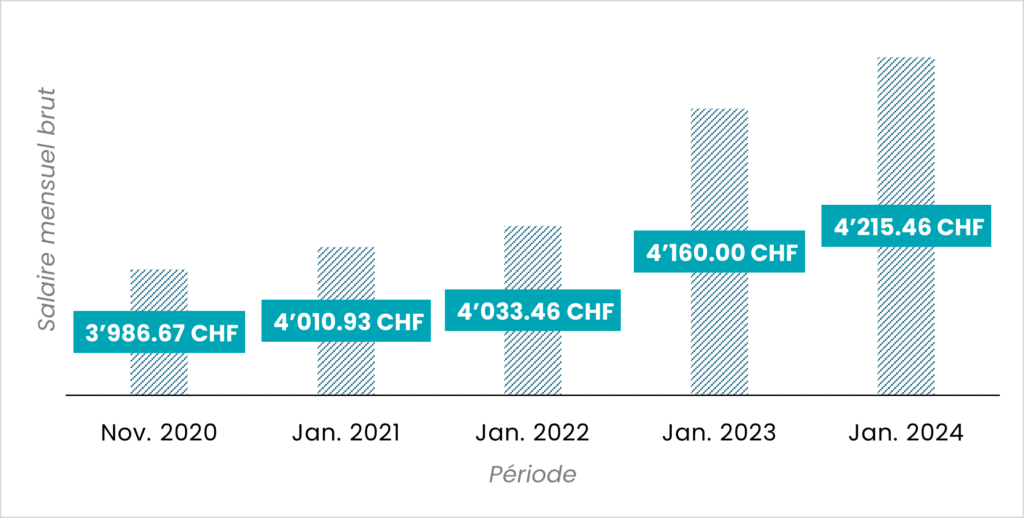
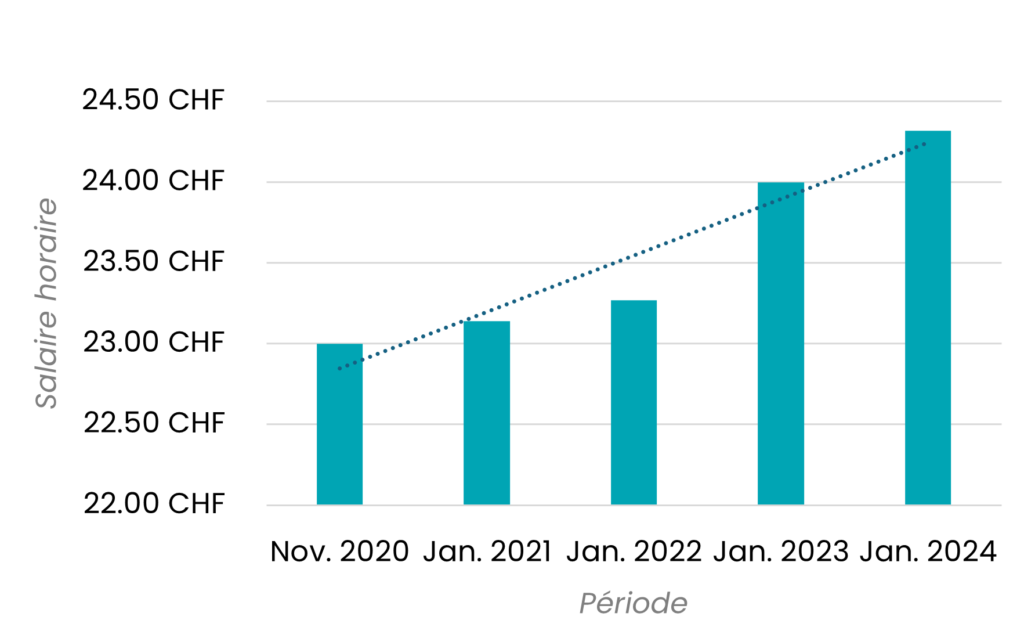
The Canton of Geneva stands out for having one of the highest minimum wages globally. Following a popular vote in 2020, Geneva introduced a minimum wage that is periodically adjusted. As of 2024, it sits at approximately CHF 24 per hour. This figure, translating to roughly CHF 4,368 per month for a 42-hour work week, is a direct response to Geneva’s exceptionally high cost of living, ensuring that even entry-level workers can afford basic necessities in one of the world’s most expensive cities. For individuals considering relocating to Geneva, understanding this figure is critical for personal financial planning, as it provides a benchmark for expected earnings against local expenses.
Other Cantons with Minimum Wages
Beyond Geneva, several other cantons have also implemented their own minimum wage laws, albeit at varying rates:
- Neuchâtel: One of the first cantons to introduce a minimum wage, currently around CHF 21 per hour.
- Jura: Similar to Neuchâtel, with a minimum wage also around CHF 21 per hour.
- Ticino: The Italian-speaking canton also has a minimum wage, set slightly lower, around CHF 19.50 per hour, reflecting a somewhat lower cost of living compared to Geneva or Zurich.
- Basel-Stadt: This urban canton, home to a significant pharmaceutical industry, also has a cantonal minimum wage, currently around CHF 21 per hour.
These examples illustrate the regional disparity in minimum pay. For businesses operating across multiple cantons, this necessitates careful compliance with varying local labour laws. For individuals, particularly those in entry-level positions, the choice of canton can have a direct impact on their earning potential and, consequently, their budgeting and savings capacity.
How Cantonal Wages are Determined
The process for establishing cantonal minimum wages often involves direct democratic instruments, such as popular initiatives or referendums, where citizens vote on proposals to set or adjust the minimum rate. These initiatives are typically driven by trade unions and social welfare organizations advocating for better living standards for low-wage earners. Once approved, the cantonal governments are responsible for implementing and enforcing these rates, often with provisions for regular adjustments based on inflation or other economic indicators. This bottom-up approach ensures that minimum wage policies are closely aligned with the specific economic and social realities of each canton.
The Role of Collective Bargaining Agreements (CBAs)
Even in cantons without a statutory minimum wage, or for industries where cantonal minimums might be lower, Collective Bargaining Agreements (CBAs), known as Gesamtarbeitsverträge (GAV) in German, play a pivotal role in setting minimum standards for wages and working conditions. These agreements are the bedrock of Switzerland’s social partnership model.
Industry-Specific Standards
CBAs are negotiated between employer associations and trade unions at the industry level. They cover a wide array of sectors, from hospitality and retail to construction and manufacturing. These agreements often specify minimum hourly or monthly wages for various job roles and experience levels within that particular industry. For instance, a CBA in the hotel and restaurant sector might stipulate different minimums for kitchen staff, waiters, and receptionists, often with incremental increases based on years of service or qualifications. These minimums are frequently higher than any existing cantonal statutory minimum, reflecting the industry’s capacity and the negotiated power of the unions.
Protecting Workers in Key Sectors
The comprehensive nature of CBAs means that a substantial portion of the Swiss workforce, estimated to be around half, is covered by these agreements. This provides a robust safety net, particularly for workers in sectors that might traditionally be prone to lower wages. CBAs also extend beyond just monetary compensation, often including provisions for paid leave, working hours, further training, and health and safety standards. For businesses, adhering to CBAs is not just a legal requirement but also a fundamental aspect of maintaining social peace and a productive workforce. For job seekers, identifying if a prospective employer is part of a CBA can offer significant insight into their expected remuneration and benefits package.
Beyond Minimums: Benefits and Working Conditions
CBAs often set a more holistic standard for employment than just minimum wages. They might include clauses on 13th-month salaries, holiday pay, pension contributions, and regulations on probation periods or dismissal. This comprehensive approach ensures a degree of stability and predictability for both employees and employers. For personal financial planning, particularly for those new to the Swiss labour market, understanding the specific CBA applicable to their industry is just as important as knowing any cantonal minimum wage. These agreements effectively create a sophisticated system of wage regulation that is finely tuned to the economic realities of specific sectors, supporting a high standard of living for many Swiss residents.
The “High Wage, High Cost” Paradox
Switzerland’s high wages, whether determined by cantonal law or CBAs, exist within an economic reality of exceptionally high living costs. This dynamic is often referred to as the “high wage, high cost” paradox and is crucial for anyone evaluating the financial implications of working and living in the country.
Cost of Living in Switzerland
While a minimum wage of CHF 24 per hour in Geneva sounds impressive, it must be viewed in the context of expenses. Rent, groceries, health insurance, transportation, and services are among the most expensive in Europe, if not the world. A modest one-bedroom apartment in a major city can easily cost CHF 1,500-2,500 per month or more. Basic groceries for a single person can run to several hundred francs monthly. Health insurance is mandatory and typically costs CHF 300-600 per month per adult. Therefore, while nominal wages are high, the real purchasing power needs careful consideration.
Purchasing Power Parity
Economists often use Purchasing Power Parity (PPP) to compare living standards across different countries. While Swiss nominal wages are very high, when adjusted for the cost of living, the effective purchasing power can be somewhat tempered compared to what the raw numbers might suggest. Nevertheless, even with high costs, many studies still place Switzerland among the countries with strong purchasing power, particularly for those earning above the basic minimums. This implies that while initial expenses are daunting, the potential for saving and discretionary spending can still be significant for those with well-paying jobs.
Financial Planning for Swiss Residents and Expats
For individuals moving to Switzerland or managing their finances within the country, meticulous financial planning is essential. Understanding the gross income is only the first step. One must then factor in mandatory deductions for social security, pension contributions, and income tax (which varies significantly by canton and municipality). Following these deductions, the high cost of housing, food, and health insurance will consume a substantial portion of disposable income. Budgeting tools, careful selection of housing location (commuter towns can be more affordable), and understanding tax implications are paramount to thriving financially in Switzerland. Expats, in particular, should be aware of the initial setup costs and ensure their expected salary adequately covers these high initial outlays.
Implications for Workers and Businesses
The Swiss minimum wage framework, or lack thereof at a federal level, has profound implications for both the labour force and the business environment. It shapes economic competitiveness, investment decisions, and the overall social fabric.
Attracting and Retaining Talent
Switzerland’s high wage environment, even for entry-level positions in cantons with minimum wages, makes it an attractive destination for skilled workers from across Europe and beyond. Businesses often leverage these competitive wages, alongside the high quality of life, to attract and retain top talent. For employers, this means a stable and highly productive workforce, but it also necessitates efficient operations and a focus on high-value activities to justify the elevated labour costs. For workers, the combination of strong earnings potential and excellent working conditions, often enshrined in CBAs, provides significant financial security and career development opportunities.
Economic Competitiveness
The absence of a national minimum wage allows for regional and sectoral flexibility, which proponents argue enhances the competitiveness of Swiss businesses. Companies in less profitable sectors or regions can maintain lower wage costs, potentially preserving jobs that might otherwise be outsourced or eliminated under a uniform national minimum. However, critics argue that this flexibility can lead to wage stagnation in certain low-skill sectors, contributing to income inequality. The debate is ongoing, but the current system undeniably promotes a focus on innovation, niche markets, and high-quality production to sustain the high-wage economy.

The Debate: Pros and Cons of Minimum Wage Policy
The ongoing debate over minimum wage policy in Switzerland reflects deeper economic philosophies. Supporters of cantonal minimum wages and strong CBAs emphasize social cohesion, living wages, and preventing in-work poverty. They argue that a floor beneath wages ensures dignity and allows workers to participate fully in society, especially given Switzerland’s high cost of living. Conversely, opponents, often from business federations, caution against overly prescriptive wage floors, fearing they could stifle job creation, reduce economic flexibility, and lead to inflationary pressures. They advocate for market forces and social partnership as the most effective mechanisms for wage determination. This dynamic interplay ensures that while minimum wage levels are high, they are also constantly scrutinized for their broader economic impact.
aViewFromTheCave is a participant in the Amazon Services LLC Associates Program, an affiliate advertising program designed to provide a means for sites to earn advertising fees by advertising and linking to Amazon.com. Amazon, the Amazon logo, AmazonSupply, and the AmazonSupply logo are trademarks of Amazon.com, Inc. or its affiliates. As an Amazon Associate we earn affiliate commissions from qualifying purchases.