
The question of “what is the minimum wage in New York City?” is more than just a simple numerical query; it’s a fundamental consideration for millions of workers and businesses, impacting livelihoods, operational costs, and the broader economic landscape of one of the world’s most dynamic cities. Understanding the intricacies of New York City’s minimum wage involves navigating state and city legislation, recognizing varying rates based on industry and employer size, and appreciating the ongoing discussions and potential future adjustments. This article delves into the current minimum wage in New York City, its historical context, the factors that influence it, and its implications for both employees and employers.
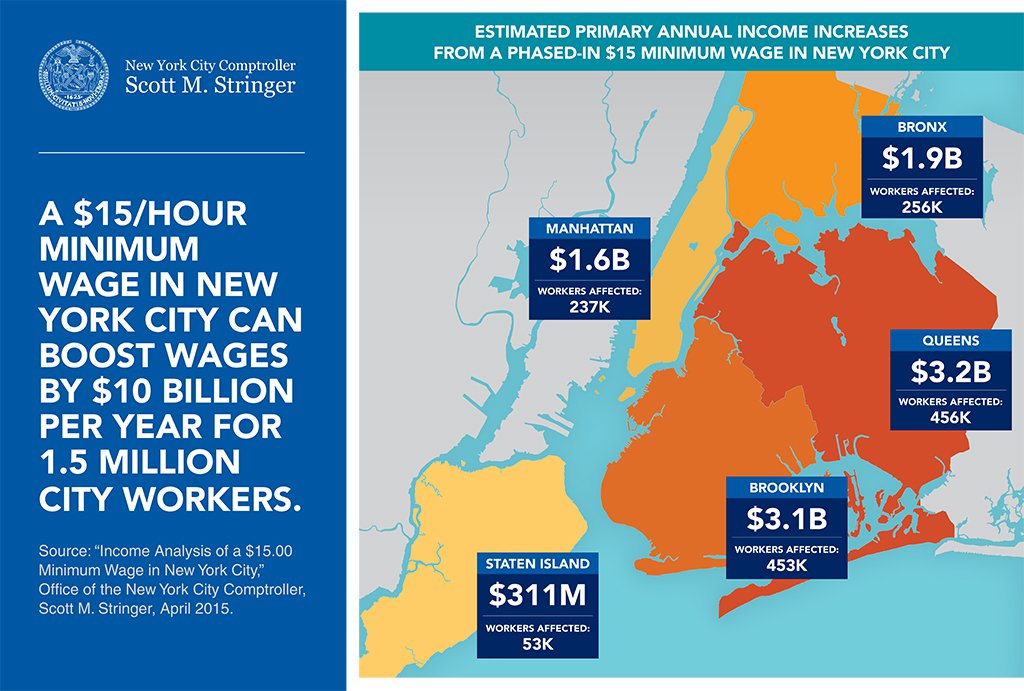
Understanding the Minimum Wage Framework in New York City
The minimum wage is a legally mandated price floor on the hourly wage that employers must pay their workers. In New York City, this framework is not a monolithic figure but rather a layered system influenced by state and local regulations. The concept is designed to ensure a basic standard of living, protect vulnerable workers, and contribute to economic stability by providing a baseline income.
New York State Minimum Wage Law: The Foundation
New York City operates under the umbrella of New York State’s minimum wage laws. These laws establish a statewide minimum wage, but crucially, they also empower certain regions, including New York City, to set higher minimum wage rates if their economic conditions warrant it. This dual-level system acknowledges that the cost of living and economic dynamics can vary significantly across the state. The state minimum wage serves as the floor, meaning that even if a city or region doesn’t establish its own higher rate, the state-mandated wage is still enforceable. However, in practice, major metropolitan areas like New York City have historically adopted, and continue to advocate for, higher rates to better reflect the realities of their local economies.
City-Specific Adjustments and the Role of the Cost of Living
New York City, due to its exceptionally high cost of living, has consistently argued for and implemented minimum wage rates that exceed the state-mandated minimum. The primary driver behind these city-specific adjustments is the recognition that the baseline income provided by the state minimum wage is often insufficient to cover basic necessities such as housing, transportation, food, and healthcare within the city’s expensive environment. Factors such as rent, utility costs, and the general price of goods and services are significantly higher in New York City compared to many other parts of the state. This disparity necessitates a localized approach to minimum wage policy to ensure that workers can achieve a reasonable standard of living. The process of setting these rates often involves input from labor organizations, business groups, and economic policy analysts, highlighting the complex interplay between worker needs and business realities.
Current Minimum Wage Rates in New York City
As of recent legislative adjustments, New York City, along with Long Island and Westchester County, benefits from a higher minimum wage compared to other regions in New York State. This tiered approach reflects the differing economic landscapes and cost of living across the state. It’s important for both employers and employees to be aware of these specific rates, as non-compliance can lead to significant penalties.
The Current Hourly Rate and Applicable Regions
For New York City, Long Island, and Westchester County, the current minimum wage is set at $16.00 per hour. This rate became effective on January 1, 2024. This figure represents a crucial benchmark for hourly workers in these areas. It’s important to note that this rate applies to most employees, regardless of the size of the employer. However, specific industries or types of employment might have different rules or allowances, such as for tipped employees or certain trainees. The consistent increases over the past decade have been a result of legislative action and a recognition of the need to keep pace with inflation and the rising cost of living.
Differentiated Rates for Other Regions in New York State
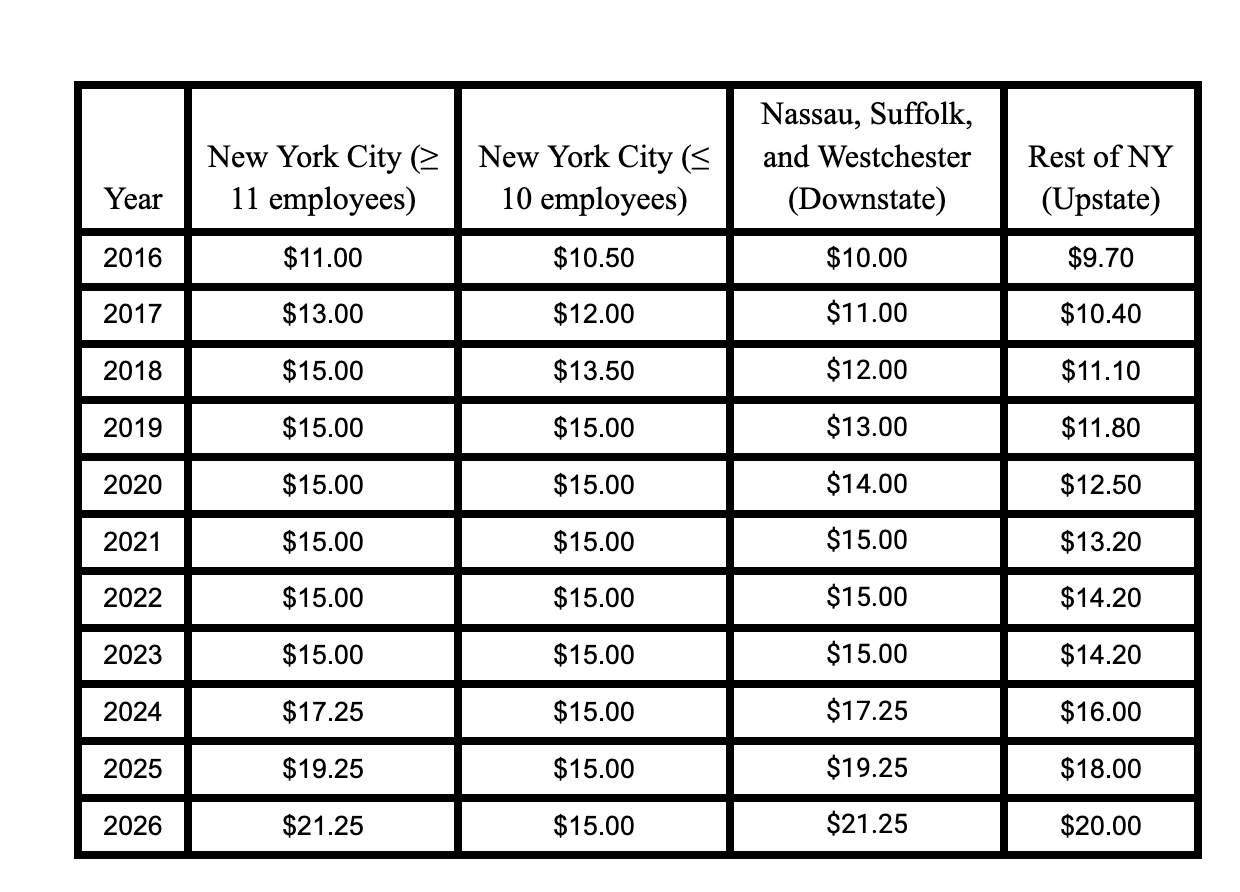
While New York City boasts the highest minimum wage, the rest of New York State operates under different rates. For areas outside of New York City, Long Island, and Westchester County, the minimum wage is currently set at $15.00 per hour, also effective from January 1, 2024. This distinction underscores the policy’s intent to address the economic disparities within the state. Employers operating in different counties within New York must adhere to the minimum wage specific to their geographical location. This differentiation acknowledges that the economic pressures and the cost of living vary significantly across the vast state of New York, from its urban centers to its more rural areas.
Tipped Employees and Special Wage Provisions
A significant area of complexity within minimum wage discussions revolves around tipped employees. In many industries, particularly food service, employees earn a portion of their income through tips. Labor laws often allow employers to pay tipped employees a lower hourly wage, with the expectation that tips will supplement their income to reach the standard minimum wage. However, this provision is subject to strict regulations to prevent exploitation.
The “Tip Credit” and its Application
New York State, like many other states, utilizes a “tip credit” system. This means that employers are allowed to pay tipped employees a sub-minimum cash wage, provided that the employee’s tips, combined with the employer’s cash wage, reach the full minimum wage for the applicable region. For New York City, Long Island, and Westchester County, the current cash wage for tipped employees is $13.35 per hour. If a tipped employee’s cash wages plus tips do not equal at least $16.00 per hour, the employer must make up the difference. This “tip credit” is a complex aspect of wage law, and its application requires careful attention to detail to ensure compliance. Employers must keep meticulous records to demonstrate that the full minimum wage has been met.
Regulations and Employer Obligations for Tipped Workers
The regulations surrounding tipped employees are designed to protect workers and ensure they receive a fair wage. Employers must inform their tipped employees about the tip credit provisions and how the system works. Crucially, if an employee does not receive enough in tips to reach the full minimum wage, the employer is legally obligated to pay the difference. Furthermore, employers cannot use the tip credit if the employee’s tips are pooled among multiple workers in a way that dilutes their earnings. It is illegal for employers to keep any portion of an employee’s tips, except in specific circumstances like a mandatory service charge that is clearly defined as distributable. Navigating these rules requires a thorough understanding of New York’s Labor Law and Department of Labor guidance.
Implications and Future Considerations
The minimum wage in New York City is not a static figure; it is a dynamic element of the economy that is subject to regular review and potential adjustments. The impact of minimum wage increases extends far beyond the hourly paychecks of workers, influencing business operations, employment levels, and the overall economic health of the city.
Economic Impact on Businesses and Employment
For businesses, an increase in the minimum wage directly translates to higher labor costs. This can lead to several potential outcomes. Some businesses may absorb the increased costs by reducing profit margins, while others might pass the expenses on to consumers through price increases. In some instances, particularly for small businesses with tight margins, significant wage hikes could lead to reductions in staff hours, slower hiring, or even layoffs. Conversely, proponents of minimum wage increases argue that higher wages can boost consumer spending, as low-wage workers tend to spend a larger proportion of their income, thereby stimulating demand and potentially creating jobs in the long run. The net effect is a subject of ongoing economic debate and research, with varying impacts depending on the industry, the magnitude of the wage increase, and the overall economic climate.
The Ongoing Debate and Potential for Future Increases
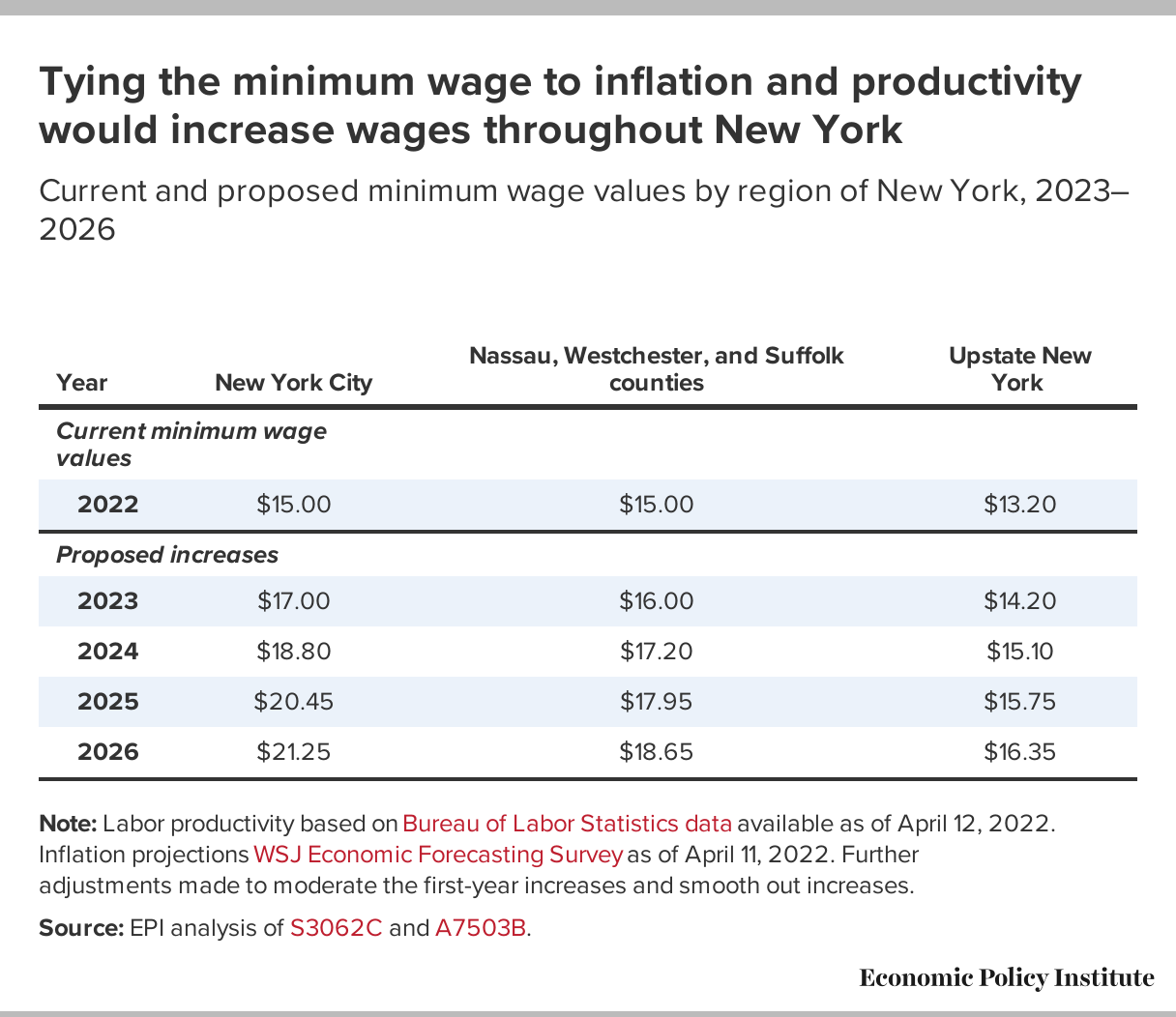
The minimum wage in New York City is a perennial topic of discussion and advocacy. Labor unions, worker advocacy groups, and many elected officials consistently push for further increases, citing the persistent challenges of affordability in the city. They often point to inflation, the rising cost of housing, and the need for a “living wage” – a wage that allows individuals and families to cover basic necessities without relying on public assistance. Business groups, on the other hand, often express concerns about the potential negative impacts on competitiveness and employment, advocating for more gradual increases or a slower pace of adjustment. Future legislative actions will likely continue to be shaped by this ongoing dialogue, economic data, and the political will to address issues of income inequality and economic justice in one of the nation’s most significant economic hubs. The scheduled increases are often tied to inflation or specific economic indicators, suggesting a continued evolution of minimum wage policy in New York City.
aViewFromTheCave is a participant in the Amazon Services LLC Associates Program, an affiliate advertising program designed to provide a means for sites to earn advertising fees by advertising and linking to Amazon.com. Amazon, the Amazon logo, AmazonSupply, and the AmazonSupply logo are trademarks of Amazon.com, Inc. or its affiliates. As an Amazon Associate we earn affiliate commissions from qualifying purchases.