
In the rapidly shifting landscape of digital communication, the emergence of specific visual shorthands often outpaces the formal documentation of the technology that hosts them. One of the most curious phenomena to capture the intersection of social media algorithms and youth subculture is the “mewing emoji.” While technically categorized within the Unicode Standard under a different name, its functional identity has been repurposed by millions of users across TikTok, Instagram, and YouTube. Understanding what the mewing emoji is called—and why it has become a cornerstone of digital discourse—requires an exploration of tech-driven cultural trends, the mechanics of viral symbolism, and the evolving nature of digital semiotics.
The Intersection of Emojis and Digital Culture
Emojis are no longer merely decorative icons; they are the fundamental building blocks of modern digital syntax. As software platforms evolve to prioritize short-form video and rapid-fire interaction, the way we use these symbols has transitioned from literal representation to complex, metaphorical signaling.
From Unicode to Viral Memes
Every emoji on your smartphone exists because of the Unicode Consortium, a non-profit organization that standardizes text representation across different software systems. When a new emoji is released, it is given a formal, clinical name. However, the tech community frequently witnesses a “semantic hijack,” where a specific icon is adopted by a subculture to represent an entirely different concept. The “mewing emoji” is a prime example of this technical repurposing. While the software recognizes it as a specific gesture, the digital community recognizes it as a badge of a specific lifestyle and aesthetic trend.
The Psychology of Shorthand in Digital Spaces
In the high-velocity environment of apps like TikTok, users communicate through “brainrot” or “Gen Alpha” slang—a tech-centric dialect that relies heavily on visual cues. The mewing emoji serves as a non-verbal interjection. From a technical perspective, these symbols act as meta-tags for content. When a user employs the mewing emoji, they are effectively categorizing their content within a specific algorithmic niche, ensuring it reaches an audience familiar with the “looksmaxxing” and self-improvement tech-communities.
Identifying the “Mewing Emoji”: More Than Just a Shushing Face
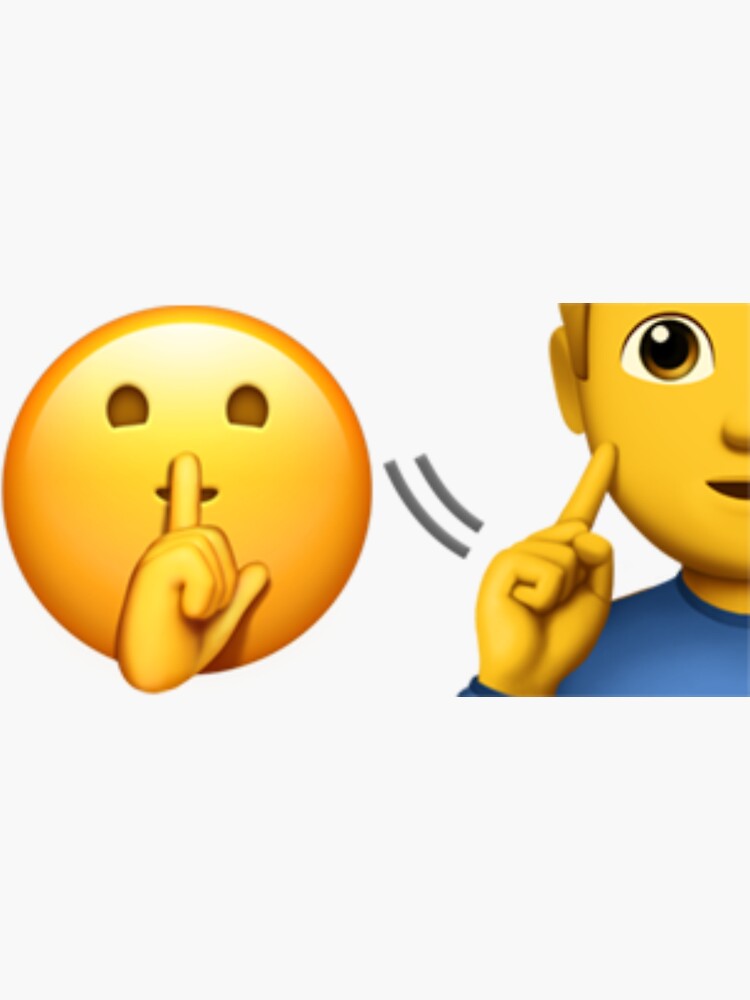
When users ask, “What is the mewing emoji called?” the answer depends on whether you are looking at the source code or the cultural context. There is no official “mewing” icon in the current Unicode library, yet the digital world has collectively agreed upon a substitute.
The Role of the Shushing Face Emoji ( )
The primary icon associated with mewing is the Shushing Face ( ). Officially introduced in Unicode 10.0 in 2017, its intended use was to signal silence or a secret. In the context of the mewing trend, however, the meaning has been technically remapped. “Mewing” refers to a tongue-posture technique intended to define the jawline. Because the physical act of mewing requires keeping the mouth closed and the tongue pressed to the roof of the mouth, the “shushing” gesture became the perfect digital proxy.
Gestural Symbolism and the “Bye-Bye” Trend
The technical use of the emoji is often paired with a specific physical gesture in videos: a person points to their jawline and then holds the shushing finger to their lips. This is often accompanied by the song “Icewhore” by Lumi Athena or other high-bpm tracks, a trend often referred to as “Bye-Bye.” In this tech-driven ecosystem, the emoji serves as a “stop” command in a conversation. It signals that the user cannot speak because they are currently “mewing” to maintain their facial structure, effectively ending the interaction with a display of perceived aesthetic superiority.

How Social Media Algorithms Propagate Digital Lexicons
The rise of the mewing emoji isn’t an accident of human interaction; it is a result of how modern software algorithms prioritize and distribute content. The tech behind these platforms is designed to identify “high-signal” symbols that drive engagement.
The TikTok Effect: Virality and Visual Cues
TikTok’s recommendation engine (the “For You Page” or FYP) relies heavily on computer vision and hashtag analysis. When a specific emoji—like the Shushing Face—becomes synonymous with a high-engagement trend like mewing, the algorithm begins to recognize the symbol as a marker of relevance. This creates a feedback loop: users see the emoji, use the emoji to gain views, and the software continues to push that content to the top of the feed. This technical loop has transformed the icon from a simple “quiet” sign into a global symbol for a facial exercise trend.
Semantic Saturation in the Gen Z Tech Ecosystem
As digital native generations spend more time within app ecosystems, the “tech-lexicon” becomes increasingly abstract. Semantic saturation occurs when a symbol is used so frequently in a new context that its original meaning is lost. For many younger users, the Shushing Face is no longer “the quiet emoji”; it is exclusively the “mewing emoji.” This shift demonstrates the power of software platforms to redefine language more quickly than traditional linguistic institutions.
The Technical Future of Symbolic Language
As we look toward the future of digital communication, the mewing emoji phenomenon highlights a gap in how our software handles evolving human expression. We are moving toward a period where emojis might become more dynamic or context-aware.
The Potential for a Dedicated Mewing Icon
There is ongoing debate within digital design communities about whether the Unicode Consortium should respond to viral trends by creating dedicated icons. While a “mewing” emoji might seem niche, the scale of the trend—billions of views across platforms—suggests that our current emoji library may be too static. If the trend persists, we may see third-party keyboard apps or custom sticker packs (like those on Telegram or Discord) introducing a literal “jawline-pointing” icon to satisfy the technical demand for more precise expression.
Adaptive Communication in the Age of AI and Short-Form Video
With the integration of AI into messaging apps, we are beginning to see “predictive symbolism.” Future iterations of mobile operating systems (iOS, Android) might use AI to suggest emojis based not just on the words we type, but on the cultural trends currently dominating our social media feeds. If you are watching content related to fitness or aesthetics, your keyboard tech might prioritize the Shushing Face, recognizing it as the “mewing emoji” in that specific user context. This represents a shift toward context-aware software that understands the “slang” of symbols.

Conclusion: The Digital Legacy of the Shushing Face
The question “what is the mewing emoji called” reveals a fascinating truth about modern technology: the users, not the developers, ultimately determine the function of digital tools. Formally, it is the Shushing Face ( ). Technically, it is a Unicode character assigned the hex code U+1F92B. But culturally, it is a sophisticated tool of digital non-verbal communication that signals participation in a global aesthetic movement.
As social media continues to dictate the pace of cultural evolution, we can expect more emojis to undergo similar transformations. The mewing emoji stands as a testament to the fluidity of digital language and the power of software algorithms to reshape how we communicate, one jawline at a time. Whether you view it as a harmless meme or a strange obsession with facial aesthetics, its technical footprint on the internet is undeniable, marking a moment where a simple shushing gesture became the loudest signal in the digital room.
aViewFromTheCave is a participant in the Amazon Services LLC Associates Program, an affiliate advertising program designed to provide a means for sites to earn advertising fees by advertising and linking to Amazon.com. Amazon, the Amazon logo, AmazonSupply, and the AmazonSupply logo are trademarks of Amazon.com, Inc. or its affiliates. As an Amazon Associate we earn affiliate commissions from qualifying purchases.