
The simple act of “feeling the pulse” has been a cornerstone of medical diagnosis for millennia. From ancient physicians pressing fingers to wrists, discerning the subtle rhythms of life, to today’s sophisticated wearables and AI-driven diagnostics, the core inquiry remains: what is the body communicating through its rhythmic throb? While the direct medical term for the act of feeling the pulse is palpation or pulse assessment, the modern interpretation of this vital sign extends far beyond manual touch. In an era defined by technological leaps, understanding the pulse has evolved into a complex interplay of human observation, advanced sensors, and intelligent data analysis. This article delves into how technology has not only refined our ability to “feel” and interpret the pulse but has also enriched the medical terminology surrounding this critical vital sign.

The Art and Science of Palpation: A Foundational Medical Act
Before the advent of sophisticated machinery, the human hand was the primary diagnostic tool. The ability to locate, feel, and interpret the pulse offered invaluable insights into a patient’s cardiovascular health, making it an indispensable skill for any healthcare practitioner.
Manual Pulse Assessment: The Foundation
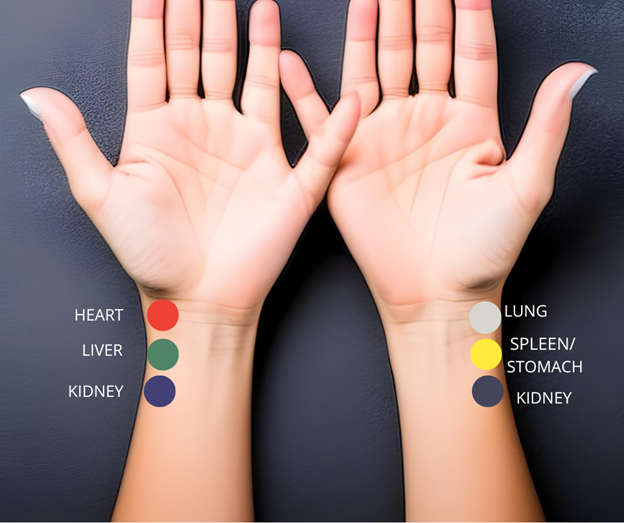
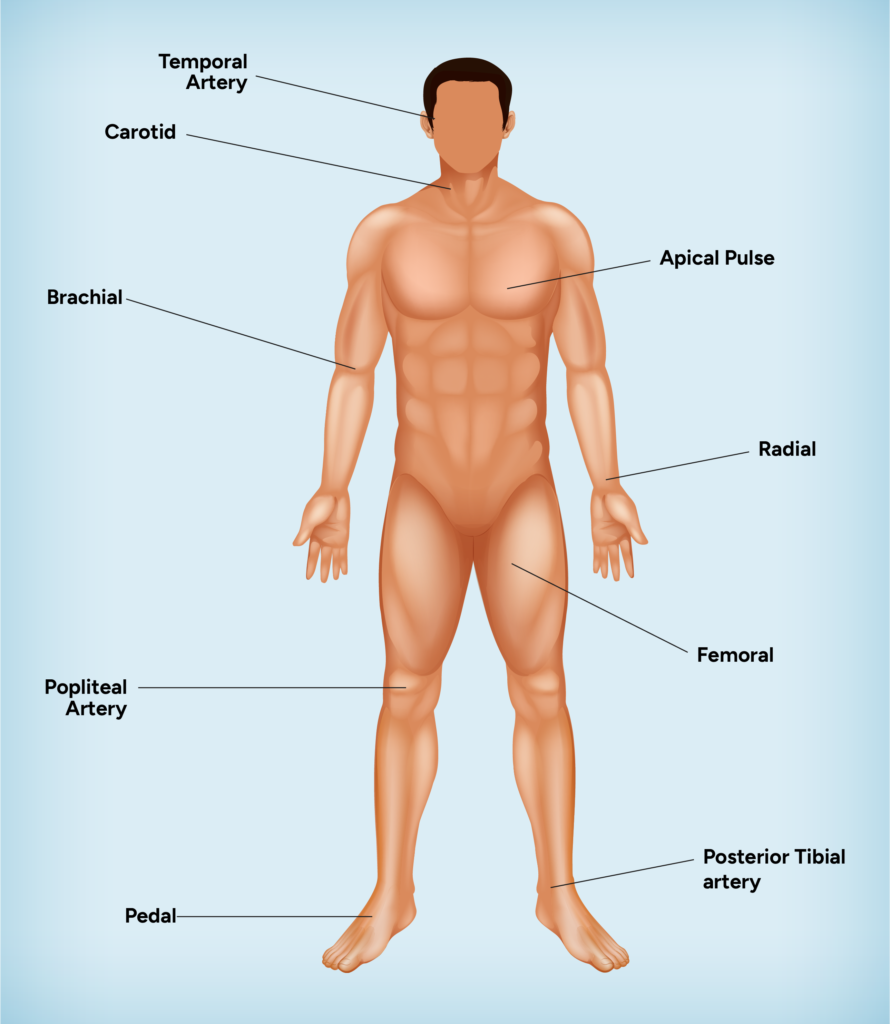
For centuries, medical professionals have relied on their tactile senses to assess a patient’s pulse. This manual assessment, typically performed at radial, carotid, or femoral arteries, involves much more than just counting beats. It encompasses evaluating the pulse’s rate (how many beats per minute), rhythm (regularity), strength (force of the beat), and character (e.g., whether it’s bounding, thready, or dicrotic). This hands-on method, while subjective to an extent, provides immediate, qualitative data that can guide rapid clinical decisions. The skill of accurate palpation is honed through practice, allowing experienced clinicians to detect subtle abnormalities that might indicate underlying conditions.
The Core Medical Term: Palpation and Its Significance
The medical term for the act of “feeling” the pulse with one’s fingers is palpation. It refers to the physical examination technique of feeling the surface of the body with the hands or fingertips to identify anatomical structures or to detect abnormalities. In the context of the pulse, it is a direct, non-invasive method to assess cardiovascular function. Terms like pulse rate (beats per minute), pulse rhythm (regular or irregular, e.g., arrhythmia), and pulse amplitude (strength) are fundamental descriptors derived from this manual assessment. The significance of palpation lies in its immediacy and accessibility; it requires no special equipment and can be performed anywhere, making it a critical first step in patient assessment, especially in emergency settings.
From Fingers to Firmware: The Technological Revolution in Pulse Monitoring
While palpation remains a vital skill, technology has dramatically expanded our capabilities to monitor, quantify, and analyze the pulse, moving beyond the limitations of human touch to offer continuous, objective, and data-rich insights.
Wearable Tech: Continuous Data Collection
The explosion of wearable technology, from smartwatches to fitness trackers, has democratized pulse monitoring. Devices equipped with photoplethysmography (PPG) sensors use light to detect changes in blood volume in the capillaries, providing continuous heart rate data. These devices allow individuals to monitor their pulse during exercise, sleep, and daily activities, offering an unprecedented stream of personal health data. Terms like resting heart rate, heart rate variability (HRV), and maximal heart rate have become common parlance, moving beyond the clinic into everyday life. This continuous data collection helps in identifying trends, detecting anomalies like sustained tachycardia (abnormally fast heart rate) or bradycardia (abnormally slow heart rate), and even flagging potential arrhythmias like atrial fibrillation (Afib) for further medical investigation. The ease of access to this data empowers individuals to take a more proactive role in managing their cardiovascular health.
AI and Machine Learning: Interpreting Pulse Patterns
The sheer volume of pulse data generated by wearables and medical devices would be overwhelming without advanced analytical tools. Artificial intelligence (AI) and machine learning (ML) algorithms are now at the forefront of interpreting these complex pulse patterns. AI can identify subtle irregularities, predict potential cardiac events, and even differentiate between various types of arrhythmias with increasing accuracy. For instance, ML models can be trained on vast datasets of electrocardiograms (ECGs) and pulse waveforms to detect patterns indicative of specific heart conditions that might be missed by the human eye or even standard automated analysis. This has led to the emergence of new diagnostic support tools, where AI acts as a sophisticated “second opinion,” helping clinicians to make more informed decisions. The terminology associated with these advancements includes predictive analytics, diagnostic algorithms, and biometric pattern recognition.
Remote Patient Monitoring: Extending the Reach of Assessment
Remote patient monitoring (RPM) leverages connected devices to track vital signs, including pulse, from the comfort of a patient’s home. This technology is particularly transformative for managing chronic conditions, post-operative care, and monitoring high-risk patients. RPM systems collect data from various sensors—often integrating pulse data with blood pressure, oxygen saturation, and activity levels—and transmit it securely to healthcare providers. This allows for early intervention, reduces hospital readmissions, and provides a continuous, real-time understanding of a patient’s health status between clinic visits. The concept of “feeling the pulse” is extended virtually, allowing clinicians to remotely “palpate” a patient’s physiological state through digital means. Medical terms such as telemedicine, continuous monitoring, and alert thresholds are central to the operational vocabulary of RPM.
Evolving Medical Terminology in a Tech-Driven Healthcare Landscape
The integration of technology into pulse assessment has not only enhanced diagnostic capabilities but has also expanded the medical lexicon, giving rise to new terms and refining the precision of existing ones.
Quantifying the Pulse: Beyond Rate and Rhythm
While basic palpation provides qualitative insights into pulse rate and rhythm, technology offers precise quantification of numerous pulse characteristics. Terms like pulse pressure (the difference between systolic and diastolic blood pressure, often influencing pulse amplitude), pulse wave velocity (the speed at which the arterial pulse propagates, indicative of arterial stiffness), and augmentation index (a measure of arterial wave reflections) are now routinely measured and analyzed. These parameters provide a much deeper physiological understanding of cardiovascular function and arterial health, going far beyond what a finger can discern. This detailed quantification aids in the early detection and management of conditions like hypertension and atherosclerosis.
New Diagnostic Categories Enabled by Tech
The ability to analyze pulse data with unprecedented granularity has led to the identification of new diagnostic categories and risk stratification tools. For example, continuous ECG monitoring from wearables, often triggered by unusual pulse patterns, can confirm intermittent arrhythmias that might be missed during a brief clinic visit. The term event detection refers to the technology’s ability to identify and flag specific physiological events. Furthermore, the use of heart rate variability (HRV) analysis, once confined to research labs, is now a consumer metric, offering insights into autonomic nervous system function and stress levels. While not a direct medical diagnosis itself, consistently low HRV can be a red flag for various health issues, prompting further medical evaluation.
The Language of Predictive Health Analytics
Perhaps one of the most exciting developments is the emergence of predictive health analytics, where pulse data is a key input. AI models can learn to predict the onset of certain conditions or the likelihood of an adverse event based on a patient’s historical and real-time pulse patterns, alongside other biometric data. This gives rise to terms like risk stratification, prognostic indicators, and early warning scores, which are directly influenced by tech-enabled pulse assessment. The goal is to move from reactive treatment to proactive prevention, allowing interventions to occur before a health crisis fully develops.
The Symbiotic Relationship: Technology Enhancing Clinical Understanding
Far from replacing the clinician’s touch, technology in pulse assessment serves to augment and enhance clinical understanding, fostering a symbiotic relationship between human expertise and digital precision.
Bridging the Gap Between Data and Diagnosis
Technology provides the raw data, but it is the clinician’s expertise that translates this data into meaningful diagnoses and treatment plans. Devices can detect an irregular heart rhythm, but a medical professional uses this information, alongside a patient’s history and other symptoms, to diagnose specific arrhythmias like atrial fibrillation, supraventricular tachycardia, or premature ventricular contractions. The terms used to describe these conditions, while long-standing, gain new levels of specificity and confidence due to objective, continuous technological measurement. This synergy allows for more accurate diagnoses and personalized care.
Personalization of Pulse Health Insights
One of the profound impacts of tech in pulse monitoring is the ability to personalize health insights. What constitutes a “normal” pulse can vary significantly between individuals based on age, fitness level, medications, and underlying health conditions. AI-driven systems can learn an individual’s baseline pulse patterns and alert them or their care provider to deviations that are abnormal for them, rather than just against a population average. This fosters a more nuanced understanding of individual cardiovascular health, moving away from a one-size-fits-all approach and promoting terms like personalized baseline, individualized risk assessment, and precision health monitoring.
The Future of Pulse Assessment: Smarter, More Accessible, and Proactive
The trajectory of pulse assessment points towards an even more integrated, intelligent, and preventive future, where technology continuously refines our ability to monitor, understand, and act upon the body’s vital rhythms.
Miniaturization and Integration
The trend towards miniaturization means that pulse sensors will become increasingly inconspicuous and integrated into everyday objects, from clothing and furniture to smart mirrors and even toilets. This pervasive monitoring will provide a holistic, unobtrusive view of an individual’s health, making continuous pulse assessment a seamless part of daily life. Terms like ubiquitous sensing and ambient intelligence will become increasingly relevant in this future.
Ethical Considerations and Data Security in Pulse Monitoring
As pulse data becomes more abundant and central to health management, the ethical implications and the imperative for robust data security cannot be overstated. Protecting sensitive health information, ensuring data privacy, and establishing clear guidelines for the use of AI in diagnostics are critical challenges that must be addressed. Discussions around data anonymization, patient consent protocols, and regulatory compliance will shape the future landscape of tech-enabled pulse assessment, ensuring that innovation proceeds responsibly and ethically.
In conclusion, while the immediate medical term for “feeling of the pulse” remains palpation, the digital age has profoundly transformed its meaning and application. Technology has elevated pulse assessment from a basic manual skill to a sophisticated, data-driven science. It has enriched our medical vocabulary, enhanced diagnostic precision, and laid the groundwork for a future of personalized, proactive healthcare. The journey from a physician’s fingers to intelligent algorithms underscores an exciting evolution in how we understand and respond to the fundamental rhythms of life.
aViewFromTheCave is a participant in the Amazon Services LLC Associates Program, an affiliate advertising program designed to provide a means for sites to earn advertising fees by advertising and linking to Amazon.com. Amazon, the Amazon logo, AmazonSupply, and the AmazonSupply logo are trademarks of Amazon.com, Inc. or its affiliates. As an Amazon Associate we earn affiliate commissions from qualifying purchases.