
In the visual landscape of the twenty-first century, symbols act as a shorthand for complex ideologies, emotions, and tribal affiliations. One of the most polarizing and visually arresting symbols in current rotation is the upside-down cross. While historically rooted in religious tradition as the “Cross of Saint Peter,” its contemporary meaning has been hijacked, inverted, and recontextualized by various subcultures, fashion houses, and media entities. For a brand strategist, understanding the meaning of the upside-down cross is not just a theological exercise; it is a masterclass in the semiotics of subversion and the power of transgressive branding.
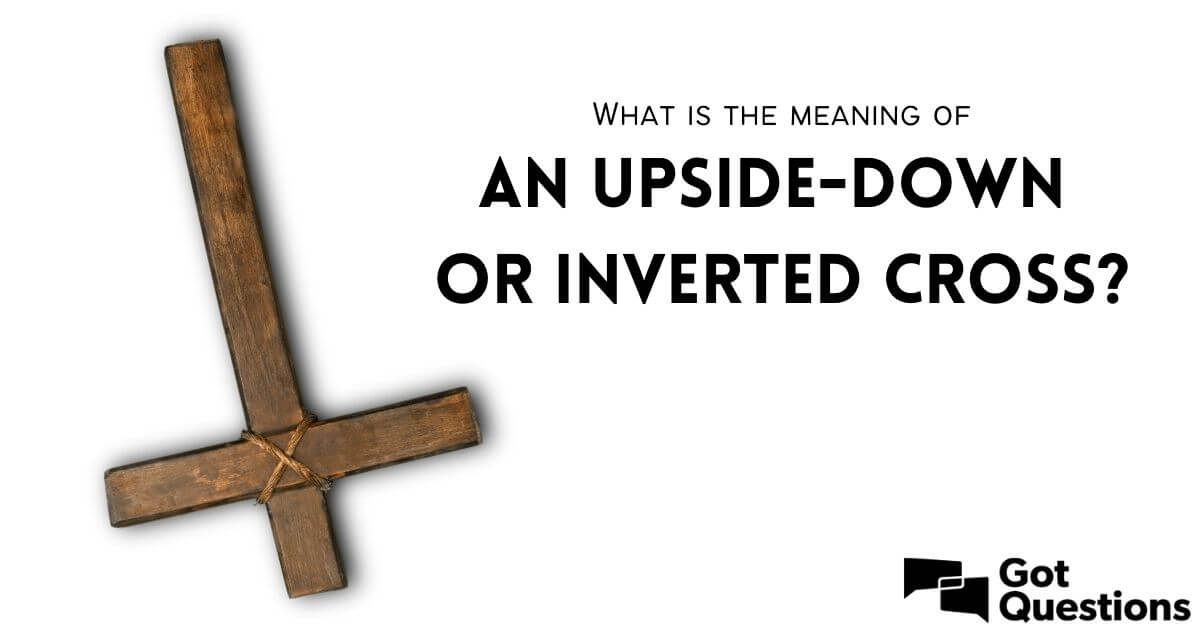
In this exploration, we analyze how a single geometric form can pivot from a gesture of humility to a badge of rebellion, and what this tells us about the mechanics of brand identity, market positioning, and the risks of utilizing charged symbolism.
The Semiotics of Subversion: How Symbols Pivot in Branding
Semiotics—the study of signs and symbols—is the silent engine behind successful branding. When a brand adopts a symbol, it inherits all the historical baggage and emotional resonance attached to that icon. The upside-down cross is a prime example of “signifier shifting,” where the visual form remains the same, but the “signified” meaning changes based on the context of the user.
From Petrine Humility to Counter-Culture Rebellion
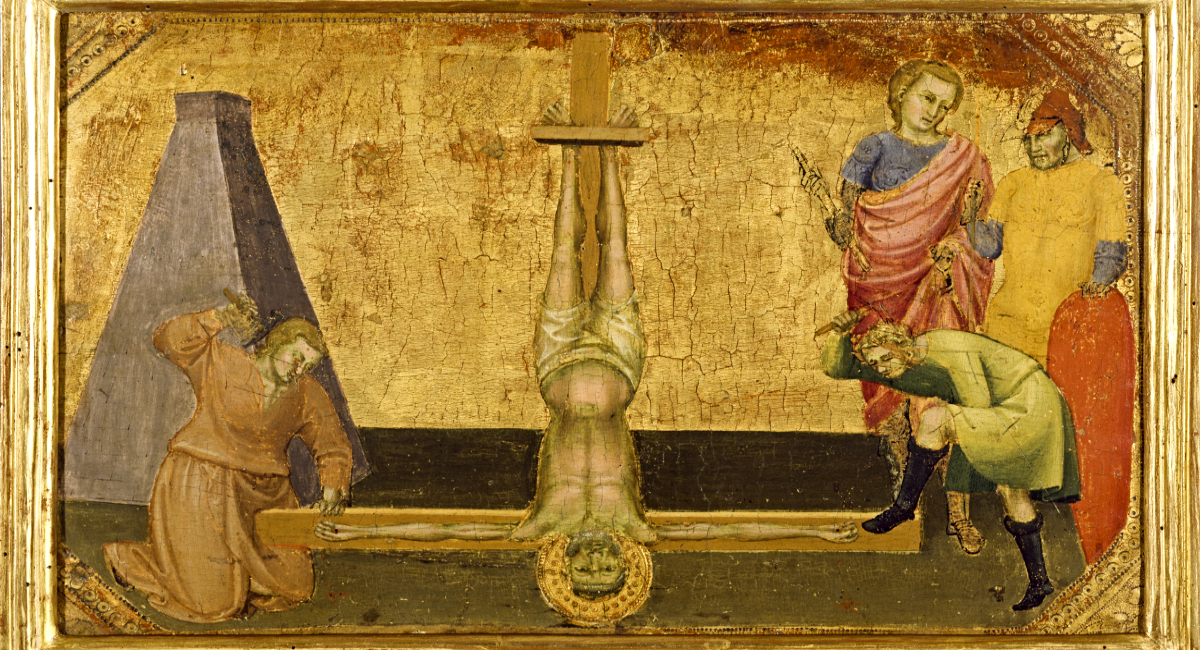
Historically, the upside-down cross was a symbol of extreme humility. Tradition holds that the Apostle Peter requested to be crucified upside down because he felt unworthy to die in the same manner as Jesus. In this context, the symbol represents the ultimate brand values of service, modesty, and devotion.
However, in the late 20th century, particularly through the lens of horror cinema and heavy metal music, the symbol was “rebranded.” It became a shorthand for the antithesis of traditional values—a visual middle finger to the establishment. For modern brands, this shift illustrates a vital lesson: the meaning of your brand’s visual identity is never static. It is a dialogue between your intent and the audience’s cultural environment.
The Power of Transgressive Imagery in Fashion
High fashion has long flirted with the “inverted” aesthetic. Designers like Rick Owens or brands like Chrome Hearts often utilize motifs that skirt the line between the sacred and the profane. By utilizing the upside-down cross or similar “dark” icons, these brands are not necessarily making a theological statement; they are signaling a “transgressive” brand identity. They are telling their audience: “We are not for everyone. We exist outside the mainstream.” This creates a powerful “in-group” vs. “out-group” dynamic that fosters intense brand loyalty.
Building a Brand Around “The Anti”: Contradiction as a Marketing Tool
In a saturated marketplace, being “good” is often less effective than being “different.” Many modern brands have found success by leaning into “The Anti”—anti-fashion, anti-establishment, or anti-corporate. The upside-down cross serves as a perfect visual anchor for this strategy because it is inherently reactionary; it requires the existence of the “upright” cross to have any meaning at all.
Leveraging Shock Value to Pierce Market Noise
The primary challenge for new brands today is the “attention economy.” With consumers bombarded by thousands of images daily, shock value is a shortcut to visibility. When a brand incorporates a symbol as controversial as the upside-down cross, it generates immediate discourse. This is “polarization branding.” By upsetting one demographic, the brand simultaneously endears itself to another that prides itself on being edgy or misunderstood.
However, the meaning of the upside-down cross in this context must be handled with surgical precision. If the shock value feels unearned or purely for the sake of “clout,” the brand risks appearing “try-hard,” which is the death knell for any cool-factor-based identity.
Case Study: Luxury Streetwear and Occult Symbolism
In the realm of luxury streetwear, the use of occult or “dark” symbols has become a standard kit. Brands utilize these icons to evoke a sense of mystery and exclusivity. The upside-down cross, in this niche, often loses its religious connotation entirely and becomes a purely aesthetic choice—a “vibe.” This process, known as “aestheticization,” strips the symbol of its weight, allowing it to function as a luxury ornament. This strategy works because it appeals to a consumer who values the “edge” of the symbol without necessarily subscribing to the rebellion it once represented.
Risk Management: When Controversial Symbols Alienate vs. Attract
While the upside-down cross can be a powerful tool for niche positioning, it carries significant brand risk. In global marketing, symbols do not translate uniformly across borders. What is seen as a “cool, gothic aesthetic” in London or New York might be viewed as a profound insult or a spiritual threat in more conservative or religious markets.
Navigating Cultural Sensitivity and Religious Associations
For a corporate brand, the meaning of the upside-down cross is often too “hot” to handle. The risk of alienating a massive segment of the consumer base usually outweighs the benefits of looking edgy. This is why you rarely see Fortune 500 companies utilizing such imagery.
When a brand decides to use charged symbols, it must conduct a thorough “semiotic audit.” This involves:
- Audience Mapping: Who are we talking to, and what are their deeply held beliefs?
- Contextual Analysis: Is the symbol being used as a central logo or a peripheral design element?
- Crisis Planning: If there is a backlash, does the brand have the “backbone” to stand by its choice, or will it be forced into an embarrassing retreat?
The “Subculture Anchor” Strategy
Some brands intentionally choose symbols like the upside-down cross to “anchor” themselves in a specific subculture. By doing so, they accept that they will never have a 50% market share. Instead, they aim for 100% “mindshare” within a 5% niche. This is common in the gaming industry, independent music labels, and specialized lifestyle brands. In these spaces, the symbol acts as a filter, keeping out the “tourists” and attracting the “true believers.”
The Future of Symbolic Branding in the Digital Age
As we move deeper into an era dominated by digital platforms and algorithmic curation, the way we consume symbols is changing. The “meaning” of the upside-down cross is currently being reshaped by the speed of internet trends and the rise of “aesthetic-first” consumerism.
Algorithmic Visuals and the Rise of Neo-Gothic Aesthetics
On platforms like TikTok and Instagram, visual trends like “Dark Academia,” “E-boy/E-girl,” and “Neo-Goth” have popularized the use of inverted symbols. For Gen Z and Gen Alpha, the upside-down cross often represents a stylistic choice rather than a religious or political one. Brands targeting these demographics must understand that the “meaning” has become more about the look than the lore. This represents a shift from “ideological branding” to “aesthetic branding.”
In this digital environment, symbols are often “remixed.” A brand might pair an upside-down cross with neon colors or Y2K-style typography, further distancing the symbol from its original context. This “remix culture” allows brands to play with fire without necessarily getting burned, as the irony provides a layer of protection.
Authentic vs. Performative Edginess
As symbols become more accessible, the danger for brands is “authenticity decay.” When every fast-fashion retailer starts putting upside-down crosses on t-shirts, the symbol loses its power to signal rebellion. It becomes “mall-goth”—a term used to describe commercialized, surface-level edginess.
For a brand strategy to be successful in the long term, it cannot rely solely on the borrowed interest of a symbol. The meaning of the upside-down cross in a brand’s portfolio must be backed by an authentic narrative. Does the brand actually support counter-culture? Does it have a history of challenging the status quo? If the symbol is just a “skin” on a conventional corporate structure, the audience will eventually sense the disconnect and move on to the next trend.

Conclusion: The Strategic Inversion
The upside-down cross remains one of the most potent examples of how a simple visual change—an inversion—can completely flip a brand’s narrative. From the humility of a saint to the defiance of a subculture, its journey proves that symbols are liquid.
For brand builders, the lesson is clear: symbols are not just decorations; they are strategic assets. Whether you are using them to cultivate a niche, provoke a conversation, or anchor an aesthetic, you must respect the history while mastering the modern context. In the world of branding, the “meaning” is whatever the culture decides it is, and the most successful brands are those that can steer that cultural conversation in their favor.
aViewFromTheCave is a participant in the Amazon Services LLC Associates Program, an affiliate advertising program designed to provide a means for sites to earn advertising fees by advertising and linking to Amazon.com. Amazon, the Amazon logo, AmazonSupply, and the AmazonSupply logo are trademarks of Amazon.com, Inc. or its affiliates. As an Amazon Associate we earn affiliate commissions from qualifying purchases.