
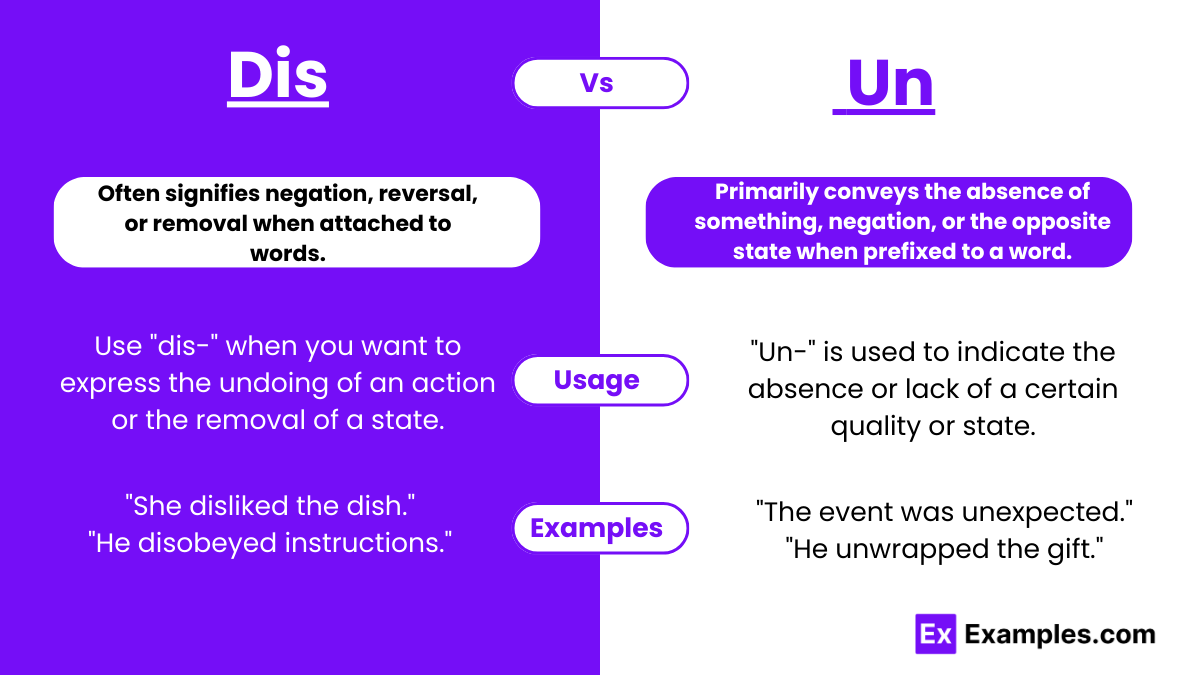
In the evolution of the English language, prefixes serve as the architectural blueprints for meaning, and few prefixes carry as much weight in the modern technological era as “dis-.” Derived from Latin, meaning “apart,” “asunder,” “away,” or “having a privative, negative, or reversing force,” the prefix “dis” has become the linguistic engine behind the most transformative concepts in the digital age. In technology, “dis” does not merely signify a negation; it signifies a fundamental shift in how systems are built, how markets are organized, and how data is handled.
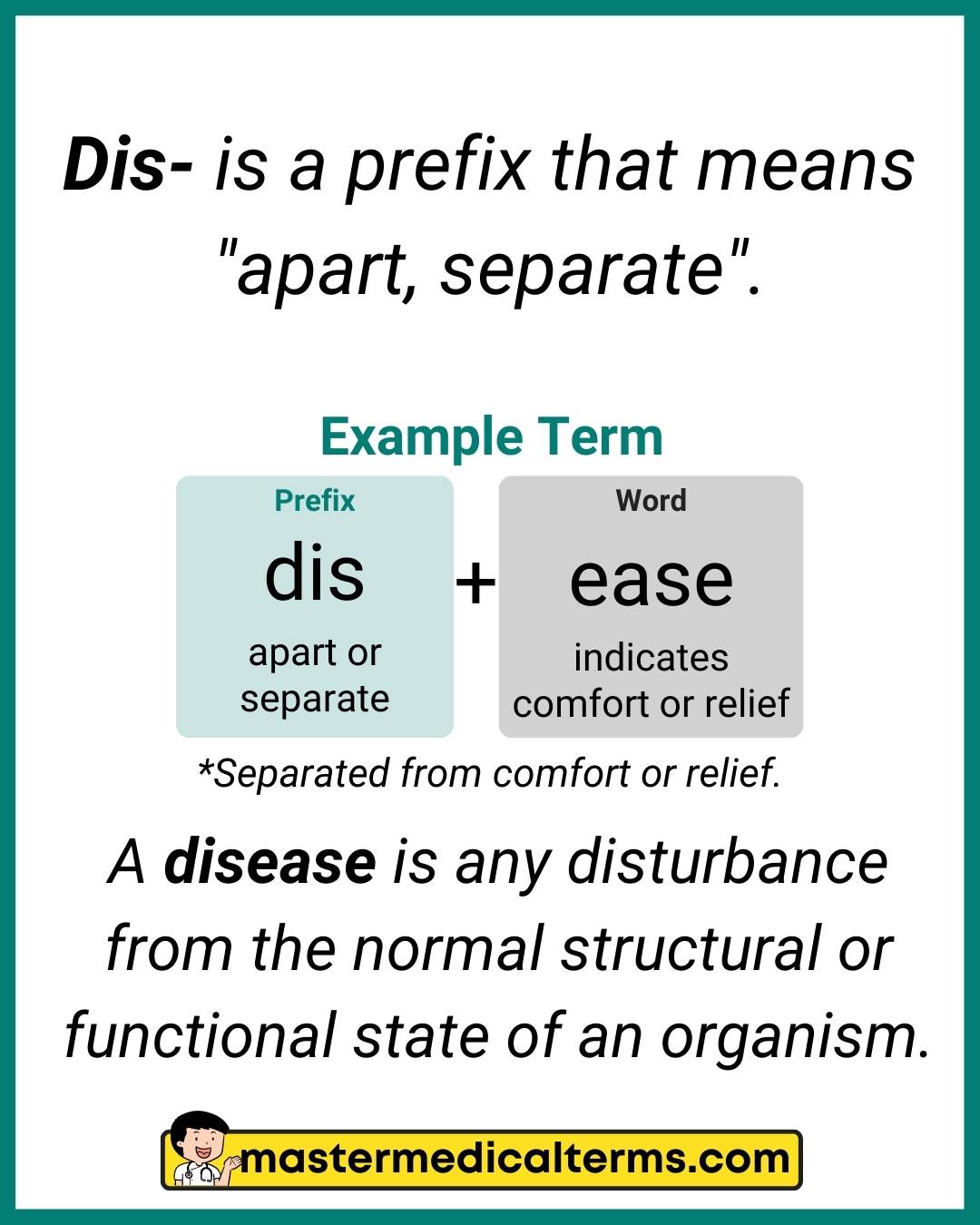
From the “disruptive” innovations that topple legacy industries to the “distributed” networks that power the decentralized web, understanding the meaning of “dis” is essential for any technologist, developer, or digital strategist. This prefix represents the breaking apart of old structures to make room for more efficient, resilient, and scalable digital paradigms.
The Anatomy of Disruption: How “Dis” Redefines Industry Standards
The most common application of the prefix “dis” in tech circles is found in the term “disruption.” While often used as a buzzword, disruptive technology has a specific technical and economic meaning. It refers to an innovation that significantly alters the way consumers, industries, or businesses operate. A disruptive technology supersedes the older process or product because it has attributes that are recognizably superior, often through a combination of cost-efficiency, accessibility, and sheer performance.
Defining Disruptive Technology
At its core, the “dis” in disruption implies a “breaking apart” of the established status quo. In software development and product management, disruption usually follows a predictable trajectory. It begins at the lower end of a market—often ignored by established players—and moves upmarket as its quality improves. For instance, cloud computing was once seen as a “disruptive” alternative to on-premise servers. By moving data storage “away” from physical local hardware, the technology allowed for a level of scalability that traditional infrastructure could not match.
The Mechanics of Market Displacement
The prefix also manifests in “displacement,” where a new technology moves an existing one out of its position. This is not merely a replacement; it is a fundamental shift in the ecosystem. Consider the transition from physical media to streaming services. This “disintegrated” the traditional supply chain of manufacturing and shipping physical discs, replacing it with a data-driven model. The meaning of “dis” here is the removal of friction. By “dis-connecting” the content from the physical medium, tech companies unlocked a new level of consumer convenience.
Case Studies in High-Tech Disruption
The narrative of the last two decades is defined by “dis” words. Digital photography “displaced” film; ride-sharing apps “disrupted” urban transportation; and e-commerce “disintermediated” traditional retail. In each case, the prefix highlights a movement away from the centralized, the slow, and the physical toward the decentralized, the rapid, and the digital. For tech leaders, identifying the next “dis” means identifying where a process has become too bloated, too expensive, or too centralized for its own good.
Distributed Architectures: The Power of Decentralization
Moving from the economic to the structural, the prefix “dis” is the foundation of “distributed” systems. In computer science, a distributed system is a model in which components located on networked computers communicate and coordinate their actions by passing messages. The “dis” here emphasizes the “apartness” of the components. Unlike a centralized system where a single point of failure can bring down the entire network, a distributed system spreads the load.
From Monoliths to Microservices
Modern software engineering has moved away from “monolithic” architectures toward “distributed” microservices. In a monolith, the entire application is built as a single, indivisible unit. The “dis” in distributed microservices represents the “disassembly” of this unit into smaller, independent services. Each service performs a specific function and communicates via APIs. This allows development teams to work on different parts of the application simultaneously without “disrupting” the whole, leading to faster deployment cycles and greater resilience.
The Rise of Distributed Ledger Technology (DLT)
Perhaps the most famous application of the “dis” prefix in recent years is Distributed Ledger Technology, the backbone of blockchain. DLT “displaces” the need for a central authority or intermediary. In a traditional financial system, a central bank or a clearinghouse manages the ledger. In a distributed ledger, the data is spread “away” from a central point across multiple nodes. This ensures transparency, security, and immutability. The meaning of “dis” in this context is “democratization” through technical distribution.

Edge Computing and Data Distribution
As the Internet of Things (IoT) grows, we are seeing a shift toward “edge computing,” which is a form of distributed computing. Instead of sending all data back to a central cloud server, data is processed “dis-locally” at the edge of the network—on the devices themselves or on local gateways. This “distributes” the processing power, reducing latency and bandwidth usage. For autonomous vehicles or industrial robotics, this “dis” (distribution) is not just a preference; it is a life-saving necessity.
Disintermediation: Removing the Middleman through Software
One of the most powerful “dis” concepts in technology is “disintermediation.” This is the process of removing intermediaries from a supply chain or a communication flow, allowing for a direct connection between the producer and the consumer. In the tech world, software is the primary tool for disintermediation.
The Role of AI in Automated Processes
Artificial Intelligence is currently the greatest force for disintermediation. By automating complex tasks that previously required human oversight, AI “displaces” the middle layers of management and administration. For example, AI-driven customer service bots “disintermediate” the traditional call center model, allowing users to get immediate answers “dis-connected” from human operating hours. In software development, AI tools are “disintermediating” the coding process by generating boilerplate code, allowing developers to focus on high-level architecture.
Peer-to-Peer Networks and Direct Access
Peer-to-peer (P2P) networking is the ultimate technical realization of disintermediation. Whether it is file sharing, decentralized finance (DeFi), or mesh networks, P2P technology “discards” the central server model. By allowing devices to communicate directly with one another, the network becomes more robust and less susceptible to censorship or central failure. The “dis” prefix here signifies “disengagement” from centralized control mechanisms.
Security and Disaster Recovery: Protecting the “Dis” Infrastructure
In the realm of digital security and IT operations, the prefix “dis” often carries a more cautionary meaning, specifically in “disaster” and “disinformation.” However, the tech response to these challenges also relies on “dis” strategies.
Business Continuity in a Digital-First World
“Disaster Recovery” (DR) is a set of policies, tools, and procedures to enable the recovery or continuation of vital technology infrastructure and systems following a natural or human-induced disaster. The “dis” in disaster (literally “bad star”) implies a chaotic event that “disrupts” operations. Tech professionals use “dis” strategies to combat this, such as “disk mirroring” and “geographic distribution” of backups. By ensuring that data is “dis-located” (stored in multiple locations), companies can ensure that a failure in one region does not lead to total data loss.
Dealing with Disinformation and Digital Noise
In the era of social media and AI-generated content, “disinformation” has become a technical challenge. Unlike “misinformation,” which is accidental, “disinformation” is the deliberate spreading of false information. Tech companies are now using “discriminator” models—a component of Generative Adversarial Networks (GANs)—to “distinguish” between real and fake data. These models are designed to “discern” patterns that indicate a breach of security or a deepfake, once again using the “dis” logic of setting things apart to find the truth.
The Future of the “Dis” Prefix in Emerging Tech
As we look toward the future of technology, the prefix “dis” will continue to define the frontier. We are moving toward a world of “disaggregated” hardware, where CPU, GPU, and memory resources are pulled from a shared pool rather than being tied to a single physical server. We are seeing the rise of “disposable” computing, where micro-containers are spun up for a single task and then instantly “dissolved” to save resources.
The meaning of the prefix “dis” in technology is ultimately about “liberation.” It is the liberation of data from silos, the liberation of users from slow intermediaries, and the liberation of software from rigid, monolithic structures. Whether it is through disruption, distribution, or disintermediation, the “dis” prefix represents the relentless drive of technology to move “away” from the inefficient and “apart” from the obsolete. In the digital lexicon, “dis” is not a sign of destruction, but a prerequisite for creation. To understand where technology is going, one must look at what it is currently “dis-assembling” to build something better.
aViewFromTheCave is a participant in the Amazon Services LLC Associates Program, an affiliate advertising program designed to provide a means for sites to earn advertising fees by advertising and linking to Amazon.com. Amazon, the Amazon logo, AmazonSupply, and the AmazonSupply logo are trademarks of Amazon.com, Inc. or its affiliates. As an Amazon Associate we earn affiliate commissions from qualifying purchases.