
The “poke” on Facebook is one of the platform’s most enduring, yet enigmatic, features. Born in the nascent days of social media, it has persisted through numerous redesigns and feature additions, often leaving users to ponder its true intent. Far from a complex algorithmic interaction, the poke is a remarkably simple digital nudge, a direct and low-commitment way to interact with another user. Understanding its meaning requires delving into its history, technical functionality, and the unwritten social etiquette that has evolved around it.
The Origins and Evolution of the Facebook Poke
When Facebook launched in 2004, its interface was minimalist, and its functionalities were relatively basic compared to today’s feature-rich ecosystem. The “poke” was introduced early on, offering a novel, albeit undefined, method for users to engage with one another. Unlike a message, a comment, or a like, the poke arrived without explicit instruction on its usage or a clear, singular purpose. This ambiguity, intentional or not, became a defining characteristic of the feature, allowing its meaning to be largely shaped by user interpretation and social context.
A Nostalgic Nudge
In its early years, the Facebook poke served as a lighthearted and non-committal way to get someone’s attention. Before the proliferation of direct messages, sophisticated reactions, or comprehensive activity feeds, a poke was a straightforward digital “hello,” a subtle acknowledgment, or even a playful taunt among friends. It was quick, easy, and required minimal effort, making it a popular choice for initiating contact without the pressure of crafting a full message. For many early Facebook adopters, the poke evokes a sense of nostalgia for a simpler, less cluttered era of social networking, where interactions were often more experimental and less formalized.
Early Interpretations
Because Facebook never officially defined what a poke “means,” users quickly filled the void with their own interpretations. For some, it was a friendly greeting, akin to tapping someone on the shoulder. For others, it was a subtle hint to check a message, look at a profile, or simply to acknowledge existence. In more playful or flirtatious contexts, a poke could signify interest, a desire to start a conversation, or a gentle form of digital teasing. This wide spectrum of interpretations meant that the significance of a poke was almost entirely dependent on the existing relationship between the two users and the implied context of the interaction. This inherent ambiguity made the poke both versatile and, at times, perplexing, leading to many conversations about “what did they mean by that poke?”
Demystifying the “Poke”: Its Modern Functionality
Despite its historical depth, the technical functionality of the Facebook poke remains remarkably simple and unchanged. It serves as a direct, one-way notification from one user to another, intended to draw attention without requiring a specific message or content. Understanding how it works can clarify its place within the broader suite of Facebook’s interaction tools.
How to Send and Receive a Poke
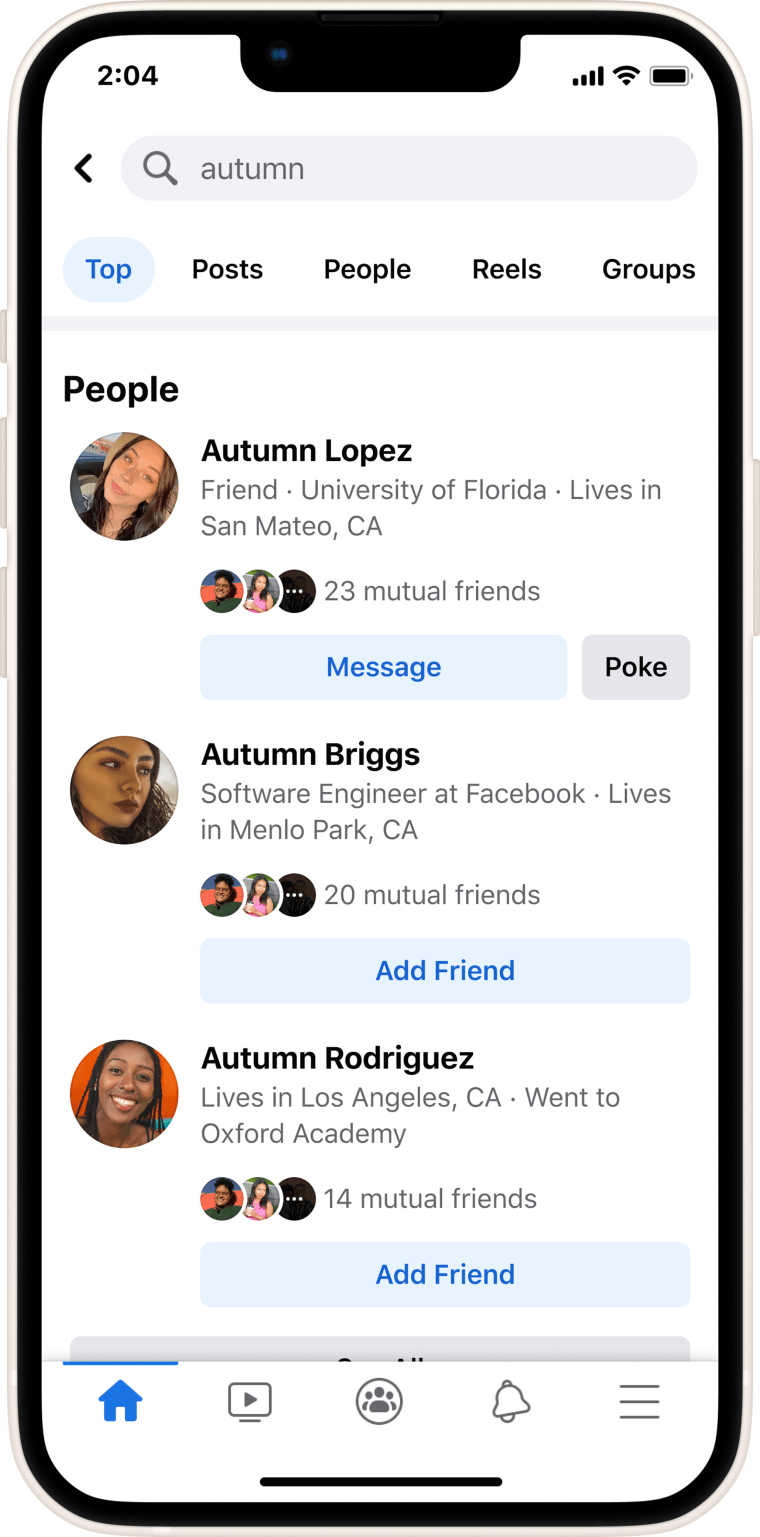
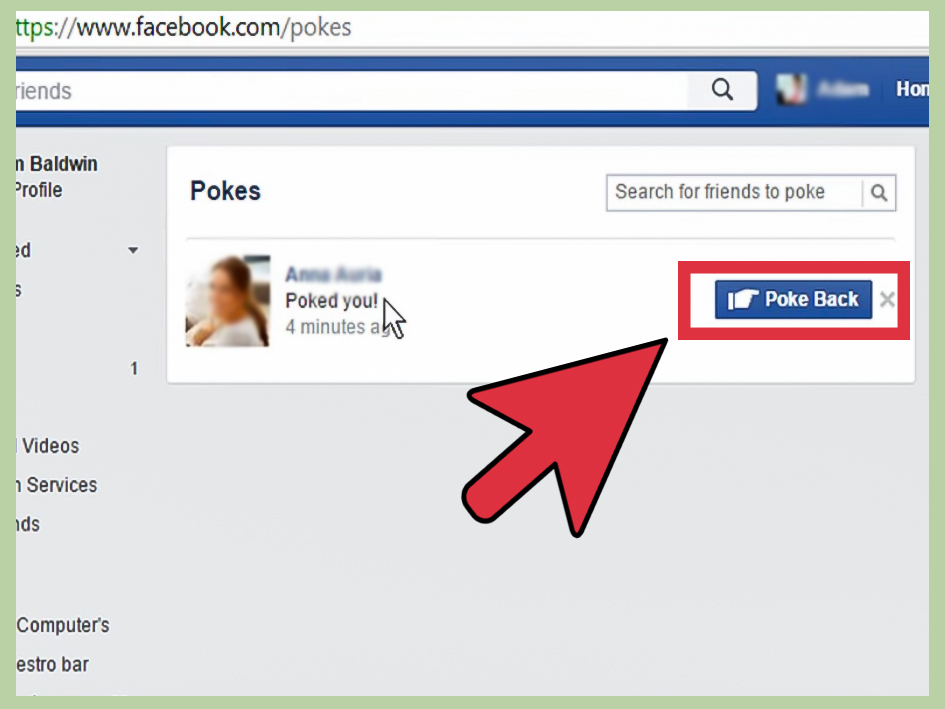
Sending a poke is a straightforward process. Users can typically find the “Poke” button on another user’s profile page. It might be located within a dropdown menu (often signified by three dots) next to the “Message” or “Add Friend” buttons, or sometimes prominently displayed depending on the current interface design. Clicking this button immediately sends a “poke” notification to the targeted user. Conversely, when a user receives a poke, they are alerted through a standard Facebook notification. This notification typically states, “[Sender’s Name] poked you.” From this notification, the recipient has the option to “Poke Back” or “Remove Poke.” “Poking back” sends an identical notification in reverse, creating a simple back-and-forth interaction. Removing a poke dismisses the notification and essentially ignores the interaction.
Notifications and Visibility
Upon receiving a poke, users will see a notification appear in their Facebook notifications tab, much like a friend request or a comment. This ensures that the poke does not go unnoticed. While a poke is a direct interaction, it is generally considered a private one; it does not appear on public timelines, news feeds, or profile walls for others to see. Only the sender and receiver are aware of the poke, preserving its nature as a subtle, one-on-one interaction. This privacy distinguishes it from public comments or posts, making it suitable for more understated forms of communication. The simplicity of the notification and the absence of public visibility underscore the poke’s role as a low-stakes, direct digital signal.
The Etiquette and Ambiguity of Poking
The absence of an official definition from Facebook itself has naturally led to a rich, albeit unwritten, social etiquette surrounding the poke. Its meaning is rarely universal and almost always contextual, heavily influenced by the relationship between the sender and receiver. This ambiguity is both its charm and its challenge, making it a nuanced tool in the digital social landscape.
A Digital Hello or Something More?
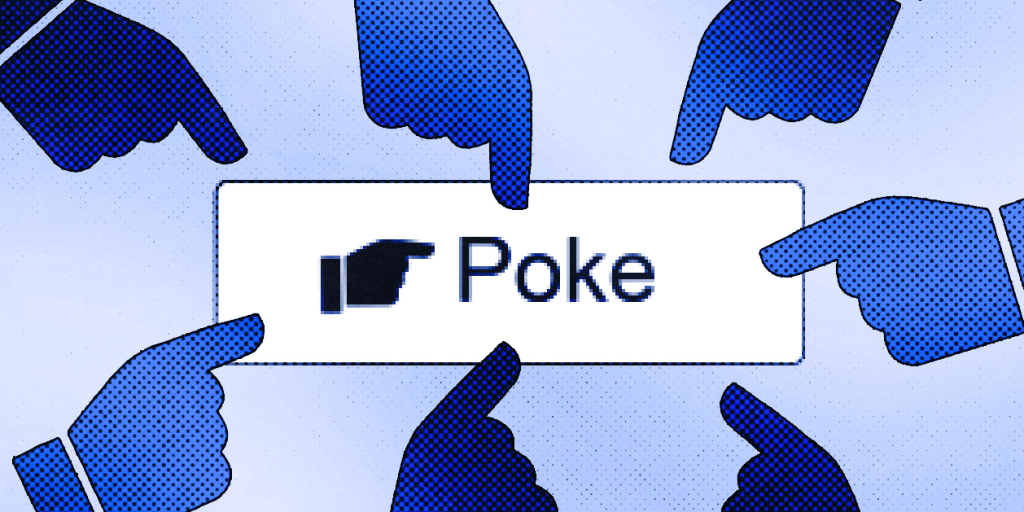
At its most basic, a poke can be interpreted as a simple digital “hello” or “I’m thinking of you.” It’s a low-effort way to surface in someone’s notifications without demanding a response or requiring specific content. For old friends or distant acquaintances, it can be a quick, friendly check-in. However, the meaning can quickly deepen depending on the dynamics. In a playful context, it might signify teasing or a challenge. Among those with romantic interest, it could be a subtle flirtation, an invitation to initiate conversation, or a way to signal attraction without overt commitment. The lack of explicit meaning allows users to project their own intentions and interpret the intentions of others, making it a curious form of non-verbal digital communication.
Personal vs. Professional Contexts
The context in which a poke is sent significantly influences its reception. In personal relationships — among friends, family, or romantic partners — pokes are generally understood and accepted as part of a casual, often playful, interaction. They can serve as an inside joke, a quick reminder, or a sign of affection. However, in professional networking or more formal interactions on Facebook, the poke is almost universally avoided. Its inherent ambiguity and lack of defined purpose make it unsuitable for professional communication, where clarity and explicit messaging are paramount. A poke in a professional context might be seen as unprofessional, confusing, or even intrusive, as it doesn’t convey any specific information relevant to work or networking.
When a Poke is More Than Just a Poke
While often dismissed as trivial, a poke can carry significant weight when paired with existing social cues or relationship dynamics. For instance, receiving a poke from someone you’ve recently met and are interested in might be interpreted as a green light for further interaction. Similarly, a poke from an ex-partner could carry a loaded message, hinting at unresolved feelings or a desire to reconnect. The power of the poke lies in its ability to be a catalyst or a subtle confirmation, allowing for a connection without the need for immediate, explicit communication. It acts as a conversation starter, often prompting a direct message or a comment in response, effectively bridging the gap between passive observation and active engagement.
Pokes in the Contemporary Social Media Landscape
The social media landscape has evolved dramatically since the poke’s inception. Platforms are now saturated with diverse interaction methods, from elaborate reaction emojis to sophisticated direct messaging features and algorithmic content curation. In this rich environment, the simple poke might seem like an anachronism, yet it continues to exist, raising questions about its continued relevance and utility.
Relevancy in a Feature-Rich Environment
Today, users have an abundance of ways to interact on Facebook. A “like” or “heart” reaction can express approval or affection. A comment allows for detailed feedback or conversation. Direct messages facilitate private, sustained communication. Even a simple “wave” on Messenger offers a more direct and less ambiguous greeting than a poke. In a world where attention spans are short and digital communication is often optimized for clarity and efficiency, the poke’s vague nature can feel out of place. It lacks the expressive power of emojis or the communicative depth of a message, making it a less frequent choice for many users looking to engage meaningfully.
Is the Poke Still Useful?
Despite being overshadowed by more dynamic features, the poke retains a niche utility. Its very simplicity and ambiguity can be its strength. It requires minimal effort to send, making it an ideal choice for a quick, non-demanding acknowledgement. For users who prefer a subtle approach, or who want to gauge interest before committing to a full conversation, a poke serves as an excellent low-stakes initiator. It can also act as a playful reminder, an inside joke, or a gentle nudge to get someone’s attention without being intrusive. In an era where digital interactions can often feel overwhelming, the poke offers a refreshing return to basic, understated connection, proving that sometimes, less is indeed more. It persists because, for a select group of users and specific contexts, it still fulfills a unique communicative role.
Managing Pokes and Privacy
While the Facebook poke is a relatively minor feature, managing how you interact with and receive pokes is part of maintaining your digital privacy and social comfort on the platform. Understanding your options for handling pokes ensures that this subtle interaction remains a pleasant, rather than bothersome, experience.
Ignoring and Deleting Pokes
If you receive a poke and wish not to engage with it, Facebook provides simple options. The most common response is to “Remove Poke,” which effectively dismisses the notification. This action does not send a notification to the sender, nor does it prevent them from poking you again in the future. It simply clears the poke from your notifications and interaction history. Alternatively, you can choose to “Poke Back,” which reciprocates the interaction. If a poke is persistent or unwanted, while you cannot directly “block” pokes from specific individuals in the same way you might block messages, ignoring them or deleting the notifications are the primary means of managing them. Consistent unwanted pokes could be addressed by blocking the user entirely, which would then prevent all interactions, including pokes.
Controlling Notifications
Facebook offers granular control over notification settings, which extends to pokes. Users can adjust their notification preferences to dictate how they are alerted about incoming pokes. This typically involves navigating to the “Settings & Privacy” section, then “Notifications,” and locating the “Pokes” option. Here, you can choose whether to receive push notifications, email notifications, or SMS notifications for pokes, or disable them entirely if you prefer not to be alerted. Managing these settings allows users to decide the level of intrusion they are comfortable with, ensuring that the poke remains a feature they control, rather than one that controls their attention. By understanding and utilizing these privacy settings, users can curate their Facebook experience to match their personal preferences for interaction and engagement.
aViewFromTheCave is a participant in the Amazon Services LLC Associates Program, an affiliate advertising program designed to provide a means for sites to earn advertising fees by advertising and linking to Amazon.com. Amazon, the Amazon logo, AmazonSupply, and the AmazonSupply logo are trademarks of Amazon.com, Inc. or its affiliates. As an Amazon Associate we earn affiliate commissions from qualifying purchases.