
In an era increasingly defined by data-driven insights and personalized wellness, understanding the fundamental units of measurement displayed by our smart devices and health applications has become paramount. While acronyms like Mbps, GB, or CPU are second nature to tech enthusiasts, a less commonly recognized but equally crucial unit frequently appears within the realm of digital health: mmol/L. Far from a purely medical jargon, mmol/L – or millimoles per liter – is a cornerstone for interpreting vital physiological data presented by a wide array of health technology, from continuous glucose monitors to smart wearables tracking electrolyte balance.
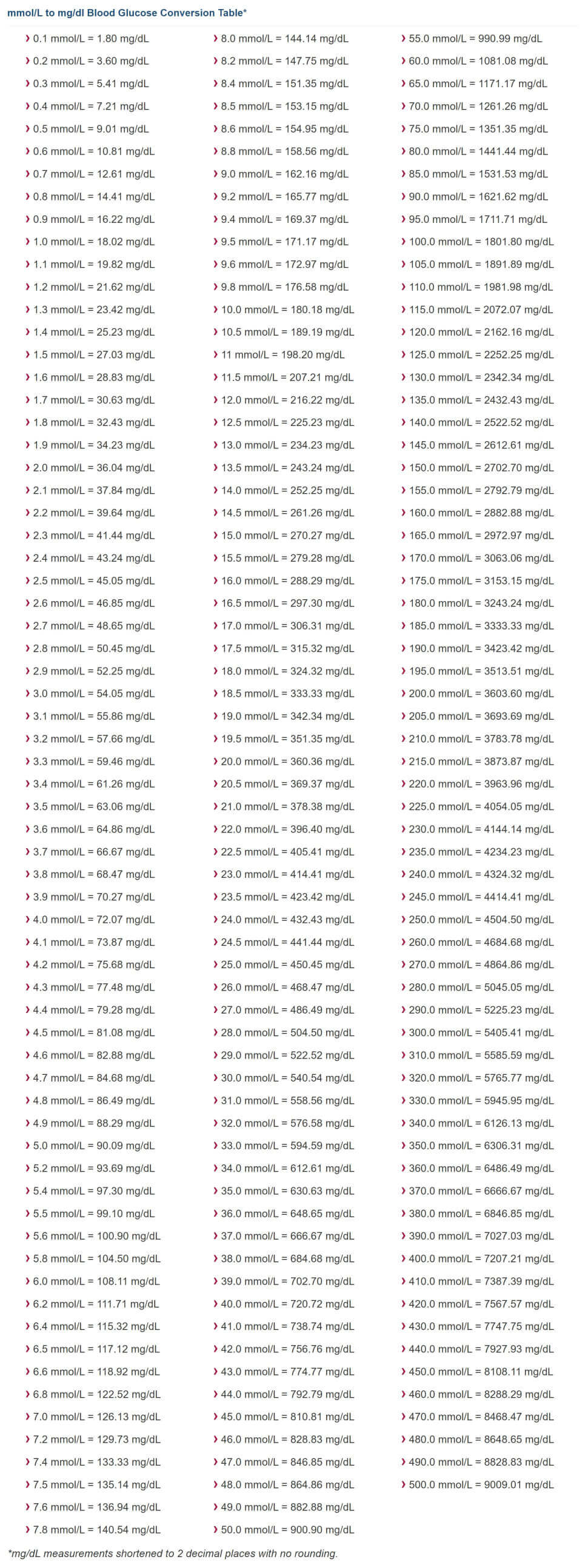
For anyone leveraging technology to manage their health, optimize performance, or simply gain a deeper understanding of their body’s intricate workings, demystifying mmol/L is not just academic; it’s a gateway to informed decision-making and more effective utilization of cutting-edge health tech. This article delves into the meaning of mmol/L, exploring its scientific foundation and, more importantly, its pervasive and critical role within the rapidly evolving landscape of health technology.
Understanding Basic Units in Digital Health: Introducing mmol/L
At its heart, mmol/L is a unit of concentration, quantifying the amount of a specific substance dissolved in a given volume of liquid. In biological contexts, this liquid is typically blood plasma, urine, or other bodily fluids. To truly appreciate its significance, we need a brief foray into the scientific underpinnings that make it so useful for health technology.
The Scientific Basis: Moles and Molarity
The “mol” in mmol/L refers to a mole, which is a fundamental unit in chemistry representing a specific number of particles (atoms, molecules, ions). Think of it like a “dozen” for eggs – a mole is simply a much larger, standardized quantity (specifically, Avogadro’s number: approximately 6.022 x 10^23 particles). Using moles allows scientists and medical professionals to compare the amounts of different substances in a chemically meaningful way, regardless of their individual molecular weights.
“Molarity” is the term for concentration expressed as moles of solute per liter of solution. So, when we see “mmol/L,” it means “millimoles per liter.” A millimole (mmol) is one-thousandth of a mole. This smaller unit is commonly used because the concentrations of many vital substances in the human body are quite low, making millimoles a more practical and convenient scale for reporting. For instance, a healthy fasting blood glucose level is typically around 4.0 to 6.0 mmol/L, a range that would be cumbersome to express in full moles per liter.
Why mmol/L Matters in the Tech Space
The shift towards proactive health management, enabled by accessible technology, has brought units like mmol/L to the forefront. Digital health tools aim to provide users with actionable insights, and these insights are often derived from measurements expressed in mmol/L. Without an understanding of this unit, the raw data presented by an app or a wearable can remain opaque, limiting the user’s ability to truly engage with their health metrics. It’s the language through which your tech communicates crucial physiological states, from energy metabolism to electrolyte balance.
mmol/L in Action: Key Health Tech Applications
The versatility of mmol/L as a concentration unit makes it indispensable across various sectors of health technology. Its ability to quantify vital biological markers accurately and consistently has cemented its place in devices designed for chronic disease management, athletic performance monitoring, and general wellness tracking.
Continuous Glucose Monitoring (CGM) Devices: A Deep Dive
Perhaps the most prominent example of mmol/L in action within health tech is its use in Continuous Glucose Monitoring (CGM) systems. For individuals with diabetes, or even those keen on optimizing metabolic health, CGMs are revolutionary. These small, wearable sensors measure glucose levels in interstitial fluid (the fluid surrounding cells) and transmit this data wirelessly to a smartphone app, smartwatch, or dedicated receiver.
The readings provided by CGMs are almost universally displayed in mmol/L (though some regions/devices offer mg/dL as an alternative or alongside). Understanding what a reading of, say, 7.5 mmol/L post-meal means, versus a reading of 3.8 mmol/L overnight, is critical for making immediate decisions about diet, exercise, or medication. CGMs provide real-time graphs showing glucose trends over hours and days, all plotted with the y-axis calibrated in mmol/L. This tech not only simplifies daily glucose management but also provides a wealth of data for long-term health planning, making mmol/L a fundamental unit for managing one of the world’s most prevalent chronic conditions.
Smart Wearables and Biosensors: Beyond Glucose
While CGMs are a prime example, the application of mmol/L extends to other advanced wearables and biosensors. Emerging technologies are exploring non-invasive or minimally invasive ways to measure other key biomarkers:
- Electrolyte Tracking: Wearable patches or smart devices are being developed to analyze sweat composition, providing insights into electrolyte levels like sodium, potassium, or chloride, which are crucial for hydration and muscle function. These concentrations can also be reported in mmol/L, helping athletes optimize rehydration strategies or individuals with certain medical conditions monitor their balance.
- Ketone Monitoring: For those following ketogenic diets or managing specific metabolic conditions, continuous ketone monitoring devices (often measuring beta-hydroxybutyrate, a primary ketone body) are becoming available. These too report levels in mmol/L, allowing users to track their state of ketosis with precision.
- Lactate Sensors: In sports science, tracking lactate levels in real-time can help athletes manage training intensity. Future wearable sensors are expected to provide these measurements in mmol/L, offering immediate feedback for performance optimization.
These diverse applications highlight how mmol/L serves as a standardized language for a new generation of biosensors, empowering users with a comprehensive biochemical picture of their health.
Health Apps and Data Visualization: Making Sense of mmol/L
The raw data from these devices, expressed in mmol/L, becomes truly powerful when processed and visualized by companion health apps. These applications are designed to:
- Display Trends: Plotting mmol/L readings over time allows users to identify patterns related to meals, exercise, sleep, or stress.
- Provide Context: Apps often integrate with other data points (food logging, activity trackers) to help users understand why their mmol/L readings are changing.
- Generate Alerts: Users can set custom thresholds for mmol/L values, triggering notifications if readings fall too low or climb too high, enabling timely intervention.
- Offer Insights and Recommendations: Advanced AI-driven apps can analyze mmol/L data to offer personalized dietary suggestions, exercise routines, or reminders, acting as a virtual health coach.

Without a solid understanding of what mmol/L represents, these sophisticated features would lose much of their efficacy from the user’s perspective. The tech provides the data, but human understanding of the units makes it actionable.
Interpreting Your mmol/L Data from Tech Devices
Receiving a stream of mmol/L data from your health tech is just the first step. The true value lies in interpreting this data correctly and understanding its implications for your health. This requires a grasp of reference ranges, trend analysis, and how your personal physiology interacts with various lifestyle factors.
Understanding Reference Ranges and Alerts
Every physiological marker has an optimal “reference range” – the values typically found in healthy individuals. For blood glucose, for example, a fasting level between 3.9 and 5.5 mmol/L is generally considered normal. Your health tech often comes pre-configured with these ranges or allows you to customize them based on medical advice.
- Low mmol/L (Hypo): Readings below the healthy range indicate a deficiency or an excess of certain physiological processes. For glucose, this could be hypoglycemia, requiring immediate attention.
- High mmol/L (Hyper): Readings above the healthy range suggest an excess or an impairment. For glucose, this signifies hyperglycemia, which, if persistent, can lead to long-term health complications.
Your tech’s ability to generate alerts when your mmol/L values venture outside these personalized safe zones is a critical safety feature. Learning to respond appropriately to these alerts is part of becoming proficient with your digital health tools.
Trend Analysis and Predictive Insights
Beyond single data points, the real power of health tech lies in its capacity for trend analysis. Instead of just knowing your current glucose level, you can see how it’s been changing over the last hour, day, or week. This graphical representation, with mmol/L on the y-axis, allows you to:
- Identify Patterns: Do your glucose levels consistently spike after a particular meal? Does your hydration (as indicated by electrolyte changes) dip during specific exercise routines?
- Understand Cause-Effect: By correlating mmol/L trends with your logged activities (food intake, exercise, medication, sleep), you can pinpoint what impacts your metrics.
- Gain Predictive Insights: Some advanced AI-powered apps can even use historical mmol/L data to predict future trends, helping you anticipate and prevent undesirable physiological states before they occur. This is a game-changer for conditions like diabetes management.
Data Sharing and Telemedicine Integration
The mmol/L data collected by your devices is increasingly integrated into telemedicine platforms. Securely sharing your CGM data, for instance, with your healthcare provider allows them to review your glucose trends remotely, provide timely advice, and adjust treatment plans without an in-person visit. This seamless flow of mmol/L data facilitates more proactive and personalized healthcare, bridging the gap between patient self-monitoring and professional medical oversight. It transforms raw numbers into a comprehensive narrative of your health.
The Future of mmol/L Measurement in Wearables and AI
The journey of mmol/L within health tech is far from over. Innovation continues at a rapid pace, promising even more sophisticated and integrated ways to measure, interpret, and act upon these vital concentration units.
Non-Invasive Sensing Technologies
One of the Holy Grails in health tech is truly non-invasive monitoring. While current CGMs are minimally invasive, future devices aim to measure glucose and other analytes through advanced optical sensors, sweat analysis, or even breath analysis, reporting results in mmol/L without any skin penetration. This would significantly lower barriers to adoption and make continuous monitoring accessible to a broader population, potentially revolutionizing preventative health.
Advanced AI and Machine Learning for Contextual Understanding
The volume of mmol/L data generated by individuals will grow exponentially. Artificial intelligence and machine learning will be crucial in processing this deluge of information, not just to identify patterns but to offer deeply personalized, predictive, and prescriptive insights. Imagine an AI that not only tells you your current ketone level (in mmol/L) but also, based on your diet, activity, and genetic profile, predicts your optimal time for exercise or suggests specific foods to maintain desired metabolic states. This level of contextual understanding, powered by AI, will unlock unprecedented levels of personalized wellness.
The Quantified Self and Integrated Health Ecosystems
The future envisions a comprehensive “quantified self” where mmol/L data from various sources (glucose, electrolytes, hormones) is seamlessly integrated with other health metrics (heart rate, sleep, activity) into a single, cohesive digital health ecosystem. This holistic view, presented in an easily understandable format, will empower individuals with an unparalleled understanding of their body’s dynamics, driving proactive health management and fostering deeper engagement with personal well-being.

Empowering Health Management Through Tech Literacy
Ultimately, understanding “what is the meaning of mmol/L” is more than just knowing a scientific definition; it’s about gaining literacy in the language of modern health technology. As our lives become increasingly intertwined with smart devices and AI-powered health platforms, the ability to interpret the data they provide, especially core metrics like mmol/L, becomes a fundamental skill for navigating the digital health landscape.
By demystifying this unit of concentration, users are empowered to:
- Make informed decisions about diet, exercise, and medication.
- Engage more effectively with their healthcare providers.
- Proactively manage chronic conditions and optimize overall wellness.
- Leverage the full potential of innovative health technologies designed to improve quality of life.
In a world where data is the new currency of health, knowing your mmol/L is a vital investment in your personal well-being and a testament to the transformative power of technology in fostering a healthier future.
aViewFromTheCave is a participant in the Amazon Services LLC Associates Program, an affiliate advertising program designed to provide a means for sites to earn advertising fees by advertising and linking to Amazon.com. Amazon, the Amazon logo, AmazonSupply, and the AmazonSupply logo are trademarks of Amazon.com, Inc. or its affiliates. As an Amazon Associate we earn affiliate commissions from qualifying purchases.