
The question “what is the maximum dose of Adderall?” is inherently a clinical one, primarily addressed by healthcare professionals based on individual patient needs, medical history, and treatment response. However, approaching this question solely from a medical perspective overlooks a crucial, often underestimated dimension: its profound financial implications for individuals, families, and even broader economic systems. Understanding the parameters of medication dosage—including its maximum prescribed limit—is not just about managing health; it’s intrinsically linked to personal finance, healthcare costs, productivity, and the strategic financial planning required for long-term health management.
In the realm of money, every aspect of chronic health management, from diagnosis to treatment efficacy and dosage adjustments, carries a monetary weight. For individuals managing Attention-Deficit/Hyperactivity Disorder (ADHD) with medications like Adderall, the dosage directly influences the cost of treatment, the effectiveness in maintaining productivity, and the overall financial burden or benefit derived from medical intervention. This article delves into the financial ecosystem surrounding Adderall dosing, dissecting how this medical detail translates into tangible financial considerations for consumers, a topic seldom explored with the depth it deserves within personal finance discussions. We will explore the financial equation of dosing, strategic financial planning for ADHD management, the link between optimal dosage, productivity, and earning potential, and the broader economic landscape influencing pharmaceutical costs.
The Financial Equation of Adderall Dosing: Beyond the Prescription Pad
When a physician determines the appropriate dose of Adderall for a patient, they are making a medical decision that has immediate and long-term financial repercussions. The maximum dose, while a clinical ceiling, represents a point beyond which costs may escalate significantly due to the need for alternative treatments, management of side effects, or a re-evaluation of the entire treatment strategy. For the individual, understanding these financial dynamics is paramount for sustainable health and wealth management.
Decoding Medication Costs: Brand vs. Generic and Dosage Impact
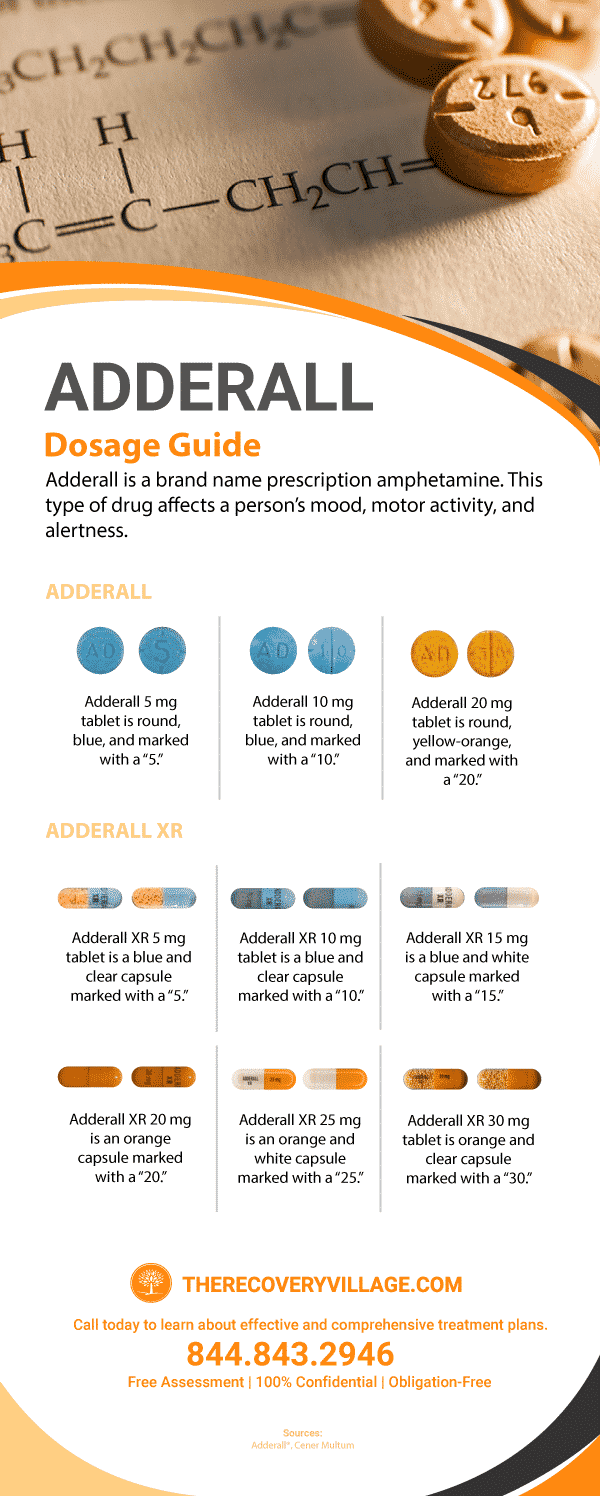
The most direct financial impact of Adderall dosage is on the cost of the medication itself. Adderall is available in both immediate-release (IR) and extended-release (XR) formulations, and critically, as both a brand-name drug and various generic equivalents (amphetamine/dextroamphetamine salts). The choice between brand and generic can represent a significant financial difference, with generic versions often costing a fraction of their brand-name counterparts.
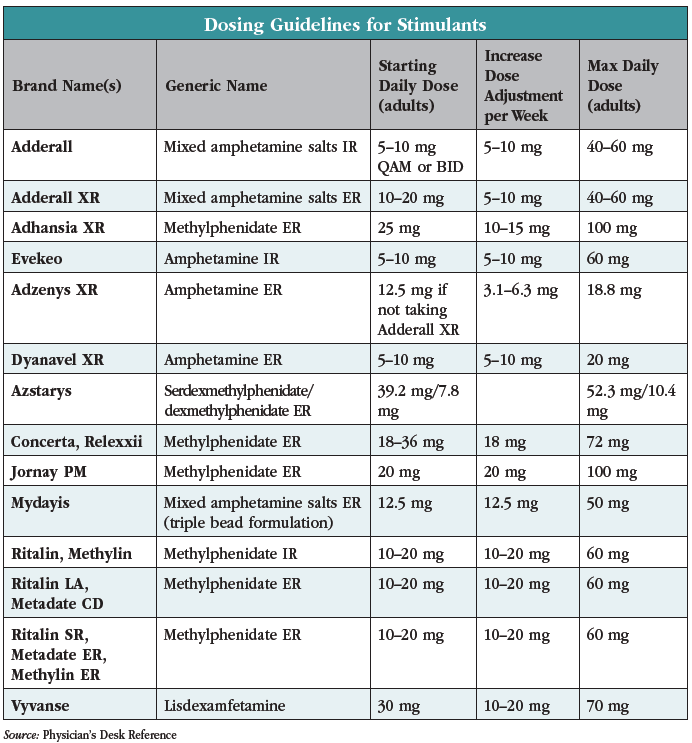
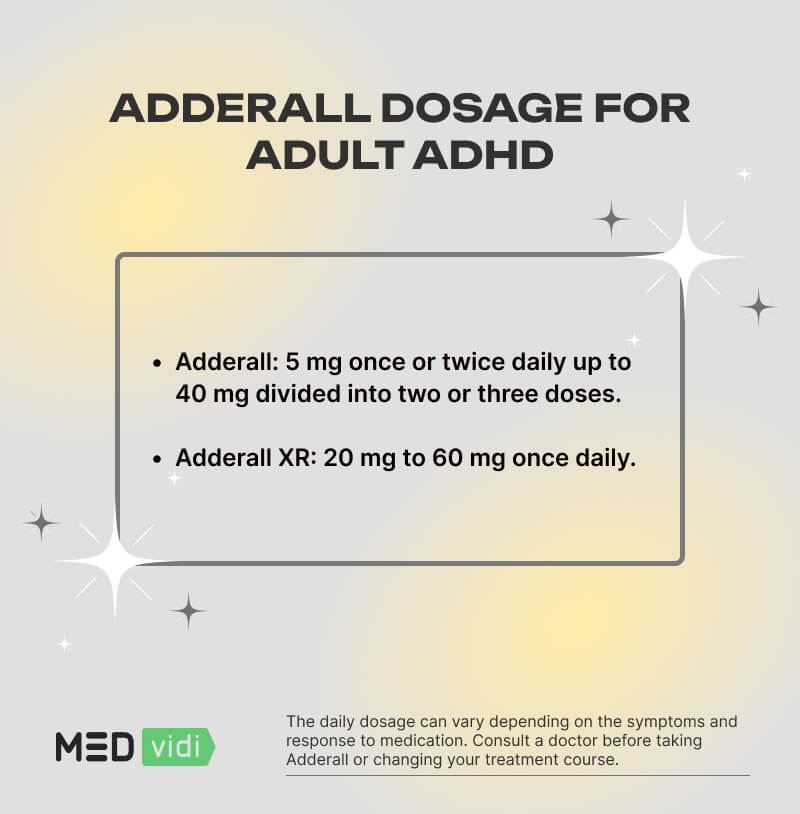
Furthermore, the prescribed dosage directly correlates with the quantity of medication needed, and thus the overall monthly or annual expense. A higher daily dose typically translates to needing more pills per month, escalating the out-of-pocket cost. For instance, if a patient’s maximum effective dose is significantly higher than an average starting dose, their monthly medication bill could be substantially greater. This factor demands careful consideration, especially for individuals without robust insurance coverage or those on high-deductible plans. The financial strain can be particularly acute if a patient requires the maximum dose, pushing their monthly expenditure to the upper limits for this class of medication. Strategic decisions, such as opting for generic forms when clinically appropriate, become vital personal finance maneuvers.
Navigating Insurance and Out-of-Pocket Expenses
Insurance coverage plays a pivotal role in mitigating the financial burden of prescription medications like Adderall. However, the intricacies of insurance plans can turn dosage decisions into complex financial calculations. Many insurance policies have formularies, which are lists of covered drugs, often tiered to dictate co-pays or co-insurance percentages. Brand-name Adderall might fall into a higher tier, requiring a larger out-of-pocket contribution, even if it’s the medically preferred option.
Moreover, deductibles, co-pays, and annual out-of-pocket maximums significantly influence an individual’s financial exposure. Until a deductible is met, the patient is responsible for the full negotiated cost of the medication. For someone on a high dose of Adderall, particularly a brand-name version, hitting that deductible and reaching the out-of-pocket maximum can represent a substantial initial expense. Understanding how dosage impacts the journey to meeting these financial thresholds is crucial for personal financial planning. Patients must not only consider the sticker price of their medication but also how their insurance benefits apply, what their share of the cost will be, and how dose changes might alter those figures.
Strategic Financial Planning for ADHD Management
Managing a chronic condition like ADHD requires more than just consistent medication; it demands foresight and strategic financial planning. The question of maximum dose isn’t just about clinical efficacy; it’s about optimizing financial resources to support long-term well-being and productivity.
Budgeting for Long-Term Pharmaceutical Needs
Integrating medication costs into a household budget is a fundamental aspect of personal finance. For individuals requiring long-term treatment with Adderall, budgeting becomes a continuous exercise. This involves not only accounting for the consistent monthly cost of the prescribed dose but also anticipating potential fluctuations. Dosage adjustments, changes in insurance coverage, or shifts from generic to brand (or vice-versa) can all impact the monthly outlay. Financial planning should include setting aside funds for prescription costs, potentially in a dedicated health savings account (HSA) or flexible spending account (FSA), which offer tax advantages. These accounts can be particularly beneficial for individuals on higher doses, where cumulative costs can be substantial. Understanding the long-term cost trajectory associated with various dose levels empowers individuals to make more informed financial decisions and avoid unexpected financial strain.
The Hidden Costs of Untreated or Inadequately Managed ADHD
While the direct cost of medication is evident, the financial implications of not managing ADHD effectively, or managing it with an inadequate dose, are often far greater but less immediately apparent. Untreated or poorly managed ADHD can lead to significant financial setbacks, including:
-
Underemployment or job loss: Difficulties with focus, organization, time management, and impulse control can hinder career progression, lead to lower wages, or even unemployment.
-
Reduced productivity: Even if employed, individuals with unmanaged ADHD may struggle with productivity, leading to missed opportunities for raises, promotions, or performance-based bonuses.
-
Increased personal debt: Impulsive spending, poor financial planning, and late payment fees can accumulate, leading to mounting debt.
-
Higher healthcare costs: Comorbid conditions (like anxiety or depression) often accompany untreated ADHD, necessitating additional medical care and medication. Accidents due to inattention can also lead to medical bills.
-
Educational expenses: Repeated schooling, academic support, or delayed graduation due to academic difficulties can incur significant financial costs.
From a financial perspective, investing in effective ADHD treatment, including finding the optimal dose of Adderall, can be seen as a strategic investment in one’s human capital. The costs associated with an appropriate dose pale in comparison to the potential long-term financial losses incurred by leaving the condition unmanaged.
Productivity, Earning Potential, and the Role of Optimal Dosage
In the modern economy, intellectual capital and sustained productivity are key drivers of earning potential. For individuals with ADHD, finding the optimal dosage of Adderall is not merely about symptom reduction; it’s about unlocking their full potential to contribute meaningfully to the workforce and, by extension, to their personal financial growth. The question of “maximum dose” thus takes on a new financial dimension: what is the maximum effective dose that optimizes an individual’s capacity to earn and build wealth?
Enhancing Professional Performance Through Effective Treatment
Effective management of ADHD, often facilitated by an optimal dose of medication, can dramatically improve an individual’s ability to perform in professional settings. This includes enhanced focus, improved organizational skills, better time management, and reduced impulsivity—all critical attributes for career success. When individuals can consistently meet deadlines, engage deeply with tasks, and manage their responsibilities efficiently, their value to employers increases. This translates into tangible financial benefits:
-
Increased earning potential: Stronger performance can lead to promotions, raises, and opportunities for higher-paying roles.
-
Career stability: Reliability and consistent performance reduce the risk of job loss.
-
Entrepreneurial success: For those pursuing self-employment, improved focus and execution are vital for business growth and profitability.
From a financial standpoint, the investment in finding and maintaining the right dose of Adderall (up to its maximum effective and safe limit) can yield significant returns through improved professional trajectory and increased income over a lifetime. It allows individuals to maximize their “human capital” and translate their intellectual abilities into financial gains.
Mitigating Financial Risks Associated with ADHD Impairment
Conversely, inadequate dosing or inconsistent treatment can perpetuate the financial risks associated with ADHD impairment. If the dose is too low, or if treatment is inconsistent, the individual may continue to struggle with core ADHD symptoms, leading to:
-
Stagnated career growth: Inability to take on more complex roles or meet higher performance expectations.
-
Increased likelihood of job changes: Dissatisfaction or performance issues leading to frequent job hopping, which can disrupt income stability and benefit accumulation.
-
Missed opportunities: Inattention or disorganization might cause individuals to miss deadlines for lucrative projects, fail to apply for promotions, or overlook critical financial planning details.
-
Legal and financial penalties: Impulsive decisions, poor attention to detail, or difficulty following rules can lead to legal issues, fines, or other financial penalties.
The discussion around the “maximum dose” for ADHD medication, therefore, is not solely a medical safety threshold but also a financial efficiency point. Finding the dose that provides maximum therapeutic benefit without adverse effects can be the difference between a financially struggling individual and a thriving, productive contributor to the economy.
Broader Economic Implications: Understanding the Healthcare Market
The financial implications of Adderall dosage extend beyond individual budgets to the broader healthcare market. The pricing of pharmaceuticals, the structure of insurance, and the availability of affordable care are all economic factors that influence access to and the sustainability of treatment for conditions like ADHD.
Pharmaceutical Pricing and Consumer Financial Burden
The pharmaceutical industry operates within a complex economic framework where drug development costs, patent protections, and market demand influence pricing. Brand-name drugs, including Adderall, command higher prices due to research and development investments and patent exclusivity. Generic competition, however, eventually drives prices down. The “maximum dose” question, from a market perspective, highlights the economic burden on consumers if generic alternatives are unavailable or if a specific brand formulation is medically necessary and not fully covered by insurance. High drug prices, particularly for chronic conditions requiring ongoing medication, contribute significantly to healthcare inflation and can impose substantial financial stress on households, potentially leading to non-adherence to treatment due to cost.
Advocacy and Financial Resource Exploration for Patients
In this economic landscape, patient advocacy and the exploration of financial resources become critical. Organizations dedicated to ADHD support often provide information on patient assistance programs offered by pharmaceutical manufacturers, discount cards, or charitable foundations that can help offset medication costs, especially for those requiring higher doses or specific formulations. Understanding the maximum dose also empowers patients to engage more effectively in discussions with their healthcare providers about cost-effective treatment strategies, including the appropriate use of generics or exploring alternative therapies if the financial burden of a particular dosage becomes unsustainable. From a financial literacy perspective, being an informed consumer in the healthcare market means actively seeking out these resources and understanding the economic levers that can make long-term treatment financially viable.
In conclusion, while “what is the maximum dose of Adderall” appears to be a strictly medical inquiry, its financial dimensions are profound and far-reaching. From the immediate cost implications of dosage and formulation to its long-term impact on productivity, earning potential, and personal financial stability, the decision around Adderall dosing is a critical intersection of health and wealth. For anyone managing ADHD or those supporting them, a comprehensive understanding of these financial dynamics is indispensable for navigating the complexities of chronic care in today’s economic climate.
aViewFromTheCave is a participant in the Amazon Services LLC Associates Program, an affiliate advertising program designed to provide a means for sites to earn advertising fees by advertising and linking to Amazon.com. Amazon, the Amazon logo, AmazonSupply, and the AmazonSupply logo are trademarks of Amazon.com, Inc. or its affiliates. As an Amazon Associate we earn affiliate commissions from qualifying purchases.