
Navigating the complexities of unemployment can be a daunting experience, particularly when facing the immediate financial uncertainty it brings. For residents of California, understanding the state’s Unemployment Insurance (UI) program is crucial. This system provides a vital safety net, offering temporary financial assistance to eligible workers who lose their jobs through no fault of their own. While the core purpose is clear, many questions arise, with one of the most pressing being: “What is the maximum unemployment benefit in California?”
This article delves into the intricacies of California’s UI benefits, outlining not only the maximum weekly amount but also the factors that determine eligibility, the calculation methodology, and critical insights for those navigating this essential financial support system. By demystifying the process, we aim to equip individuals with the knowledge needed to make informed financial decisions during periods of unemployment.
Understanding California’s Unemployment Insurance (UI) System
California’s Unemployment Insurance program is a state-federal partnership designed to provide temporary income assistance to eligible workers. Funded by employer contributions, it serves as a crucial economic stabilizer, helping individuals and families meet basic needs while they actively search for new employment. Far from being a handout, UI benefits are an earned entitlement for those who meet specific criteria, having contributed to the workforce through their labor and, indirectly, through their employers’ payroll taxes.
Eligibility Criteria for UI Benefits
To qualify for unemployment benefits in California, applicants must meet several fundamental requirements. These criteria ensure that the program serves its intended purpose without misuse. Primarily, an individual must have:
-
Earned Sufficient Wages: The California Employment Development Department (EDD), which administers the UI program, uses a “base period” to determine if an applicant has earned enough wages. This base period is a 12-month timeframe. Generally, applicants must have earned at least $1,300 in the highest quarter of their base period or earned at least $900 in their highest quarter and total base period earnings of 1.25 times their highest quarter earnings. These wage requirements ensure that applicants have a recent attachment to the workforce.
-
Lost Employment Through No Fault of Their Own: This is a cornerstone of UI eligibility. Individuals who are laid off, whose positions are eliminated, or whose employment ends due to lack of work are typically eligible. Conversely, those who voluntarily quit their jobs without “good cause” or are fired for “misconduct” may be disqualified. “Good cause” is a legally defined term that can include unsafe working conditions, discrimination, or certain family obligations, but it requires careful documentation and review by the EDD.
-
Be Able and Available for Work: Applicants must be physically and mentally capable of performing work and actively seeking new employment. This typically involves registering for work with CalJOBS and engaging in specific job search activities as defined by the EDD. The willingness to accept suitable work is paramount.
-
Be Unemployed or Working Reduced Hours: While primarily for the fully unemployed, individuals working reduced hours and earning less than their potential weekly benefit amount may still qualify for partial benefits, helping to bridge income gaps.
Meeting these criteria is the first step toward accessing financial support. Each application is reviewed on a case-by-case basis, with the EDD often requiring additional information to confirm eligibility.
How UI Benefits Are Calculated
The calculation of weekly unemployment benefits in California is a structured process tied directly to an applicant’s past earnings. It’s not a flat rate for everyone; rather, it’s designed to provide a percentage of an individual’s previous income, up to a state-defined maximum.
The EDD primarily uses the quarter in the applicant’s “base period” where they earned the highest wages. The formula is approximately 1/26th of the wages earned in that highest quarter. For example, if an individual earned $10,000 in their highest quarter, their weekly benefit would be around $384 ($10,000 / 26). This calculation is subject to minimum and maximum thresholds set by the state legislature. The purpose of this calculation method is to ensure that those who earned more previously receive a higher benefit, reflecting their prior contributions to the economy, but within responsible limits to maintain the program’s solvency.
The Role of the Employment Development Department (EDD)
The EDD is the central authority for administering unemployment benefits in California. From processing applications and determining eligibility to disbursing payments and managing appeals, the EDD plays a comprehensive role. It is also responsible for enforcing job search requirements, detecting fraud, and connecting unemployed individuals with re-employment services through its CalJOBS platform. Understanding that the EDD is the primary point of contact for all UI-related matters is essential for applicants, as all communications, certifications, and inquiries will go through this department.
Deconstructing the Maximum Weekly Benefit Amount (WBA)
The concept of a “maximum” benefit is critical because, regardless of how high an individual’s previous earnings were, the weekly benefit amount will never exceed this state-mandated cap. This ceiling is a key component of the UI system, balancing support for individuals with the fiscal responsibility of the program.
Current Maximum WBA in California
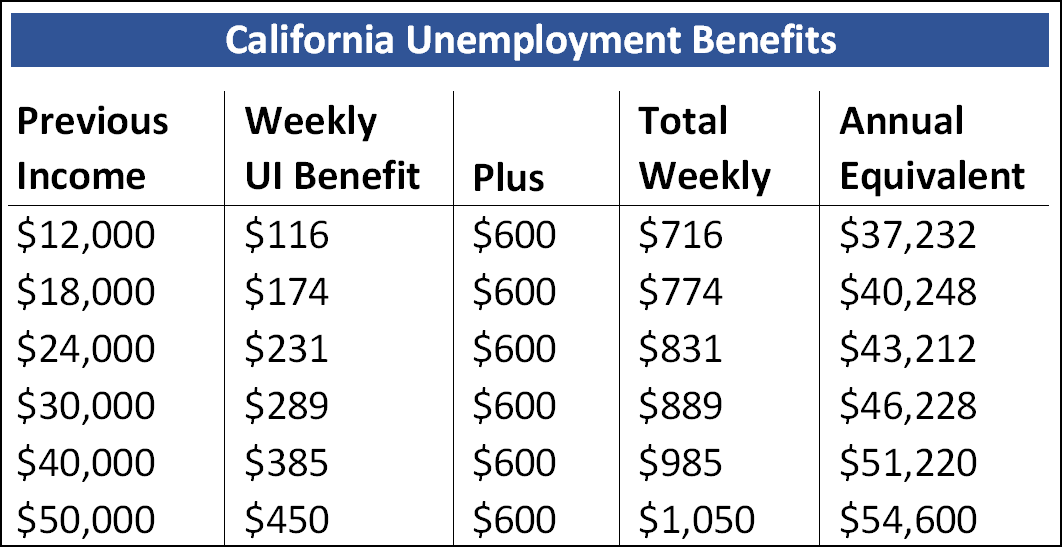
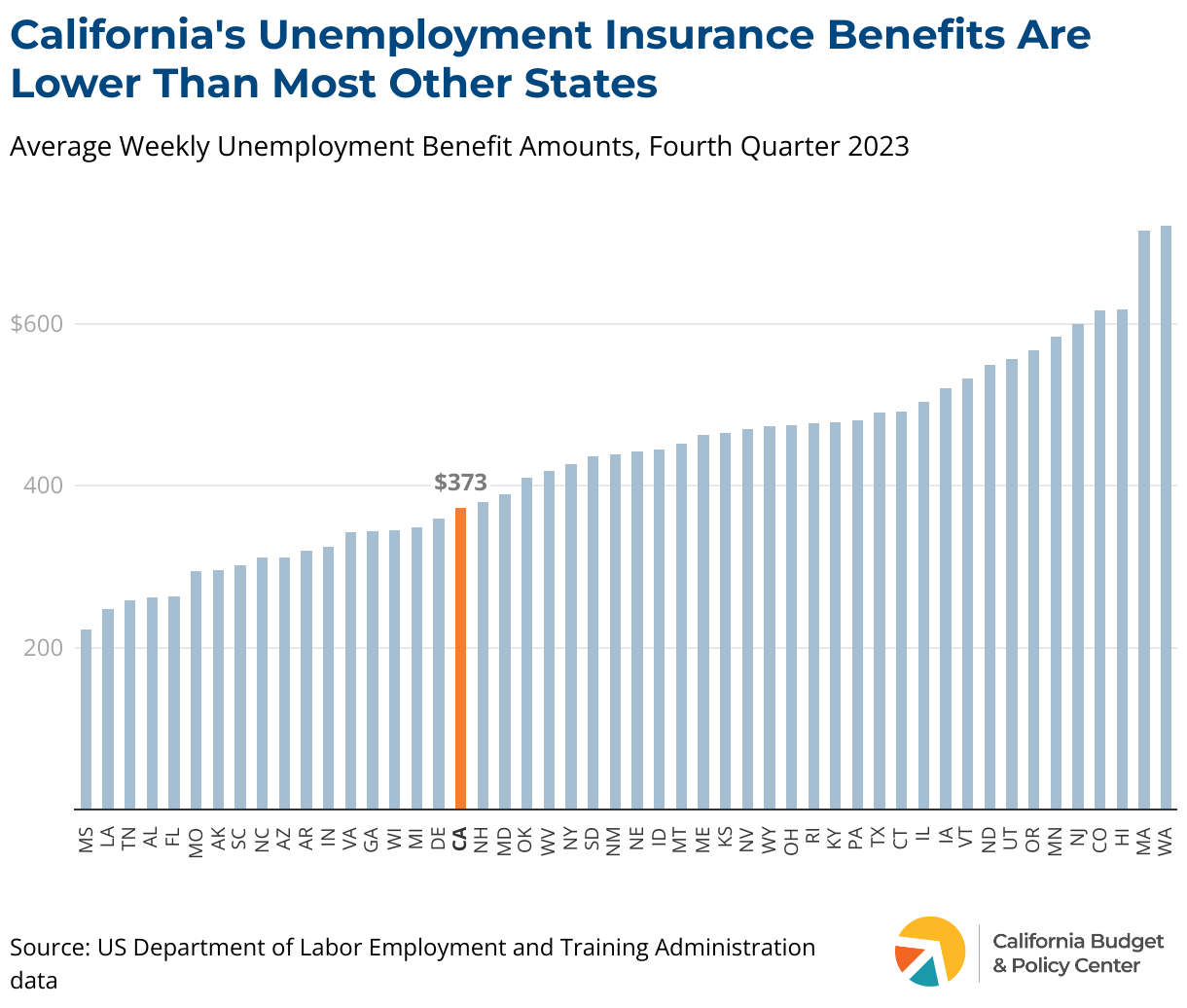
As of the most recent legislative adjustments, the maximum weekly unemployment benefit in California is $450. This means that even if an individual’s previous wages would calculate to a higher weekly benefit based on the 1/26th formula, their payment would be capped at $450 per week. This figure has remained consistent for several years, though it is subject to review and change by the state legislature. It’s crucial for applicants to be aware of this cap, as it directly impacts their financial planning during unemployment. While $450 can provide significant relief, it often represents a substantial reduction in income for many previously high-earning individuals.
Factors Influencing the Maximum
The determination of the maximum weekly benefit amount is not arbitrary. It’s influenced by several factors, including:
-
Economic Conditions: In times of severe economic downturns or crises, state and federal governments may temporarily increase benefit amounts or extend the duration of benefits (as seen during the COVID-19 pandemic with federal programs like PUA and PEUC). These are typically extraordinary measures, distinct from the standard state maximum.
-
Legislative Review: The California legislature periodically reviews the UI program, including benefit levels, to ensure it remains relevant and effective. Adjustments are often made based on cost of living, average wages, and the overall health of the state’s economy.
-
Program Solvency: The EDD must maintain the solvency of the UI fund, which is financed by employer taxes. The maximum benefit amount is set to ensure the fund can meet its obligations without requiring drastic tax increases on businesses or running out of money during high unemployment periods.
Understanding these underlying factors provides context for why the maximum benefit is set where it is and why it can change over time.
Historical Context and Adjustments
Historically, California’s unemployment benefit maximum has seen gradual increases. For instance, the maximum weekly benefit was $300 for many years before being raised to $340, then $400, and finally to its current $450. These adjustments reflect attempts to keep pace with inflation and the rising cost of living, albeit often with a lag. Examining this history underscores that the UI system is not static; it evolves, albeit slowly, in response to economic realities and legislative priorities. However, it’s important to differentiate these standard state adjustments from temporary federal supplements, which provide additional payments during national emergencies.
Navigating the Application Process and Maintaining Eligibility
Applying for unemployment benefits can seem overwhelming, but a structured approach can simplify the process. Equally important is understanding how to maintain eligibility once benefits begin.
Step-by-Step Application Guide
-
Gather Necessary Information: Before applying, collect your Social Security number, driver’s license or state ID number, mailing address and phone number, last employer’s name, address, and phone number, dates of employment, reason for separation, and gross earnings. For former federal employees or military personnel, additional documentation may be required.
-
Apply Online: The quickest and most efficient way to apply is online through the EDD’s UI Online portal (edd.ca.gov). The application can be completed in one session, but it’s crucial to be thorough and accurate.
-
Create an EDD Online Account: This account is essential for managing your claim, certifying for benefits, and communicating with the EDD.
-
Wait for Notification: After applying, the EDD will send you various notices, including a “Notice of UI Award” which details your potential weekly benefit amount and total award, and potentially a “Notice of Interview” if there are questions about your eligibility.
-
Be Prepared for an Interview: If there’s an issue with your claim (e.g., questions about why you left your last job), the EDD may schedule a phone interview. It’s vital to participate and provide clear, truthful information.
Patience is key, as processing times can vary, especially during periods of high claim volume.
Certifying for Benefits and Work Search Requirements
Receiving benefits is not a one-time event. To continue getting payments, you must “certify” for benefits, typically every two weeks. This involves answering questions about your availability for work, any work you performed, and your job search efforts during the previous two weeks.
-
Work Search: California generally requires recipients to actively search for work each week they claim benefits. The EDD specifies what constitutes an “active work search,” which can include submitting résumés, attending job fairs, interviewing, or utilizing CalJOBS resources. Keeping a detailed record of your job search activities (dates, companies contacted, type of work sought, results) is highly recommended, as the EDD may request this information.
-
Reporting Earnings: If you work part-time while receiving benefits, you must report all gross earnings for the weeks you work. The EDD will deduct a portion of these earnings from your weekly benefit amount. Earning too much in a week can result in no benefit payment for that week.
Failure to certify or meet work search requirements can lead to delayed payments or disqualification.
What Happens After Exhausting Benefits?
Standard UI benefits in California typically last for a maximum of 26 weeks within a 52-week benefit year. Once these benefits are exhausted, they cease unless state or federal extensions are active. During periods of high unemployment, federal programs (like the temporary extensions seen during the Great Recession or COVID-19 pandemic) may provide additional weeks of benefits. However, these are not permanent features of the UI system and are only enacted under specific legislative mandates. Individuals nearing the end of their standard benefits should proactively explore re-employment resources and other financial strategies.
Beyond the Basic Benefit: Extensions and Special Programs
While the $450 maximum weekly benefit is the standard, certain circumstances or legislative actions can introduce additional layers of financial support.
Federal Extensions and Pandemic Programs (Historically Relevant)
It’s important to distinguish between California’s standard UI and temporary federal programs. During the COVID-19 pandemic, programs like Pandemic Unemployment Assistance (PUA) extended eligibility to individuals not typically covered by state UI (e.g., self-employed, gig workers) and Pandemic Emergency Unemployment Compensation (PEUC) provided additional weeks of benefits beyond the standard 26 weeks. Furthermore, the Federal Pandemic Unemployment Compensation (FPUC) provided an additional $600 (then $300) weekly payment on top of state benefits. As of late 2021, these pandemic-related federal programs have expired. This highlights that while significant, such enhancements are temporary and tied to specific crises, not permanent additions to the baseline UI system. When these programs are not active, the standard state maximum of $450 applies.
Disaster Unemployment Assistance (DUA)
Separate from standard UI, Disaster Unemployment Assistance (DUA) is a federal program that provides financial assistance to individuals whose employment or self-employment has been lost or interrupted as a direct result of a major disaster declared by the President. DUA is administered by the state’s UI agency (the EDD in California) but is distinct from regular UI, offering benefits to those who may not qualify for regular UI, such as farmers, self-employed individuals, or those who could not reach their job due to the disaster. The benefit amount for DUA is typically based on the average weekly benefit for regular UI in the state.
Understanding Benefit Overpayments and Appeals
Sometimes, the EDD may determine that an individual received benefits they were not entitled to, leading to an “overpayment.” This can happen due to errors in reporting earnings, misinterpretation of rules, or even fraud. The EDD will issue a “Notice of Overpayment” and will seek to recover the funds, often by deducting them from future benefits or through other collection methods. It is crucial to respond promptly to any overpayment notices.
If an applicant disagrees with an EDD decision—whether it’s about eligibility, benefit amount, or an overpayment—they have the right to appeal. The appeals process involves a hearing before an Administrative Law Judge (ALJ), where both the applicant and the EDD present their cases. Understanding your appeal rights and preparing thoroughly can be vital for overturning adverse decisions.
Strategic Financial Planning While Receiving UI
Receiving unemployment benefits, even at the maximum of $450 per week, often means a significant reduction in income. Strategic financial planning during this period is not just advisable; it’s essential for maintaining stability and preparing for re-employment.
Budgeting and Expense Management
The first and most critical step is to create a realistic budget that reflects your reduced income. Prioritize essential expenses such as housing, food, utilities, and healthcare. Identify discretionary spending that can be cut or significantly reduced, such as dining out, entertainment, and non-essential subscriptions. Look for ways to lower fixed costs if possible, like renegotiating service contracts. The goal is to stretch your benefits as far as possible, minimizing debt accumulation during this transition period. Resources like free budgeting apps or financial counseling services can be invaluable.
Exploring Re-employment Resources
While receiving UI, the primary objective is to find new employment. California’s EDD offers a wealth of resources through its CalJOBS platform and local America’s Job Centers of California (AJCCs). These resources can include:
-
Job Search Assistance: Access to job listings, résumé workshops, interview coaching, and career counseling.
-
Training and Education: Information on programs that can help you gain new skills or certifications, potentially even while receiving benefits through programs like the Workforce Innovation and Opportunity Act (WIOA).
-
Networking Opportunities: Access to job fairs and employer connections.
Actively engaging with these resources not only helps fulfill work search requirements but also significantly improves the chances of finding suitable employment sooner.

Long-Term Financial Stability Post-Unemployment
Beyond the immediate crisis, unemployment can be a stark reminder of the importance of an emergency fund. Aim to build a robust savings cushion that can cover 3-6 months of living expenses. This fund acts as a personal unemployment insurance, providing peace of mind and flexibility during future unforeseen job losses. Additionally, consider reviewing your overall financial plan, including retirement savings, debt management strategies, and insurance coverage, to ensure long-term resilience against economic fluctuations.
In conclusion, understanding the maximum unemployment benefit in California—currently $450 per week—is just one piece of a larger financial puzzle. Eligibility, calculation methods, the application process, and proactive financial management all play crucial roles in navigating unemployment successfully. By leveraging the available resources and adopting a strategic approach, individuals can mitigate the financial impact of job loss and position themselves for a swift and stable return to the workforce.
aViewFromTheCave is a participant in the Amazon Services LLC Associates Program, an affiliate advertising program designed to provide a means for sites to earn advertising fees by advertising and linking to Amazon.com. Amazon, the Amazon logo, AmazonSupply, and the AmazonSupply logo are trademarks of Amazon.com, Inc. or its affiliates. As an Amazon Associate we earn affiliate commissions from qualifying purchases.