
Navigating the landscape of higher education finance can be a daunting task, fraught with complex terminology and intricate application processes. For many aspiring students, the cost of college presents a formidable barrier, threatening to derail their academic ambitions before they even begin. Fortunately, a foundational cornerstone of federal student aid exists to alleviate this burden: the Federal Pell Grant. Designed to provide financial assistance to undergraduate students with exceptional financial need, the Pell Grant is a critical resource that helps millions access and afford postsecondary education. But what exactly is this grant, and perhaps more importantly for those planning their finances, what is the maximum amount a student can receive? Understanding the intricacies of the Pell Grant, its eligibility requirements, and how the maximum award is determined is crucial for anyone seeking to leverage this invaluable federal support. This comprehensive guide will demystify the Federal Pell Grant, providing insights into its mechanics, its impact, and how students can maximize their chances of receiving this vital aid.
Understanding the Federal Pell Grant Program
The Federal Pell Grant stands out as a unique and indispensable component of the broader federal student aid system. Unlike loans, which must be repaid with interest, a Pell Grant is a direct award that does not need to be reimbursed, making it an incredibly attractive option for students facing significant financial challenges.
What is the Pell Grant?
At its core, the Pell Grant is a need-based federal grant provided to undergraduate students who have not yet earned a bachelor’s or professional degree. It serves as “seed money” to help eligible students cover educational expenses such as tuition, fees, room and board, books, and supplies. The grant is not tied to academic merit, though recipients must maintain satisfactory academic progress to continue receiving it. It’s a foundational grant, often serving as the bedrock upon which other forms of financial aid are built. Without the Pell Grant, countless students from low-income backgrounds would find higher education financially out of reach.
Purpose and History
The Pell Grant program was established by the Higher Education Act of 1965 and substantially expanded under the Education Amendments of 1972, initially named Basic Educational Opportunity Grants (BEOGs) before being renamed in honor of its chief sponsor, Senator Claiborne Pell, in 1980. Its fundamental purpose has remained consistent: to promote educational access and opportunity for students from low- and middle-income families. Before the Pell Grant, federal financial aid was largely loan-based or limited to specific populations. The grant program marked a pivotal shift towards direct, need-based aid, recognizing that significant upfront financial assistance was essential to level the playing field for students from diverse socioeconomic backgrounds. This historical context underscores its enduring role in democratizing access to higher education.
Grant vs. Loan: The Key Distinction
One of the most vital aspects to grasp about the Pell Grant is its nature as a grant, not a loan. This distinction is critical for students and families. A grant is essentially free money for college that does not have to be repaid (unless, in rare circumstances, you withdraw from school or fail to complete the period for which the funds were awarded, requiring a partial repayment). Conversely, a loan is borrowed money that must be repaid, typically with interest, after the student graduates or leaves school. The non-repayable nature of the Pell Grant significantly reduces the financial burden on students, allowing them to focus more on their studies and less on accumulating debt, thereby fostering better academic outcomes and long-term financial stability.
Eligibility Criteria and Award Determination
While the Pell Grant is a boon for many, eligibility is not universal. Several factors come into play when determining whether a student qualifies for the grant and, subsequently, the amount they will receive. Understanding these criteria is essential for any prospective applicant.
Basic Requirements
To be eligible for a Federal Pell Grant, applicants must meet several fundamental requirements. These include:
- Demonstrating financial need: This is the cornerstone of Pell Grant eligibility.
- Being a U.S. citizen or an eligible noncitizen: Specific immigration statuses qualify.
- Having a valid Social Security number: Required for most federal aid.
- Being enrolled or accepted for enrollment as a regular student in an eligible degree or certificate program: The institution must participate in federal student aid programs.
- Having a high school diploma or its recognized equivalent (such as a GED certificate), or completing an approved homeschooling program: Or meeting other specific criteria for ability to benefit.
- Maintaining satisfactory academic progress: Once enrolled, students must meet their school’s standards for academic achievement to continue receiving aid.
- Not being in default on any federal student loan or owing an overpayment on a federal student grant.
- Signing statements on the Free Application for Federal Student Aid (FAFSA) indicating you will use federal student aid only for educational purposes and that you are not in default on any federal student loans.
Expected Family Contribution (EFC)
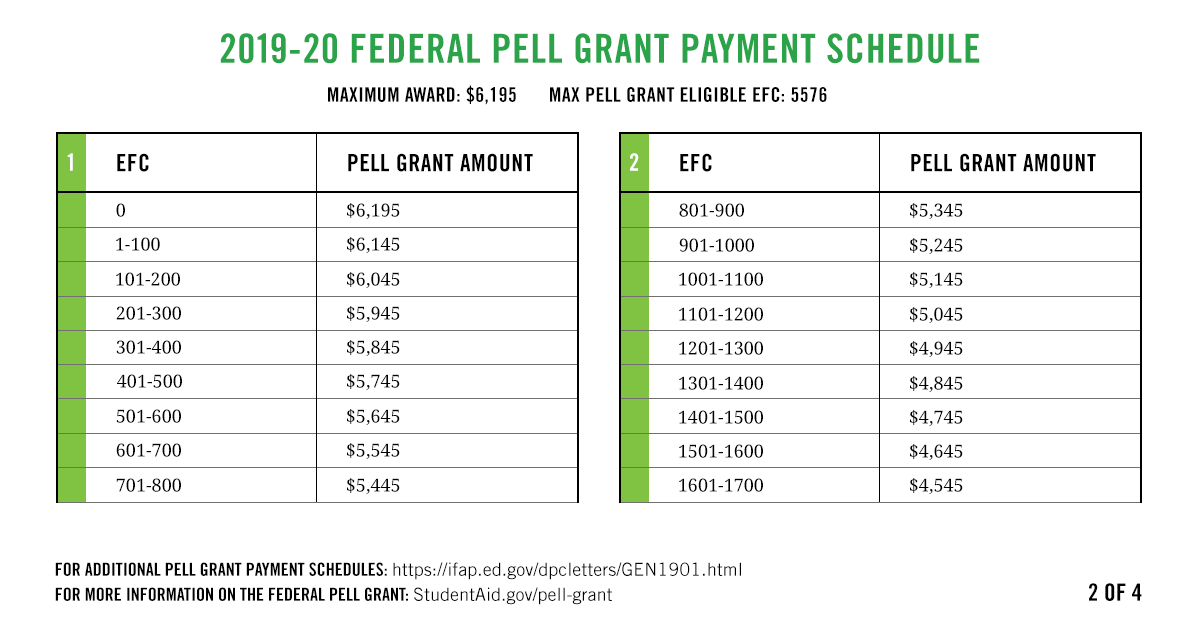
The most significant factor in determining Pell Grant eligibility and the award amount is the Expected Family Contribution (EFC). The EFC is an index number calculated by the Department of Education using a formula established by Congress. This formula considers various data points from your FAFSA, including your family’s taxed and untaxed income, assets (excluding primary residence and retirement accounts), and benefits, as well as family size and the number of family members in college. The EFC is not the amount of money your family will have to pay for college, nor is it the amount of federal student aid you will receive. Instead, it’s an index number that financial aid administrators use to determine your eligibility for federal student aid, including the Pell Grant. A lower EFC indicates a higher level of financial need and, consequently, a higher potential Pell Grant award. For the highest Pell Grant award, a student typically needs an EFC of 0.
Cost of Attendance (COA)
Another critical factor is the Cost of Attendance (COA). This is the total estimated cost to attend a particular school for one academic year, as determined by the institution. It includes not only direct costs like tuition and fees but also indirect costs such as room and board (even if not on campus), books, supplies, transportation, and personal expenses. A higher COA at a specific institution can potentially increase the amount of financial need a student demonstrates, influencing the Pell Grant amount, although the maximum grant amount itself is federally capped regardless of how high a school’s COA might be. The Pell Grant cannot exceed a student’s COA.
Enrollment Status
Your enrollment status (full-time, three-quarter time, half-time, or less than half-time) also impacts the actual Pell Grant amount you receive. While the maximum Pell Grant is calculated for full-time enrollment, students attending less than full-time may still be eligible for a pro-rated portion of the grant. For example, a student enrolled half-time would typically receive half of the full-time Pell Grant amount for which they are eligible. This flexibility allows students with varying academic loads to benefit from the program.
Lifetime Eligibility Used (LEU)
There’s a limit to how long a student can receive a Pell Grant. This is measured by the Lifetime Eligibility Used (LEU), which is expressed as a percentage. Students can receive the Pell Grant for no more than 12 semesters or the equivalent (roughly six years of full-time enrollment). Each year you receive a Pell Grant, a percentage is added to your LEU. For instance, receiving a full-time Pell Grant for a full academic year will typically add 100% to your LEU. Once your LEU reaches 600% (6 years), you are no longer eligible for a Pell Grant. This limit ensures the program remains available to a broad pool of students over time.
Unpacking the Maximum Pell Grant Amount
The question “what is the max Federal Pell Grant” is central to many students’ financial planning. The answer, however, isn’t a static number. It changes periodically, determined by legislative action.
How the Max Grant is Set Annually
The maximum Federal Pell Grant amount is not arbitrarily decided; it is determined annually by the U.S. Congress through the appropriations process. Each year, as part of the federal budget, Congress reviews and approves funding levels for various federal programs, including student financial aid. Factors influencing this decision include economic conditions, the overall federal budget, the number of eligible students, and policy priorities related to higher education access. This legislative process means that the maximum Pell Grant can increase, remain stagnant, or, in rare instances, even decrease, though increases are generally the trend to keep pace with rising education costs.

The Current Maximum
For the 2023-2024 award year (July 1, 2023, to June 30, 2024), the maximum Federal Pell Grant award is $7,395. It is crucial to remember that this figure applies to a student attending full-time for a full academic year and with an Expected Family Contribution (EFC) of 0 (or a negative EFC under the new FAFSA calculation methods beginning with the 2024-2025 aid year). Students attending less than full-time, those with a positive EFC, or those attending schools with a lower Cost of Attendance will receive a pro-rated amount up to this maximum. This amount is subject to change for future award years, so students should always consult the official Federal Student Aid website or their school’s financial aid office for the most current figures.
Why the Max Grant Matters
The maximum Pell Grant amount holds immense significance for students from low-income backgrounds. For many, this amount can cover a substantial portion, if not all, of tuition and fees at community colleges or less expensive public universities. Even at higher-cost institutions, it significantly reduces the amount a student needs to borrow or pay out of pocket, thus making higher education more attainable. A higher maximum Pell Grant directly translates to greater purchasing power for students, alleviating financial stress and allowing them to focus on academic success. It’s a direct investment in human capital and a powerful tool for social mobility.
Factors that Limit an Individual’s Grant Below the Maximum
While the maximum Pell Grant is $7,395 for the 2023-2024 year, not every eligible student will receive this full amount. Several factors can result in a student receiving a lower award:
- Expected Family Contribution (EFC): If your EFC is greater than 0, your Pell Grant award will be reduced proportionally. The higher your EFC, the lower your grant, until it reaches a point where you are no longer eligible.
- Cost of Attendance (COA): Your Pell Grant cannot exceed your school’s COA. If your COA is less than the maximum Pell Grant amount for which you are eligible based on your EFC, your grant will be capped at your COA. This is particularly relevant for students attending very low-cost programs or institutions.
- Enrollment Status: As mentioned, students enrolled less than full-time will have their Pell Grant pro-rated. For example, a student eligible for the full $7,395 but only enrolled half-time would receive half of that amount, or $3,697.50.
- Less Than Full Academic Year: If you attend school for only one semester or a portion of the academic year, your grant will be pro-rated accordingly.
Applying for the Pell Grant and Maximizing Your Aid
Accessing the Pell Grant, and indeed any federal financial aid, hinges on one critical application: the Free Application for Federal Student Aid (FAFSA).
The FAFSA is Key
The Free Application for Federal Student Aid (FAFSA) is the single most important document for students seeking federal financial assistance, including the Pell Grant. This application collects detailed financial information about you and your family, which is then used to calculate your Expected Family Contribution (EFC) and determine your eligibility for various federal, state, and even some institutional aid programs. Completing the FAFSA accurately and submitting it on time is paramount. It’s available annually, typically starting October 1st, for the upcoming academic year. Remember, it’s free to complete, so avoid any websites or services that charge a fee.
Timelines and Deadlines
While the federal deadline for FAFSA submission is typically in June each year, it’s crucial to be aware of state and institutional deadlines, which are often much earlier. Many states have “first-come, first-served” policies for their own financial aid programs, and some colleges also have priority deadlines for institutional aid. Missing these earlier deadlines could mean missing out on valuable aid. Students are strongly advised to complete and submit their FAFSA as soon as possible after it opens on October 1st.
Beyond the Pell Grant
While the Pell Grant is a cornerstone, it’s rarely the sole source of financial aid. Students should explore a range of other options to cover educational costs fully:
- Other Federal Aid: This includes Federal Supplemental Educational Opportunity Grants (FSEOG), which are also need-based; Federal Work-Study, which allows students to earn money through part-time jobs; and federal student loans (Direct Subsidized and Unsubsidized Loans, PLUS Loans).
- State Aid: Many states offer their own grant and scholarship programs based on need or merit.
- Institutional Aid: Colleges and universities often have their own grant, scholarship, and loan programs funded by endowments, alumni donations, and institutional budgets.
- Private Scholarships: Numerous organizations, foundations, and corporations offer scholarships based on various criteria (academics, major, ethnicity, community service, talents, etc.).
- Private Loans: As a last resort, private loans are available from banks and other lenders, though they often have less favorable terms than federal loans.
Maintaining Eligibility
Once you receive a Pell Grant, it’s important to understand what’s required to continue receiving it in subsequent years. The primary condition is maintaining Satisfactory Academic Progress (SAP). Each institution defines SAP, but it typically involves maintaining a minimum GPA (e.g., 2.0 on a 4.0 scale), successfully completing a certain percentage of attempted credits, and completing your degree within a maximum timeframe. Failing to meet SAP standards can result in the loss of federal financial aid, including the Pell Grant, until those standards are met again.
The Broader Impact and Future of the Pell Grant
The Federal Pell Grant program is more than just a financial aid mechanism; it’s a vital engine for social mobility and economic development, deeply intertwined with the nation’s commitment to educational equity.
A Cornerstone of Financial Aid
For over five decades, the Pell Grant has served as the largest and most foundational federal grant program for postsecondary education. Its impact is immeasurable, directly enabling millions of students from low- and middle-income backgrounds to pursue higher education, a goal that would have been unattainable otherwise. It functions as an indispensable safety net, ensuring that financial disadvantage does not automatically preclude academic aspiration. The program’s sustained existence and consistent funding underscore its recognized importance across political administrations and legislative bodies.
Addressing Educational Equity
The Pell Grant plays a crucial role in addressing educational equity by reducing financial barriers that disproportionately affect students from underrepresented groups and low-income households. By providing direct, non-repayable aid, it helps bridge the gap between the cost of college and a family’s ability to pay, thereby promoting a more diverse and inclusive student body across colleges and universities. This not only benefits individual students but also enriches the educational environment for everyone and contributes to a more equitable society. Studies consistently show that Pell Grant recipients are more likely to enroll in and complete college, leading to improved employment prospects and higher lifetime earnings.
Potential Reforms and Future Outlook
Discussions surrounding the Pell Grant are ongoing, with many advocates pushing for reforms to enhance its effectiveness and reach. Key areas of discussion often include:
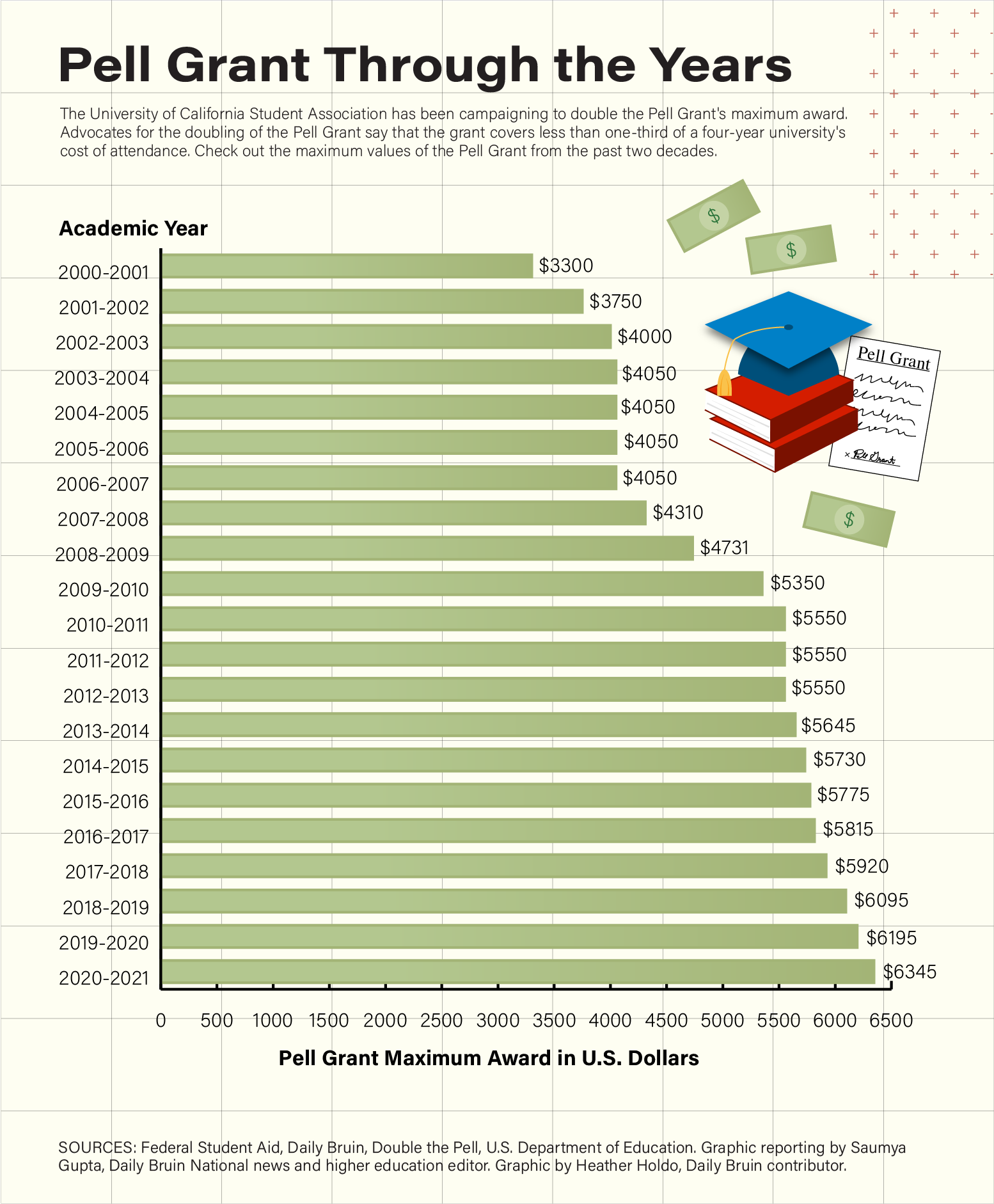
- Increasing the Maximum Grant: Calls to significantly increase the maximum Pell Grant to keep pace with rising tuition costs and restore its original purchasing power (which has eroded over time) are frequent.
- Expanding Eligibility: Proposals sometimes include expanding eligibility to “Dreamers,” incarcerated individuals, or even some graduate students.
- Indexing to Inflation: Suggestions have been made to automatically adjust the Pell Grant for inflation, preventing its value from diminishing over time without direct legislative intervention.
- Simplifying the FAFSA: The recent FAFSA Simplification Act, which will be fully implemented for the 2024-2025 academic year, aims to streamline the application process and change how financial need is assessed (replacing EFC with Student Aid Index or SAI), potentially expanding Pell Grant eligibility for many students.
These ongoing debates reflect the program’s vital role and the continuous effort to ensure it remains responsive to the evolving needs of students and the economy. The future of the Pell Grant is likely to involve continued efforts to strengthen its financial support and broaden its accessibility, cementing its legacy as a transformative force in American higher education.
In conclusion, the Federal Pell Grant is a cornerstone of financial aid, providing essential, non-repayable funds to students with demonstrated financial need. While the maximum award for 2023-2024 stands at $7,395, individual amounts vary based on EFC, COA, and enrollment status. Understanding this vital program, completing the FAFSA diligently, and exploring all available aid options are critical steps for any student aspiring to achieve their higher education dreams without succumbing to overwhelming debt. The Pell Grant not only opens doors to education but also serves as a powerful testament to the nation’s commitment to equal opportunity.
aViewFromTheCave is a participant in the Amazon Services LLC Associates Program, an affiliate advertising program designed to provide a means for sites to earn advertising fees by advertising and linking to Amazon.com. Amazon, the Amazon logo, AmazonSupply, and the AmazonSupply logo are trademarks of Amazon.com, Inc. or its affiliates. As an Amazon Associate we earn affiliate commissions from qualifying purchases.