
In the realm of personal and corporate finance, medical insurance is often viewed through the lens of monthly premiums and the convenience of a plastic member ID card. However, the true substance of an insurance arrangement—the legal and financial engine that determines how your wealth is protected against health-related risks—lies within a dense, often overlooked document: the Master Policy Booklet.
Whether you are an individual managing a family budget or a business owner overseeing employee benefits, the Master Policy Booklet is the definitive governing document. It is not merely a guide; it is a legally binding contract that outlines the financial obligations of the insurer and the insured. Understanding this document is a critical component of financial literacy, as it prevents the “medical debt trap” that often arises from a misunderstanding of coverage limits and exclusions.
Decoding the Master Policy Booklet in Personal and Corporate Finance
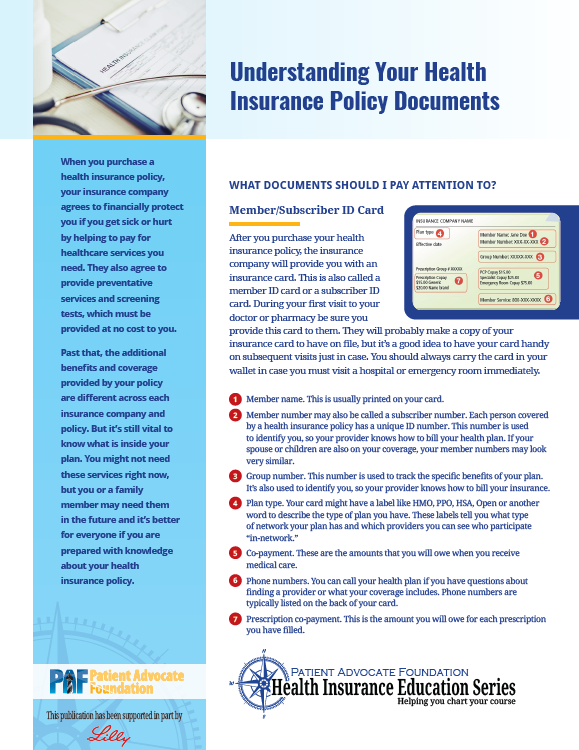
To manage money effectively, one must understand the contracts they sign. The Master Policy Booklet serves as the “constitution” of your health plan. While most people are familiar with the Summary of Benefits and Coverage (SBC), the Master Policy is the comprehensive version of that summary, containing the granular details that dictate financial outcomes.
What Exactly is a Master Policy Booklet?
The Master Policy Booklet is a comprehensive legal document issued by an insurance company to a policyholder (in individual plans) or a plan sponsor (in group plans, such as an employer). It details every aspect of the insurance coverage, from the definitions of “medical necessity” to the specific procedures for filing a claim. In the context of “Money,” this document is your primary defense against unexpected liabilities. It defines the scope of the insurer’s liability and, by extension, the limit of your financial exposure.
The Critical Difference Between a Policy Summary and the Master Document
Many policyholders make the mistake of relying solely on the two-page Summary of Benefits. While helpful for a quick glance at co-pays, the summary lacks the legal nuance required for complex financial planning. For instance, a summary might state that “Inpatient Surgery” is covered at 80%. However, the Master Policy Booklet will define what constitutes an “allowable charge.” If the hospital charges $50,000 but the Master Policy limits the allowable charge to $30,000, you are financially responsible for the remaining $20,000 plus your 20% coinsurance. This “balance billing” can be a catastrophic financial event if not accounted for through a careful reading of the master document.
Key Financial Provisions Found in the Master Policy
When auditing your financial health, you must look at the specific variables within the Master Policy that affect your cash flow and net worth. These sections represent the “fine print” where the most significant financial risks and rewards are hidden.
Coverage Limits and Lifetime Maximums
While the Affordable Care Act (ACA) eliminated lifetime dollar limits on essential health benefits in the United States, many international policies and “short-term” plans still utilize them. The Master Policy Booklet outlines these limits in detail. From a financial planning perspective, knowing your maximum coverage is essential for determining if you need supplemental “umbrella” insurance or a more robust emergency fund to cover potential gaps in high-cost scenarios like chronic illness or major accidents.
Exclusions: Protecting Your Bottom Line from Unforeseen Denials
Perhaps the most important section for any budget-conscious individual is the “Exclusions and Limitations” chapter. This section lists what the insurer will not pay for. Common exclusions include experimental treatments, certain elective surgeries, or high-cost specialty drugs. From a business finance perspective, if a company’s group plan has too many exclusions, it may lead to low employee retention or increased requests for salary advances during medical crises. For the individual, an exclusion is a direct out-of-pocket expense that must be factored into a long-term savings strategy.
Deductibles, Co-payments, and Out-of-Pocket Caps
The Master Policy provides the precise mathematical formulas used to calculate your share of costs. This includes:
- The Deductible: The amount you pay before the insurer contributes a cent.
- Coinsurance: The percentage split of costs (e.g., 80/20) after the deductible is met.
- The Out-of-Pocket (OOP) Maximum: The financial “safety net.” Once you reach this amount in a calendar year, the insurer typically pays 100% of covered expenses.
Understanding the “Money” flow here is vital. A lower premium usually results in a higher OOP maximum, representing a trade-off between monthly cash flow and catastrophic financial risk.
The Role of the Master Policy in Business Risk Management
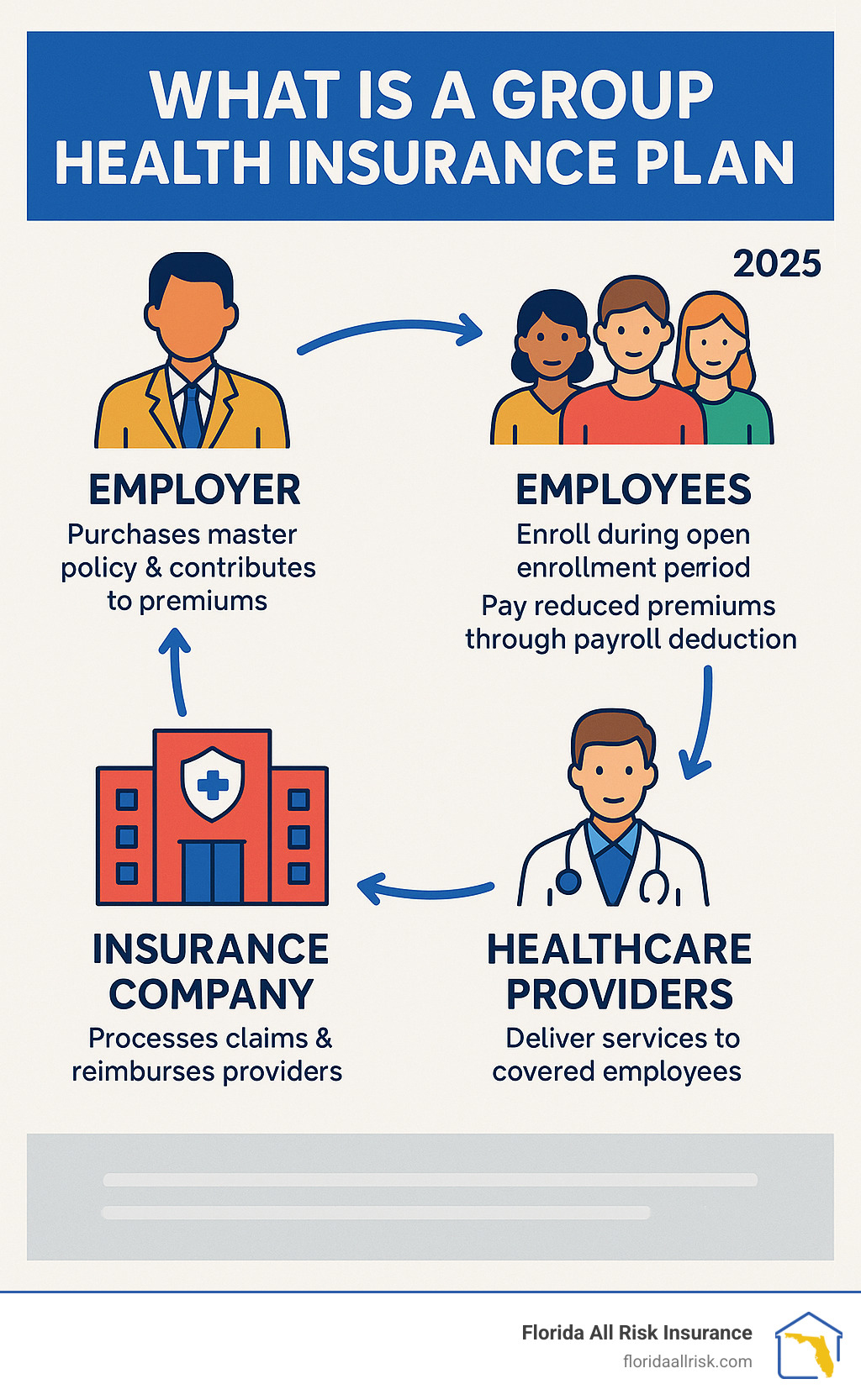
For corporations and small business owners, medical insurance is often the second-largest expense after payroll. In this context, the Master Policy Booklet is a tool for institutional risk management and fiduciary responsibility.
Why Employers Must Review the Master Policy Regularly
In a group insurance setting, the employer acts as the “Plan Sponsor.” Under various financial regulations, such as ERISA (Employee Retirement Income Security Act) in the U.S., employers have a fiduciary duty to ensure the plan is managed in the best interest of the participants. Failure to understand the Master Policy can lead to financial mismanagement or lawsuits. For example, if the Master Policy states that certain wellness programs are funded by the insurer but the employer mistakenly pays for them out of the company treasury, it represents a significant waste of corporate capital.
Compliance and Legal Obligations Under Financial Regulations
The Master Policy Booklet serves as the primary evidence of compliance with labor laws and financial statutes. If a company claims to offer “comprehensive” benefits as part of a compensation package, the Master Policy must back that claim. During a financial audit, auditors may review these booklets to ensure that the liabilities recorded on the company’s balance sheet (such as accrued health care costs) align with the actual contractual obligations of the insurance provider.
Using the Master Policy for Strategic Financial Planning
Financial success is often about the avoidance of unnecessary losses. The Master Policy Booklet is the ultimate manual for loss prevention. By treating this document as a financial asset, you can navigate the healthcare system without jeopardizing your savings or investments.
How to Audit Your Policy Before a Major Medical Expense
Before scheduling a significant medical procedure, a savvy financial manager (whether for a household or a business) should conduct a “policy audit.” This involves cross-referencing the procedure’s CPT codes (Current Procedural Terminology) with the Master Policy’s definitions of “covered services” and “maximum allowable charges.” This proactive approach allows you to negotiate prices with providers beforehand or seek out-of-network exceptions, potentially saving thousands of dollars that would otherwise be lost to “uncovered” expenses.
Leveraging the Appeals Process to Protect Your Assets
When a claim is denied, many people simply pay the bill, viewing it as an unavoidable cost. However, the Master Policy Booklet contains a specific section on “Appeals and Grievances.” This section outlines the legal and financial steps required to challenge a denial. Because insurance companies are profit-driven entities, they may initially deny claims that are actually covered under the strict terms of the contract. By citing specific language and page numbers from the Master Policy, policyholders can often overturn these denials, reclaiming funds that would otherwise negatively impact their net worth.

Conclusion: Financial Literacy and the “Fine Print”
In the world of money and finance, information is the most valuable currency. The Master Policy Booklet for medical insurance may be a dry, technical document, but it is the cornerstone of a secure financial plan. It defines the boundaries of your financial liability and sets the stage for how you interact with the multi-trillion-dollar healthcare industry.
By moving beyond the simple “monthly premium” mindset and diving into the structural details of the Master Policy, individuals and businesses can protect their assets, optimize their cash flow, and ensure that a medical emergency does not become a financial catastrophe. In the final analysis, your medical insurance is a financial hedge, and the Master Policy Booklet is the manual that tells you exactly how that hedge works. Treat it with the same respect you would a mortgage agreement or a portfolio prospectus, and your financial future will be far more secure.
aViewFromTheCave is a participant in the Amazon Services LLC Associates Program, an affiliate advertising program designed to provide a means for sites to earn advertising fees by advertising and linking to Amazon.com. Amazon, the Amazon logo, AmazonSupply, and the AmazonSupply logo are trademarks of Amazon.com, Inc. or its affiliates. As an Amazon Associate we earn affiliate commissions from qualifying purchases.