
The minimum wage is more than just a number on a paycheck; it is a fundamental pillar of the economic landscape that dictates the purchasing power of workers and the operational costs of businesses. In the Commonwealth of Massachusetts, the minimum wage has undergone significant transformations over the last decade, positioning the state as a leader in the national movement toward a “living wage.” Understanding the nuances of these laws is essential for anyone navigating the financial ecosystem of New England, whether you are a retail employee, a small business owner, or a corporate financial planner.
This guide provides a deep dive into the current Massachusetts minimum wage regulations, the specific rules for tipped workers, compliance requirements for employers, and the broader economic implications for personal and business finance.
Understanding the Current Landscape of the Massachusetts Minimum Wage
Massachusetts has historically maintained a minimum wage significantly higher than the federal requirement. This proactive approach to labor compensation is rooted in the state’s high cost of living and a legislative commitment to reducing income inequality.
The 2023 Shift and the Path to $15
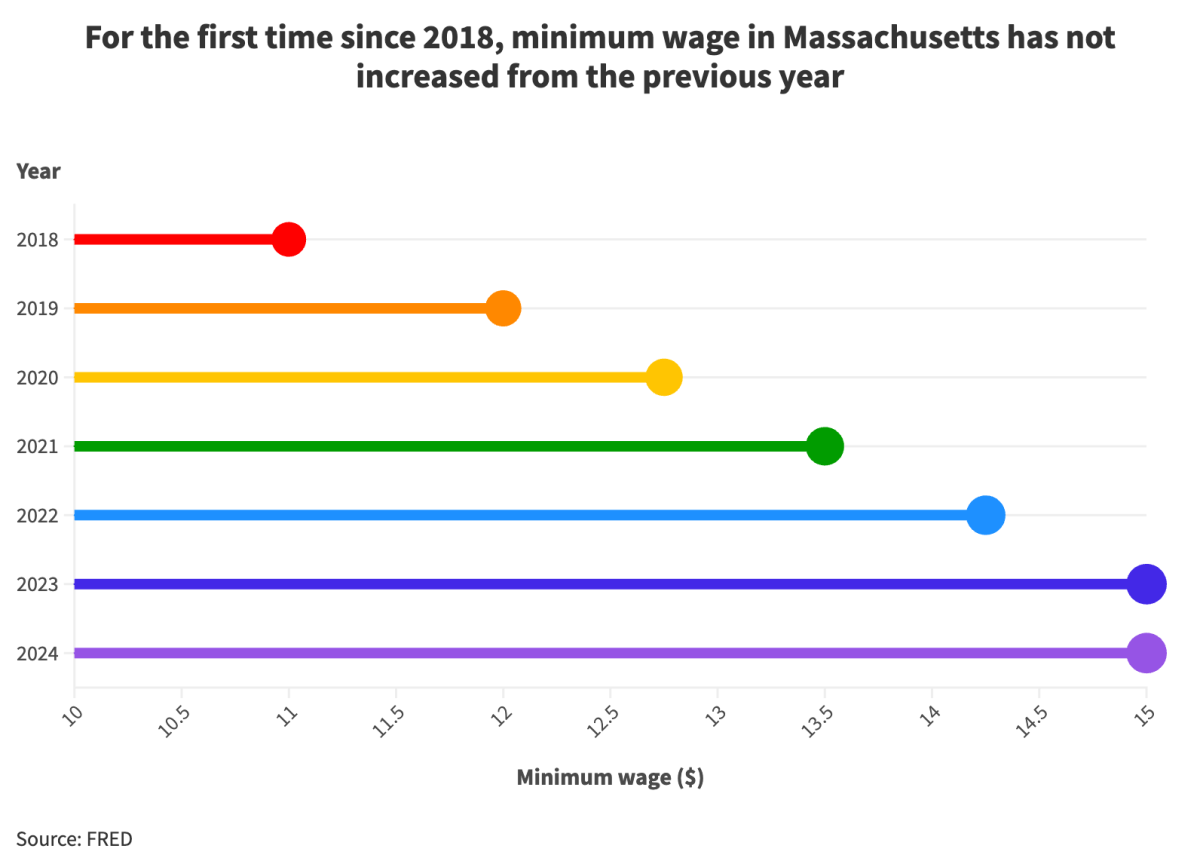
As of January 1, 2023, the Massachusetts minimum wage reached a milestone of $15.00 per hour. This was the culmination of a multi-year “step-up” plan initiated by the “Grand Bargain” legislation signed in 2018. This legislation scheduled incremental increases of $0.75 or $1.00 every year to help businesses adjust to the rising labor costs while ensuring workers’ wages kept pace with inflation. For the 2024 calendar year, the rate remains steady at $15.00, though discussions regarding future increases are already taking place in the state legislature.
How Massachusetts Compares Nationally
While the federal minimum wage has remained stagnant at $7.25 per hour since 2009, Massachusetts is among a handful of states—including California, Washington, and Connecticut—that have pushed their baseline pay to $15.00 or higher. This disparity creates a unique financial environment for businesses operating across state lines. Companies with headquarters in Massachusetts but satellite offices in lower-wage states must navigate complex payroll strategies to remain competitive while staying compliant with localized labor laws.
Exceptions and Special Classifications
While the general rule is $15.00 per hour, the law provides for several exceptions based on the nature of the work and the demographic of the worker. Navigating these exceptions is critical for accurate financial forecasting and personal budgeting.
The Tipped Employee Wage
One of the most debated aspects of the Massachusetts wage law is the service rate, or the “tipped wage.” Currently, the minimum wage for employees who receive more than $20 a month in tips is $6.75 per hour. However, there is a critical financial safeguard: the “Tip Credit.”
Under state law, if an employee’s hourly rate ($6.75) plus their tips do not add up to at least the state minimum wage ($15.00), the employer must pay the difference. This ensures that no tipped worker earns less than the standard minimum wage. Employers must also provide written notice to employees if they intend to use the tip credit, a failure of which can result in significant legal liabilities.
Agricultural and Seasonal Workers
The financial rules differ slightly for the agricultural sector. In Massachusetts, the minimum wage for most agricultural workers is $8.00 per hour, though many farms choose to pay higher rates to remain competitive in a tight labor market. Additionally, certain seasonal camps for children and specific religious or charitable organizations may be exempt from the standard $15.00 requirement, though they are often still subject to federal minimum wage laws.
Youth and Student Rates
To encourage youth employment, Massachusetts allows for a “training wage” in very specific circumstances. For example, some student learners and apprentices can be paid less than the minimum wage if the employer obtains a special certificate from the Department of Labor Standards. However, for the vast majority of teenagers working in retail or fast food, the full $15.00 rate applies, making Massachusetts an attractive place for young people to start building their personal savings.

Legal Obligations and Compliance for Employers
For a business to thrive in Massachusetts, it must view wage compliance as a core component of its financial health. The penalties for mismanaging payroll are among the strictest in the nation.
Record-Keeping and Transparency
The Massachusetts Wage Act requires employers to maintain meticulous records. This includes keeping track of names, addresses, occupations, and the amount paid each pay period to every employee. These records must be kept for at least three years. Transparency is also a legal requirement; employers must display a “Minimum Wage” poster in a conspicuous place where all employees can see it. From a business finance perspective, investing in high-quality payroll software is no longer optional—it is a necessity to ensure these data points are captured accurately.
Overtime Pay Regulations
In addition to the hourly minimum, Massachusetts law generally requires overtime pay of at least 1.5 times the employee’s regular rate for any hours worked over 40 in a given workweek. It is a common financial pitfall for small businesses to assume that “salary” means “no overtime.” In reality, many salaried employees are still “non-exempt” and must be paid overtime if their duties do not meet specific administrative, professional, or executive criteria.
Penalties for Non-Compliance: The “Triple Damages” Rule
The financial risk of ignoring wage laws in Massachusetts is immense. The state utilizes a “mandatory treble damages” rule. If an employer is found to have violated the Wage Act—whether by underpaying the minimum wage or withholding overtime—the court must award the employee three times the amount of the unpaid wages, plus attorney’s fees. For a small business, a single payroll error affecting multiple employees can lead to a catastrophic financial settlement that threatens the company’s solvency.
The Economic Impact on Personal Finance and Business Strategy
The $15.00 minimum wage has created a ripple effect across the Massachusetts economy, influencing everything from household budgeting to corporate pricing strategies.
Managing Higher Labor Costs for Small Businesses
For business owners, the rise in minimum wage requires a shift in financial strategy. In sectors with thin margins, such as hospitality and retail, labor can account for 30% to 50% of total expenses. To offset the $15.00 rate, many Massachusetts businesses have turned to:
- Selective Price Increases: Passing a portion of the labor cost to consumers.
- Operational Efficiency: Investing in technology (like self-service kiosks) to reduce the total number of labor hours required.
- Employee Retention: Recognizing that paying a higher wage can reduce turnover, which is a significant “hidden” cost in business finance.
The Ripple Effect on Living Standards and Inflation
From a personal finance perspective, the higher minimum wage provides a stronger foundation for low-income households. It allows for better debt management, increased contributions to savings, and higher discretionary spending, which in turn fuels the local economy. However, economists often point to the “wage-push inflation” phenomenon, where higher wages lead to higher prices for local goods and services. In high-cost areas like Boston, the $15.00 rate is often viewed as a “floor” rather than a comfortable living wage, leading many residents to seek side hustles or gig work to supplement their primary income.
Looking Ahead: Future Legislation and Economic Forecasts
The conversation surrounding the Massachusetts minimum wage did not end when the rate hit $15.00. As inflation fluctuates, the real value of that wage is a constant point of concern for policymakers.
Proposed “Living Wage” Initiatives
There is a growing movement in the state to increase the minimum wage to $20.00 per hour over the next several years. Proponents argue that with the rising cost of housing and healthcare in Massachusetts, $15.00 is no longer sufficient to keep a family above the poverty line. For those planning their long-term financial portfolios, it is wise to anticipate further legislative shifts. Business owners should build “wage elasticity” into their five-year financial plans, ensuring they can absorb potential increases without compromising their bottom line.

Preparing Your Financial Portfolio for Wage Fluctuations
Whether you are an earner or an employer, the stability of your financial future depends on staying informed. For workers, a higher minimum wage is an opportunity to jumpstart an investment portfolio or an emergency fund. For employers, it is a signal to focus on value-based hiring—finding employees whose productivity justifies the higher cost of labor.
Massachusetts remains at the forefront of the national wage conversation. By maintaining a balance between worker protections and business regulations, the Commonwealth continues to be a complex but rewarding environment for financial growth. Understanding the “what” and the “how” of the mass minimum wage is the first step toward mastering your financial destiny in this vibrant state.
aViewFromTheCave is a participant in the Amazon Services LLC Associates Program, an affiliate advertising program designed to provide a means for sites to earn advertising fees by advertising and linking to Amazon.com. Amazon, the Amazon logo, AmazonSupply, and the AmazonSupply logo are trademarks of Amazon.com, Inc. or its affiliates. As an Amazon Associate we earn affiliate commissions from qualifying purchases.