
The global financial landscape is a complex tapestry woven from economic data, geopolitical shifts, technological advancements, and shifting investor sentiment. Understanding its current state requires a panoramic view of various asset classes, economic indicators, and underlying forces. As of late, markets are navigating a confluence of persistent inflationary pressures, a delicate dance by central banks to manage interest rates, and uneven economic growth, all while absorbing the rapid pace of innovation.
A Snapshot of Current Market Dynamics
The overarching narrative influencing today’s markets revolves around the battle against inflation and the subsequent tightening of monetary policy by major central banks. This environment has created a nuanced backdrop, where resilience coexists with underlying anxieties.
Inflationary Pressures and Interest Rate Trajectories
Inflation remains a central concern, albeit with signs of moderation in some regions. While headline Consumer Price Index (CPI) figures have cooled from their peaks, core inflation, which excludes volatile food and energy prices, has proven more stubborn. This stickiness keeps central banks, notably the U.S. Federal Reserve and the European Central Bank, in a cautious stance. Interest rate hikes, a primary tool to combat inflation, have brought borrowing costs to multi-decade highs. The market is now keenly focused on the timing and pace of potential rate cuts, with every piece of economic data scrutinized for clues. Higher rates impact everything from mortgage payments and corporate debt servicing to the attractiveness of different asset classes.
Economic Growth and Labor Market Resilience
Globally, economic growth presents a mixed picture. Some major economies have shown surprising resilience, defying earlier predictions of recession, largely propelled by robust consumer spending and strong labor markets. Unemployment rates in many developed nations remain historically low, and wage growth, while contributing to inflationary pressures, also supports consumer purchasing power. However, beneath the surface, there are signs of slowing momentum in manufacturing and some services sectors. The market is weighing the risk of a “hard landing” (recession) against a “soft landing” (inflation cooling without significant economic downturn).
Geopolitical Influences
Beyond economic fundamentals, geopolitical events continue to inject volatility and uncertainty into the markets. Ongoing conflicts, shifts in international trade relations, and political developments in key regions can disrupt supply chains, influence commodity prices, and affect investor confidence. These external factors introduce an element of unpredictability that prudent investors must acknowledge, as they can rapidly reprice assets and shift capital flows.
Performance Across Major Asset Classes
The current market environment has led to diverse performance across asset classes, rewarding some while challenging others.
Equity Markets: Navigating Volatility and Sectoral Divergence
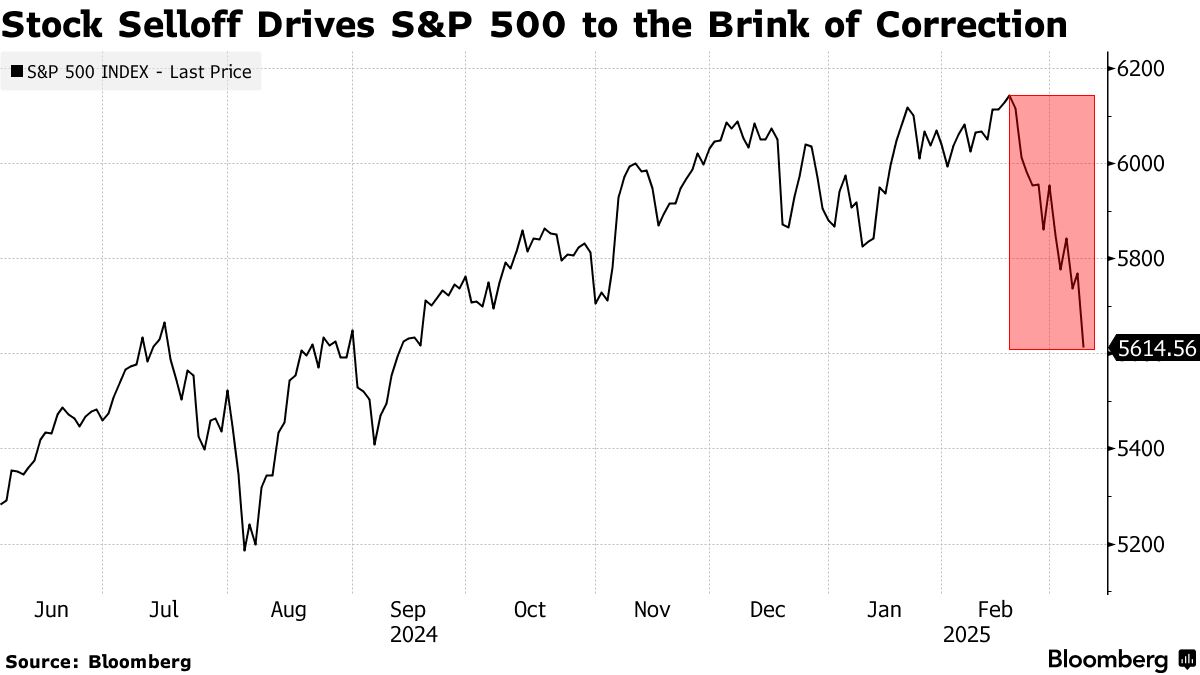
Equity markets have exhibited significant divergence. In the U.S., major indices like the S&P 500 and Nasdaq Composite have seen substantial gains, largely driven by a handful of mega-cap technology and growth stocks, often dubbed the “Magnificent Seven.” These companies have benefited from strong earnings, innovation (particularly in AI), and their perceived resilience in uncertain times. However, beneath this headline performance, a broader swathe of companies and smaller-cap indices have struggled or lagged, reflecting tighter lending conditions and varied corporate health.
International equities have presented a more varied landscape. European markets have shown resilience, supported by improving economic data and falling energy prices, while some Asian markets face headwinds from slower growth in key economies and specific sectoral challenges. Emerging markets, while offering growth potential, are often more susceptible to global capital flows and commodity price fluctuations.
Fixed Income: Yields and the Inversion Conundrum
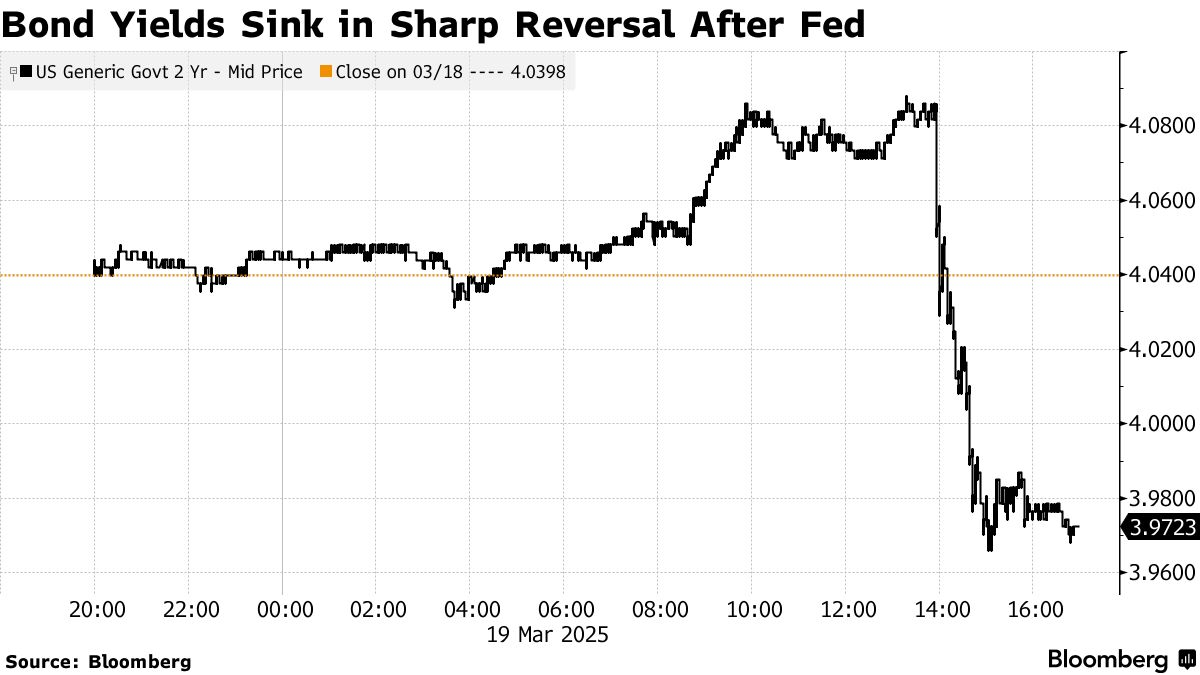
The fixed income market has undergone a significant transformation. Years of ultra-low interest rates have given way to substantially higher yields across the bond spectrum. Government bonds, such as U.S. Treasuries, now offer attractive returns, competing more effectively with equities for investor capital. The yield curve, particularly the spread between short-term and long-term Treasuries, has been inverted for an extended period, historically a reliable, though not infallible, indicator of an impending recession. Corporate bonds have also seen higher yields, with credit spreads widening in some segments, reflecting increased risk perception for certain issuers.
Commodities: Energy, Precious Metals, and Industrial Goods
Commodity markets remain highly sensitive to geopolitical developments and global demand. Oil and gas prices have experienced significant fluctuations, influenced by supply constraints, OPEC+ production decisions, and concerns about global economic growth impacting demand. Precious metals like gold and silver have found support as traditional safe-haven assets amidst inflation fears and geopolitical uncertainty, though their performance can be inversely affected by rising real interest rates. Industrial metals, such as copper, often serve as bellwethers for global manufacturing and infrastructure activity, with their prices reflecting the health of industrial demand.
Real Estate Market Trends
The real estate sector is contending with the direct impact of higher interest rates. Residential markets in many regions have seen cooling demand due to increased mortgage costs, leading to slower price appreciation or even modest declines in some areas. Commercial real estate, particularly office spaces, faces structural challenges stemming from remote work trends and higher borrowing costs, potentially leading to property value adjustments and refinancing difficulties for some owners. Investment in Real Estate Investment Trusts (REITs) reflects these underlying market dynamics.
The Cryptocurrency Landscape
The cryptocurrency market has shown signs of recovery from previous downturns, with major assets like Bitcoin and Ethereum seeing renewed interest. Factors influencing this include expectations around regulatory clarity, the approval of spot ETFs in some jurisdictions, and ongoing technological developments within blockchain ecosystems. However, volatility remains a defining characteristic, with the market subject to sentiment shifts, macroeconomic factors, and specific project developments. Institutional adoption continues to be a key theme, alongside growing interest in decentralized finance (DeFi) and non-fungible tokens (NFTs).
Key Drivers and Emerging Trends
Beyond the immediate performance, several underlying drivers and emerging trends are shaping the market’s trajectory.
Corporate Earnings and Guidance
The health of corporate America and global businesses is paramount. Earnings reports and forward-looking guidance from companies provide critical insights into economic vitality. Strong earnings can support valuations, while disappointing results or cautious outlooks can trigger market corrections. Analyst expectations for future earnings growth are a significant factor in stock performance, particularly in sectors highly sensitive to economic cycles.
Consumer Spending and Confidence
Consumer spending is the engine of many economies. Trends in retail sales, consumer sentiment indices, and household debt levels offer clues about the strength of demand. A confident consumer base, willing and able to spend, supports corporate revenues and economic growth. Conversely, declining confidence or rising debt burdens can signal a slowdown.
Technological Advancements and Their Economic Ripple Effects
Innovation continues to be a powerful market driver. The rapid advancements in Artificial Intelligence (AI) are creating significant economic ripple effects, boosting productivity potential, reshaping industries, and driving valuations in related technology sectors. Beyond AI, advancements in renewable energy, biotechnology, and automation are opening new investment avenues and creating long-term growth opportunities, while also posing disruption risks to established industries.
Central Bank Policies and Fiscal Stimulus
The actions of central banks and governments remain critical. Beyond interest rate decisions, quantitative easing or tightening programs, and fiscal stimulus measures (government spending, tax policies) have profound effects on liquidity, inflation expectations, and economic growth. The interplay between monetary and fiscal policy can significantly influence market sentiment and asset valuations.
Strategic Considerations for Investors
In a dynamic and sometimes unpredictable market, strategic planning and disciplined execution are paramount for investors.
The Importance of Diversification
Diversification across asset classes, geographies, and sectors remains a cornerstone of prudent investing. Spreading investments helps mitigate risk, as different asset classes tend to perform differently under varying market conditions. A well-diversified portfolio is less susceptible to the downturn of any single investment or market segment.
Adapting to Interest Rate Environments
Investors must be mindful of how changing interest rates impact their portfolios. In a higher-rate environment, fixed-income investments become more attractive, while highly leveraged companies or those reliant on cheap capital may face headwinds. Conversely, as rates fall, growth stocks might regain favor, and existing bonds with higher coupons become more valuable. Adjusting portfolio allocations to align with prevailing interest rate trends is crucial.
Long-Term vs. Short-Term Perspectives
While daily market fluctuations grab headlines, maintaining a long-term investment perspective is often beneficial. Short-term volatility can be unsettling, but historical data shows that over extended periods, diversified portfolios tend to generate positive returns. Techniques like dollar-cost averaging, investing a fixed amount regularly regardless of market ups and downs, can help smooth out returns and reduce the risk of timing the market incorrectly.
Rebalancing and Risk Management
Periodically rebalancing a portfolio back to its target asset allocation helps ensure that risk exposure remains consistent with an investor’s goals and tolerance. As some assets outperform, they can become a larger percentage of the portfolio, increasing risk. Rebalancing involves selling some of the outperforming assets and buying more of the underperforming ones, effectively buying low and selling high. Continuous assessment of personal risk tolerance in light of market conditions is also vital.
Seeking Opportunities in Volatility
Market volatility, while often perceived negatively, can present opportunities for patient investors. Downturns can allow for purchasing quality assets at lower prices, which can yield significant returns when markets recover. Active management, or thoughtful adjustments based on deep market analysis, can help identify such opportunities, differentiating them from speculative bets. Understanding market cycles and economic trends allows for more informed decision-making, even during periods of turbulence.
aViewFromTheCave is a participant in the Amazon Services LLC Associates Program, an affiliate advertising program designed to provide a means for sites to earn advertising fees by advertising and linking to Amazon.com. Amazon, the Amazon logo, AmazonSupply, and the AmazonSupply logo are trademarks of Amazon.com, Inc. or its affiliates. As an Amazon Associate we earn affiliate commissions from qualifying purchases.