
The world of taxation can often seem an impenetrable thicket of rules, regulations, and complex calculations. Among the most crucial concepts for anyone managing personal or business finances is the “marginal tax rate.” Far from being a mere academic term, understanding your marginal tax rate is a cornerstone of intelligent financial planning, informing decisions from career moves and investment strategies to retirement savings and charitable giving. It’s the key to understanding how much of your next dollar earned you truly get to keep, dispelling common myths, and empowering you to make financially savvy choices.
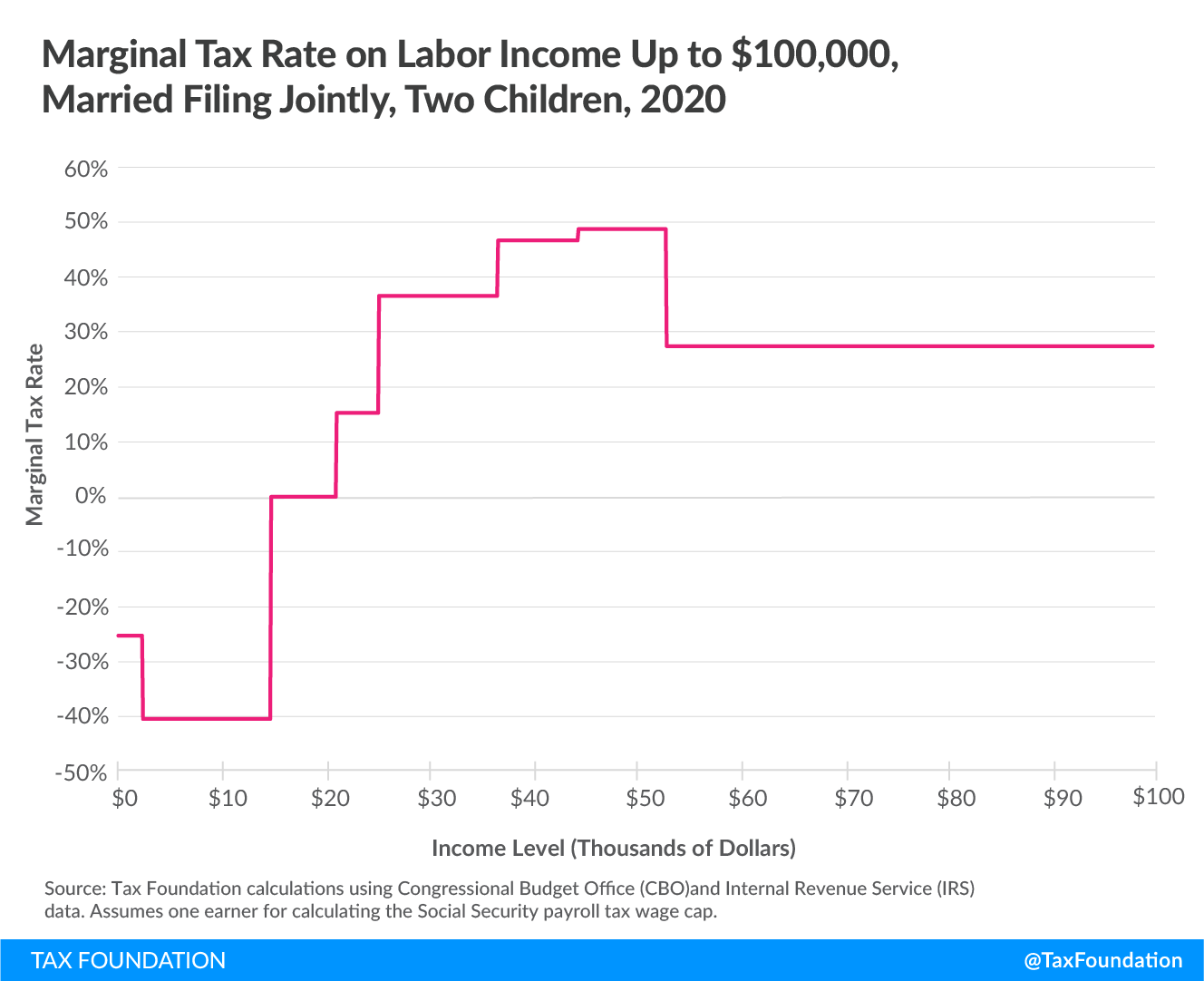
At its core, the marginal tax rate is the tax rate applied to your very last, or next, dollar of taxable income. It’s a dynamic figure that reflects the progressive nature of many tax systems, where higher income levels are taxed at higher percentages. However, a common misconception is that earning more money can push all your income into a higher tax bracket, leading you to take home less. This fear is unfounded when one grasps the marginal tax rate and how it interacts with the system of tax brackets. This article will demystify the marginal tax rate, exploring its mechanics, its profound impact on your financial decisions, and why every individual and business owner should understand it.
Understanding Progressive Tax Systems and Marginal Rates
To truly grasp the concept of the marginal tax rate, one must first understand the progressive tax system, which is the foundation upon which marginal rates are built. Most modern economies, including the United States, employ a progressive income tax system. This means that individuals with higher incomes pay a larger percentage of their income in taxes than those with lower incomes.
The Core Concept: Tax Brackets
A progressive tax system operates using “tax brackets.” These brackets are essentially income ranges, each with an associated tax rate. As your income increases, it moves through these brackets. Crucially, only the portion of your income that falls within a particular bracket is taxed at that bracket’s rate. Your entire income isn’t suddenly taxed at the highest rate once you cross a threshold.
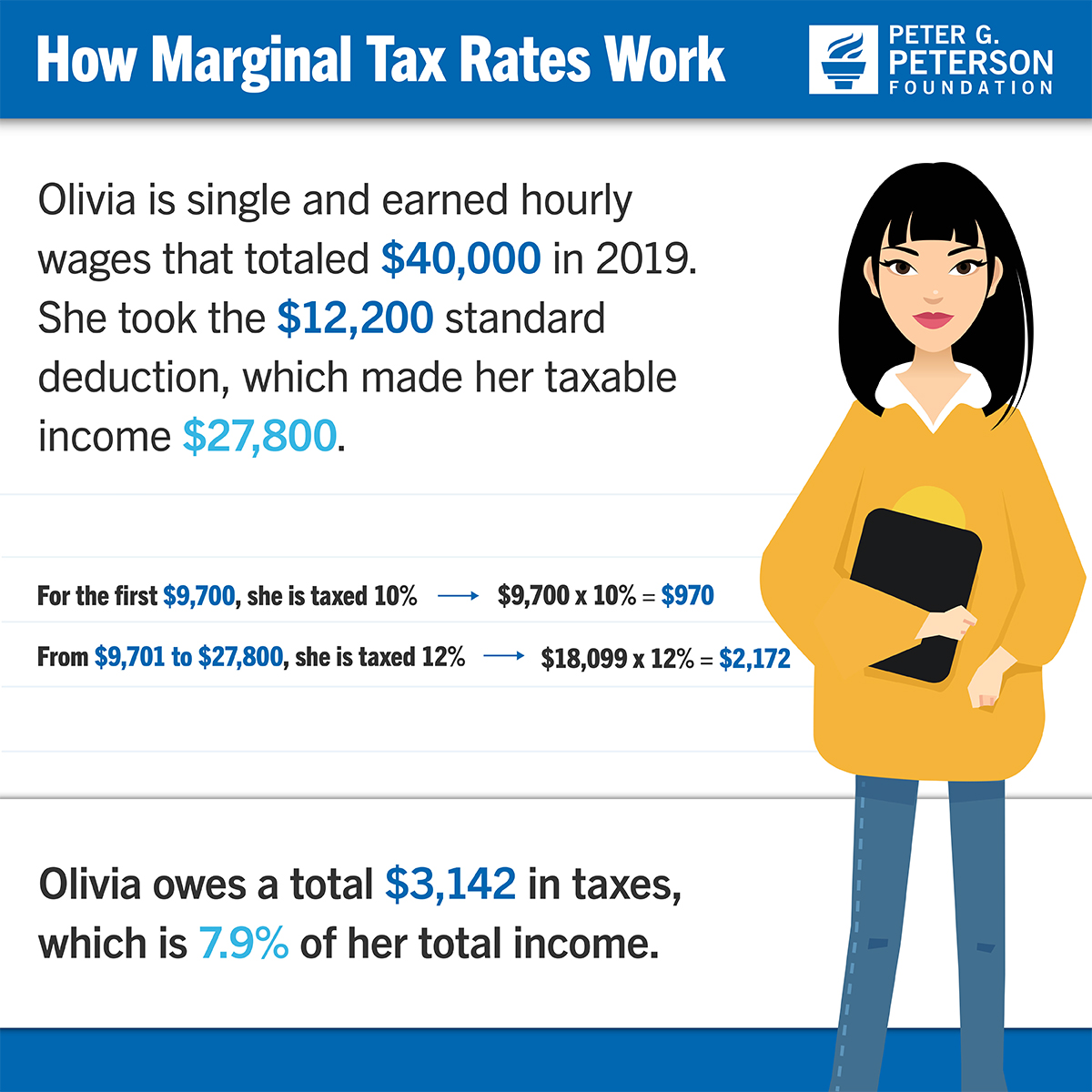
Imagine a ladder where each rung represents a tax bracket. You pay the tax rate for the first rung on the income that reaches that rung, then the rate for the second rung on the income that reaches it, and so on. Your “marginal” tax rate is simply the rate of the highest rung your income reaches. For example, if the first $10,000 of income is taxed at 10%, and the next $30,000 is taxed at 12%, someone earning $35,000 would pay 10% on their first $10,000 and 12% on the remaining $25,000. Their marginal tax rate would be 12%, as that’s the rate applied to their last dollar of income.
Differentiating Marginal vs. Effective Tax Rates
A fundamental distinction must be made between your marginal tax rate and your effective tax rate. While often confused, they serve different purposes and tell different stories about your tax burden.
-
Marginal Tax Rate: As established, this is the rate at which your last dollar of taxable income is taxed. It’s the rate that applies to any additional income you earn or any additional deduction you take. This is the rate that influences most forward-looking financial decisions.
-
Effective Tax Rate: This is the actual average rate of tax you pay on your total taxable income. It’s calculated by dividing your total tax liability by your total taxable income. For instance, if you have $50,000 in taxable income and pay $5,000 in taxes, your effective tax rate is 10% ($5,000 / $50,000).
The effective tax rate will almost always be lower than your marginal tax rate in a progressive system because it averages out all the lower rates applied to your initial income brackets. Understanding both is critical: the effective rate tells you what you did pay, while the marginal rate tells you what you will pay on future earnings or save on future deductions.
Why the Distinction Matters for Financial Decisions
The ability to differentiate between marginal and effective tax rates is paramount for savvy financial planning. Many individuals fall prey to the “bracket creep” myth, fearing that a raise will somehow lead to them taking home less money due to a higher tax rate. This misunderstanding stems from confusing the marginal rate with the effective rate. Because only the additional income is taxed at the higher marginal rate, a raise or bonus almost invariably leads to a higher net income, even if it pushes you into a higher tax bracket.
Furthermore, knowing your marginal rate is crucial when evaluating the real value of an additional hour of work, a side hustle, or a bonus. If you’re in a 24% marginal tax bracket, a $1,000 bonus means you’ll keep $760 after federal income tax (before other deductions). This clarity helps in making informed decisions about taking on more work or investing in certain ways.
How Marginal Tax Rates Impact Your Financial Planning
Your marginal tax rate is not just a number on a tax form; it’s a dynamic factor that influences virtually every financial decision you make. From your employment choices to your investment strategies and even charitable giving, understanding this rate allows for optimized financial outcomes.
Income and Employment Decisions
When considering a pay raise, a promotion, a bonus, or even taking on a second job or a side hustle, your marginal tax rate is the most relevant figure. It directly dictates how much of that additional income you actually get to keep. If you’re offered a $5,000 raise and you’re in a 22% marginal federal tax bracket, you know that approximately $1,100 of that raise will go to federal taxes (ignoring state taxes and payroll taxes for simplicity). This insight helps you realistically budget for your increased take-home pay and assess the true value of the opportunity. It allows you to evaluate whether the effort required for additional income is financially worthwhile, factoring in the tax implications.
Investment Strategies and Tax-Advantaged Accounts
The impact of your marginal tax rate on investment decisions is profound. It’s a cornerstone in deciding between traditional versus Roth retirement accounts, which offer different tax treatments.
-
Traditional IRA/401(k): Contributions are often tax-deductible in the year they are made, meaning they reduce your taxable income for that year. The value of this deduction is directly proportional to your marginal tax rate. If you contribute $6,000 and are in a 22% marginal bracket, you effectively save $1,320 in taxes upfront. Your withdrawals in retirement are then taxed as ordinary income.
-
Roth IRA/401(k): Contributions are made with after-tax dollars, meaning they do not reduce your current taxable income. However, qualified withdrawals in retirement are entirely tax-free.
The decision between Traditional and Roth accounts often hinges on whether you anticipate being in a higher or lower tax bracket in retirement compared to your working years. If you believe your marginal rate is high now and will be lower in retirement, a Traditional account might be more appealing due to the immediate tax deduction. Conversely, if you expect a higher marginal rate in retirement, a Roth account’s tax-free withdrawals could be more beneficial.
Furthermore, capital gains and dividends are often taxed at different marginal rates than ordinary income. Understanding these specific rates helps in deciding between growth stocks (often taxed on capital gains) and dividend stocks (taxed on dividends), or when to sell appreciated assets.
Deductions, Credits, and Tax Optimization
Your marginal tax rate also determines the real dollar value of tax deductions. A tax deduction reduces your taxable income, and the savings you realize are a function of your marginal rate. For example, a $1,000 charitable donation that is tax-deductible will save you $220 if you are in a 22% marginal tax bracket, but only $120 if you are in a 12% bracket. This understanding can influence decisions about itemizing deductions versus taking the standard deduction, or even how much to contribute to tax-deductible accounts like HSAs.
Tax credits, on the other hand, are generally a dollar-for-dollar reduction in your tax liability, meaning they reduce the actual amount of tax you owe, regardless of your marginal rate. While different in mechanism, both deductions and credits are tools for optimizing your tax burden, and your marginal tax rate informs how impactful deductions will be for your specific financial situation.
Real-World Scenarios and Practical Applications
Moving beyond theoretical explanations, let’s explore how marginal tax rates play out in real-world scenarios, illustrating their practical application and dispelling common misconceptions.
Illustrative Example: A Single Filer’s Journey Through Brackets
Consider a single filer in 2023 with a taxable income of $60,000. Let’s use simplified federal income tax brackets for illustrative purposes:
-
10% on income up to $11,000
-
12% on income over $11,000 up to $44,725
-
22% on income over $44,725 up to $95,375
Here’s how their tax liability would be calculated:
-
First bracket: $11,000 taxed at 10% = $1,100
-
Second bracket: ($44,725 – $11,000) = $33,725 taxed at 12% = $4,047
-
Third bracket: ($60,000 – $44,725) = $15,275 taxed at 22% = $3,360.50
Total Tax Liability: $1,100 + $4,047 + $3,360.50 = $8,507.50
Marginal Tax Rate: For this individual, their marginal tax rate is 22% because their last dollar of income falls into the 22% bracket.
Effective Tax Rate: Their effective tax rate is ($8,507.50 / $60,000) = 14.18%.
This example clearly shows the difference. While they pay an average of 14.18% on their total income, any additional income they earn would be taxed at 22% (until they exceed the 22% bracket).
The “Bracket Creep” Misconception Debunked
One of the most pervasive myths in personal finance is the fear of “bracket creep” – the idea that earning more money can push you into a higher tax bracket, causing you to take home less overall. This is a complete misunderstanding of how progressive tax systems and marginal rates work. As illustrated above, only the portion of your income that falls into the higher bracket is taxed at that higher rate.
For example, if the individual from our previous example earning $60,000 gets a $5,000 raise, pushing their income to $65,000, they will move deeper into the 22% bracket. Their tax calculation would simply involve taxing the additional $5,000 at 22%, increasing their total tax liability by $1,100. Their take-home pay would still increase by $3,900 (before other taxes). It is virtually impossible to earn more money and end up with less net income solely due to crossing a tax bracket threshold.
Business Decisions and Entity Structures
For business owners, marginal tax rates are equally critical, especially for pass-through entities like sole proprietorships, partnerships, and S-corporations. The profits from these businesses “pass through” directly to the owner’s personal tax return and are taxed at the owner’s individual marginal income tax rates. Understanding these rates is vital for estimating personal tax liability, making decisions about reinvestment versus distribution of profits, and even determining compensation structures.
For C-corporations, the corporate tax rate applies at the entity level, which is separate from the owner’s individual marginal rate. However, when owners draw salaries or dividends from a C-corp, their individual marginal rates again come into play. Strategic decisions about entity structure, executive compensation, and profit retention are deeply intertwined with the prevailing marginal tax rates for both individuals and corporations.
Beyond Federal Income Tax: Other Marginal Rates
While often discussed in the context of federal income tax, the concept of marginal rates extends to other forms of taxation, adding layers of complexity to the overall tax picture. A comprehensive understanding requires acknowledging these additional considerations.
State and Local Income Taxes
Many U.S. states and some local municipalities also impose income taxes, and many of these also operate on a progressive marginal tax rate system. This means you could be subject to multiple sets of marginal tax rates—federal, state, and potentially local—simultaneously. For instance, if you’re in a 22% federal marginal bracket and a 5% state marginal bracket, your overall marginal rate on an additional dollar of income (before considering deductibility of state taxes) could effectively be around 27%. It’s crucial to be aware of the tax laws in your specific state and locality, as these can significantly impact your net income and financial planning, especially for individuals considering interstate moves or working remotely across state lines.
Capital Gains and Dividends
Investment income, specifically capital gains and qualified dividends, often has its own set of marginal tax rates that differ from those applied to ordinary income (like wages or business profits).
-
Short-term Capital Gains: These are gains from assets held for one year or less and are taxed at your ordinary income tax marginal rates.
-
Long-term Capital Gains: These are gains from assets held for more than one year and are subject to preferential, lower marginal rates (e.g., 0%, 15%, or 20% depending on your overall income).
-
Qualified Dividends: Dividends from certain U.S. corporations and qualified foreign corporations also typically enjoy the same preferential long-term capital gains tax rates.
Understanding these distinct marginal rates is critical for investors. It informs decisions about when to sell assets (holding for over a year to achieve long-term capital gains treatment), what types of investments to prioritize (growth vs. income), and how to manage portfolio turnover to minimize tax drag.
Payroll Taxes and Other Contributions
While not typically described with “marginal tax rates” in the same way as income tax, payroll taxes (Social Security and Medicare) also contribute to your overall tax burden and have income thresholds. Social Security tax, for instance, is a flat rate up to an annual income cap, after which it no longer applies to additional earnings. Medicare tax, on the other hand, has no income cap and may even increase for high-income earners (Additional Medicare Tax). Although these are generally flat or capped rates rather than a progressive bracket system for the bulk of earnings, they represent additional deductions from your marginal dollar earned and must be factored into the total calculation of your take-home pay.

Conclusion
The marginal tax rate is far more than an abstract concept; it is an indispensable tool for informed financial decision-making. By demystifying progressive tax systems, understanding the crucial difference between marginal and effective rates, and recognizing how these rates influence income, investment, and business strategies, individuals and business owners can gain greater control over their financial futures.
Armed with this knowledge, you can confidently evaluate career opportunities, optimize your investment portfolio, make strategic contributions to retirement accounts, and maximize the benefit of tax deductions. Proactive tax planning, grounded in a solid understanding of your current and projected marginal tax rates, can lead to significant savings and a more efficient allocation of your hard-earned money. While the tax code can be complex, understanding this fundamental principle empowers you to navigate it with clarity and confidence, transforming potential confusion into a strategic advantage. For personalized advice and to ensure you’re maximizing your tax efficiency, consulting with a qualified financial advisor or tax professional is always recommended.
aViewFromTheCave is a participant in the Amazon Services LLC Associates Program, an affiliate advertising program designed to provide a means for sites to earn advertising fees by advertising and linking to Amazon.com. Amazon, the Amazon logo, AmazonSupply, and the AmazonSupply logo are trademarks of Amazon.com, Inc. or its affiliates. As an Amazon Associate we earn affiliate commissions from qualifying purchases.