
In the rapidly evolving digital landscape, where innovation often takes center stage, the concept of “maintenance” might seem mundane or secondary. Yet, it is the invisible, indispensable force that underpins the reliability, performance, and security of nearly every technological system we interact with daily. From the apps on our smartphones and the software powering our enterprises to the complex hardware infrastructure of data centers, effective maintenance is not merely a reactive fix but a proactive strategy essential for sustained functionality, security, and long-term value.
At its core, maintenance in the technological realm refers to the activities undertaken to keep systems, components, or entire infrastructures in optimal working condition. It encompasses a broad spectrum of tasks, ranging from routine checks and updates to complex repairs, system upgrades, and strategic optimizations. Without a robust maintenance framework, even the most cutting-edge technologies are destined for degradation, inefficiency, and eventual failure, much like a meticulously engineered machine that is never serviced. Understanding maintenance is therefore paramount for anyone navigating the modern tech world, whether as a developer, IT professional, business owner, or end-user. It’s about ensuring digital assets continue to serve their intended purpose reliably and securely, extending their useful life, and maximizing their return on investment.

The Multifaceted Landscape of Technological Maintenance
Technological maintenance is not a monolithic concept; it manifests differently across various layers of the digital ecosystem. Each layer—software, hardware, and network infrastructure—demands specific approaches and considerations to ensure its optimal state.
Software Maintenance: Keeping the Digital Heart Beating
Software, the brain of our digital world, requires continuous care. Unlike physical objects that wear out, software “degrades” through evolving user requirements, security vulnerabilities, environmental changes (e.g., new operating systems), and the accumulation of technical debt. Software maintenance is often categorized into several types:
- Corrective Maintenance: This involves fixing bugs, defects, or errors identified after the software has been deployed. It’s reactive, addressing issues that disrupt functionality.
- Adaptive Maintenance: This type of maintenance modifies software to adapt to changes in its external environment. This could mean updating an application to run on a new version of an operating system, integrating with a new API, or complying with new regulatory standards.
- Perfective Maintenance: Aimed at improving the software’s performance, maintainability, or other attributes. This includes refactoring code, optimizing algorithms, enhancing user interfaces, or adding new features that improve usability.
- Preventive Maintenance: This involves making changes to prevent potential issues from arising in the future. It could include code cleanup, documentation updates, or restructuring to improve future maintainability and reduce the likelihood of bugs.
- Security Updates and Patches: A critical subset of software maintenance, these are regular releases designed to close vulnerabilities, protect against new threats, and ensure data integrity. Neglecting these can lead to catastrophic data breaches and system compromise.
Effective software maintenance is crucial for sustaining user satisfaction, ensuring business continuity, and extending the lifespan of valuable applications and systems.
Hardware Maintenance: Sustaining Physical Integrity
While software deals with logical constructs, hardware maintenance focuses on the physical components that bring our digital world to life. This includes everything from servers, storage devices, and networking equipment to personal computers, mobile devices, and IoT gadgets. Hardware, unlike software, is subject to physical wear and tear, heat, dust, power fluctuations, and mechanical failure.
Hardware maintenance activities include:
- Regular Cleaning and Environmental Control: Preventing dust accumulation, ensuring proper cooling, and maintaining optimal humidity levels can significantly extend hardware life.
- Component Replacement: Proactively replacing parts prone to failure (e.g., hard drives, fans, batteries) or reactively replacing failed components.
- Firmware Updates: Similar to software, hardware often has embedded firmware that requires updates to fix bugs, improve performance, or enhance security.
- Diagnostics and Monitoring: Using tools to monitor hardware health, temperature, disk usage, and other metrics to predict and prevent failures.
- Physical Inspections: Checking cable connections, power supplies, and structural integrity of racks and enclosures.
Reliable hardware is the foundation of any digital operation. Neglecting hardware maintenance can lead to unexpected downtimes, data loss, and costly emergency repairs.
Network and Infrastructure Maintenance: Ensuring Seamless Connectivity
In an increasingly interconnected world, the network is the circulatory system of our technological ecosystem. Network and infrastructure maintenance ensures that data flows smoothly, securely, and efficiently between devices, applications, and users. This category spans routers, switches, firewalls, cables, wireless access points, and the physical cabling that forms the backbone of communication.
Key aspects of network and infrastructure maintenance include:
- Configuration Management: Ensuring network devices are correctly configured and updated, and that configurations are regularly backed up.
- Performance Monitoring: Tracking network traffic, latency, bandwidth utilization, and error rates to identify bottlenecks or degradation.
- Security Audits and Updates: Regularly reviewing firewall rules, access control lists, and intrusion detection systems, as well as applying security patches to network devices.
- Capacity Planning: Assessing current network usage and anticipating future needs to prevent performance issues as demand grows.
- Cable Management: Ensuring proper cabling, labeling, and physical security of network connections.
- Backup and Recovery: Maintaining redundant systems and implementing robust backup strategies for critical network data and configurations.
Without diligent network maintenance, organizations face slow performance, dropped connections, security breaches, and an inability to conduct core business operations.
Why Maintenance is Non-Negotiable: Benefits and Risks
The perceived cost of maintenance often leads organizations to deprioritize it, focusing instead on new feature development or infrastructure expansion. However, this short-sighted approach invariably leads to higher costs, increased risks, and diminished returns in the long run.
Enhancing Performance and Reliability
Well-maintained systems run faster, more smoothly, and more consistently. Regular optimization, bug fixes, and hardware checks prevent performance degradation that can lead to frustrating user experiences and lost productivity. Imagine a web application that slows down dramatically due to unoptimized database queries (software issue) or an overloaded server (hardware issue). Proactive maintenance addresses these before they become critical, ensuring systems are always operating at their peak.
Bolstering Security and Data Integrity
In an era of sophisticated cyber threats, security is paramount. A significant portion of security breaches exploit known vulnerabilities for which patches have already been released. Neglecting software updates, firmware upgrades, and security configurations leaves systems exposed. Regular maintenance routines, including vulnerability assessments and timely patching, are the first line of defense against cyberattacks, protecting sensitive data and maintaining user trust.
Extending Lifespan and Optimizing ROI
Maintenance extends the useful life of both software and hardware. Instead of premature replacement or complete re-engineering, regular upkeep allows organizations to get the maximum value from their technological investments. For instance, a well-maintained server farm can operate efficiently for years beyond an unserviced one, significantly reducing capital expenditure. Similarly, a well-maintained software application avoids costly rewrites by adapting to new requirements over time.
Mitigating Technical Debt and Future Costs
Technical debt refers to the deferred costs of shortcuts, sub-optimal design choices, or insufficient maintenance in software development. Ignoring maintenance allows technical debt to accumulate, making systems increasingly difficult to modify, scale, or secure. Eventually, this debt demands expensive, large-scale refactoring or complete overhauls. Proactive maintenance, including refactoring and documentation, keeps technical debt manageable, reducing future development costs and accelerating innovation.
Types and Methodologies: A Strategic Approach to Upkeep
Effective maintenance isn’t just about reacting to problems; it’s about strategically preventing them and continuously improving systems. This involves adopting various types of maintenance and implementing smart methodologies.
Corrective, Adaptive, and Perfective Maintenance
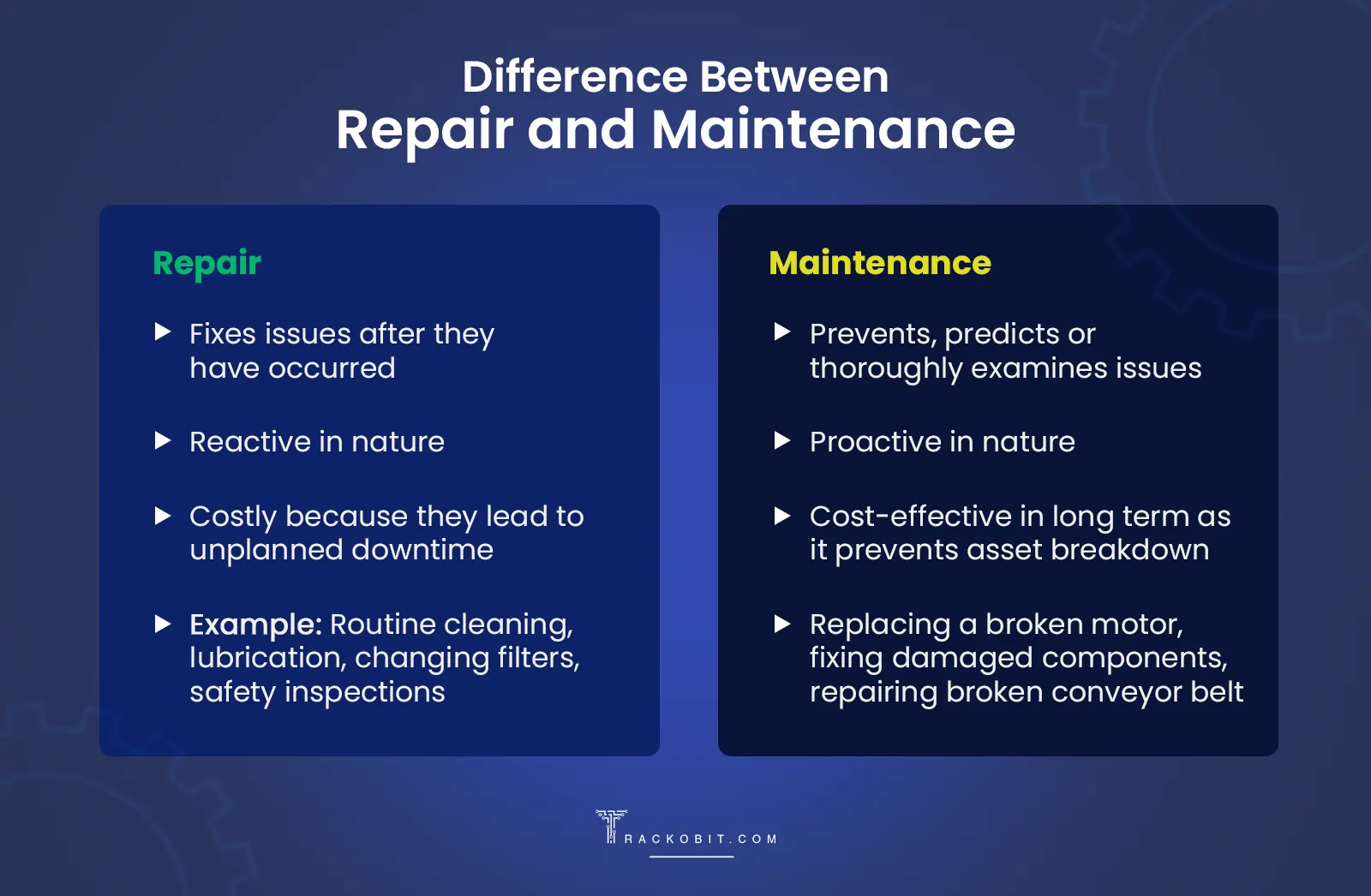
As detailed earlier, these form the core of reactive and evolutionary maintenance. Corrective maintenance fixes what’s broken now. Adaptive maintenance adjusts to changes in the environment. Perfective maintenance enhances the system. While crucial, over-reliance on corrective maintenance indicates a reactive, rather than proactive, posture, often leading to higher costs and more significant disruptions.
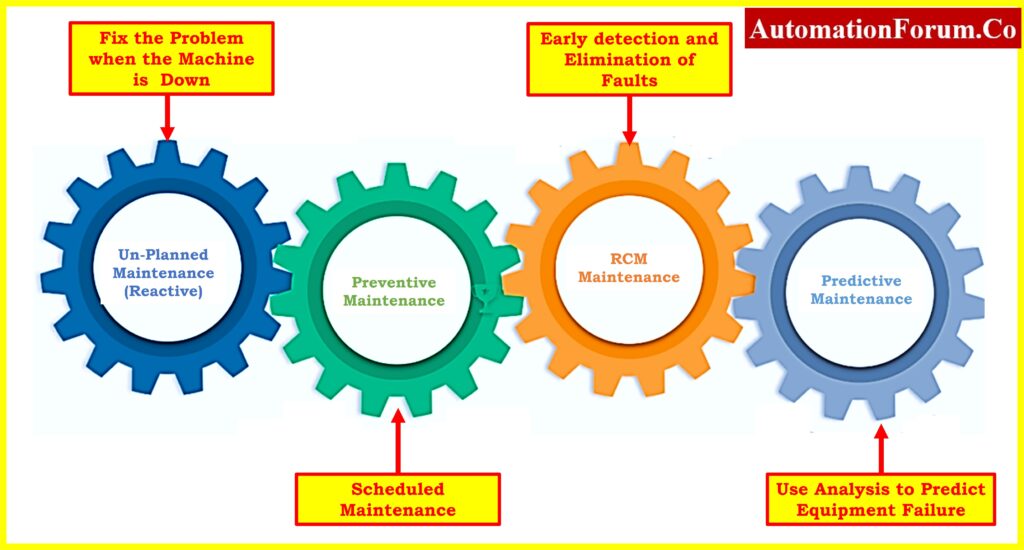
Preventive and Predictive Maintenance Strategies
Moving beyond reactivity, preventive and predictive maintenance are proactive strategies.
- Preventive Maintenance (PM): This involves scheduled, routine maintenance activities performed to prevent failures and extend the lifespan of components. Examples include scheduled software updates, regular backups, disk defragmentation, and periodic hardware cleaning. PM reduces the likelihood of sudden breakdowns and helps avoid costly emergency repairs.
- Predictive Maintenance (PdM): This is a more advanced approach that uses data analysis and monitoring tools to predict when equipment failure might occur. By collecting data from sensors (e.g., temperature, vibration, error logs), AI and machine learning algorithms can analyze patterns and alert teams to potential issues before they manifest as failures. This allows maintenance to be performed precisely when needed, optimizing resource allocation and minimizing downtime. For example, monitoring server temperatures and fan speeds can predict an impending hardware failure.
The Role of Automation and AI in Modern Maintenance
The complexity and scale of modern IT environments make manual maintenance increasingly impractical. Automation and Artificial Intelligence (AI) are transforming how maintenance is performed:
- Automated Scripting: Tasks like routine backups, log file rotations, system reboots, and basic configuration checks can be fully automated, reducing human error and freeing up IT staff.
- AI-Powered Monitoring and Alerting: AI tools can analyze vast amounts of data from logs, metrics, and network traffic to detect anomalies, predict failures, and generate intelligent alerts, often identifying issues that human operators might miss.
- Chatbots and Virtual Assistants: For user-facing issues, AI-powered chatbots can provide first-level support, troubleshooting common problems and guiding users through fixes, thus offloading IT support teams.
- Self-Healing Systems: In advanced implementations, AI can enable systems to detect and even automatically resolve certain issues without human intervention, leading to highly resilient infrastructures.
These advancements make maintenance more efficient, effective, and scalable, moving organizations towards more resilient and self-optimizing systems.
Implementing Effective Maintenance Strategies
Developing a robust maintenance strategy requires more than just understanding the types of maintenance; it involves systematic planning, resource allocation, and a cultural shift towards proactive care.
Establishing Clear Maintenance Schedules and Protocols
The foundation of effective maintenance is a well-defined schedule. This includes:
- Maintenance Windows: Designating specific times for updates, patches, and major changes, often outside peak operational hours, to minimize disruption.
- Prioritization: Categorizing maintenance tasks based on urgency and impact (e.g., critical security patches versus minor feature enhancements).
- Documentation: Clearly documenting all maintenance procedures, configurations, and change logs to ensure consistency and facilitate troubleshooting.
- SLA (Service Level Agreement) Adherence: For critical systems, ensuring maintenance activities align with uptime and performance guarantees.
Regular, predictable maintenance schedules build confidence and ensure that crucial tasks are not overlooked.
Leveraging Tools and Technologies for Management
Modern maintenance is highly reliant on specialized tools that streamline processes and provide insights:
- IT Asset Management (ITAM) Systems: For tracking hardware and software assets, their lifecycle, and maintenance history.
- Configuration Management Databases (CMDBs): To manage configuration items (CIs) and their relationships, aiding in impact analysis for changes.
- Monitoring and Alerting Systems: Tools like Nagios, Prometheus, or cloud-native monitoring services that collect metrics, logs, and traces, and trigger alerts on anomalies.
- Patch Management Software: Automating the deployment of security patches and updates across a fleet of devices.
- Help Desk and Ticketing Systems: For managing incident reports, tracking issues, and coordinating resolutions.
- DevOps Toolchains: Integrating continuous integration/continuous delivery (CI/CD) pipelines with automated testing and deployment to streamline software updates and maintenance.
The right set of tools empowers IT teams to manage complex environments efficiently and proactively.
Building a Culture of Proactive Maintenance
Ultimately, effective maintenance is as much about people and processes as it is about technology. Fostering a culture where maintenance is seen as an investment rather than an overhead is critical. This involves:
- Training and Education: Ensuring IT staff are skilled in the latest maintenance techniques and tools.
- Cross-Functional Collaboration: Breaking down silos between development, operations, and security teams (the essence of DevOps) to ensure maintenance is integrated throughout the software lifecycle.
- Leadership Buy-in: Gaining support from management to allocate necessary resources (time, budget, personnel) for maintenance activities.
- Continuous Improvement: Regularly reviewing maintenance strategies, analyzing incidents, and incorporating lessons learned to refine processes.
When maintenance becomes ingrained in the organizational DNA, it transforms from a burdensome chore into a strategic advantage, contributing directly to innovation, resilience, and business success.
Conclusion
“What is maintenance?” is a question that, in the tech world, demands a comprehensive and strategic answer. It is far more than just fixing things when they break. Maintenance is the continuous, multifaceted effort to preserve, optimize, and enhance the vast array of technological assets that power our modern world. From keeping software bug-free and secure, to ensuring hardware longevity and network reliability, maintenance is the unsung hero that enables innovation to flourish and operations to run smoothly.
By understanding its various forms, recognizing its indispensable benefits, embracing proactive methodologies like preventive and predictive maintenance, and leveraging the power of automation and AI, organizations can move beyond reactive firefighting. They can build resilient, high-performing systems that not only withstand the test of time but also serve as stable platforms for future growth and technological advancement. In an age where technology defines competitive advantage, a robust maintenance strategy is not just good practice—it’s an absolute necessity for survival and success.
aViewFromTheCave is a participant in the Amazon Services LLC Associates Program, an affiliate advertising program designed to provide a means for sites to earn advertising fees by advertising and linking to Amazon.com. Amazon, the Amazon logo, AmazonSupply, and the AmazonSupply logo are trademarks of Amazon.com, Inc. or its affiliates. As an Amazon Associate we earn affiliate commissions from qualifying purchases.