
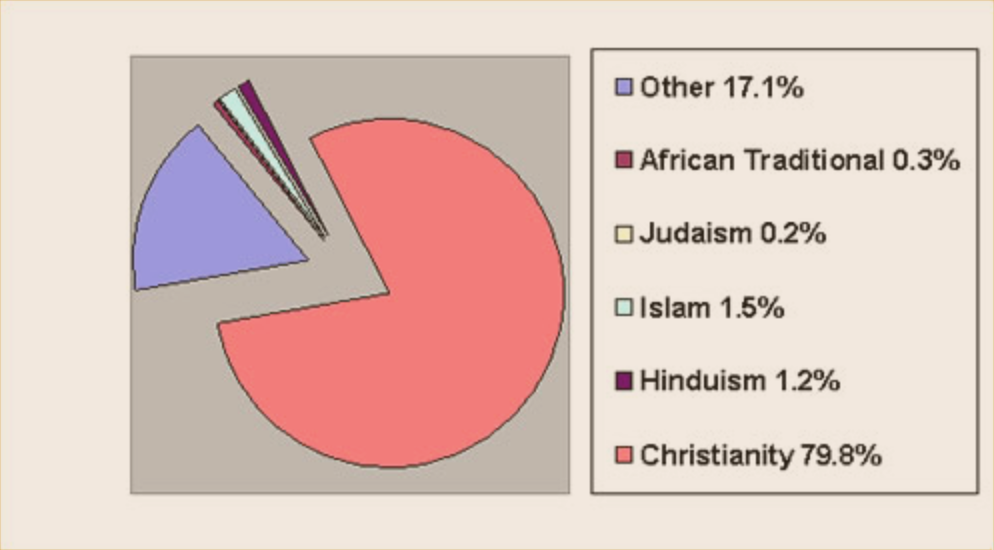
In the landscape of emerging markets, understanding the cultural fabric of a nation is not merely a sociological exercise; it is a fundamental requirement for financial analysis, market entry strategy, and wealth management. When asking “what is the main religion in South Africa,” the statistical answer is clear: Christianity, which accounts for approximately 80% of the population. However, for investors, entrepreneurs, and financial strategists, the real inquiry lies in how this dominant religious landscape—alongside significant religious minorities—shapes the flow of capital, dictates consumer spending patterns, and influences the broader economic trajectory of the Rainbow Nation.
Religion in South Africa is more than a personal conviction; it is a massive economic driver. From the multi-million rand pilgrimage industries to the sophisticated Shari’ah-compliant financial sectors and the growing influence of the “Prophetic Economy,” faith is a cornerstone of the South African financial ecosystem.
Understanding the Dominant Faith Landscape and Its Financial Footprint
To understand the money moving through South Africa, one must first recognize the sheer scale of the Christian demographic. While the nation is constitutionally secular, the daily operations of its economy are deeply intertwined with Christian practices and calendars.
Christianity as the Primary Driver of Consumer Behavior
With over 80% of the population identifying as Christian, the retail and consumer goods sectors are heavily influenced by the liturgical calendar. The “Easter Peak” and the “Christmas Surge” are not just religious observations but are the two most critical liquidity events for South African retailers. Financial analysts track these periods with precision, as they often determine the annual profitability of major JSE-listed entities like Shoprite, Pick n Pay, and Woolworths.
Beyond retail, the influence of Christianity manifests in the “Stokvel” culture—South Africa’s unique community-based saving schemes. Many of these informal financial clubs are born out of church groups, where members pool billions of rands annually to fund everything from school fees to major religious celebrations, representing a massive source of untapped liquidity that traditional banks are increasingly trying to digitize.
The Rise of Independent and Charismatic Churches
The landscape of South African Christianity has shifted from traditional mainline denominations to the rapid growth of African Independent Churches (AICs) and Neo-Pentecostal/Charismatic movements. From a financial perspective, this represents a shift toward highly organized, centralized economic entities. The Zion Christian Church (ZCC), for instance, is not just a spiritual body; it is an economic powerhouse. Its annual Moria pilgrimage sees millions of followers descend on Limpopo, generating significant revenue for the transport, hospitality, and informal trade sectors. These movements have created a “faith-based economy” where loyalty to the institution translates into specific brand preferences and financial habits.
The Business of Belief: Market Opportunities in South Africa’s Religious Sectors
Where there is a concentrated gathering of people with shared values, there is a marketplace. The religious sector in South Africa has evolved into a sophisticated commercial ecosystem that offers diverse opportunities for business growth and investment.
Media, Content Consumption, and Digital Tools
The demand for faith-based content has created a lucrative niche within the South African media landscape. Christian television networks, gospel music production, and digital publishing are thriving sectors. For tech investors and media moguls, the religious demographic represents a loyal audience with high engagement rates.
We have seen a surge in mobile apps designed specifically for the South African religious market—tools that facilitate digital tithing, provide daily devotionals, or connect congregants with their leadership. In a country with high mobile penetration, these “faith-tech” solutions are becoming essential for maintaining the financial health of religious organizations, allowing for seamless, cashless contributions.
Event Tourism and Large-Scale Gatherings
South Africa is a hub for religious tourism. Large-scale conferences and “miracle crusades” attract thousands of international visitors, particularly from the SADC region and the broader African continent. This influx of people drives demand for foreign exchange services, hotel accommodations, and local transport. For the hospitality industry, partnering with religious organizations to host these summits is a high-yield strategy. The economic “multiplier effect” of a single large-scale religious event in a city like Johannesburg or Cape Town can be measured in tens of millions of rands in direct and indirect spending.

Financial Services Tailored to South Africa’s Religious Diversity
While Christianity is the main religion, South Africa’s financial sector is renowned for its inclusivity and innovation, particularly in catering to its significant Muslim, Hindu, and Jewish minorities. This diversity has led to the development of sophisticated, faith-aligned financial products.
Shari’ah-Compliant Finance and the Muslim Minority
Despite Muslims making up a smaller percentage of the population (roughly 1.6% to 2%), their economic impact is disproportionately large. South Africa has become a global leader in Islamic Finance within the African context. Major traditional banks, such as FNB, ABSA, and Standard Bank, all offer Shari’ah-compliant windows.
The growth of Takaful (Islamic insurance) and Sukuk (Islamic bonds) in South Africa demonstrates how religious requirements can drive financial innovation. These products are not only popular within the Muslim community but also attract ethically-minded investors from other backgrounds who are drawn to the risk-sharing and asset-backed nature of Islamic finance. This sector represents a critical avenue for foreign direct investment (FDI), particularly from the Middle East.
Ethical Investing and ESG Frameworks Inspired by Faith
There is an increasing overlap between religious values and the modern “Environmental, Social, and Governance” (ESG) investing movement. Many South African institutional investors and pension funds are now incorporating faith-based ethical screens. These screens may exclude “sin stocks” such as tobacco, gambling, or high-interest payday lending, aligning with the moral codes of the country’s main religious groups. For financial advisors, understanding these “values-based” investment strategies is key to capturing the wealth management market of South Africa’s high-net-worth individuals who seek to grow their capital without compromising their spiritual convictions.
The Impact of Religious Affiliation on Personal Finance and Wealth Management
Religion deeply influences how individual South Africans manage their money, from their daily expenses to their long-term estate planning.
Tithing and the Economy of Giving
Tithing—the practice of giving 10% of one’s income to the church—is a widespread practice across South Africa. For many households, this is a non-negotiable line item in their monthly budget, often prioritized over other discretionary spending. This commitment creates a constant flow of capital into religious organizations, which are then tasked with managing these funds through various investment vehicles, property developments, and social outreach programs. For the banking sector, managing the accounts and investment portfolios of these large religious organizations is a prestigious and profitable business line.
Funeral Insurance and Cultural-Religious Obligations
In South Africa, the intersection of religion and culture places a heavy emphasis on dignified burials. This has led to the massive growth of the funeral insurance industry, one of the most resilient sectors of the South African financial market. Religious affiliation often dictates the type of funeral service required, and families will prioritize paying funeral premiums even during economic downturns. Financial institutions that understand the specific burial rites of different denominations and faiths can design insurance products that offer more than just a payout—they offer peace of mind within a spiritual context.
Future Outlook: Navigating the Intersection of Faith and Finance
As South Africa continues to navigate its economic challenges, the role of religion remains a stabilizing and mobilizing force. The “main religion” of the country—Christianity—alongside its vibrant multi-faith landscape, will continue to dictate market trends and financial innovations.
The future of finance in South Africa lies in the ability to bridge the gap between traditional banking and the faith-based community. We are likely to see more “community-centric” financial tools, increased digital adoption within churches, and a greater emphasis on ethical, faith-aligned investing.
For the savvy investor or business leader, the question of “what is the main religion in South Africa” is the starting point for a deeper exploration of a market that is deeply principled, socially connected, and economically significant. By acknowledging the power of faith in the marketplace, businesses can build deeper trust, unlock new demographics, and participate in an economy that is as much about belief as it is about bottom lines. In South Africa, the spirit of the people and the spirit of the economy are, and always will be, inextricably linked.
aViewFromTheCave is a participant in the Amazon Services LLC Associates Program, an affiliate advertising program designed to provide a means for sites to earn advertising fees by advertising and linking to Amazon.com. Amazon, the Amazon logo, AmazonSupply, and the AmazonSupply logo are trademarks of Amazon.com, Inc. or its affiliates. As an Amazon Associate we earn affiliate commissions from qualifying purchases.