
In the world of global marketing and international brand strategy, understanding the cultural fabric of a nation is as critical as analyzing its economic indicators. When asking “what is the main religion in Poland,” the answer—Roman Catholicism—is not merely a demographic statistic. For brand strategists and corporate leaders, the dominance of Catholicism in Poland represents a foundational element of the Polish national brand. It is a cultural cornerstone that influences consumer behavior, social ethics, and the overarching identity of the country on the global stage.
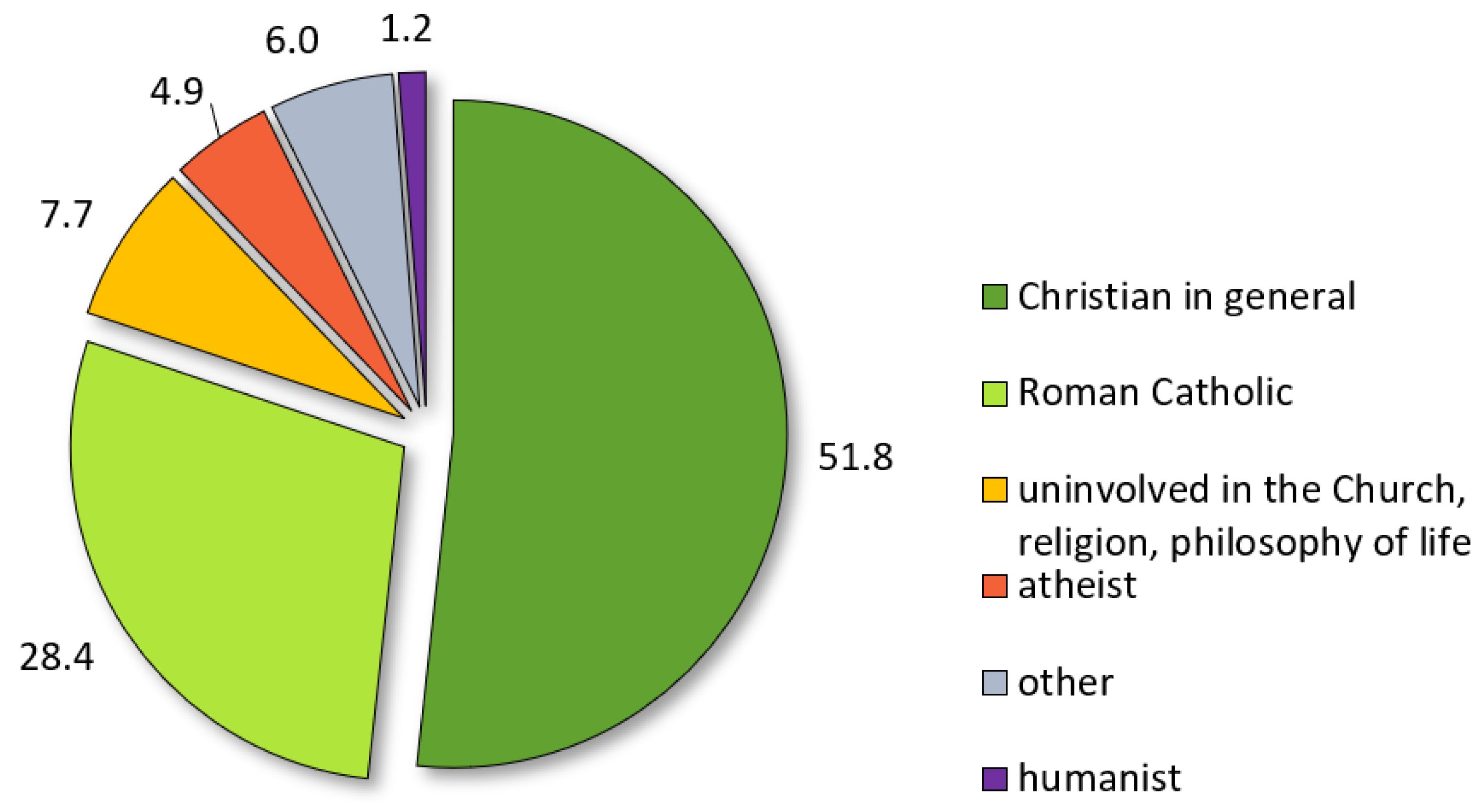
Poland is often cited as one of the most homogenous religious landscapes in Europe. This religious consistency creates a unique environment for brand positioning. To successfully navigate the Polish market or to understand Poland’s soft power, one must look beyond the pews and examine how religious identity functions as a powerful brand equity for the nation itself.
The Dominance of Roman Catholicism: A Pillar of Polish Identity
For centuries, Roman Catholicism has been more than a belief system in Poland; it has been a survival mechanism. To understand the “Polish brand,” one must understand that for 123 years, Poland did not exist as a sovereign state on the map. During the partitions by Russia, Prussia, and Austria, the Catholic Church became the primary custodian of the Polish language, history, and culture. This historical context has fused the “Pole” and the “Catholic” into a singular, powerful identity.
Historical Context and National Survival
The brand of “Poland” is synonymous with resilience. During the 19th century and later during the Communist era, the Church acted as the “alternative state.” When marketing to a Polish audience, brand managers must recognize that religious symbols often carry heavy nationalistic weight. The Church was the backbone of the Solidarity movement in the 1980s, which eventually led to the fall of the Iron Curtain. This legacy positions the Catholic faith not just as a matter of Sunday worship, but as a symbol of freedom and defiance against oppression.
The Church as a Symbol of Resistance
In branding terms, the Catholic Church in Poland holds a unique “market share” of trust because of its historical role. Even as secularization trends rise across Europe, the Polish cultural brand remains deeply rooted in Christian values. For a corporation, this means that corporate social responsibility (CSR) initiatives in Poland often resonate more effectively when they align with traditional family values or community-centric ethics that have been championed by the Church for generations.
Religion as a Core Component of Poland’s National Brand
Every nation has a “brand” that dictates how it is perceived by investors, tourists, and consumers. Poland’s national brand is built on a foundation of stability, traditionalism, and hard work—traits often attributed to its religious upbringing. When the world looks at Poland, it sees a country that has successfully transitioned to a market economy while retaining a strong conservative social core.
Values and Consumer Behavior
The main religion in Poland significantly dictates consumer behavior and the “lifestyle brand” of the average citizen. Observance of religious holidays such as Christmas (Wigilia) and Easter is not just a personal choice but a massive commercial driver. For retailers, these periods are the peak of the fiscal year, demanding a brand strategy that emphasizes family, tradition, and heritage. A brand that ignores these cultural touchstones risks appearing out of touch with the Polish psyche.
Moreover, the Polish consumer often displays a preference for brands that demonstrate “loyalty” and “integrity”—values that are deeply socialized through religious education. While younger generations are becoming more globalized, the underlying value set remains influenced by the collective ethos of the community, which is historically centered around the parish.
The “Polish Brand” on the International Stage
On the international stage, Poland uses its religious heritage as a form of soft power. The election of Karol Wojtyła as Pope John Paul II in 1978 was perhaps the greatest “brand launch” in Polish history. He became a global ambassador for the country, humanizing the “Poland” brand and bringing it to the forefront of global consciousness. Today, Poland leverages this heritage to position itself as a guardian of Western Christian values, a unique selling proposition (USP) that differentiates it from its more secular Western European neighbors.
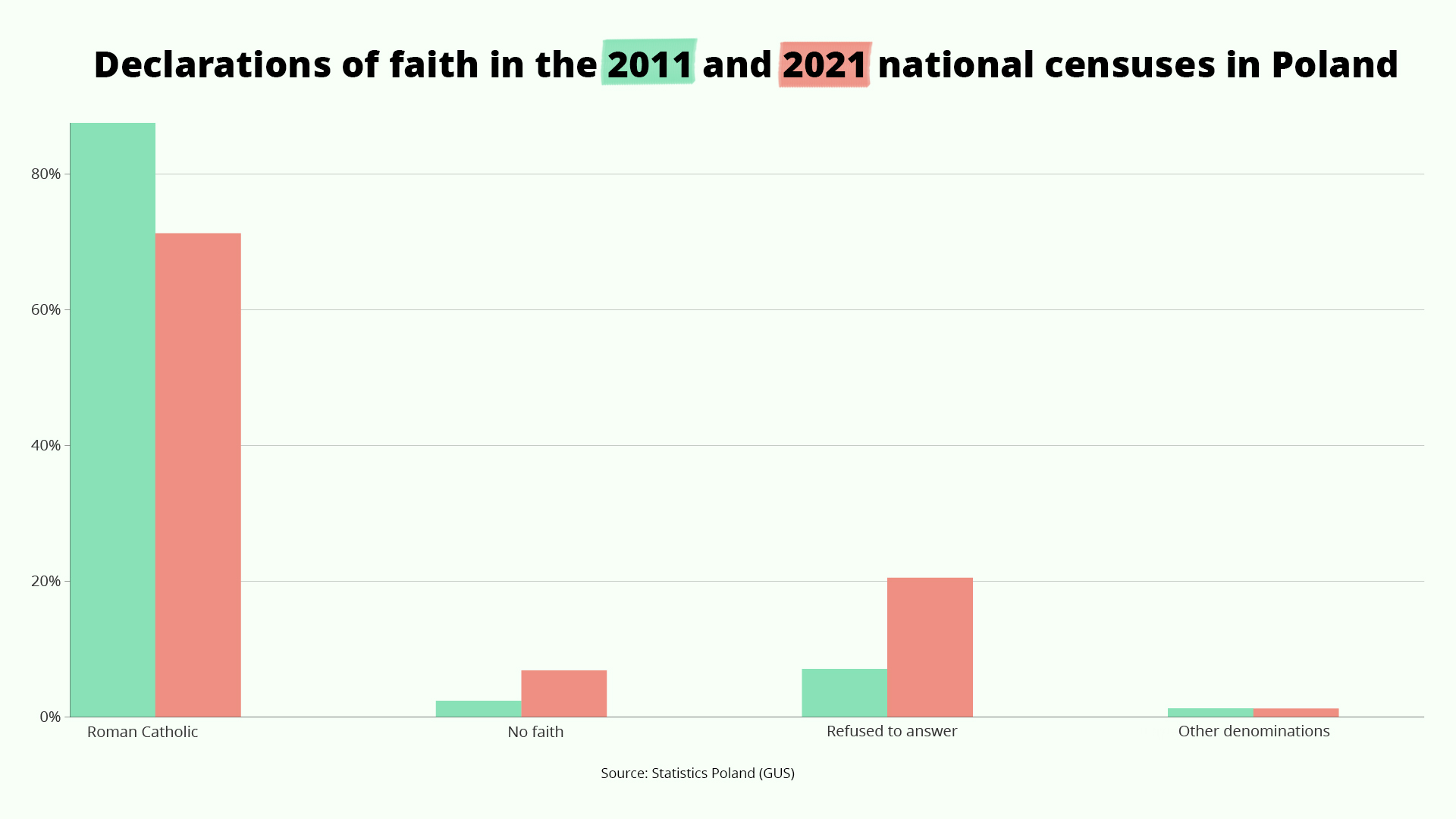
Brand Strategy for the Polish Market: Navigating Religious Nuance
For international companies entering Poland, the religious landscape requires a sophisticated brand strategy. It is not enough to simply translate campaigns; one must localize the tone and the ethical framework. The “main religion” isn’t just a checkbox; it is a lens through which your brand will be judged.
Respecting Tradition in Marketing
In the Polish market, “aggressive” or “edgy” marketing that plays with religious imagery can be highly polarizing. While such tactics might work in London or Berlin, they often lead to “brand boycotts” in Poland. Successful brand strategy in Poland involves a balance: being modern and innovative while showing a high level of respect for the country’s cultural sensitivities. Brands that successfully navigate this—such as local giants like Allegro or global players like Coca-Cola—often focus their Polish storytelling on the concepts of “togetherness” and “tradition.”
The Secular Shift and Modern Branding
It is important to note that the Polish “brand” is evolving. There is a growing divide between the traditional, rural “Brand Poland” and the modern, urban “Brand Poland.” Large cities like Warsaw, Kraków, and Wrocław are seeing a rise in secularism and a shift toward more progressive values. Brand strategists must now employ a segmented approach. While the national identity remains Catholic, the modern consumer is increasingly looking for brands that support individual expression, environmental sustainability, and modern social causes. The challenge for a corporate identity in Poland is to remain inclusive enough to appeal to the traditional majority without alienating the progressive youth.
Religious Tourism: Branding Poland as a Spiritual Destination
From a business and branding perspective, religion is also a significant sector of the Polish economy. Religious tourism is a multi-million dollar industry that brands Poland as a destination for spiritual seekers and history buffs alike.
The Częstochowa Effect
The Black Madonna of Częstochowa is more than a religious icon; it is a destination brand. Jasna Góra Monastery attracts millions of pilgrims annually, creating a massive ecosystem of hospitality, transport, and retail. For the Polish tourism board, branding these sites involves highlighting not just the religious aspect, but the historical and architectural grandeur. This positions Poland as a premium cultural destination within the European Union.
Pope John Paul II as a Global Polish Icon
Wadowice (the birthplace of John Paul II) and the various “Papal Trails” across the Polish mountains are masterclasses in personal branding and tourism development. By associating the geography of Poland with the life of one of the 20th century’s most influential figures, Poland has created a “spiritual brand” that competes with the likes of Italy’s Vatican City or Israel’s Holy Land. This enhances the overall country-of-origin effect, making “Made in Poland” synonymous with a certain moral and cultural depth.

The Future of Poland’s Spiritual Brand Identity
As Poland continues to grow as an economic powerhouse in Europe, the question of its religious identity will remain central to its brand evolution. Will Poland follow the path of Western Europe toward deep secularism, or will it maintain its unique “Catholic brand” as a competitive advantage?
For businesses and brand strategists, the key takeaway is that religion in Poland is a cultural infrastructure. It shapes the laws, the public holidays, the social hierarchies, and the emotional triggers of the population. Whether you are building a personal brand, a corporate identity, or a marketing campaign, you are operating within a landscape where the “main religion” provides the rhythm of daily life.
The strength of the Polish national brand lies in its ability to marry its deep-seated traditions with a forward-looking, entrepreneurial spirit. By understanding that Catholicism is not just a faith but a foundational element of the Polish brand identity, marketers can build deeper, more authentic connections with one of the most dynamic and resilient consumer bases in the world. Poland proves that in the modern economy, a nation’s ancient spiritual roots can be a powerful engine for contemporary brand value.
aViewFromTheCave is a participant in the Amazon Services LLC Associates Program, an affiliate advertising program designed to provide a means for sites to earn advertising fees by advertising and linking to Amazon.com. Amazon, the Amazon logo, AmazonSupply, and the AmazonSupply logo are trademarks of Amazon.com, Inc. or its affiliates. As an Amazon Associate we earn affiliate commissions from qualifying purchases.