
In the realm of personal finance, investing, and business management, the government is often viewed through a narrow lens: a collector of taxes or a regulator of industries. However, from a macroeconomic and financial perspective, the purpose of a government is far more foundational. At its core, a government serves as the ultimate architect of the economic environment. It provides the legal, fiscal, and monetary framework within which markets operate, wealth is generated, and financial stability is maintained. Without a structured government, the concepts of “currency,” “property rights,” and “investment” would lack the stability required for long-term growth.
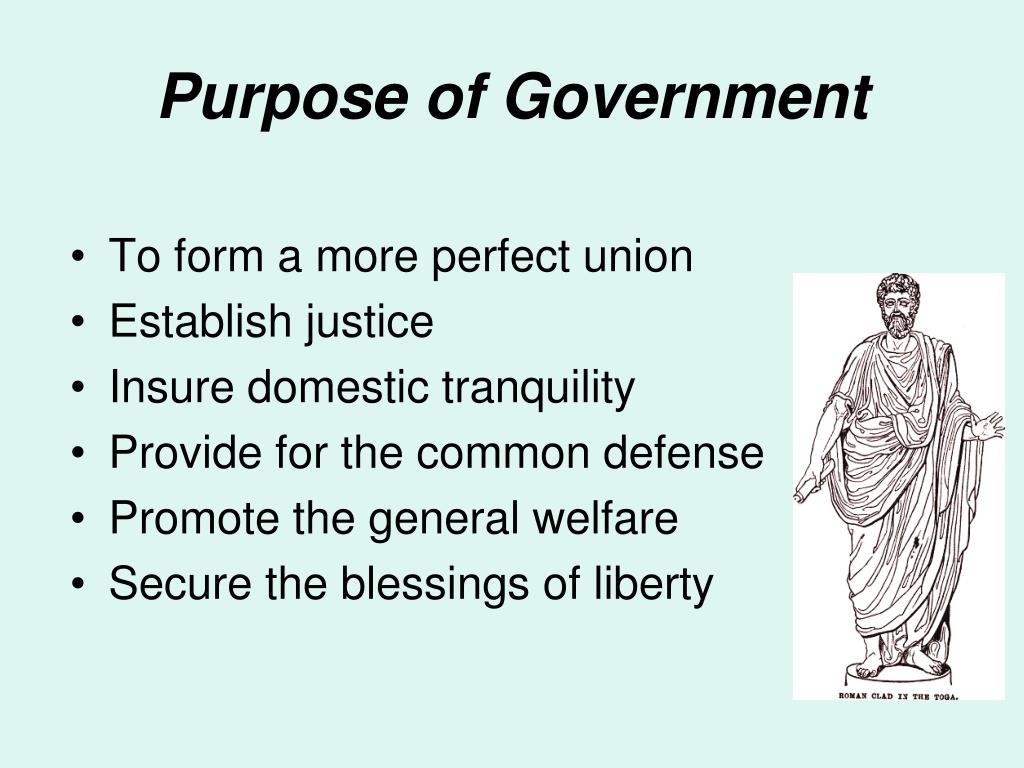
Understanding the main purpose of a government—specifically through the lens of money and finance—requires looking past the daily political cycle and focusing on its role as a market enabler and a risk manager of last resort.
Establishing the Framework for Economic Stability
The primary financial purpose of a government is to create a stable environment where economic actors can transact with confidence. This stability is not an accidental byproduct of a free market; it is a carefully curated state of affairs maintained through institutional oversight.
Monetary Sovereignty and Currency Management
One of the most critical functions of a government is the management of a national currency. By establishing a legal tender, the government provides a universal unit of account and a reliable medium of exchange. This allows for complex financial planning, long-term debt contracts, and the accumulation of capital. Through central banking systems, governments aim to manage inflation and maintain the purchasing power of money. For the individual investor or business owner, this means that the “money” earned today will retain a predictable value tomorrow, which is the baseline requirement for any form of saving or investment.
Property Rights and Contract Enforcement
Capitalism and wealth creation depend entirely on the “Rule of Law.” A government’s purpose is to define and protect property rights. This ensures that if you purchase an asset—whether it is real estate, stock, or a patent—your ownership is recognized and protected from arbitrary seizure. Furthermore, the judicial system provided by the government allows for the enforcement of contracts. When a business extends credit to a customer or an investor buys a bond, they do so with the knowledge that there is a legal mechanism to address breaches of agreement. This reduction in “counterparty risk” is what allows financial markets to scale.
Market Regulation and the Correction of Externalities
In a pure “laissez-faire” environment, markets often encounter failures that can destroy value and wipe out personal wealth. A central purpose of government is to act as a regulator to ensure that markets remain competitive, transparent, and fair.
Preventing Monopolies and Ensuring Competition
For money to flow efficiently through an economy, there must be competition. When a single entity gains a monopoly, it can stifle innovation and extract “rent” from the economy, leading to higher costs for consumers and lower returns for smaller business competitors. Government antitrust laws are designed to break up or prevent these concentrations of power, ensuring that the market remains a meritocracy where the best financial ideas can succeed.
Addressing Information Asymmetry
Modern financial markets are incredibly complex. Without government oversight—such as the requirements for public companies to file audited financial statements—investors would be operating in the dark. Agencies like the SEC (Securities and Exchange Commission) exist to ensure that when you put your money into the stock market, you are doing so based on accurate, standardized information. By reducing “information asymmetry,” the government lowers the risk for the average investor, which in turn lowers the cost of capital for businesses.
Managing Negative Externalities
Sometimes, the pursuit of profit creates costs that are not paid by the company but by society at large—such as environmental pollution or systemic financial risk. A government’s purpose is to internalize these costs through taxes, fines, or regulations. For example, after the 2008 financial crisis, governments implemented stricter capital requirements for banks. While these regulations added costs to the banking sector, their purpose was to prevent a systemic collapse that would have been far more expensive for the global economy.
Fiscal Policy and the Allocation of Public Goods
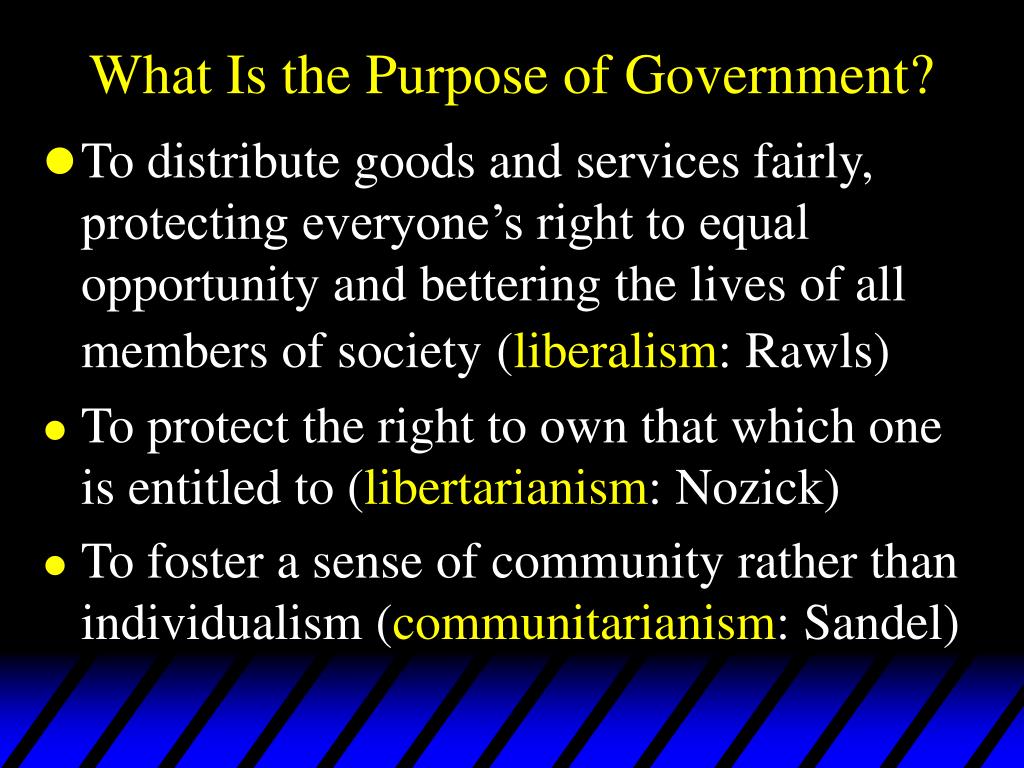
Beyond regulation, the government plays a direct role in the movement of money through fiscal policy—the use of government spending and taxation to influence the economy.
Infrastructure as an Investment
Public goods are services that are necessary for an economy to function but are not easily provided by the private sector because they are non-excludable and non-rivalrous. Roads, bridges, airports, and digital infrastructure are the “circulatory system” of commerce. When a government invests in infrastructure, it is essentially providing a subsidy to every business that uses those roads to deliver goods or those cables to transmit data. From a business finance perspective, government spending on infrastructure is a long-term capital expenditure that increases the productivity of the entire nation.
Human Capital Development
A modern economy requires a skilled workforce. By funding education and public health, the government invests in “human capital.” For the business owner, this means a pool of healthy, educated workers who can drive innovation. For the individual, it means the opportunity to increase their “earning power.” This redistribution of tax revenue into education is one of the most effective ways a government ensures long-term economic growth and social mobility, which are essential for a healthy financial ecosystem.
Counter-Cyclical Spending
The “boom and bust” cycle is a natural part of market economies. However, extreme volatility can be devastating to personal finance and business survival. The government’s purpose during an economic downturn is to engage in counter-cyclical spending. By increasing spending or cutting taxes during a recession, the government injects liquidity into the system, propping up demand until the private sector recovers. Conversely, during periods of overheating, the government may reduce spending or increase taxes to prevent runaway inflation.
Wealth Distribution and the Social Safety Net
While the word “redistribution” can be politically charged, it serves a vital economic purpose. A government manages the social safety net to ensure that economic shifts do not lead to total social or financial collapse for large segments of the population.
Mitigating Systemic Risk to the Individual
Social security, unemployment insurance, and healthcare subsidies act as forms of “social insurance.” From a financial planning perspective, these programs reduce the amount of “precautionary savings” an individual must hold. If a worker knows they have a safety net in case of job loss, they are more likely to participate in the economy as a consumer and a calculated risk-taker. This keeps the velocity of money high, which is beneficial for businesses and investors alike.
Promoting Long-Term Social Stability
Extreme wealth inequality can lead to social unrest, which is the ultimate “black swan” risk for investors. Political instability, strikes, and civil disorder can cause asset prices to crater. By using progressive taxation to fund social programs, the government acts as a stabilizer. It ensures that the benefits of economic growth are shared widely enough to maintain the social contract, thereby protecting the very environment that allows wealth to be accumulated in the first place.
The Government as a Global Economic Participant
In an interconnected world, the purpose of a government extends beyond its borders. It acts as the primary representative of its domestic economy in the global marketplace.
Trade Agreements and Market Access
Governments negotiate trade deals that allow domestic businesses to access foreign customers and cheaper raw materials. By lowering tariffs and harmonizing regulations, the government expands the “Total Addressable Market” (TAM) for its businesses. For the savvy investor, the geopolitical strength and diplomatic effectiveness of a government are key indicators of the future growth potential of that nation’s companies.
Sovereign Debt and the Global Financial System
The way a government manages its own “business finance”—its sovereign debt—has a massive impact on interest rates worldwide. Government bonds (such as US Treasuries) are often considered the “risk-free rate” of return. This rate serves as the benchmark for pricing almost every other financial asset, from mortgages to corporate loans. Therefore, a government’s purpose is to manage its balance sheet responsibly enough to maintain the trust of international creditors, ensuring that the cost of borrowing remains manageable for its citizens and businesses.

Conclusion
The main purpose of a government is to serve as the foundational platform for economic activity. It is the entity that creates the currency we spend, enforces the contracts we sign, builds the infrastructure we use, and manages the systemic risks that would otherwise overwhelm us. For anyone focused on money—whether through personal finance, investing, or business—the government is not just a secondary player; it is the primary entity that ensures the game can be played at all. By providing stability, regulating fairness, and investing in the future, the government creates the conditions necessary for capital to be deployed, for wealth to be created, and for financial security to be achieved.
aViewFromTheCave is a participant in the Amazon Services LLC Associates Program, an affiliate advertising program designed to provide a means for sites to earn advertising fees by advertising and linking to Amazon.com. Amazon, the Amazon logo, AmazonSupply, and the AmazonSupply logo are trademarks of Amazon.com, Inc. or its affiliates. As an Amazon Associate we earn affiliate commissions from qualifying purchases.