
The pursuit of the lowest possible mortgage interest rate is a perennial quest for homebuyers and those looking to refinance. In the dynamic world of personal finance, few numbers hold as much sway over long-term financial health as the interest rate on your home loan. A seemingly small difference of a quarter or half a percentage point can translate into tens of thousands of dollars saved or spent over the life of a 15-year or 30-year mortgage, significantly impacting your monthly budget and overall wealth accumulation.
However, the question “what is the lowest mortgage interest rate today?” is deceptively simple. Unlike a fixed price tag on a consumer good, mortgage rates are not universal. They are a complex interplay of macroeconomic forces, individual borrower characteristics, and the competitive landscape of the lending industry. This article will demystify the factors that determine mortgage rates, explore strategies to secure the most favorable terms, and guide you through the intricate process of finding the rate that is lowest for you in today’s market. Understanding these nuances is crucial for making an informed decision that aligns with your financial goals and sets the stage for responsible homeownership.
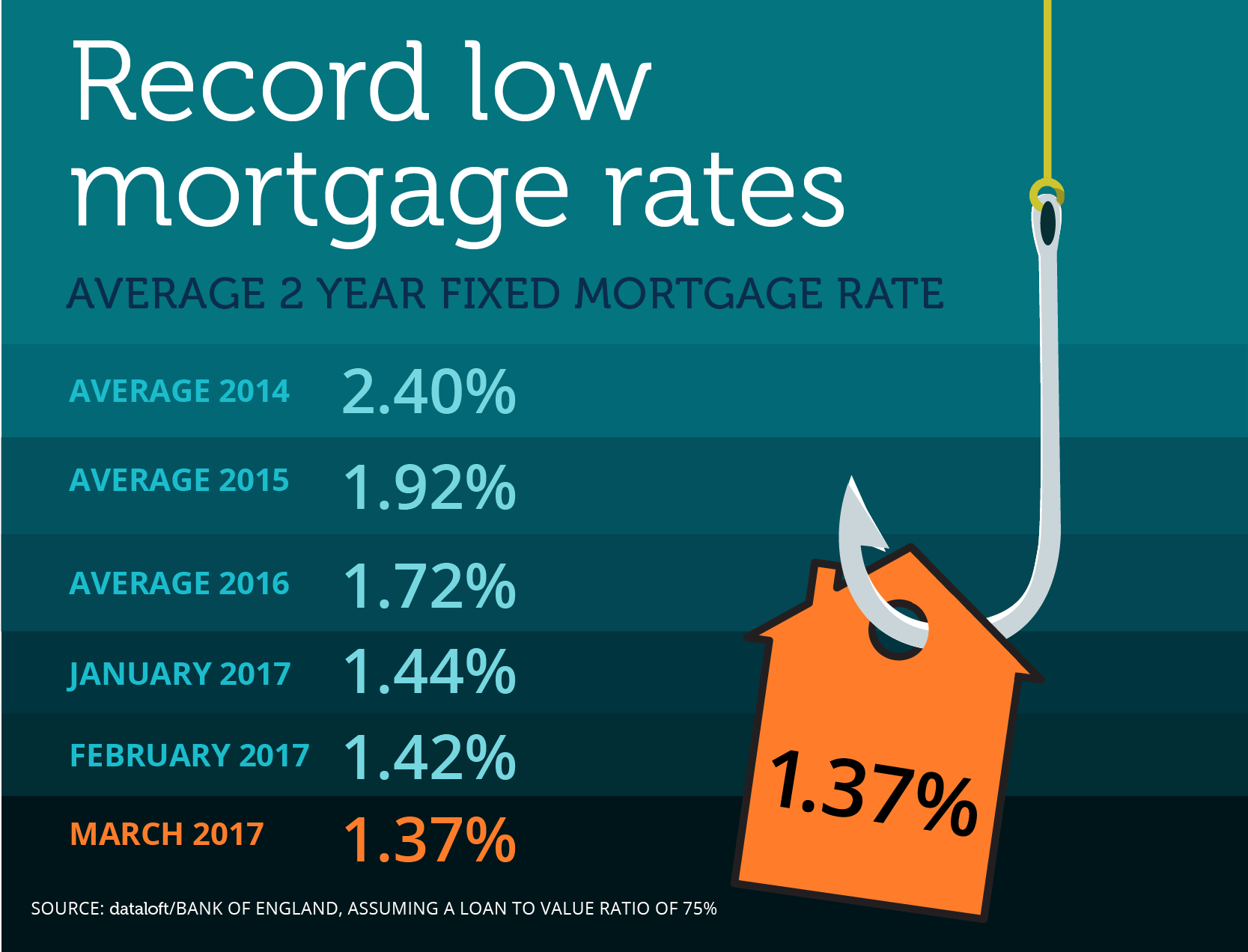
Understanding the Dynamic Mortgage Landscape
The idea of a single, universally “lowest” mortgage rate is largely a myth. Mortgage rates are a moving target, fluctuating not just daily, but sometimes hourly, in response to a myriad of economic indicators and market sentiments. What one borrower qualifies for in one region might be vastly different from another borrower in a different state, even on the same day. This inherent variability makes it essential to grasp the underlying mechanisms that drive these crucial financial figures.
The Elusive “Lowest Rate”
The primary reason there isn’t a single “lowest rate” is that lenders assess risk individually. Every loan application is a unique puzzle comprising the borrower’s financial health, the property’s characteristics, and the current economic climate. A lender’s lowest advertised rate often represents an ideal scenario: a borrower with impeccable credit, a substantial down payment, a low debt-to-income ratio, and perhaps even a willingness to pay “discount points” to reduce the interest rate upfront.
Moreover, rates vary by loan product (fixed-rate vs. adjustable-rate), loan term (15-year vs. 30-year), and even loan type (conventional, FHA, VA, USDA). What’s “lowest” for a 30-year fixed-rate conventional loan might be higher than the initial rate on a 5/1 adjustable-rate mortgage (ARM), but the latter carries future rate risk. Therefore, the search isn’t just for the lowest rate, but for the most suitable lowest rate given your personal financial situation and risk tolerance.
Key Factors Influencing Rates
While your individual profile significantly impacts the rate you receive, broader economic forces dictate the general direction and level of mortgage rates in the market.
-
Federal Reserve Policy: The Federal Reserve doesn’t directly set mortgage rates, but its actions significantly influence them. By adjusting the federal funds rate (the rate at which banks lend to each other overnight), the Fed impacts the cost of borrowing for financial institutions, which trickles down to consumer loan products like mortgages. When the Fed raises rates to combat inflation, mortgage rates typically follow suit.
-
Economic Indicators: A healthy economy generally means higher inflation expectations, which can push mortgage rates up. Key indicators like inflation reports, employment data, and Gross Domestic Product (GDP) growth are closely watched by bond markets. Strong economic growth can lead investors to demand higher returns on their investments, including mortgage-backed securities, thus driving up rates.
-
The Bond Market (10-Year Treasury Yield): Mortgage rates are closely correlated with the yield on the 10-year U.S. Treasury note. This is because mortgage-backed securities (MBS), which form the basis of most home loans, compete with Treasury bonds for investor dollars. When Treasury yields rise, MBS yields (and thus mortgage rates) typically rise to remain competitive.
-
Lender’s Profit Margins and Risk Assessment: Each lender has its own cost of capital, operational expenses, and desired profit margins. They also assess the inherent risk of their overall loan portfolio. These internal factors contribute to the rates they offer.
-
Market Competition: A competitive lending environment, with many banks and mortgage companies vying for business, can sometimes drive rates down as lenders try to attract borrowers.
Types of Mortgage Rates
Understanding the different rate structures is fundamental to comparing offers effectively.
-
Fixed-Rate Mortgages (FRM): The interest rate remains constant for the entire life of the loan. This provides predictable monthly payments, offering stability and peace of mind. Common terms are 15-year and 30-year. A 15-year fixed mortgage typically has a lower interest rate than a 30-year fixed, but also much higher monthly payments due to the shorter repayment period.
-
Adjustable-Rate Mortgages (ARM): These loans feature an initial fixed-rate period, after which the rate adjusts periodically based on a predetermined index (like LIBOR, SOFR, or the Treasury index) plus a margin. Hybrid ARMs (e.g., 5/1 ARM, 7/1 ARM) are common, where the rate is fixed for the first 5 or 7 years, then adjusts annually. ARMs often start with lower rates than fixed-rate mortgages, making them attractive to borrowers who plan to sell or refinance before the adjustment period begins, or those comfortable with potential payment fluctuations.
-
Government-Backed Loans: FHA, VA, and USDA loans are government-insured programs designed to make homeownership more accessible to specific groups of borrowers (first-time homebuyers, veterans, rural residents). While these often have more lenient credit requirements and lower down payment options, their interest rates can sometimes differ from conventional loans, and they come with their own set of fees (e.g., FHA’s mortgage insurance premium).
Factors Determining Your Individual Rate
While broad economic trends set the stage for overall mortgage rates, it’s your personal financial profile and the specifics of your loan that ultimately dictate the rate a lender offers you. Understanding these individual factors empowers you to optimize your financial standing before applying, potentially unlocking a lower rate.
Your Credit Score (FICO)
Your credit score is arguably the single most important factor. It’s a numerical representation of your creditworthiness, reflecting your payment history, amounts owed, length of credit history, new credit, and credit mix. Lenders use it to gauge the likelihood of you repaying your loan.
-
Excellent Credit (760-850): Borrowers in this range consistently qualify for the lowest rates available, as they represent the lowest risk to lenders.
-
Good Credit (700-759): Still very strong, typically qualifying for competitive rates, though perhaps not the absolute lowest.
-
Fair Credit (620-699): Borrowers here will likely see higher interest rates, and some lenders may be hesitant. Many conventional loan programs require a minimum score around 620-640. FHA loans are more lenient, allowing scores as low as 580 with a 3.5% down payment.
-
Poor Credit (Below 620): Securing a mortgage becomes challenging, and rates will be significantly higher if approved. Focus should be on credit repair.
Down Payment Size
The size of your down payment directly impacts your loan-to-value (LTV) ratio, which is the amount you borrow compared to the home’s appraised value. A lower LTV (meaning a larger down payment) signals less risk to the lender.
-
20% or More Down Payment: This is the gold standard. It often allows you to avoid Private Mortgage Insurance (PMI) on conventional loans and generally qualifies you for better interest rates due to the reduced risk for the lender.
-
Less Than 20% Down Payment: While still possible with various loan programs (e.g., FHA with 3.5%, conventional with 3%), you’ll typically pay PMI, and the interest rate might be slightly higher to compensate the lender for the increased risk.
Debt-to-Income (DTI) Ratio
Your DTI ratio measures how much of your gross monthly income goes towards debt payments. Lenders look at two ratios:
-
Front-end ratio: Housing expenses (mortgage payment, property taxes, insurance) as a percentage of gross income.
-
Back-end ratio: Total monthly debt payments (housing + credit cards, car loans, student loans) as a percentage of gross income.
Lenders typically prefer a DTI ratio below 36% (back-end), though some programs allow up to 43% or even 50% under certain conditions. A lower DTI indicates you have more disposable income to comfortably make your mortgage payments, making you a less risky borrower.
Loan Term and Type
As mentioned, a 15-year fixed mortgage almost always carries a lower interest rate than a 30-year fixed mortgage, simply because the lender’s money is tied up for a shorter period. Similarly, the initial rate on an ARM is often lower than a fixed-rate loan. The specific loan type (conventional, FHA, VA, USDA) also influences the base rate and associated fees.
Loan Amount and Property Type
-
Conforming vs. Jumbo Loans: “Conforming” loans meet specific size limits set by Fannie Mae and Freddie Mac. Loans exceeding these limits are “jumbo” loans and typically come with slightly higher interest rates due to the increased risk and specialized underwriting required.
-
Property Type: A single-family primary residence generally qualifies for the best rates. Multi-unit properties, investment properties, or certain types of condominiums can sometimes have slightly higher rates due to different risk profiles.
Location
While less impactful than credit or down payment, the geographic location of the property can play a minor role. State-specific lending regulations, local economic conditions, and even the competitive landscape of lenders in a particular area can subtly affect rates.

Discount Points
Borrowers can sometimes “buy down” their interest rate by paying discount points at closing. One discount point typically costs 1% of the loan amount and can reduce the interest rate by a certain fraction (e.g., 0.125% to 0.25%). This strategy is beneficial if you plan to stay in the home long enough for the savings on interest to outweigh the upfront cost of the points.
Strategies for Securing the Best Mortgage Rate
Finding the lowest mortgage interest rate is not a passive endeavor; it requires proactive steps and diligent effort. By strategically positioning yourself and approaching the market intelligently, you can significantly increase your chances of securing favorable terms.
Improve Your Credit Score
This is foundational. Begin by obtaining free copies of your credit reports from all three major bureaus (Equifax, Experian, TransUnion) via AnnualCreditReport.com. Review them for errors and dispute any inaccuracies. Then, focus on:
-
Paying bills on time, every time: Payment history is the biggest factor in your score.
-
Reducing high-interest debt: Especially revolving credit like credit cards. Aim to keep credit utilization below 30% of your available credit limit.
-
Avoiding new credit applications: Especially in the months leading up to a mortgage application, as new accounts can temporarily lower your score.
-
Keeping old accounts open: A longer credit history is beneficial.
Save for a Larger Down Payment
The more you can put down, the less you need to borrow, and the lower your LTV ratio will be. A 20% down payment is ideal for conventional loans, as it typically eliminates the need for Private Mortgage Insurance (PMI), which is an additional monthly cost that effectively increases your housing expense. Even beyond avoiding PMI, a larger down payment signals less risk to the lender, often translating to a lower interest rate.
Shop Around Extensively
This is perhaps the most crucial strategy. Never settle for the first quote you receive. Research shows that borrowers who get quotes from multiple lenders can save thousands of dollars over the life of their loan.
-
Get quotes from at least 3-5 different lenders: This includes traditional banks, credit unions, online lenders, and mortgage brokers. Each lender has different pricing models, overheads, and risk appetites.
-
Compare Loan Estimates side-by-side: Lenders are required to provide a standardized Loan Estimate form that clearly outlines the interest rate, APR, closing costs, and other terms. Pay close attention to the Annual Percentage Rate (APR), which reflects the total cost of the loan over its term, including some fees, providing a more comprehensive comparison.
-
Do it within a short timeframe: Most credit scoring models consider multiple mortgage inquiries within a 14-45 day window as a single inquiry, minimizing the impact on your score.
Understand and Negotiate Fees
Mortgage rates are just one part of the equation; closing costs and other fees can significantly add to the overall expense.
-
Origination fees: Fees charged by the lender for processing the loan.
-
Appraisal fees, title insurance, recording fees: Third-party costs.
-
Discount points: As discussed, paying points can lower your rate but increases upfront costs.
Sometimes, lenders will offer to waive certain fees in exchange for a slightly higher interest rate, or vice versa. Understand these trade-offs and negotiate where possible, especially on lender-specific fees.
Lock In Your Rate
Once you’ve found a competitive rate you’re comfortable with, ask your lender about locking it in. A rate lock guarantees that your interest rate won’t change between the time you apply and the time you close, typically for 30, 45, or 60 days. This protects you from market fluctuations. Be sure to understand the terms of the rate lock, including its duration and any fees associated with extending it if your closing is delayed.
Consider a Mortgage Broker
Mortgage brokers act as intermediaries between borrowers and multiple lenders. They have access to a wide range of loan products and can shop rates on your behalf, potentially finding better deals than you might discover on your own. While they charge a fee (either paid by you or the lender), their expertise and access can often lead to net savings.
Navigating the Application Process and Beyond
Once you’ve done your homework and chosen a lender, the application process itself requires diligence to ensure a smooth path to securing that coveted low rate. Even after closing, vigilance can present future opportunities.
Gathering Your Documents
Lenders require a comprehensive view of your financial life. Prepare to provide:
-
Proof of income: Pay stubs, W-2s (for employees), or tax returns (for self-employed individuals).
-
Asset statements: Bank statements, investment account statements to verify your down payment and reserves.
-
Debt documentation: Statements for credit cards, car loans, student loans, etc.
-
Employment history: Contact information for employers, letters of employment.
-
Identification: Driver’s license, Social Security card.
Being organized and providing documents promptly can expedite the process and prevent delays that could impact your rate lock.
Pre-Approval vs. Pre-Qualification
These terms are often used interchangeably but are distinct:
-
Pre-qualification: A quick, informal assessment based on unverified information you provide, giving you an estimate of how much you might borrow. It’s useful for budgeting.
-
Pre-approval: A more rigorous process where the lender verifies your income, assets, and credit. It results in a conditional commitment for a specific loan amount and usually includes an estimated interest rate. A pre-approval letter is highly valuable when making an offer on a home, as it shows sellers you are a serious and qualified buyer. Always aim for pre-approval.
Avoiding Pitfalls During Underwriting
Once your loan is in underwriting, it’s crucial to maintain your financial status quo. Any significant changes can jeopardize your approval or impact your rate:
-
Do not open new credit accounts: This includes new credit cards, car loans, or furniture financing.
-
Do not make large purchases: Avoid buying a new car, furniture, or making any major purchases that would increase your debt-to-income ratio or deplete your reserves.
-
Do not change jobs or quit your job: Lenders verify employment shortly before closing. A change can halt the process.
-
Do not make large, unexplained deposits: Lenders must source all large deposits to ensure they are not from undisclosed loans or questionable sources.
Refinancing Opportunities
The search for the lowest rate doesn’t end after you close on your home. Market conditions constantly change, and your financial situation may improve.
-
Lower Rates: If interest rates drop significantly after you’ve secured your mortgage, refinancing to a lower rate can save you a substantial amount of money.
-
Cash-Out Refinance: If you need to access equity for home improvements, debt consolidation, or other purposes, a cash-out refinance allows you to borrow more than your current mortgage balance, with the difference paid to you in cash.
-
Shorter Term: Refinancing from a 30-year to a 15-year mortgage can save you considerable interest over the long run, though it increases your monthly payments.
Always assess the break-even point for any refinance – calculating how long it will take for the savings from a lower rate to offset the closing costs of the new loan.

Staying Informed
The mortgage market is inherently responsive to economic news. By keeping an eye on reports from the Federal Reserve, inflation data, and employment figures, you can gain insight into potential rate movements. Financial news outlets and reputable mortgage information websites can provide valuable daily rate updates and expert analysis.
In conclusion, the quest for the lowest mortgage interest rate is a journey unique to each borrower. While there isn’t a single, universal answer to “what is the lowest mortgage interest rate today,” a clear understanding of the market’s drivers and your own financial levers empowers you to identify and secure the most advantageous rate available for your specific circumstances. By diligently improving your credit, maximizing your down payment, shopping aggressively across multiple lenders, and navigating the application process with care, you can make an informed decision that secures your financial future as a homeowner. Remember, knowledge and proactive engagement are your greatest assets in this crucial financial endeavor.
aViewFromTheCave is a participant in the Amazon Services LLC Associates Program, an affiliate advertising program designed to provide a means for sites to earn advertising fees by advertising and linking to Amazon.com. Amazon, the Amazon logo, AmazonSupply, and the AmazonSupply logo are trademarks of Amazon.com, Inc. or its affiliates. As an Amazon Associate we earn affiliate commissions from qualifying purchases.