
The quest for the lowest possible interest rate on a home loan is a universal pursuit for aspiring homeowners and those looking to refinance. In the complex world of personal finance, a favorable interest rate can translate into tens, even hundreds of thousands of dollars in savings over the lifespan of a mortgage. However, understanding what constitutes the “lowest” rate, how it’s determined, and how to secure it requires more than just a quick online search. It demands a deep dive into market dynamics, individual financial health, and strategic decision-making.
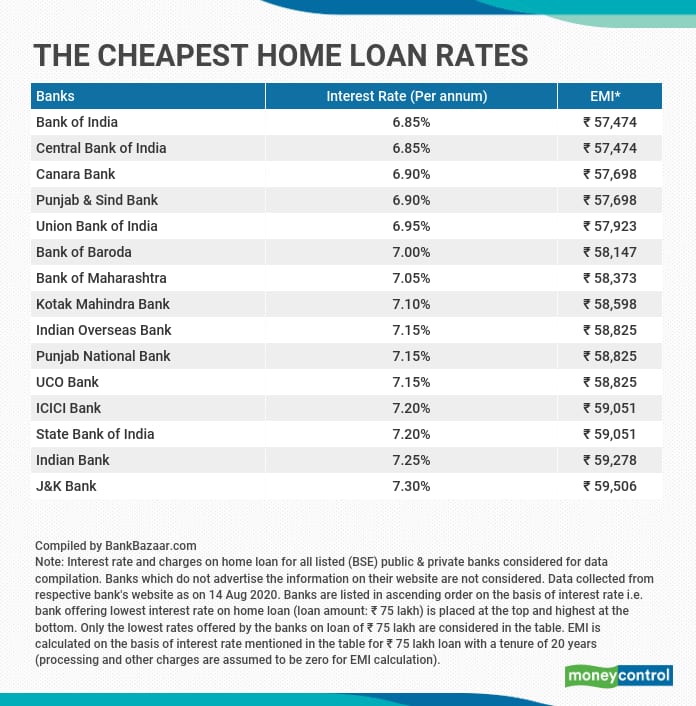
Mortgage interest rates are not static; they are highly dynamic, influenced by a myriad of economic forces, central bank policies, and the individual risk profile of the borrower. There isn’t a single, universally “lowest” rate available to everyone. Instead, rates are a moving target, continuously adjusting to broader financial landscapes and tailored to specific loan applications. This article aims to demystify the intricacies of home loan interest rates, guiding you through the factors that influence them, the strategies to optimize your chances of securing a competitive offer, and the critical distinctions to consider beyond the headline number. By understanding these core principles, you can approach the home loan market with confidence, equipped to make informed decisions that align with your financial goals and lead you closer to homeownership.
Understanding Home Loan Interest Rates
At its core, a home loan interest rate is the cost of borrowing money from a lender to purchase a property. It’s expressed as a percentage of the principal loan amount and determines how much extra you’ll pay over the life of the loan. While the concept seems straightforward, the nuances between different types of rates and their true cost can be complex.
Fixed vs. Adjustable-Rate Mortgages (ARMs)
One of the most fundamental distinctions in home loans is between fixed-rate and adjustable-rate mortgages (ARMs). Each comes with its own set of advantages and risks, heavily influencing the interest rate you’ll secure.
A fixed-rate mortgage is characterized by an interest rate that remains constant for the entire duration of the loan, typically 15 or 30 years. This stability provides predictable monthly payments, making budgeting easier and shielding borrowers from potential rate hikes in the future. While fixed rates might be slightly higher than initial ARM rates during periods of low interest, they offer unparalleled peace of mind. For those seeking long-term stability and predictable costs, a fixed-rate loan is often the preferred choice.
Conversely, an adjustable-rate mortgage (ARM) offers an initial fixed interest rate for a specific period (e.g., 3, 5, 7, or 10 years), after which the rate adjusts periodically based on a predetermined index plus a lender’s margin. The initial rate on an ARM is often lower than that of a fixed-rate mortgage, making it attractive for borrowers who anticipate selling or refinancing before the fixed-rate period ends, or those who expect their income to increase significantly to offset potential payment hikes. However, ARMs carry the risk of substantially higher payments if interest rates rise in the future, introducing an element of unpredictability to your long-term financial planning. Understanding your risk tolerance and future financial outlook is crucial when choosing between these two fundamental loan types.
Beyond the Number: APR vs. Interest Rate
When evaluating home loan offers, it’s critical to look beyond the advertised interest rate and understand the Annual Percentage Rate (APR). The interest rate is simply the percentage charged by the lender for the principal loan amount. However, the APR provides a more comprehensive measure of the true cost of borrowing, as it includes the interest rate plus most other costs associated with the loan, such as origination fees, discount points, mortgage insurance, and other charges.
For example, two lenders might offer the same interest rate, but if one has significantly higher fees, its APR will be higher. This means that the loan with the higher APR will cost you more over the life of the loan, even if the interest rate appears identical. The APR is a standardized measure designed to help consumers compare different loan offers on a more “apples-to-apples” basis. Therefore, always compare the APRs of different loan products, not just the interest rates, to get an accurate picture of the total borrowing cost and truly identify the most economical option.
Key Factors Driving Interest Rate Fluctuation
The “lowest” interest rate isn’t merely plucked from thin air; it’s the result of a complex interplay between broad economic trends and individual borrower characteristics. Understanding these drivers is essential for anyone hoping to secure a favorable mortgage rate.
Macroeconomic Influences: The Fed and Inflation
The most significant external force shaping mortgage interest rates is the broader economic environment, particularly the actions of the Federal Reserve and the prevailing inflation outlook. The Federal Reserve, the central banking system of the United States, doesn’t directly set mortgage rates, but its monetary policy decisions have a profound indirect impact. The Fed sets the federal funds rate, which influences the prime rate and, subsequently, other interest rates throughout the economy, including those on mortgages. When the Fed raises its benchmark rate to combat inflation, borrowing costs generally rise across the board, including for home loans. Conversely, when the Fed lowers rates to stimulate economic growth, mortgage rates tend to follow suit.
Inflation is another critical factor. Lenders lend money today but get repaid in future dollars, which could be worth less if inflation erodes purchasing power. To compensate for this risk, lenders build an inflation premium into their interest rates. Higher inflation expectations typically lead to higher interest rates, as lenders demand a greater return to offset the anticipated decline in the value of future repayments. Economic growth, unemployment rates, and global financial stability also contribute to the overall sentiment and risk perception in the bond market, which directly influences the rates on mortgage-backed securities—the primary mechanism through which mortgage rates are determined.
Microeconomic Factors: Your Financial Profile
While macroeconomic forces set the general landscape for interest rates, your individual financial profile dictates where you fall within that range. Lenders assess your creditworthiness and ability to repay the loan to determine the level of risk you pose, which in turn influences the rate they offer.
Credit Score: A high credit score (typically FICO scores above 740-760) is arguably the most crucial individual factor. It signals to lenders that you are a responsible borrower with a history of timely debt repayment, making you a lower risk. Borrowers with excellent credit consistently qualify for the lowest available interest rates. Conversely, a lower credit score will result in a higher interest rate, as lenders compensate for the increased risk of default.
Debt-to-Income (DTI) Ratio: Your DTI ratio is a measure of your monthly debt payments compared to your gross monthly income. Lenders use it to assess your capacity to manage additional debt. A lower DTI (generally below 36-43%) indicates you have more disposable income to cover your mortgage payments, making you a less risky borrower and potentially qualifying you for better rates.
Down Payment: A larger down payment reduces the loan amount and increases your equity in the home from day one. This lowers the lender’s risk exposure, often translating into a more favorable interest rate. Lenders view borrowers who put down a substantial amount (e.g., 20% or more) as more financially stable and committed. A smaller down payment might require private mortgage insurance (PMI), which adds to your overall monthly housing cost.
Loan-to-Value (LTV) Ratio: Directly related to the down payment, the LTV ratio compares the loan amount to the home’s value. A lower LTV (meaning a larger down payment) indicates less risk for the lender and typically leads to better interest rates.
These personal financial details collectively paint a picture of your reliability as a borrower. Optimizing these factors before applying for a mortgage can significantly improve your chances of securing the most competitive interest rates.
Strategies to Secure the Most Favorable Rate
Finding the lowest interest rate isn’t a passive process; it requires proactive steps to present yourself as the most attractive borrower possible and diligently shop around for the best terms.
Building a Strong Financial Foundation
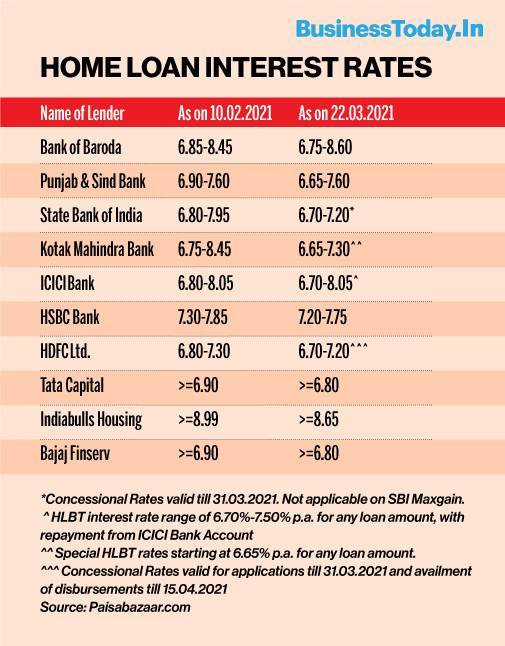
Before even approaching a lender, laying a solid financial groundwork is paramount. This involves optimizing the microeconomic factors that lenders scrutinize.
Improve Your Credit Score: Regularly monitor your credit reports for errors and make sure all payments are made on time. Reduce outstanding debts, particularly on credit cards, to lower your credit utilization ratio. A higher credit score directly correlates with lower interest rates. Consider tools like secured credit cards or credit-builder loans if you’re starting with limited credit history.
Reduce Your Debt-to-Income (DTI) Ratio: Prioritize paying down existing debts, especially high-interest consumer debt. Avoid taking on new debt in the months leading up to your mortgage application. A lower DTI demonstrates to lenders that you have ample capacity to manage your mortgage payments comfortably.
Save for a Larger Down Payment: While not always feasible for everyone, accumulating a substantial down payment (ideally 20% or more) can significantly improve your interest rate. It signals financial strength, reduces the loan-to-value ratio, and often eliminates the need for private mortgage insurance (PMI), further reducing your monthly costs. Even saving a few extra percentage points beyond the minimum can make a difference.
Build Cash Reserves: Lenders look favorably upon borrowers with liquid assets, as it indicates financial stability and a cushion for unexpected expenses. Having several months’ worth of mortgage payments in savings can make your application more appealing.
The Power of Comparison Shopping
Never settle for the first offer you receive. Mortgage rates can vary significantly between different lenders, sometimes by as much as a quarter or even half a percentage point, which can translate into thousands of dollars over the life of the loan.
Get Quotes from Multiple Lenders: Approach a diverse range of lenders, including traditional banks, credit unions, online lenders, and mortgage brokers. Each institution has different underwriting criteria, fee structures, and rate sheets. A mortgage broker can be particularly helpful, as they work with multiple lenders and can often find competitive rates without you having to approach each one individually.
Compare APRs, Not Just Interest Rates: As discussed, the APR provides a more comprehensive view of the total cost of the loan by incorporating fees and other charges. Always use the APR for a true “apples-to-apples” comparison.
Read the Fine Print: Scrutinize all loan estimates for hidden fees, closing costs, and any clauses that might impact your long-term costs. Understand if the rate is locked for a specific period, and what conditions apply.
Negotiate: Don’t be afraid to use competing offers as leverage to negotiate a better rate or lower fees with your preferred lender. If one lender offers a slightly better rate, present that to another lender you’re considering and see if they can match or beat it.
Navigating Loan Types and Terms
The specific loan product and term you choose also play a crucial role in the interest rate you’ll secure.
Shorter Loan Terms: While 30-year fixed-rate mortgages are popular for their lower monthly payments, 15-year fixed-rate mortgages typically come with significantly lower interest rates. This is because lenders assume less risk over a shorter period. If you can afford the higher monthly payments, a 15-year loan can save you a substantial amount in interest over the life of the loan.
Government-Backed Loans: Programs like FHA (Federal Housing Administration) loans, VA (Department of Veterans Affairs) loans, and USDA (United States Department of Agriculture) loans offer unique benefits, often including lower down payment requirements and, in some cases, more flexible credit criteria. While their interest rates might not always be the absolute lowest compared to conventional loans for highly qualified borrowers, they can offer highly competitive rates for specific demographics, making homeownership accessible to a broader range of individuals.
Discount Points: You can sometimes “buy down” your interest rate by paying discount points at closing. One discount point typically costs 1% of the loan amount and can reduce your interest rate by a fraction of a percentage point. Calculate the break-even point to determine if paying points makes financial sense for your situation, especially if you plan to stay in the home for a long time.
By diligently applying these strategies, borrowers can significantly improve their chances of securing an interest rate that is not only competitive but also genuinely the best fit for their financial circumstances.
The Dynamic Nature of “Lowest” Rates and Future Outlook
The concept of the “lowest” interest rate is not a static benchmark but a constantly shifting target, influenced by real-time economic conditions and individual circumstances. What was the lowest rate yesterday might not be today, and what’s advertised might not be what you actually qualify for.
When the Lowest Isn’t Always the Best
It’s crucial to understand that an advertised “lowest” interest rate isn’t always the best deal for every borrower. Lenders often promote their absolute lowest rates, which are typically reserved for borrowers with impeccable credit scores, significant down payments, and perhaps for specific loan products or terms. If you don’t meet these stringent criteria, you likely won’t qualify for that specific rate.
Furthermore, a seemingly low interest rate might come bundled with higher fees, such as origination fees, closing costs, or the requirement to purchase discount points. As discussed earlier, this is where the APR becomes indispensable. A loan with a slightly higher interest rate but significantly lower fees might have a lower APR, making it the more cost-effective option overall. Always perform a holistic comparison, considering all costs associated with the loan, not just the headline interest rate. Sometimes, paying a slightly higher interest rate but avoiding thousands in upfront fees makes more sense if you plan to move or refinance relatively soon.

Preparing for Future Rate Movements
Predicting future interest rate movements with certainty is impossible, even for seasoned economists. However, understanding the factors that influence rates allows you to prepare for potential shifts and make informed decisions.
Stay Informed: Keep an eye on economic indicators such as inflation reports, unemployment figures, and most importantly, announcements from the Federal Reserve regarding their monetary policy. While you don’t need to be an expert, a basic understanding of these trends can give you a sense of whether rates are likely to rise or fall.
Consider Refinancing Opportunities: If you secure a mortgage when rates are higher, keep an eye on the market. A significant drop in rates could present an opportunity to refinance your loan, potentially securing a lower interest rate and reducing your monthly payments. However, always calculate the break-even point for refinancing costs.
Understand Your Loan’s Sensitivity: If you opted for an Adjustable-Rate Mortgage (ARM), be acutely aware of when your fixed-rate period ends and how your rate adjustments are calculated. Plan for potential payment increases by building additional savings or increasing income.
Ultimately, the lowest interest rate for a home loan is a moving target, uniquely determined by a confluence of global economics and personal financial discipline. By diligently preparing your financial profile, thoroughly shopping around, and understanding the full cost of borrowing beyond just the interest rate, you empower yourself to secure the most favorable terms possible. The journey to homeownership is significant, and an optimized interest rate ensures that your financial foundation is as strong as the home you’re building upon it.
aViewFromTheCave is a participant in the Amazon Services LLC Associates Program, an affiliate advertising program designed to provide a means for sites to earn advertising fees by advertising and linking to Amazon.com. Amazon, the Amazon logo, AmazonSupply, and the AmazonSupply logo are trademarks of Amazon.com, Inc. or its affiliates. As an Amazon Associate we earn affiliate commissions from qualifying purchases.