
In the realm of personal finance, few expenses are as ubiquitous yet as variable as car insurance. Every driver seeks the elusive “lowest car insurance” rate, often with the dual aim of meeting legal requirements and protecting their assets without breaking the bank. However, defining the absolute “lowest” is not a one-size-fits-all answer; it’s a dynamic figure tailored to individual circumstances, risk profiles, and a myriad of underlying factors. This article delves into the intricacies of car insurance pricing, dissects proven strategies for cost reduction, and offers insights into navigating the delicate balance between affordability and adequate protection, all from a financial perspective.
Understanding the Core Components of Car Insurance Costs
To truly find the lowest car insurance, one must first grasp what drives its cost. Premiums are not arbitrary figures but rather sophisticated calculations based on actuarial science, designed to predict risk and ensure the insurer’s profitability.
The Basics of Premiums: What Factors Influence Your Rate?
Your car insurance premium is a reflection of the perceived risk you present to an insurer. Several key factors are continuously evaluated:
- Your Driving Record: This is arguably the most significant factor. A history of accidents, traffic violations (speeding tickets, DUIs), or past claims signals higher risk and will invariably lead to higher premiums. Insurers reward safe, responsible driving.
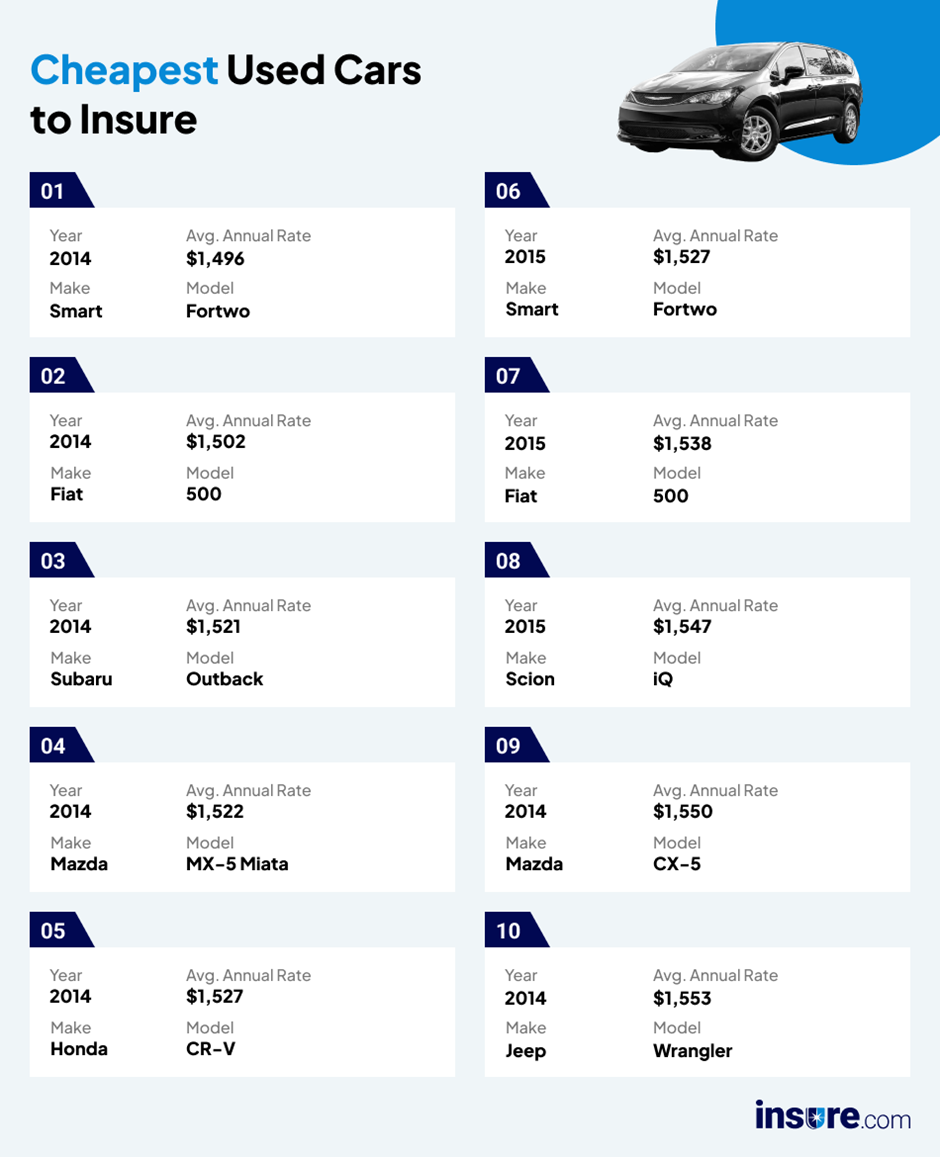
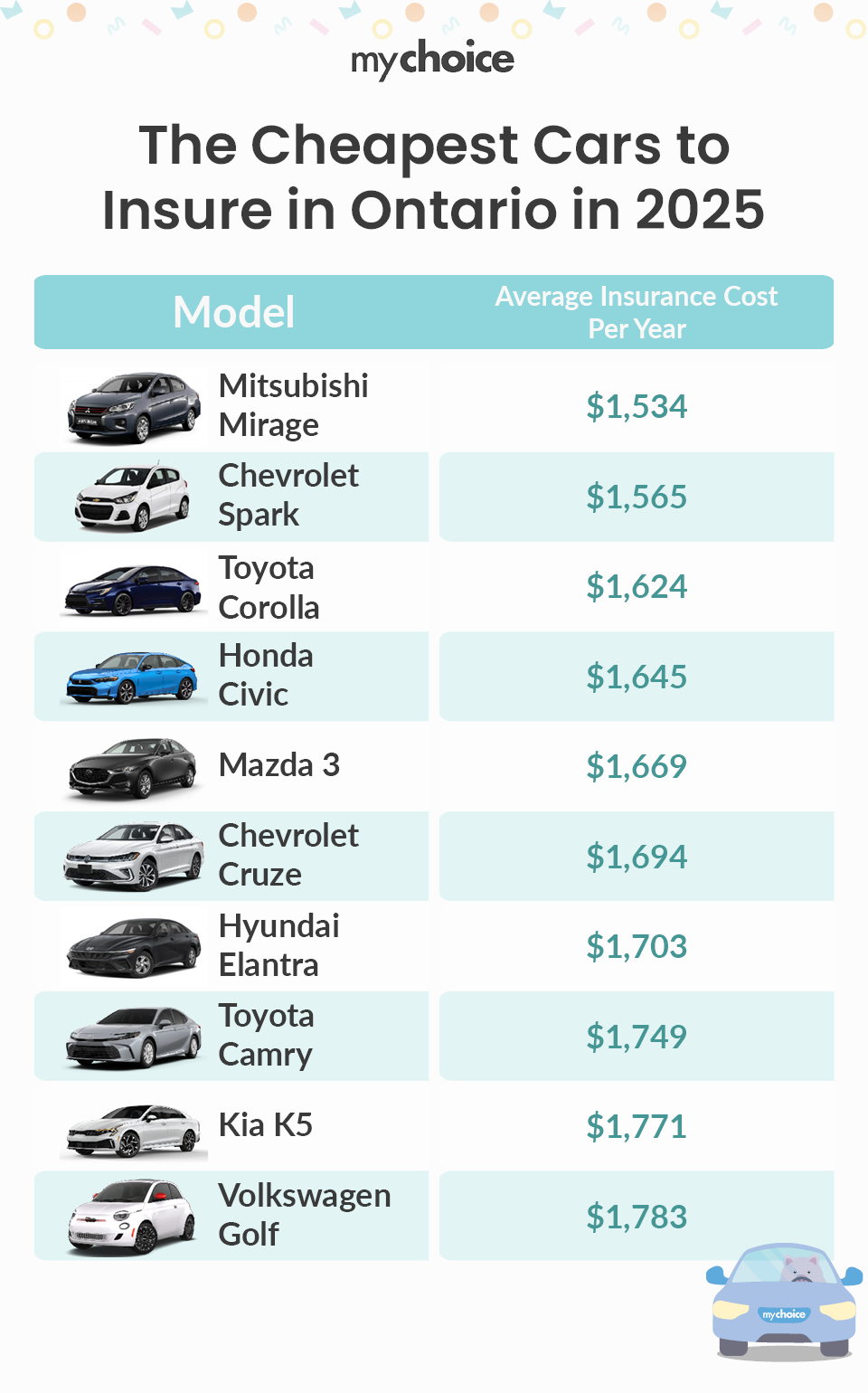
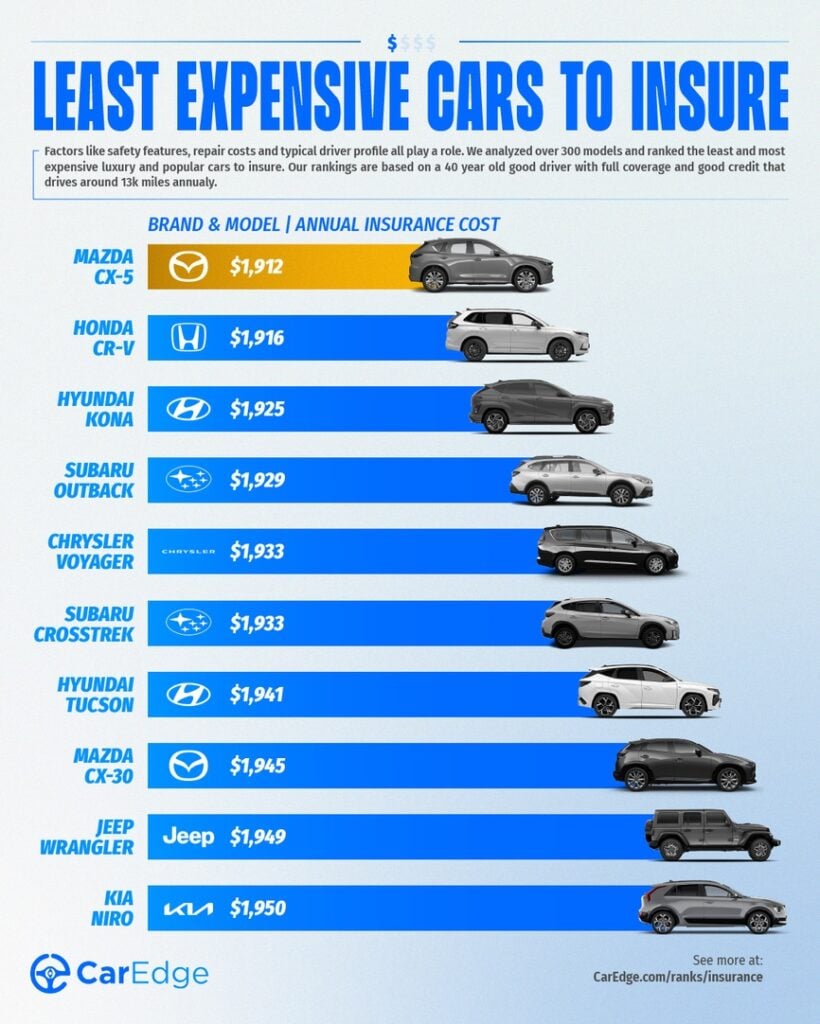
- Your Vehicle Type: The make, model, year, and even color of your car can influence your rates. High-performance, luxury, or frequently stolen vehicles are typically more expensive to insure due to higher repair costs, greater likelihood of theft, or increased accident risk. Vehicles with advanced safety features, on the other hand, might qualify for discounts.
- Your Location: Where you live and often park your car plays a crucial role. Urban areas with higher traffic density, crime rates, and greater incidence of accidents or vandalism typically incur higher premiums than rural areas. State and local regulations also dictate minimum coverage requirements, impacting costs.
- Your Demographics: Age, gender (in some states), marital status, and years of driving experience are factored in. Younger, less experienced drivers, particularly males, often face higher rates due to statistical evidence of higher accident involvement. As drivers mature and gain experience, rates tend to stabilize or decrease.
- Your Credit Score (in most states): Insurers in many states use a credit-based insurance score as a predictor of claim likelihood. Statistically, individuals with higher credit scores tend to file fewer claims, leading to lower premiums. Maintaining good credit is a financial habit that extends benefits far beyond interest rates.
- Annual Mileage: The more you drive, the higher your exposure to risk. Low-mileage drivers (e.g., those who work from home or use public transport) may qualify for discounts.
Decoding Coverage Types: What You Pay For
“Lowest car insurance” often refers to the bare minimum legal coverage. Understanding the different types of coverage is crucial to making an informed financial decision.
- Liability Coverage (Bodily Injury & Property Damage): This is the foundation and legal requirement in almost every state. It pays for damages and injuries you cause to other drivers and their property. While opting for state minimums might offer the “lowest” upfront premium, it presents a significant financial risk if you’re involved in a severe accident and the damages exceed your limits. Your personal assets could be on the line.
- Collision Coverage: This pays for damage to your vehicle resulting from a collision with another vehicle or object, regardless of fault. This is optional but often required if you have a car loan or lease. Dropping this on an older, low-value car can significantly reduce premiums, but you bear the full financial risk of repairs or replacement.
- Comprehensive Coverage: This covers non-collision incidents like theft, vandalism, fire, natural disasters (hail, floods), and hitting an animal. Like collision, it’s optional but often mandated by lenders. It protects your investment in your vehicle from unpredictable external factors.
- Personal Injury Protection (PIP) / Medical Payments (MedPay): These cover medical expenses for you and your passengers after an accident, regardless of who was at fault. PIP can also cover lost wages and essential services. This provides crucial financial protection against potentially crippling medical bills.
- Uninsured/Underinsured Motorist (UM/UIM): This protects you if you’re hit by a driver who has no insurance or insufficient insurance to cover your damages. Given the prevalence of uninsured drivers, this coverage is a vital financial safeguard.
- Other Add-ons: Roadside assistance, rental car reimbursement, gap insurance, and new car replacement coverage are examples of optional coverages that add convenience or enhanced protection but also increase your premium. Evaluate if the financial benefit outweighs the cost.
Proven Strategies to Lower Your Car Insurance Premiums
Armed with an understanding of what influences costs, drivers can employ several strategic approaches to actively reduce their premiums. These are not about cutting corners but about optimizing your financial outlay for necessary protection.
Comparison Shopping is Key: The Power of Competition
The single most effective strategy to find lower rates is to shop around. Insurance companies use different underwriting criteria and have varying appetences for risk, leading to significant price discrepancies for the exact same coverage.
- Get Multiple Quotes: Don’t settle for the first quote. Obtain quotes from at least 3-5 different insurers – including large national carriers, regional providers, and direct-to-consumer online insurers.
- Utilize Online Aggregators: Websites that compare quotes from multiple insurers can save time, but also consider contacting individual companies directly or working with an independent agent who can shop across various providers on your behalf.
- Re-evaluate Periodically: Your circumstances change, and so do insurance market rates. Make it a habit to compare quotes every 6-12 months, or whenever you have a significant life event (moving, marriage, new car, driving record improvement). Loyalty to one insurer doesn’t always guarantee the best rate.
Adjusting Your Coverage Wisely: Balancing Risk and Cost
Fine-tuning your policy’s specifics can yield substantial savings, but it requires a careful financial assessment of your risk tolerance.
- Increase Your Deductible: The deductible is the amount you pay out-of-pocket before your insurance kicks in for collision or comprehensive claims. Opting for a higher deductible (e.g., from $500 to $1,000 or $2,500) will significantly lower your premium because you’re taking on more of the initial financial risk. Ensure you have the higher deductible amount readily available in an emergency fund.
- Drop Unnecessary Coverage on Older Vehicles: If your car’s market value is less than, say, 10 times your comprehensive/collision deductible, it might be financially prudent to drop these coverages. The cost of insuring an old car against collision or theft could quickly outweigh its replacement value. Calculate the financial break-even point.
- Review Liability Limits: While state minimums are the “lowest” in terms of premium, they are often insufficient. Increase your liability limits to protect your assets, but find a sweet spot. For instance, moving from $50,000 to $100,000 per person for bodily injury might be a small premium increase for a significant boost in protection.
Leveraging Discounts and Bundles: Smart Savings
Insurers offer a plethora of discounts that can reduce your premiums. Proactively inquire about every discount you might qualify for.
- Multi-Policy/Bundling Discounts: Combining your auto insurance with other policies (homeowners, renters, life insurance) from the same provider can result in substantial savings on all policies. This is a top-tier discount strategy.
- Safe Driver/Good Driver Discounts: If you have a clean driving record for several years, you’ll likely qualify. Many insurers also offer telematics programs (e.g., plug-in devices or mobile apps) that monitor your driving habits (speed, braking, mileage) and reward safe behavior with discounts. This is a direct incentive for financially responsible driving.
- Good Student Discounts: Students with good academic standing (typically a B average or higher) can qualify for discounts, recognizing that responsible students may also be responsible drivers.
- Low Mileage Discounts: If you drive fewer miles than the average person, you may be eligible for a discount.
- Vehicle Safety Features: Anti-theft devices, airbags, anti-lock brakes, and other advanced safety features can earn discounts.
- Payment Discounts: Paying your premium in full upfront, enrolling in autopay, or choosing paperless billing can often lead to small but cumulative discounts.
Improving Your Financial Profile: Beyond Driving
Your broader financial health can also impact your car insurance rates.
- Maintain a Good Credit Score: As mentioned, a higher credit-based insurance score often translates to lower premiums. Paying bills on time, managing debt responsibly, and regularly checking your credit report are all financially sound practices that extend to insurance savings.
- Consistent Payment History: Avoiding late payments or policy lapses demonstrates reliability to insurers, potentially contributing to more favorable rates over time.
The Role of Your Vehicle and Driving Habits
Beyond policy adjustments, the fundamental choices about what you drive and how you drive it have a profound financial impact on your insurance costs.
Vehicle Choice Matters: An Upfront Cost Consideration
The car you choose is not just a purchase; it’s a long-term financial commitment that includes insurance.
- Safety Ratings: Vehicles with higher safety ratings (from organizations like the IIHS or NHTSA) are often cheaper to insure because they protect occupants better, potentially reducing bodily injury claims.
- Repair Costs and Parts Availability: Cars that are expensive to repair or require specialized, hard-to-find parts will generally have higher insurance premiums. Luxury brands, high-performance cars, or unique imports often fall into this category.
- Theft Rates: Cars that are frequently stolen or vandalized will carry higher comprehensive insurance rates. Consult industry reports or your insurer for models with lower theft risks.
- Modifications: Aftermarket modifications, especially those that enhance performance or aesthetic appeal, can significantly increase premiums as they raise the value and/or risk profile of the vehicle.
Maintaining a Clean Driving Record: Your Best Long-Term Investment
No discount or policy adjustment can fully offset the financial ramifications of a poor driving record.
- Avoid Accidents and Tickets: This is the most direct way to keep your premiums low. Every accident or moving violation typically results in a surcharge that can last for several years. DUIs and reckless driving charges can increase premiums by hundreds or even thousands of dollars annually and may even lead to policy cancellation.
- Take a Defensive Driving Course: Many insurers offer a discount for voluntarily completing an approved defensive driving course, especially if you’ve recently incurred a minor violation. This not only reduces your premium but also enhances your safety on the road.
Navigating the Trade-offs: Low Cost vs. Adequate Protection
The quest for the “lowest car insurance” invariably leads to a critical trade-off. While minimizing premiums is financially appealing, it’s crucial to understand the potential financial exposure that comes with insufficient coverage.
The Dangers of Minimum Coverage: A False Economy
Opting for state minimum liability coverage often represents the lowest premium, but it’s a significant financial gamble.
- Inadequate Protection: State minimums are often woefully inadequate for serious accidents. If you cause an accident resulting in significant property damage or severe injuries, and the costs exceed your liability limits, you are personally responsible for the remaining balance. This could lead to wage garnishments, liens on assets, or even bankruptcy.
- No Coverage for Your Vehicle: Minimum liability insurance offers no protection for your own car. If you’re at fault, you’ll pay out-of-pocket for all repairs or replacement.
- Legal Fees: Even if you have liability coverage, you might face legal challenges. Adequate liability limits also provide for legal defense costs, which can quickly accrue.
Assessing Your Personal Risk Profile: A Financial Calculus
The “right” amount of insurance is a personal financial decision. Consider these questions:
- What Assets Do You Need to Protect? If you own a home, have significant savings, or a high income, you have more to lose in a lawsuit. Higher liability limits become a crucial investment in protecting your net worth.
- How Much Can You Afford Out-of-Pocket? This determines your ideal deductible. If you have a robust emergency fund, a higher deductible is a financially savvy move. If not, a lower deductible, despite a higher premium, might offer greater peace of mind.
- What is Your Tolerance for Risk? Some individuals are comfortable assuming more risk for lower premiums, while others prioritize comprehensive financial protection.
- What is Your Car’s Value? For newer or high-value vehicles, collision and comprehensive coverage are often indispensable financial safeguards.
Balancing Cost and Value: Finding the Sweet Spot
The goal isn’t necessarily the absolute lowest premium, but the best value – the most comprehensive coverage you can comfortably afford, minimizing financial vulnerability. This means:
- Understanding Your Needs: Before looking at prices, determine what level of coverage makes financial sense for your specific situation.
- Prioritizing Protection: Always ensure your liability limits are robust enough to protect your assets.
- Optimizing, Not Just Minimizing: Focus on maximizing discounts, increasing deductibles where appropriate, and dropping truly unnecessary coverages, rather than just stripping down to the bare legal minimum.
Conclusion
The pursuit of the “lowest car insurance” is a common and financially prudent goal for any driver. However, it’s a nuanced endeavor that extends beyond merely selecting the cheapest quote. True savings come from a comprehensive understanding of how premiums are calculated, diligently applying strategies like comparison shopping and leveraging discounts, making responsible choices about your vehicle and driving habits, and critically assessing the trade-off between premium cost and financial protection. By adopting an informed, proactive approach to your car insurance, you can effectively manage this significant financial outlay, ensuring you’re adequately covered without overspending. Remember, your insurance needs evolve, so regularly reviewing your policy and obtaining new quotes is the smartest way to keep your coverage aligned with both your current financial situation and your ongoing commitment to safety.
aViewFromTheCave is a participant in the Amazon Services LLC Associates Program, an affiliate advertising program designed to provide a means for sites to earn advertising fees by advertising and linking to Amazon.com. Amazon, the Amazon logo, AmazonSupply, and the AmazonSupply logo are trademarks of Amazon.com, Inc. or its affiliates. As an Amazon Associate we earn affiliate commissions from qualifying purchases.