
In the realm of regional marketing and corporate identity, few designations carry as much weight, prestige, and immediate recognition as the “Lowcountry.” While geographers may define it as the coastal region of South Carolina and Georgia, brand strategists recognize it as something far more complex: a masterclass in lifestyle branding, heritage-driven marketing, and high-value positioning. To ask “What is the Lowcountry?” is to explore how a specific geographic area transformed its unique environmental and cultural traits into a multi-billion-dollar brand ecosystem that encompasses real estate, hospitality, design, and luxury retail.
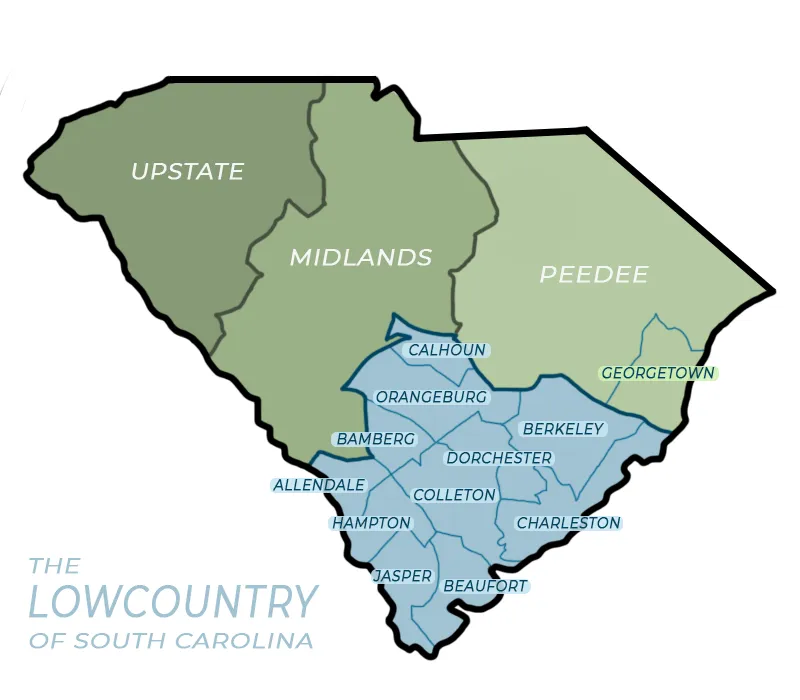
The Lowcountry brand is not merely a location; it is a curated experience. It is a strategic alignment of aesthetic cues—Spanish moss, tabby ruins, and expansive marshlands—paired with a narrative of “slow living,” historical depth, and refined hospitality. This alignment has allowed the region to command a significant market premium, attracting a global audience of high-net-worth individuals and discerning consumers who seek more than just a destination; they seek an identity.
The Regional Identity as a Brand Asset
At its core, the Lowcountry brand is built upon the strategic commodification of place. In branding terms, this is often referred to as “Place Branding,” where the reputation of a region acts as an umbrella for the businesses and products within it. The Lowcountry has successfully leveraged its inherent characteristics to create a brand that is both exclusive and aspirational.
Defining the Aesthetic Core
From a design perspective, the Lowcountry brand is defined by a very specific visual language. The “Lowcountry Aesthetic” is a blend of rustic charm and high-end sophistication. In branding strategy, consistency is key, and the Lowcountry maintains an incredibly tight visual identity. We see this in the architectural palettes of whites, haints blues, and soft greens; the use of natural materials like reclaimed heart pine and oyster shells; and a landscape design philosophy that prioritizes the preservation of ancient live oaks.
This visual consistency allows brands—ranging from boutique hotels to furniture manufacturers—to instantly signal their quality and price point by simply associating themselves with these cues. When a consumer sees a “Lowcountry-inspired” design, they are not just looking at a style; they are receiving a signal of luxury, heritage, and intentionality.
The Narrative of Heritage and Exclusivity
Every powerful brand needs a compelling story, and the Lowcountry’s narrative is one of its greatest assets. It draws on a complex history, weaving together the traditions of the Gullah Geechee people, the elegance of the antebellum South, and the maritime legacy of the Atlantic coast. This narrative is strategically utilized to create a sense of depth and “soul” that newer, more sterile developments cannot replicate.
By positioning the region as a bastion of tradition in an increasingly fast-paced world, the Lowcountry brand taps into the modern consumer’s desire for authenticity. In a branding context, authenticity is a high-value currency. The Lowcountry doesn’t just offer a product; it offers a connection to a storied past, which justifies the premium pricing seen in its markets.
Strategic Positioning: Hospitality and the “Lowcountry Experience”
The hospitality sector serves as the primary engine for the Lowcountry brand. Cities like Charleston and Savannah, along with enclaves like Hilton Head and Palmetto Bluff, have become global benchmarks for how to market a regional identity. These locations do not just sell rooms; they sell a lifestyle that guests can “wear” for the duration of their stay.
Curating the Guest Persona
Successful brand strategy requires a deep understanding of the target audience. The Lowcountry brand targets a specific persona: the “Sophisticated Explorer.” This is an individual who values education, culinary excellence, and environmental beauty over flashy, overt displays of wealth.
Hospitality brands in the region have mastered the art of “understated luxury.” This positioning is critical. By focusing on high-touch service, farm-to-table (or marsh-to-table) dining, and curated local experiences, the Lowcountry avoids the pitfalls of “tourist trap” branding. Instead, it fosters a sense of belonging and exclusivity. This strategic positioning ensures that the brand remains desirable to the upper-echelons of the travel market, maintaining high Average Daily Rates (ADR) and driving consistent brand loyalty.
Leveraging Natural Capital as a Value Proposition
In the Lowcountry, the environment is the brand’s most valuable asset. Smart brand managers in the region recognize that the preservation of the salt marshes, rivers, and forests is not just an environmental necessity but a business imperative. The “natural capital” of the Lowcountry provides a unique value proposition that is difficult for competitors to replicate.
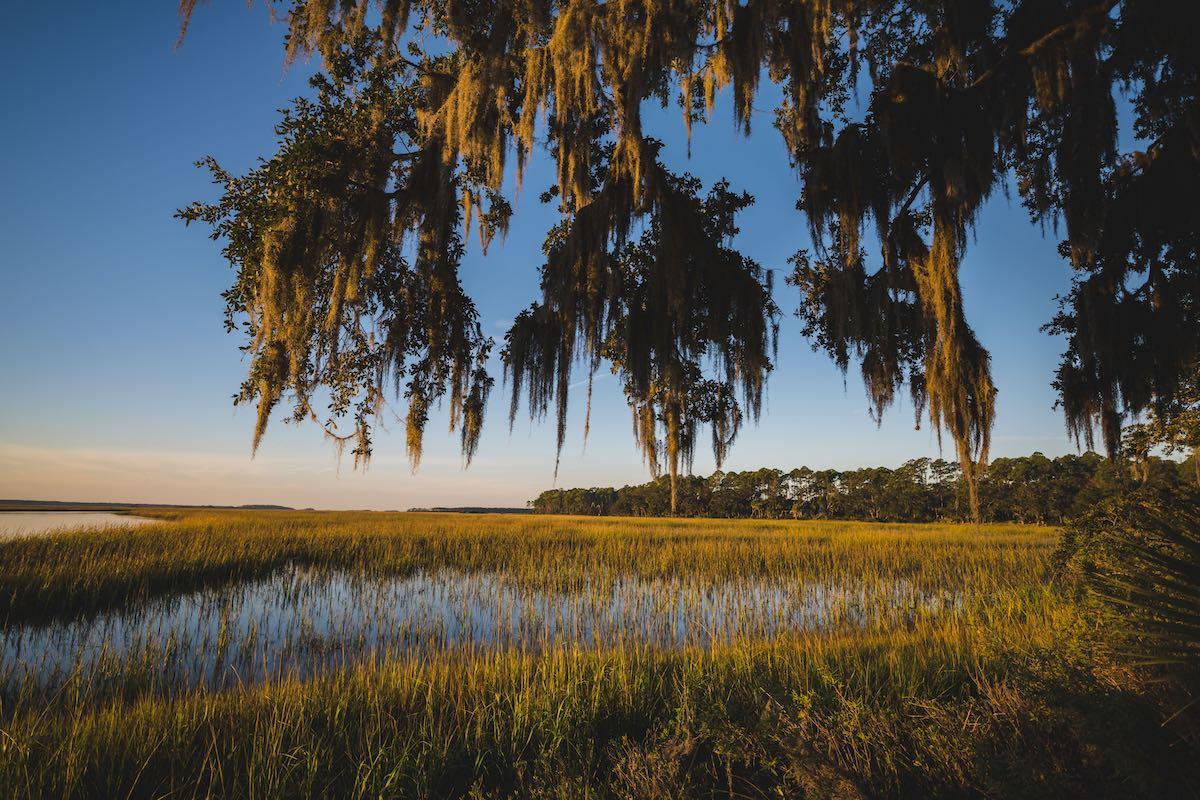
The brand strategy here is one of “stewardship.” By marketing themselves as protectors of a fragile and beautiful ecosystem, businesses in the Lowcountry enhance their brand equity. This eco-conscious positioning resonates strongly with modern consumers who prefer to align themselves with brands that demonstrate corporate social responsibility. The environment becomes a silent partner in every marketing campaign, providing the stunning backdrops that have become synonymous with the Lowcountry brand.
Real Estate and Architectural Branding
Nowhere is the power of the Lowcountry brand more evident than in the real estate sector. The term “Lowcountry” has become a functional brand category in residential design, much like “Mid-Century Modern” or “Industrial Chic.” However, unlike those styles, Lowcountry real estate is inextricably linked to a specific plot of earth, creating a massive geographic monopoly.
The “Sense of Place” in Modern Design
Developers in the region use “Sense of Place” as a primary marketing tool. This involves creating communities that feel organic to the landscape rather than imposed upon it. Branding a development as “Lowcountry” involves more than just architectural flourishes like wide porches and raised foundations; it involves a holistic approach to community building.
This includes the “amenitization” of nature—marketing a kayaking trail or a community dock as a high-value luxury feature. By branding these natural elements, developers can command a significant premium over standard suburban developments. The brand tells the buyer that they are not just purchasing a house; they are purchasing a piece of a legendary landscape.
Market Premium and the Power of the Label
The financial impact of the Lowcountry brand is measurable. Homes marketed under the Lowcountry banner often command a 20% to 40% premium over similar properties in neighboring inland regions. This is the “Brand Tax” in action. The name “Lowcountry” acts as a seal of quality and a promise of future appreciation.
For investors and developers, the brand provides a level of protection against market volatility. Because the “Lowcountry” identity is rooted in scarcity—there is only so much coastline and so many historic districts—the brand remains resilient. The demand for the lifestyle associated with the brand consistently outstrips the supply, proving that a well-executed regional brand is one of the most powerful economic engines available.
Challenges in Brand Preservation and Expansion
As with any successful brand, the Lowcountry face the constant threat of dilution and over-commercialization. When a brand becomes as successful as the Lowcountry, there is a temptation to “export” it or to over-develop the very areas that give the brand its value.
Balancing Commercial Growth with Authenticity
The primary challenge for the Lowcountry brand is maintaining its soul in the face of rapid growth. If every new strip mall and chain restaurant uses “Lowcountry” in its name, the term risks losing its meaning. In brand strategy, this is known as “brand fatigue” or “dilution.”
To counter this, local governments and business coalitions must act as brand managers. This involves implementing strict architectural guidelines, preserving green spaces, and supporting local artisans and businesses that reinforce the brand’s core values. The goal is to ensure that “Lowcountry” continues to represent a high-standard of quality rather than becoming a hollow marketing buzzword.

The Future of Regional Branding in a Digital Age
As we move further into a digitally-dominated market, the Lowcountry brand is evolving. Social media has played a massive role in the brand’s global expansion, with influencers and photographers amplifying the region’s aesthetic to millions. This “digital footprint” has made the Lowcountry a global aspiration, not just a regional secret.
The future of the Lowcountry brand lies in its ability to adapt to new technologies while remaining anchored in its physical reality. Whether through virtual tours that highlight the region’s beauty or digital marketplaces for Lowcountry-made goods, the brand is finding new ways to reach consumers. However, the core of the brand remains the same: a commitment to a specific, high-quality way of life that celebrates the intersection of nature, history, and hospitality.
In conclusion, the Lowcountry is far more than a point on a map. It is a sophisticated, multi-layered brand that has successfully turned a geographic region into a global standard for luxury and lifestyle. By understanding the strategic pillars of this brand—its visual identity, its narrative, and its environmental stewardship—other regions and companies can learn valuable lessons in how to build a brand that is not only profitable but also enduringly iconic.
aViewFromTheCave is a participant in the Amazon Services LLC Associates Program, an affiliate advertising program designed to provide a means for sites to earn advertising fees by advertising and linking to Amazon.com. Amazon, the Amazon logo, AmazonSupply, and the AmazonSupply logo are trademarks of Amazon.com, Inc. or its affiliates. As an Amazon Associate we earn affiliate commissions from qualifying purchases.