
Understanding the concept of “living cost” is the foundational pillar of personal finance. At its most basic level, the cost of living represents the amount of money needed to sustain a certain standard of living, including basic expenses such as housing, food, taxes, and healthcare. However, for those seeking financial independence or even just a stable domestic life, the definition must go much deeper. It is not merely a static number found on a government spreadsheet; it is a dynamic, shifting metric influenced by geography, inflation, personal choices, and macroeconomic trends.
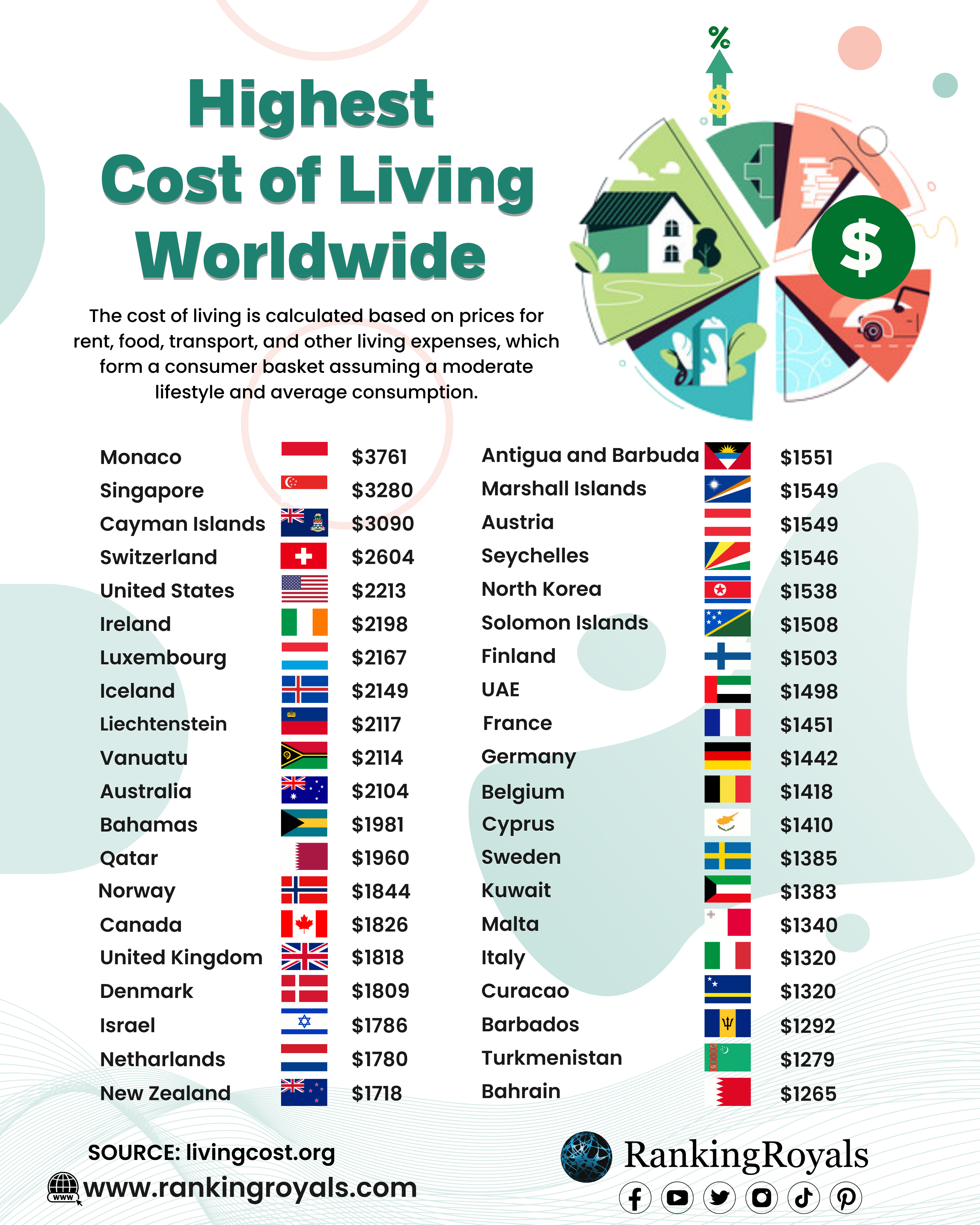
By mastering the nuances of your living costs, you gain the ability to make informed decisions about your career, your investments, and your long-term wealth accumulation. This guide explores the multifaceted nature of living costs, how to calculate them accurately, and the strategies required to manage them in an ever-changing economic landscape.
The Essential Components of Modern Living Costs
To manage your finances effectively, you must first deconstruct “living cost” into its primary components. These expenses are typically categorized into fixed and variable costs, but for the purpose of high-level financial planning, it is more useful to view them through the lens of necessity versus discretion.
Housing: The Primary Financial Anchor
In almost every economy, housing represents the largest single expense for individuals and families. Whether through monthly rent payments or mortgage installments, housing usually accounts for 25% to 35% of an individual’s after-tax income. Beyond the base payment, one must factor in property taxes, homeowner’s insurance, and the “invisible” costs of maintenance. For renters, utilities such as electricity, water, heating, and high-speed internet are often separate line items that fluctuate seasonally, adding layers of complexity to the monthly budget.
Nutritional Sustenance and Daily Consumption
Food costs are one of the most volatile components of the living cost index. They are directly impacted by global supply chains, local agricultural conditions, and inflation. A comprehensive view of food costs includes not only groceries—the essential raw materials for home-cooked meals—but also the “convenience premium” associated with dining out or utilizing delivery services. While groceries are a necessity, the frequency of dining out is a variable that can drastically alter your personal living cost profile.
Transportation and Mobility
Unless you live in a highly dense urban environment with comprehensive public transit, transportation is a non-negotiable expense. This includes car payments, fuel, insurance, and regular maintenance. Even those who rely on public transportation must account for the rising costs of transit passes or occasional ridesharing. As the world shifts toward electric vehicles, the “fuel” component of this cost is transitioning from the gas pump to the utility bill, further intertwining these financial categories.
Healthcare and Risk Management
Healthcare costs represent a unique challenge because they are both a fixed expense (premiums) and an unpredictable variable (out-of-pocket costs, emergencies). In many regions, healthcare is a significant portion of the cost of living, particularly for those who are self-employed or lack employer-sponsored plans. Failure to account for a “health buffer” in your living cost calculation can lead to catastrophic financial setbacks when unexpected medical needs arise.
Geographic Impact: Why Location Dictates Your Financial Baseline
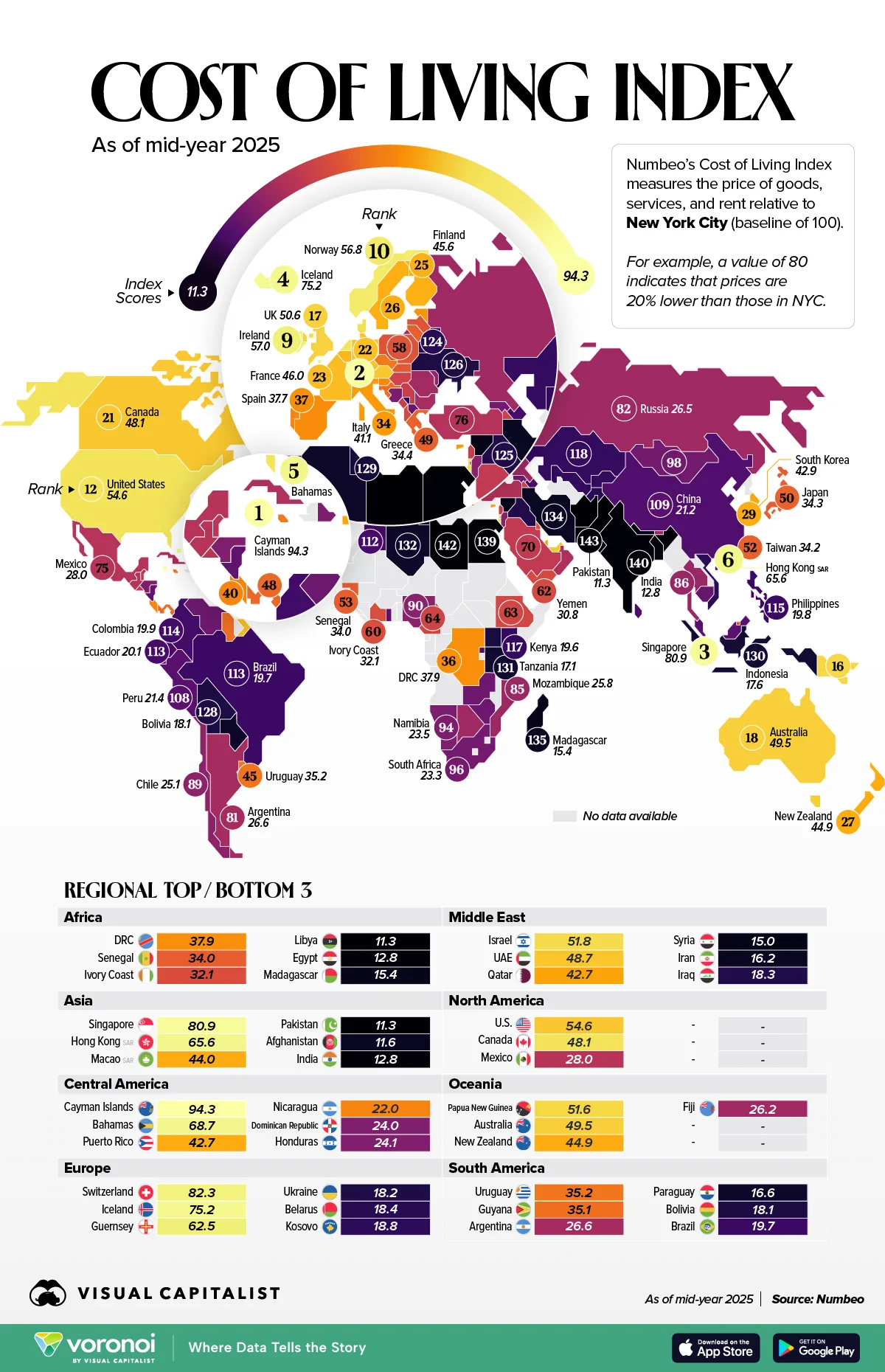
The cost of living is not a universal constant; it is highly dependent on where you choose to reside. This geographic variance is often measured by the Cost of Living Index (COLI), which compares the prices of goods and services across different cities and regions.
Urban vs. Rural Economic Realities
Metropolitan hubs like New York, London, or Tokyo offer immense career opportunities and cultural amenities, but they come with a “location premium.” In these areas, housing costs can be triple the national average, and even basic services like dry cleaning or childcare are priced higher to reflect the higher costs of doing business. Conversely, rural or suburban areas offer a significantly lower baseline for survival, allowing for a higher “discretionary income” on the same salary. However, these savings are sometimes offset by higher transportation costs or lower access to high-paying job markets.
The Role of Local Taxation and Regulation
Beyond the price of milk or rent, the “net” cost of living is heavily influenced by local and regional tax structures. Some states or provinces may have no income tax but high property or sales taxes. Others may offer robust public services that reduce individual out-of-pocket costs for education and healthcare but require a higher percentage of your gross income in taxes. Understanding the “tax burden” of a specific location is essential for anyone considering a move for a higher-paying job, as a 20% salary increase may be entirely swallowed by a 25% increase in the local cost of living.
Purchasing Power Parity
For those who work remotely or operate digital businesses, the concept of Purchasing Power Parity (PPP) becomes a powerful tool. This involves earning income in a “strong” currency (like the USD, EUR, or GBP) while living in a region with a significantly lower cost of living. This strategy, often referred to as “geo-arbitrage,” allows individuals to maintain a high standard of living while keeping their actual expenses at a fraction of what they would be in a major financial hub, thereby accelerating their path to investment and wealth.
Strategies for Managing and Reducing Your Cost of Living
Once you have identified your baseline costs, the next step is active management. Without a strategy, “lifestyle creep”—the tendency for expenses to rise as income increases—can trap even high earners in a cycle of living paycheck to paycheck.
The 50/30/20 Budgeting Framework
A professional approach to managing living costs involves the 50/30/20 rule. In this model, 50% of your after-tax income is allocated to “Needs” (housing, utilities, groceries, basic transport). 30% is allocated to “Wants” (entertainment, travel, luxury items). The final 20% is strictly reserved for “Financial Goals,” such as debt repayment, emergency funds, and long-term investments. If your “Needs” exceed 50%, it is a signal that your cost of living is too high relative to your current income, necessitating either a change in lifestyle or an increase in revenue.
Combatting Lifestyle Inflation
Lifestyle inflation occurs when your “Wants” begin to masquerade as “Needs.” As professionals advance in their careers, there is often pressure to upgrade housing, vehicles, and wardrobes. While these are personal choices, they permanently raise your “living cost floor.” To maintain financial agility, it is vital to keep your core living costs relatively stable even as your income grows. This allows the delta between your expenses and your earnings to be redirected into income-generating assets, eventually reaching a point where your investments cover your living costs entirely.
Leveraging Financial Tools for Optimization
Modern personal finance requires the use of sophisticated tools to track and optimize spending. Automated budgeting apps can categorize expenses in real-time, highlighting areas where you are overspending. Furthermore, periodic “audit cycles”—where you review every recurring subscription and contract (insurance, internet, gym memberships)—can often shave 5% to 10% off your monthly living costs without a perceptible change in your quality of life.
Calculating Your Personal Living Index
Generic cost-of-living calculators are useful for broad comparisons, but for precise financial planning, you must develop a Personal Living Index (PLI). This is your unique “burn rate”—the exact amount of capital you require to survive and thrive every month.
Tracking and Categorization
To build an accurate PLI, you should track every cent of expenditure for at least 90 days. This period is long enough to capture irregular expenses, such as quarterly insurance payments or seasonal maintenance. Use this data to create a weighted average of your monthly costs. This number is your “financial baseline.”
Factoring in Inflation and Economic Cycles
The living cost you calculate today will not be the same five years from now. Inflation acts as a silent tax, eroding the purchasing power of your currency. When planning for the future—especially for retirement or long-term savings—you must adjust your living cost projections by an estimated inflation rate (historically around 2-3% in many developed economies, though recently much higher). Failure to account for the rising cost of goods will result in a shortfall in your long-term financial goals.
The “Freedom Fund” Metric
Your personal living cost is the key to calculating your “Freedom Fund.” Conventional wisdom suggests having an emergency fund of 3 to 6 months of living expenses. By knowing your exact cost of living, you can calculate this number with precision. Beyond emergencies, your living cost determines your “Financial Independence Number”—the amount of invested capital needed to live off the returns alone. Generally, this is 25 times your annual living expenses. Without a clear understanding of your costs, you are essentially flying blind toward your financial future.
Beyond Survival: Investing in Quality of Life
Ultimately, the goal of understanding the cost of living is not just to minimize expenses, but to maximize the value of every dollar spent. Personal finance is deeply personal; for some, a higher cost of living in a vibrant city is a worthwhile investment in their professional network and mental well-being. For others, a minimalist lifestyle in a low-cost region is the fastest route to total autonomy.
By treating your living cost as a manageable business expense rather than an inevitable burden, you transform your relationship with money. You move from a defensive posture—wondering where your money went—to an offensive strategy, where every dollar is intentionally deployed to build a life of security, comfort, and eventually, financial freedom. Understanding the living cost is the first step in mastering the machinery of wealth.
aViewFromTheCave is a participant in the Amazon Services LLC Associates Program, an affiliate advertising program designed to provide a means for sites to earn advertising fees by advertising and linking to Amazon.com. Amazon, the Amazon logo, AmazonSupply, and the AmazonSupply logo are trademarks of Amazon.com, Inc. or its affiliates. As an Amazon Associate we earn affiliate commissions from qualifying purchases.