
The seemingly innocuous “little pocket” found in many pairs of women’s underwear is a design feature often pondered by consumers, yet rarely fully understood. Far from being a functional receptacle for small items, this element is a critical component of intimate apparel design, embodying principles of hygiene, comfort, and thoughtful product development. In the realm of brand strategy and design, every detail, no matter how subtle, contributes to a product’s value proposition and consumer perception. Understanding the purpose of this feature illuminates the meticulous design processes behind intimate wear and how brands build trust through functionality.
The Design Imperative: Gusset Lining and its Core Functions
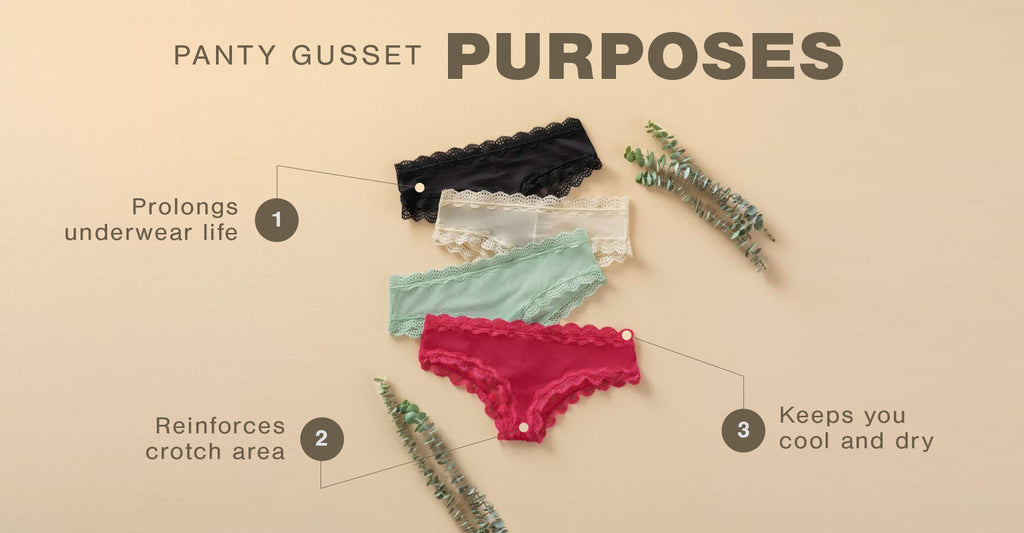
The “little pocket” is, in fact, the gusset lining, a crucial piece of fabric sewn into the crotch area of underwear. Its design is not accidental but a deliberate choice driven by specific health and comfort considerations. Brands integrate this feature to meet fundamental user needs, underscoring their commitment to wearer well-being.
Hygiene and Comfort: The Primary Purpose
The foremost reason for the gusset lining is hygiene. The female anatomy benefits from breathable fabrics in intimate areas to prevent moisture buildup, which can lead to bacterial or yeast infections. Most underwear brands strategically select materials for the gusset that are naturally absorbent and breathable, such as 100% cotton. This natural fiber allows air circulation, wicks away moisture, and creates a healthy microclimate against the skin, significantly reducing the risk of irritation and infection. For brands, this choice is not merely about comfort but about delivering a health-conscious product that fosters trust and loyalty.
The comfort aspect is equally vital. The gusset provides an extra layer of softness and protection in a sensitive area. It minimizes friction between the skin and the garment’s seams or less breathable synthetic materials used in the main body of the underwear. A well-designed gusset ensures a smooth, irritation-free experience, which is paramount for consumer satisfaction and repeated purchases in the competitive intimate apparel market. Brands that prioritize these functional aspects signal a deep understanding of their target demographic’s needs.
Material Science and Breathability
The selection of fabric for the gusset lining is a testament to material science in design. While the outer body of panties might feature intricate lace, smooth synthetics like nylon or spandex for stretch and aesthetic appeal, or luxurious silks, the inner gusset typically adheres to strict material requirements. Cotton is overwhelmingly preferred due to its hypoallergenic properties, softness, and superior breathability. Some innovative brands might explore bamboo or modal blends for their enhanced moisture-wicking and eco-friendly attributes, showcasing a brand’s commitment to sustainability alongside performance.
The practice of sewing the gusset with one end intentionally unattached, creating the “pocket” effect, is primarily a manufacturing efficiency. It allows for easier and more seamless production, preventing bulkiness and maintaining the garment’s overall stretch and shape. Fully enclosing the gusset would require more complex stitching, potentially leading to discomfort, reduced flexibility, or a less smooth finish. This production choice, while creating a minor visual curiosity, optimizes both manufacturing processes and wearer comfort, demonstrating an intelligent balance between design aesthetics, functionality, and operational practicality.
Evolution of Intimate Apparel Design and Brand Strategy
The design of underwear has evolved significantly over centuries, reflecting changes in fashion, societal norms, and an ever-increasing focus on health and comfort. The modern gusset is a product of this evolution, demonstrating how brands adapt and innovate to meet contemporary demands.
Historical Context of Undergarments
Historically, undergarments served varied purposes, from modesty to shaping the body beneath outer clothing. Early forms of “knickers” or “drawers” were often simple, loose-fitting garments made from natural fibers, with little attention paid to specific anatomical design for hygiene beyond general coverage. As fashion became more fitted and women’s roles changed, undergarments became more tailored. The rise of industrialized manufacturing in the 19th and 20th centuries allowed for greater consistency and refinement in design. The integration of a dedicated gusset became standard as understanding of intimate hygiene improved and consumer demand for comfort grew, solidifying its place as a non-negotiable design feature for reputable brands.
Brands that have stood the test of time in the intimate apparel sector, from heritage labels to modern disruptors, have consistently adapted their designs to incorporate advancements in fabric technology and ergonomic understanding. The gusset’s evolution reflects this journey, moving from a simple sewn patch to a meticulously designed and strategically positioned component. This continuous improvement in product design is a hallmark of strong brand strategy, signaling a forward-thinking approach to consumer needs.
Modern Design Innovations and Consumer Demands
Today, consumer demands extend beyond basic hygiene and comfort to include sustainability, diverse sizing, and inclusive aesthetics. Brands are responding by innovating not only in the main body of the underwear but also in the gusset. This includes exploring antimicrobial treatments for fabrics, designing gussets that extend further for enhanced leak protection in period underwear, or using eco-certified organic cotton. These innovations are critical for brands looking to differentiate themselves in a crowded market.

Modern design also considers the varying preferences of consumers. While some prefer the classic cotton gusset, others might seek seamless designs where the gusset integrates almost invisibly, or gussets made from performance fabrics for activewear. Each design choice allows a brand to target specific lifestyle segments, building a diversified product portfolio that appeals to a broader audience while maintaining the core principles of comfort and health. This strategic segmentation through design is a powerful branding tool.
Brand Implications: Trust, Comfort, and Differentiation
In the competitive landscape of fashion and intimate apparel, thoughtful design is a powerful brand differentiator. The presence and quality of the gusset lining, though often unseen, speak volumes about a brand’s commitment to its customers.
Building Brand Loyalty Through Thoughtful Design
For consumers, comfort and hygiene are non-negotiable when it comes to intimate wear. A brand that consistently delivers on these fronts through superior design — including the choice and construction of the gusset — builds significant trust and loyalty. When a consumer experiences comfort, breathability, and a lack of irritation, they subconsciously attribute these positive feelings to the brand. This positive association leads to repeat purchases and word-of-mouth recommendations, which are invaluable for brand growth.
Conversely, a poorly designed gusset, or one made from inferior materials, can quickly erode brand trust. Scratchy fabrics, inadequate breathability, or an ill-fitting design can cause discomfort or health issues, leading to consumer dissatisfaction and a damaged brand reputation. Therefore, the “little pocket” is not just a functional detail; it is a critical touchpoint where a brand’s commitment to quality and user experience is tested and affirmed. Brands like Calvin Klein, Victoria’s Secret, and independent sustainable labels all understand that the core user experience, even in intimate details, defines their perceived value.
Marketing the Unseen: Communicating Design Value
While the gusset itself isn’t a flashy marketing feature, brands subtly communicate its value through their overall messaging around comfort, health, and quality. Packaging might highlight “100% cotton gusset,” or product descriptions will detail the breathable and hypoallergenic properties of the chosen materials. Marketing campaigns can emphasize “all-day comfort” or “designed for your well-being,” implicitly referencing the benefits derived from thoughtful design elements like the gusset.
For brands focusing on health and wellness, or those promoting natural and organic products, the gusset becomes a tangible representation of their ethos. It allows them to demonstrate, rather than just claim, their dedication to consumer health and environmental responsibility. By consistently integrating high-quality, health-conscious design features, brands elevate their corporate identity and carve out a distinct position in the market. The ability to articulate the value of even the most understated design elements can transform a mere product into a brand experience that resonates deeply with its target audience.
Manufacturing and Quality Control in Intimate Apparel
The journey of the “little pocket” from design concept to finished product involves rigorous manufacturing processes and stringent quality control, crucial for maintaining brand standards and consumer safety.
Precision in Intimate Apparel Production
Manufacturing intimate apparel demands exceptional precision. The sewing of the gusset, for instance, requires specialized machinery and skilled labor to ensure it is securely attached, lies flat, and does not create uncomfortable seams or bulges. The slight overlap or unattached edge of the gusset is a deliberate manufacturing technique that allows for easier fabric manipulation during assembly, particularly when working with elasticized edges and delicate materials. This method not only streamlines production but also often results in a smoother, more comfortable finish for the wearer by avoiding multiple bulky seams in a sensitive area.
For brands, investing in advanced manufacturing technologies and training ensures consistency in product quality. This consistency is vital for building a reliable brand image. A defect in the gusset, no matter how minor, can lead to discomfort, product returns, and ultimately, a tarnished brand reputation. Therefore, brands often partner with manufacturers who have a proven track record in intricate garment construction, emphasizing quality control at every stage.

Sustainability and Ethical Sourcing in Design
Beyond functional quality, modern brands are increasingly scrutinizing the ethical and sustainable aspects of their production processes, including the sourcing of materials for elements like the gusset. Consumers are more informed and demand transparency. Brands that commit to using organic cotton for their gussets, ensuring fair labor practices in their factories, or adopting circular design principles, are not just creating better products but also building stronger, more reputable brands.
This commitment to ethical sourcing and sustainable production becomes a core part of a brand’s identity and value proposition. It resonates with a growing segment of environmentally conscious consumers, offering a compelling reason to choose one brand over another. The “little pocket,” therefore, is not merely a piece of fabric; it represents a confluence of design innovation, manufacturing precision, ethical considerations, and strategic branding, all aimed at delivering a superior product experience. It underscores that in product design, every detail carries significant weight in shaping a brand’s narrative and consumer perception.
aViewFromTheCave is a participant in the Amazon Services LLC Associates Program, an affiliate advertising program designed to provide a means for sites to earn advertising fees by advertising and linking to Amazon.com. Amazon, the Amazon logo, AmazonSupply, and the AmazonSupply logo are trademarks of Amazon.com, Inc. or its affiliates. As an Amazon Associate we earn affiliate commissions from qualifying purchases.