
In the realm of digital chemistry education and molecular modeling software, understanding the fundamental architecture of matter is the first step toward mastering computational molecular dynamics. Whether you are utilizing advanced simulation tools like ChemDraw, PyMOL, or open-source molecular visualization apps, the Lewis dot structure serves as the foundational “user interface” for understanding molecular bonding. For nitrogen gas (N2), this representation is not merely an academic exercise; it is a vital concept for software developers working on chemical modeling algorithms and educational tech platforms aimed at streamlining STEM learning.
The Principles of Molecular Modeling and Electron Configuration
Before visualizing the N2 molecule through an interface, one must understand the underlying digital and physical logic of electron distribution. In the software development cycle for molecular simulators, the application must adhere to the Octet Rule—the primary constraint that dictates how atoms achieve stability.

The Significance of Valence Electrons
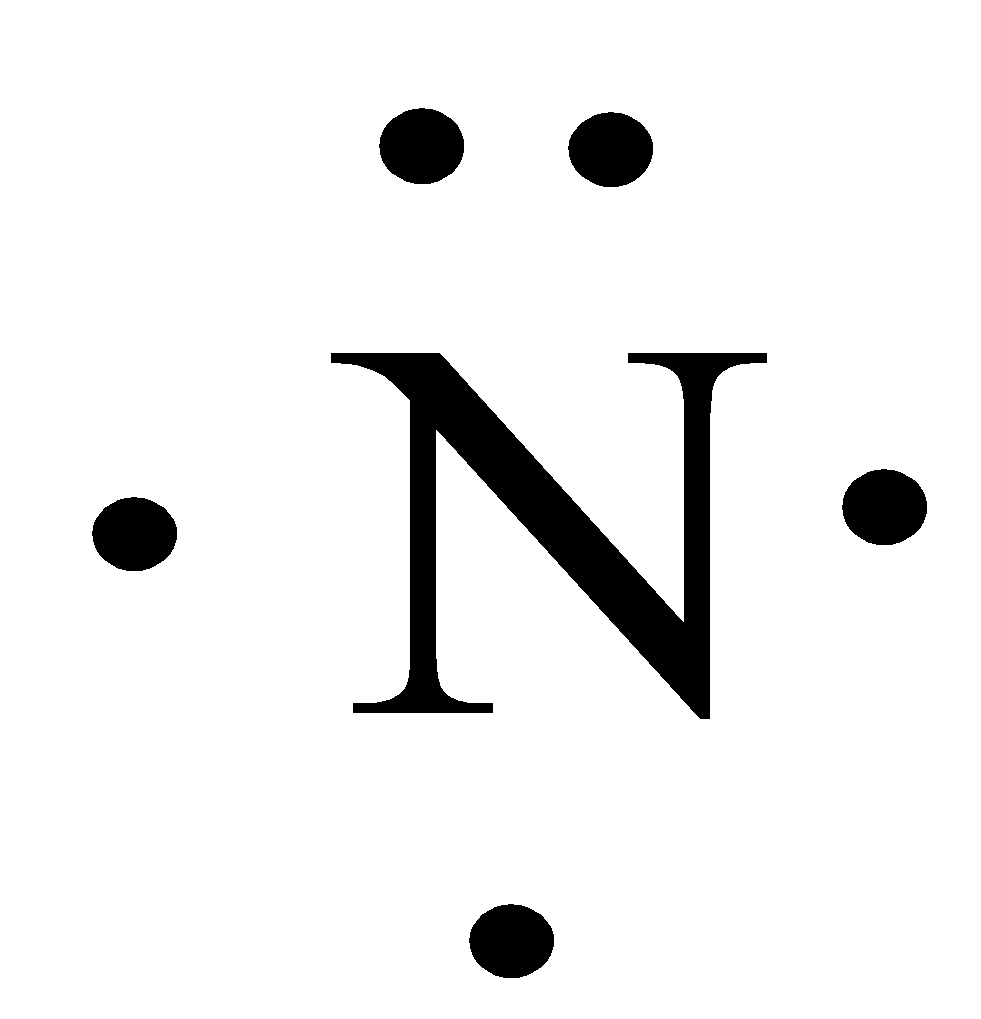
To construct the Lewis structure for N2, we begin with the atomic data. Nitrogen, located in Group 15 of the periodic table, possesses five valence electrons. When two nitrogen atoms bond to form a molecule of N2, the total valence electron count is ten (5 from each atom). In computational modeling, the “total valence count” is the primary input variable required to initialize the bond-mapping algorithm.
Adhering to the Octet Rule
The primary objective of any molecular assembly is the attainment of a stable, full valence shell, which usually consists of eight electrons. For nitrogen, which starts with five, the target is to share enough electrons to reach that magic number of eight. When designing an educational interface for students, this is represented by the “pairing” of dots or the drawing of lines between symbols—a feature commonly found in drag-and-drop chemistry platforms that helps users visualize energy minimization.
Mapping the N2 Bond Architecture
The transition from individual atoms to a bonded molecule requires a systematic approach to structure formation. In technical terms, this is a process of minimizing potential energy.
Step-by-Step Visualization
The process begins by placing two nitrogen symbols (N) side-by-side. If you are developing a software module to teach this, you would prompt the user to place the five valence dots around each atom. When these atoms approach each other in a simulation environment, the software calculates the most efficient way to share electrons to satisfy the octet requirement.
By sharing three electrons from each atom, both nitrogens reach an octet (2 lone electrons + 6 shared electrons = 8). This creates a triple bond, the hallmark of nitrogen’s chemical stability. For data visualization tools, this triple bond is represented by three lines connecting the atoms, indicating high electron density between the two nuclei.
The Role of Lone Pairs
It is critical that software interfaces accurately reflect the “lone pairs”—the electrons not involved in the actual bond. In the N2 molecule, after the triple bond is formed, each nitrogen atom retains one pair of non-bonding electrons. In professional-grade simulation software, these lone pairs are often represented as spheres or cloud densities, as their spatial orientation is crucial for predicting how N2 will interact with other molecules or surfaces during gas-phase chemical reactions.
Implications for Computational Chemistry and Software Integration
The Lewis structure of N2 is more than just a classroom diagram; it is a model used in the back-end architecture of various scientific and technological tools.
Molecular Mechanics and Force Fields
Modern molecular modeling software relies on these structures to determine force fields. Because N2 is a triple-bonded, non-polar molecule, its behavior in high-pressure simulations is distinct from single-bonded gases. Developers of digital simulation platforms must program these constraints into the core engine so that the software accurately predicts properties such as viscosity, diffusivity, and boiling point. If a developer misrepresents the bonding order in the source code, the entire downstream physical simulation becomes inaccurate.
STEM Education and UX Design
From a UX (User Experience) perspective, the challenge in teaching Lewis structures via digital apps lies in interactivity. Effective platforms use “input-validation” logic: the software does not allow the user to finalize the N2 structure until they have correctly mapped the triple bond and the corresponding lone pairs. By gamifying this chemistry concept, educational tech companies are bridging the gap between abstract quantum mechanics and tangible digital learning. These applications utilize sophisticated validation engines that check for valence count, formal charge balance, and geometry constraints—all rooted in the basic Lewis dot structure.
Practical Applications of N2 Molecular Modeling
The utility of understanding the N2 structure extends to industrial software applications, particularly in gas storage and semiconductor manufacturing, where N2 is used as an inert purge gas.
Industrial Simulation Requirements
In high-tech manufacturing, such as the production of silicon wafers for microchips, the precise density and behavior of nitrogen gas are monitored via software suites that track molecular collisions. These suites use the Lewis structure as the baseline for calculating molecular interaction parameters. If the software model fails to acknowledge the triple-bond stability of N2, the resulting simulations for plasma etching or thermal processing would be flawed, leading to defective products.
Future Trends in Molecular Visualization
As AI-driven tools evolve, we are seeing a shift toward automated structure generation. Artificial Intelligence can now predict the Lewis structure of complex molecules by analyzing atomic data and minimizing electronic energy. For the nitrogen molecule, this process is instantaneous, but for more complex organic compounds, AI-driven software acts as a “co-pilot” for chemists. By feeding the fundamental rules of the Lewis dot structure into a machine learning model, tech companies are creating tools that allow researchers to simulate chemical reactions in a virtual environment before ever entering a physical laboratory.

Conclusion
The Lewis dot structure for N2 is a perfect case study for the intersection of chemistry and digital technology. Whether one is building an application to teach high school students, coding a high-performance simulation engine for industrial applications, or developing AI tools to predict molecular behavior, the underlying logic remains the same: balance the valence electrons, satisfy the octet rule, and visualize the bonds accurately. Nitrogen’s triple bond stands as an enduring example of chemical stability, and by codifying these principles into our technological tools, we continue to push the boundaries of what is possible in computational science and digital education. Mastery of these structures allows for more robust software, more intuitive learning interfaces, and ultimately, a better understanding of the molecular fabric that powers our technological world.
aViewFromTheCave is a participant in the Amazon Services LLC Associates Program, an affiliate advertising program designed to provide a means for sites to earn advertising fees by advertising and linking to Amazon.com. Amazon, the Amazon logo, AmazonSupply, and the AmazonSupply logo are trademarks of Amazon.com, Inc. or its affiliates. As an Amazon Associate we earn affiliate commissions from qualifying purchases.