
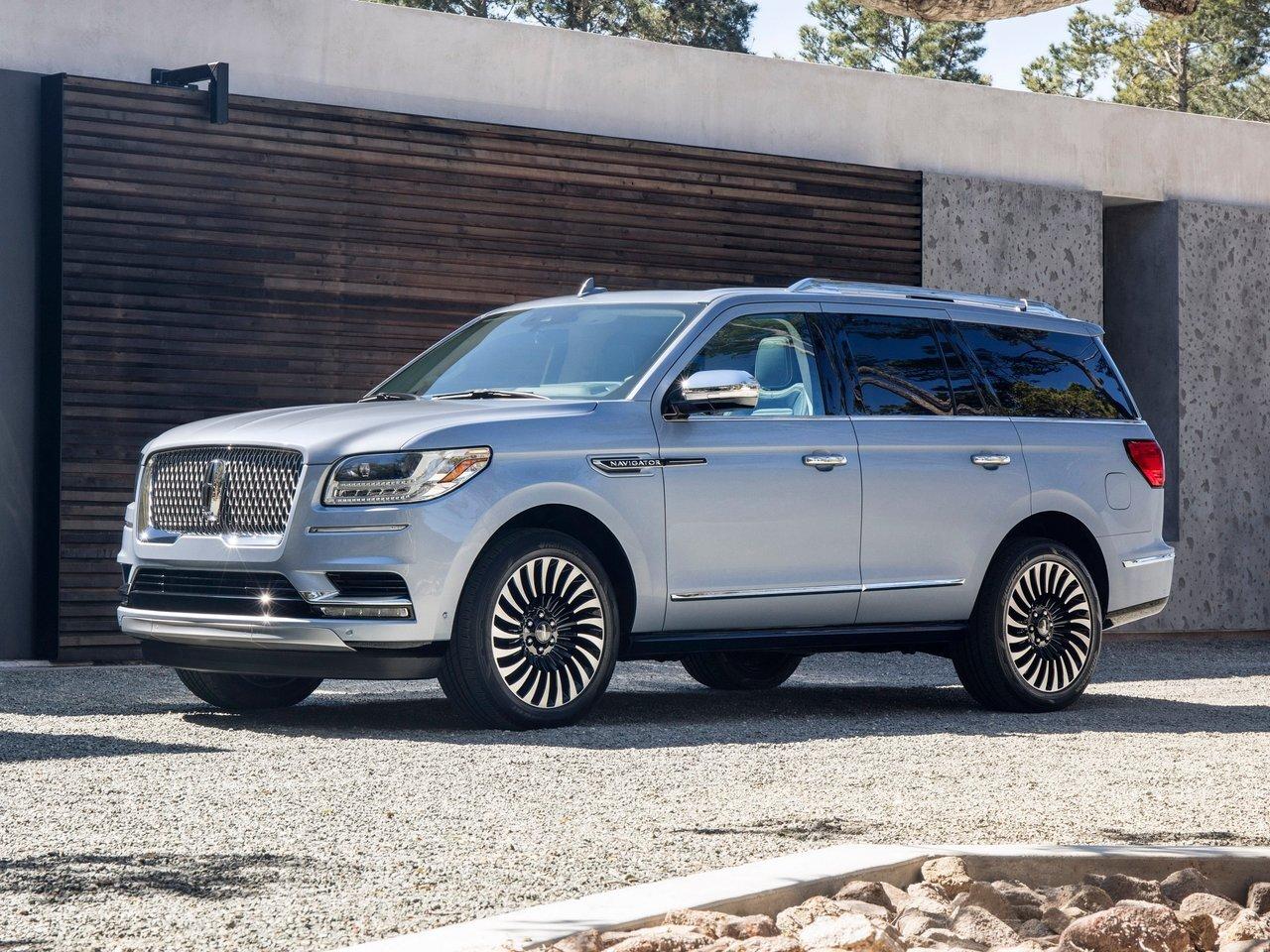
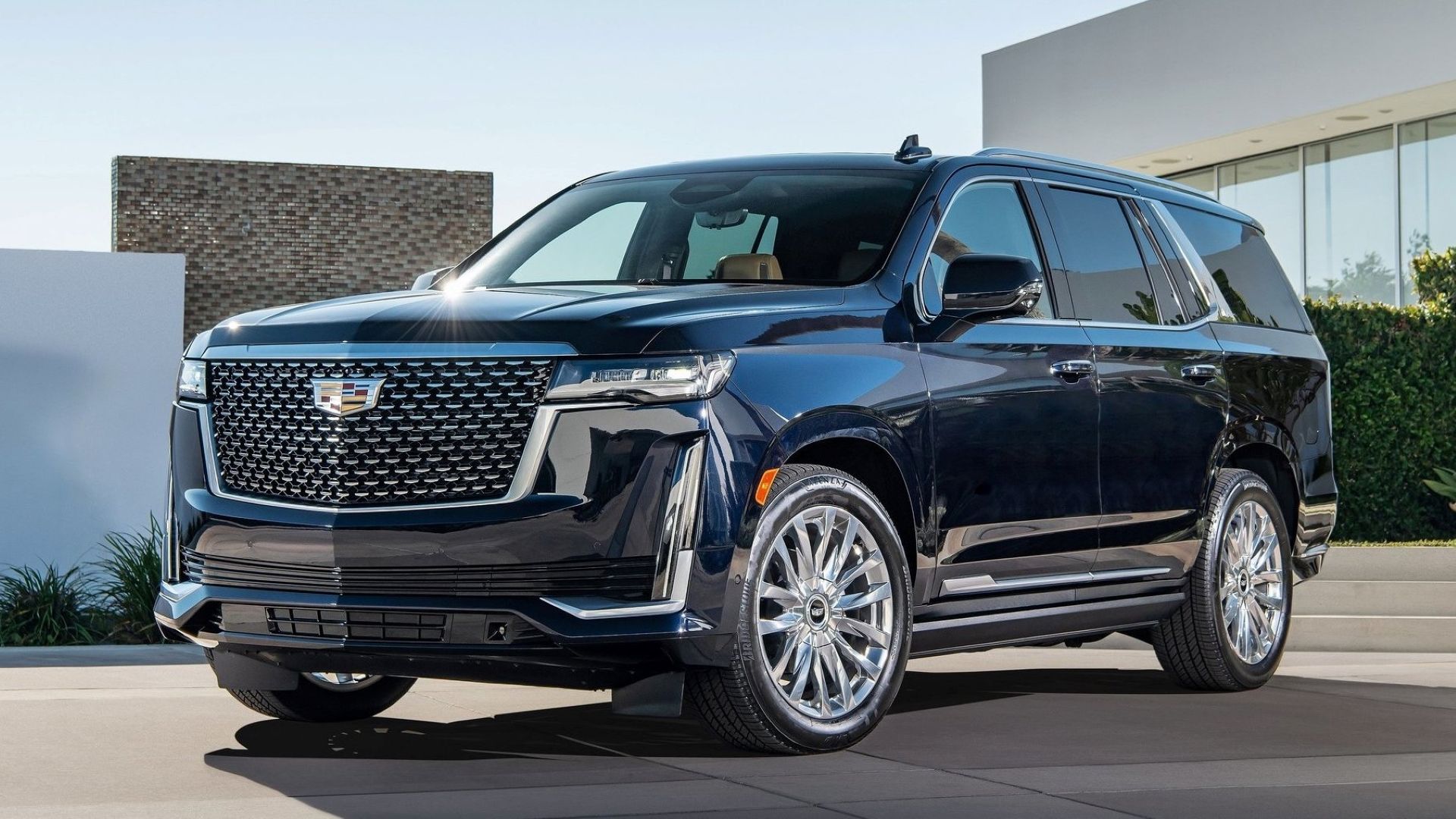
In the automotive world, the “largest SUV” was once a title determined solely by physical dimensions and the displacement of a heavy internal combustion engine. However, in the current era of rapid digital transformation, the definition of a large SUV has shifted. Today, the largest vehicles on the road—behemoths like the Cadillac Escalade IQ, the GMC Hummer EV, and the Mercedes-Benz EQS SUV—are no longer just transport vessels; they are the most sophisticated mobile data centers in existence.
For the modern tech enthusiast, the largest SUVs represent the pinnacle of “Software-Defined Vehicles” (SDVs). These platforms serve as the primary testing grounds for high-performance computing, advanced sensor fusion, and high-density battery chemistry. As we analyze what makes these vehicles the largest, we must look beyond the wheelbase and delve into the silicon, the code, and the electrical architectures that make such scale possible.
Structural Intelligence and Materials Science
The primary challenge of building the world’s largest SUVs is the “vicious cycle of weight.” In traditional engineering, a larger frame requires a larger engine, which requires a larger fuel tank and heavier suspension, further increasing the weight. Tech-driven materials science has finally broken this cycle, allowing manufacturers to create massive footprints without compromising structural integrity or efficiency.
High-Strength Multi-Material Assemblies
Modern large SUVs utilize a complex mix of ultra-high-strength steel, 6000-series aluminum alloys, and carbon-fiber-reinforced polymers (CFRP). For instance, the transition to aluminum-intensive architectures in full-size SUVs has allowed for a weight reduction of up to 700 pounds in some models. This “lightweighting” tech is crucial because it creates a “mass buffer” that engineers can fill with advanced tech hardware—such as 40-speaker audio systems, panoramic screens, and massive battery packs—without exceeding gross vehicle weight ratings.
Adaptive Chassis Tech and Digital Dampening
Managing the physics of a 6,000-pound vehicle requires more than just heavy-duty springs. The largest SUVs now employ predictive suspension technology. Using forward-looking cameras and LiDAR, these vehicles scan the road surface 1,000 times per second. The onboard computer processes this data to adjust electronic dampers before the tire even hits a pothole. This “Magic Body Control” or “e-Active Body Control” is a feat of real-time edge computing, ensuring that the sheer mass of the vehicle remains stable during high-speed maneuvers.
The Silicon Command Center: Software-Defined Architectures
The most significant technological shift in large SUVs is the move away from dozens of small, isolated Electronic Control Units (ECUs) toward a centralized “zonal” architecture. In these modern giants, a few high-performance computers—often powered by NVIDIA Drive or Qualcomm Snapdragon Ride platforms—manage everything from cabin climate to autonomous driving.
The Rise of Pillar-to-Pillar Displays
When you step into the largest SUVs today, you are greeted by what the industry calls the “Hyperscreen” or “Pillar-to-Pillar” display. These OLED screens can span over 55 inches across the dashboard. The tech behind these displays involves sophisticated local dimming zones to ensure high contrast without distracting the driver at night. Furthermore, these screens are powered by discrete GPUs capable of rendering 3D gaming-grade graphics for navigation and passenger entertainment, effectively turning the SUV into a mobile theater.
Over-the-Air (OTA) Updates and Fleet Learning
The “largest” SUV is now a living product. Through OTA technology, manufacturers can push firmware updates that improve battery efficiency, unlock more horsepower, or refine the autonomous braking algorithms. This connectivity relies on 5G integration and advanced cybersecurity protocols. For the tech-savvy consumer, the vehicle’s value is increasingly tied to its software roadmap rather than its physical age. Large SUVs, with their premium price points, are the first to receive these “feature-on-demand” updates, setting the standard for the rest of the industry.
Electrification and the Challenge of Energy Density

The race for the largest SUV has transitioned into a race for the largest battery capacity. Electrifying a vehicle of this size presents a unique set of thermal and chemical engineering challenges. To move a three-row SUV with any degree of performance, the energy requirements are immense, leading to the development of massive battery architectures.
800-Volt Architectures and Ultra-Fast Charging
To make a large SUV practical, “slow” charging is not an option. The latest tech in this segment focuses on 800-volt electrical systems. This allows for charging speeds of up to 350kW, enabling a massive vehicle to gain 100 miles of range in just 10 minutes. This involves complex liquid-cooling systems that manage the heat generated by such high-speed energy transfer. The “tech” of the largest SUV is found in the chemistry of the cells—moving toward silicon-anode or solid-state batteries to increase energy density while reducing the physical footprint of the battery pack.
Tri-Motor and Quad-Motor Torque Vectoring
Size often comes at the expense of agility, but technology is bridging that gap. The largest electric SUVs often utilize three or four independent electric motors. Through sophisticated software algorithms, the vehicle can deliver different amounts of torque to each individual wheel in milliseconds. This digital torque vectoring allows a 17-foot-long SUV to navigate tight corners with the agility of a much smaller vehicle. It is a triumph of software over physics, using code to mask the inherent bulk of the machine.
Advanced ADAS and the Perception Stack
The larger the vehicle, the larger the blind spots and the higher the stakes for safety. Consequently, the largest SUVs are equipped with the most comprehensive “perception stacks” in the automotive world. These systems are designed to create a 360-degree digital cocoon around the vehicle.
LiDAR and Redundant Sensor Suites
While some manufacturers rely on cameras alone, the largest luxury SUVs are increasingly integrating LiDAR (Light Detection and Ranging). By pulsing laser beams and measuring the return time, the SUV’s computer builds a precise 3D map of its surroundings. When combined with long-range radar and high-resolution cameras, this tech enables “Level 3” autonomous driving in specific conditions. The processing power required to fuse these data streams in real-time is equivalent to several high-end gaming PCs working in tandem.
V2X: Vehicle-to-Everything Communication
As we look toward the future of large-scale transport, V2X technology is becoming a focal point. Large SUVs are beginning to act as communication hubs, “talking” to traffic lights, smart road signs, and other vehicles. This tech reduces the “latency” of human reaction. If a car three vehicles ahead slams on its brakes, the large SUV receives a digital signal and initiates braking before the driver even sees the hazard. This connectivity is essential for managing the momentum of large vehicles in dense urban environments.
The Future of the “Largest” SUV: Toward Ambient Intelligence
The trajectory of SUV technology suggests that “largest” will soon refer to the size of the digital ecosystem rather than the car’s physical volume. We are moving toward “Ambient Intelligence,” where the vehicle’s interior tech predicts the needs of the occupants.
Artificial Intelligence (AI) will soon manage cabin environments using biometric sensors. Imagine an SUV that detects a driver’s rising stress levels via heart-rate sensors in the steering wheel and automatically adjusts the ambient lighting, scent, and seat massage functions. This is the new frontier for large-format vehicles: using their ample interior space to create a curated, high-tech sanctuary.
Furthermore, the integration of Augmented Reality (AR) head-up displays is transforming the windshield into a transparent screen. Navigation cues are overlaid directly onto the road, highlighting lanes and hazards in real-time. For a large vehicle, this tech is a game-changer, simplifying the task of navigating a massive machine through complex environments.
In conclusion, the quest for the “largest SUV” has evolved into a showcase of technological mastery. The physical size is merely a canvas for the industry’s most ambitious innovations. From the silicon chips governing their neural networks to the 800-volt systems powering their movement, these vehicles are the ultimate gadgets. They prove that in the modern age, true scale is measured not in inches, but in teraflops, kilowatt-hours, and lines of code. As we look forward, the largest SUVs will continue to be the vanguard of the tech world, bringing the future of mobility to the road one gigabyte at a time.
aViewFromTheCave is a participant in the Amazon Services LLC Associates Program, an affiliate advertising program designed to provide a means for sites to earn advertising fees by advertising and linking to Amazon.com. Amazon, the Amazon logo, AmazonSupply, and the AmazonSupply logo are trademarks of Amazon.com, Inc. or its affiliates. As an Amazon Associate we earn affiliate commissions from qualifying purchases.