
The question “What is the largest rainforest on Earth?” often elicits a single, resounding answer: the Amazon. Spanning approximately 6.7 million square kilometers across nine South American countries—primarily Brazil, Peru, and Colombia—the Amazon rainforest is an ecological titan, home to an unparalleled diversity of life and a critical regulator of global climate. However, beyond its breathtaking biodiversity and vital environmental role, the Amazon represents an asset of immeasurable and often underestimated economic value. Understanding this “natural capital” is crucial for investors, policymakers, businesses, and individuals who recognize that the health of the planet’s largest rainforest is intrinsically linked to global financial stability and sustainable prosperity.
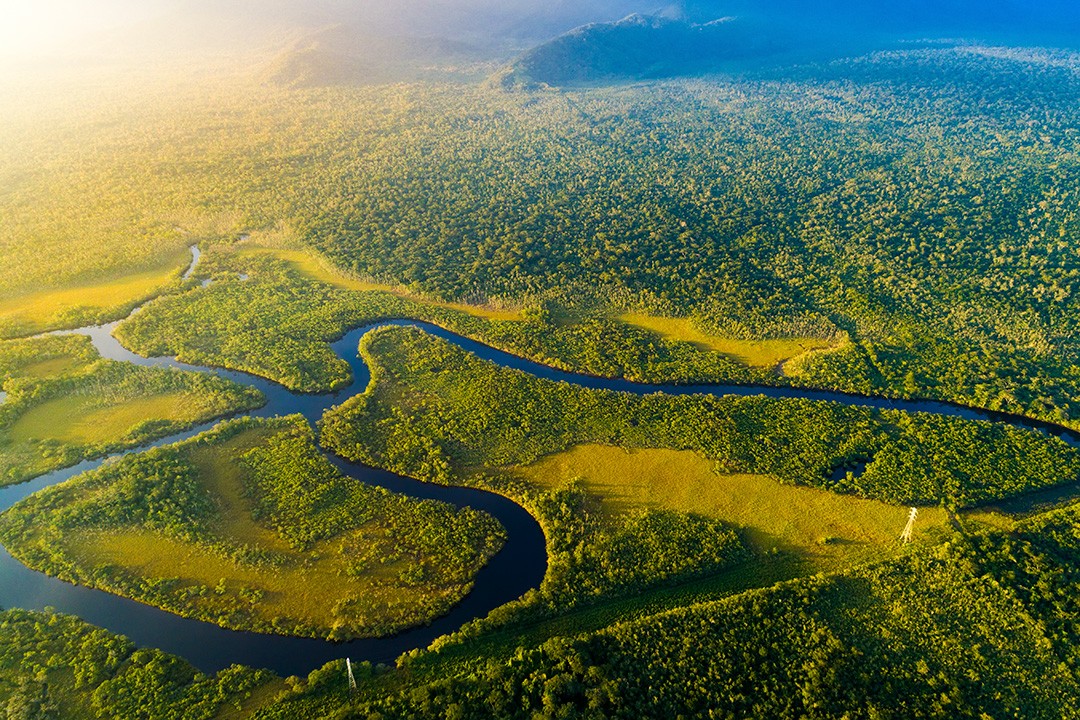
This article delves into the Amazon’s identity as the world’s largest rainforest and, more importantly, explores its profound economic significance, dissecting its value as natural capital, the burgeoning investment opportunities it presents, the financial risks associated with its degradation, and the innovative financial strategies required for its long-term preservation.
The Amazon: An Unparalleled Global Asset with Tangible Economic Worth
The Amazon is not merely a vast expanse of trees; it is a complex, self-sustaining ecosystem that provides a myriad of “ecosystem services”—benefits that nature provides to humanity—which, when quantified, reveal an astounding economic value. Its sheer scale and biological richness position it as a unique global asset, one whose intrinsic worth far surpasses simple commodity valuations.
Measuring Nature’s Wealth: Beyond Biodiversity Counts
While the Amazon’s reputation as a biodiversity hotspot is well-deserved, hosting an estimated 10% of the world’s known species, its economic contribution extends far beyond its biological inventory. The true wealth of the Amazon lies in its ability to regulate global climate patterns, produce oxygen, absorb vast amounts of carbon dioxide, and maintain hydrological cycles that impact weather systems far beyond its borders. These functions, though often taken for granted, represent critical services that underpin global agriculture, water security, and human health, all of which have direct economic impacts. Attempts to assign a monetary value to these services consistently yield figures in the trillions of dollars annually, dwarfs the value derived from extractive industries.
For instance, the carbon sequestration services alone—the Amazon’s role as a carbon sink—are invaluable in mitigating climate change, a crisis that threatens economies worldwide with extreme weather events, sea-level rise, and resource scarcity. The cost of replacing these services through technological solutions would be astronomical, highlighting the Amazon’s irreplaceable role as a natural financial buffer against climate catastrophe.
Ecosystem Services as Economic Drivers
Beyond carbon sequestration, the Amazon provides essential hydrological services. It influences rainfall patterns across South America, supporting agriculture and freshwater supplies for millions. The “flying rivers”—massive air currents laden with moisture evaporated from the rainforest—transport water vapor thousands of kilometers, nourishing other biomes and agricultural heartlands. The disruption of these patterns due to deforestation can lead to droughts, crop failures, and increased food prices, directly impacting national economies and global supply chains.
Furthermore, the Amazon is a vast genetic library, a source of potential new medicines, food crops, and industrial materials. Bioprospecting—the search for commercially valuable chemical compounds or genetic material from living things—represents a nascent but potentially lucrative industry. Investing in sustainable bioprospecting initiatives could unlock immense value, providing new income streams while simultaneously incentivizing conservation. The long-term economic gains from these nature-based solutions far outweigh the short-term profits often associated with deforestation and unsustainable resource extraction.
Investing in Green Gold: Opportunities in Sustainable Development
Recognizing the Amazon’s colossal economic value shifts the narrative from mere preservation to strategic investment. A growing segment of the financial world views the rainforest not as a barrier to development, but as a fertile ground for sustainable economic models that align profit with planetary health. This emerging “green economy” offers diverse opportunities for impact investors, corporations, and governments.
Carbon Markets and Conservation Finance
The development of robust carbon markets offers a direct financial mechanism for valuing the Amazon’s carbon sequestration capabilities. Projects that prevent deforestation or reforest degraded areas can generate carbon credits, which can be purchased by companies or countries to offset their emissions. This creates a financial incentive for conservation, turning standing forests into economically valuable assets. Impact investing funds, private equity firms, and even sovereign wealth funds are increasingly exploring opportunities in conservation finance, seeking returns not only in monetary terms but also in positive environmental and social outcomes. These financial tools allow capital to flow directly into preserving the rainforest, linking global climate goals with local economic development.
Ecotourism and Sustainable Agri-Business Ventures
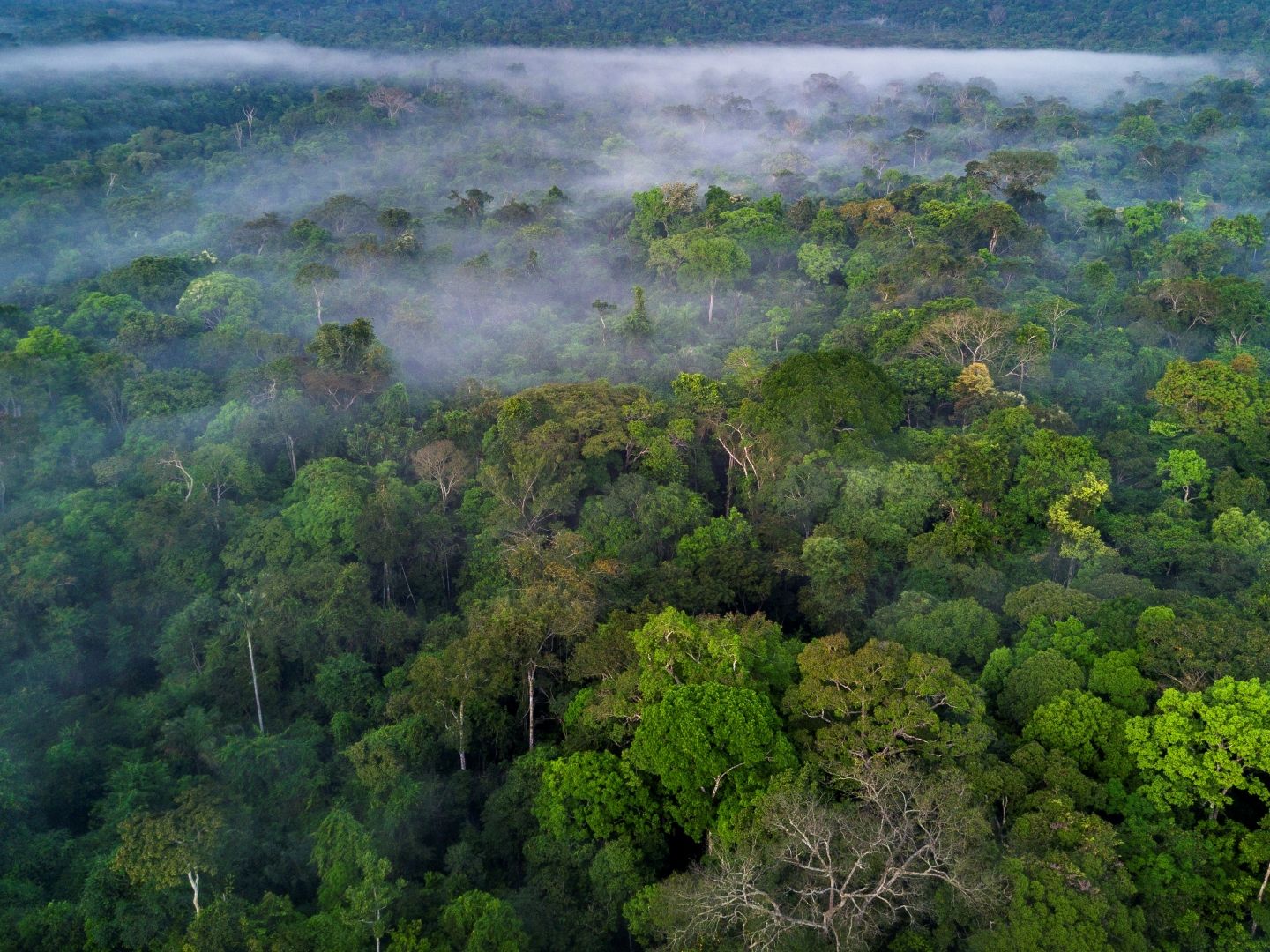
The Amazon’s natural beauty and cultural richness make it an ideal destination for ecotourism. Investing in low-impact, community-based tourism initiatives can provide sustainable income for local populations, discouraging destructive practices while raising global awareness of the rainforest’s value. Beyond tourism, sustainable agri-business ventures—such as fair-trade production of açaí, Brazil nuts, and rubber, or certified sustainable timber—offer pathways for economic growth that do not necessitate deforestation. These businesses, often supported by microfinance and ethical investment funds, create stable jobs, empower local communities, and supply global markets with responsibly sourced products, meeting growing consumer demand for ethical goods.
The Role of Impact Investing
Impact investing, which seeks to generate both financial return and positive social or environmental impact, is particularly well-suited for the Amazon. Funds are directed towards enterprises that promote sustainable land use, develop renewable energy solutions for remote communities, support indigenous entrepreneurship, or invest in ecological restoration projects. This approach ensures that financial capital is a force for good, driving innovation and fostering resilience in a region historically vulnerable to exploitation. The long-term financial returns from these investments are increasingly recognized as stable and competitive, attracting a broader spectrum of investors looking for purpose-driven portfolios.
The Price of Destruction: Financial Risks and Lost Capital
While the economic opportunities are compelling, the financial risks associated with the Amazon’s continued degradation are equally stark. Deforestation, illegal mining, and unsustainable agricultural expansion not only cause irreversible environmental damage but also pose significant financial threats to businesses, investors, and national economies worldwide.
Supply Chain Vulnerabilities and Corporate Responsibility
Many global corporations have supply chains that are directly or indirectly linked to the Amazon, particularly in sectors like beef, soy, timber, and mining. Deforestation-linked products carry reputational risks, legal liabilities, and market access challenges. Consumers and investors are increasingly demanding transparency and sustainability, making companies with unsustainable practices vulnerable to boycotts, divestment campaigns, and regulatory penalties. Financial institutions are also scrutinizing their portfolios, assessing the “stranded asset” risk in companies exposed to deforestation or climate-related liabilities. Businesses failing to adapt their sourcing and production to sustainable models face potentially devastating financial consequences, including reduced market value and loss of investor confidence.
Climate Change Costs and Sovereign Risk
The Amazon’s health is inextricably linked to global climate stability. Its destruction accelerates climate change, leading to increased frequency and intensity of extreme weather events globally, which inflict massive economic costs—damaging infrastructure, disrupting agriculture, and increasing insurance premiums. For Amazonian nations, the direct impacts of climate change—such as more frequent droughts or floods—can devastate local economies, strain public finances, and contribute to social instability. Furthermore, countries with poor environmental governance or high rates of deforestation may face higher sovereign risk premiums, impacting their ability to attract foreign investment or borrow on international markets. The long-term economic stability of these nations is directly tied to the fate of their rainforests.
Policy, Finance, and the Future of the Rainforest Economy
Securing the Amazon’s future as a vital global asset requires a concerted effort involving innovative financial instruments, robust policy frameworks, and international cooperation. The global financial system must evolve to properly value natural capital and channel investments towards sustainable development.
Innovative Financial Instruments for Preservation
Beyond traditional carbon credits, new financial instruments are emerging. “Green bonds” and “blue bonds” specifically fund environmental projects, including forest protection and restoration. Debt-for-nature swaps allow developing countries to reduce their foreign debt in exchange for committing to conservation programs. Payment for Ecosystem Services (PES) schemes directly compensate landowners or communities for protecting forests or maintaining critical ecosystem functions. These tools demonstrate a growing sophistication in conservation finance, moving beyond philanthropy to market-based solutions that can operate at scale.

International Cooperation and Sustainable Development Goals
Protecting the Amazon is a shared global responsibility. International financial institutions, multilateral development banks, and donor countries play a critical role in providing funding, technical assistance, and capacity building for sustainable development initiatives. Aligning national policies with the United Nations Sustainable Development Goals (SDGs), particularly those related to climate action, life on land, and partnerships for the goals, is essential. This includes strengthening environmental regulations, combating illegal deforestation, promoting secure land tenure for indigenous communities, and investing in scientific research to better understand and manage the rainforest’s complex ecosystems.
In conclusion, the Amazon is unequivocally the largest rainforest on Earth, but its significance extends far beyond its ecological boundaries. It is a cornerstone of global financial stability, a powerhouse of natural capital, and a frontier for sustainable investment. Ignoring its economic value or underestimating the financial risks of its destruction would be a perilous oversight. By embracing innovative financial strategies, fostering responsible business practices, and strengthening international cooperation, we can ensure that the Amazon continues to generate immense value—both ecological and economic—for generations to come, safeguarding a vital global asset and demonstrating that a healthy planet is the ultimate foundation for enduring prosperity.
aViewFromTheCave is a participant in the Amazon Services LLC Associates Program, an affiliate advertising program designed to provide a means for sites to earn advertising fees by advertising and linking to Amazon.com. Amazon, the Amazon logo, AmazonSupply, and the AmazonSupply logo are trademarks of Amazon.com, Inc. or its affiliates. As an Amazon Associate we earn affiliate commissions from qualifying purchases.