
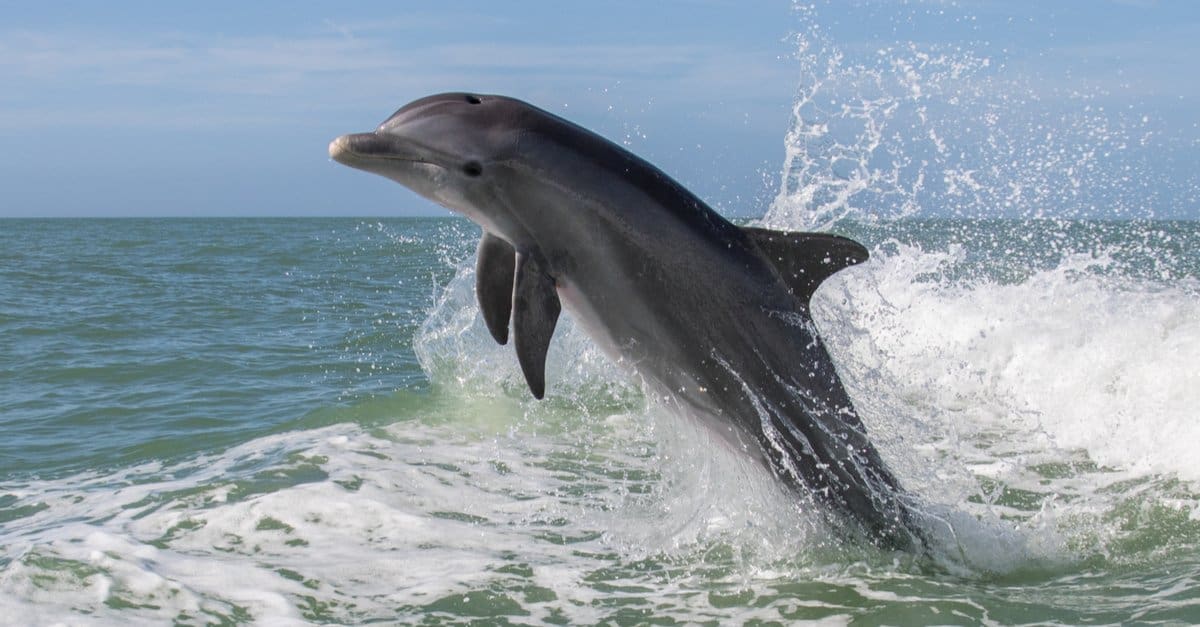
To the casual observer, the question of what is the largest dolphin has a biological answer: the Orcinus orca, or the killer whale. Reaching lengths of up to 32 feet and weighing over six tons, the orca is the undisputed titan of the Delphinidae family. However, for the modern technologist, researcher, and data scientist, the orca represents far more than a biological marvel. It represents one of the most complex data-gathering challenges on the planet. Mapping the behavior, communication, and migration of the world’s largest dolphin requires a sophisticated stack of technology, ranging from satellite-linked telemetry to deep-learning algorithms capable of decoding non-human languages.
Understanding these giants is no longer a matter of simple observation through binoculars. Today, the study of the orca is a high-tech frontier involving the Internet of Underwater Things (IoUT), autonomous robotics, and massive cloud-based datasets.
The Computational Challenge of Identifying the Ocean’s Apex Predator
Identifying individual orcas is the cornerstone of marine population dynamics. Historically, this was done through manual photo-identification—a painstaking process of comparing nicks and scars on dorsal fins. Today, this process has been revolutionized by computer vision and high-performance computing.
Computer Vision and Dorsal Fin Biometrics
The “fingerprint” of the largest dolphin is its dorsal fin and the “saddle patch” behind it. Modern research utilizes Convolutional Neural Networks (CNNs) to automate the identification process. These AI models are trained on hundreds of thousands of images, learning to recognize the unique contours and pigmentation patterns of individual orcas with accuracy rates that exceed human capabilities.
By leveraging frameworks like TensorFlow and PyTorch, developers have created platforms where a single photograph taken in the field can be instantly cross-referenced against a global database. This tech reduces the time required for identification from weeks to milliseconds, allowing researchers to track the movement of specific “resident” or “transient” pods in near real-time. The integration of edge computing also means that high-end cameras can now perform basic filtering and identification on-device, saving valuable bandwidth when transmitting data from remote research vessels.
Scaling Data for Global Identification Networks
The technical infrastructure supporting these AI models is immense. Platforms such as Happywhale use crowd-sourced imagery, which necessitates a robust back-end capable of handling massive throughput and unstructured data. Using cloud infrastructure, these platforms manage multi-terabyte libraries of high-resolution imagery. Through the use of automated metadata extraction, the system logs the GPS coordinates, time, and environmental conditions of every sighting, creating a comprehensive digital twin of orca populations worldwide. This marriage of big data and marine biology is essential for understanding how the largest dolphin adapts to changing oceanic climates.
Bioacoustics: Using AI to Listen to the Largest Dolphin
Orcas are highly social and rely on complex acoustic signals for hunting and social cohesion. Because they are the largest dolphins, their vocalizations are powerful, varied, and sophisticated. Deciphering these sounds requires advanced signal processing and machine learning techniques that bridge the gap between biology and linguistics.
Deep Learning and Acoustic Classification
Passive Acoustic Monitoring (PAM) involves deploying hydrophone arrays across the seabed to record the soundscapes of the ocean. The challenge is the “noise-to-signal” ratio; the ocean is a cacophony of container ships, seismic activity, and other marine life. To isolate the calls of the orca, researchers employ deep learning models specifically designed for audio classification.
Recurrent Neural Networks (RNNs) and Long Short-Term Memory (LSTM) networks are particularly effective here, as they are designed to process sequential data. These models can distinguish between the distinct “dialects” of different orca pods. By analyzing the frequency, duration, and pulse rate of the calls, AI can identify not just the species, but the specific pod and the behavior they are engaging in—whether it is coordinated hunting or social play.
Real-Time Monitoring and Mitigation Systems
One of the most significant technological applications in this field is the development of real-time acoustic alert systems. In busy shipping lanes, such as those in the Salish Sea, the presence of the largest dolphin poses a challenge for maritime logistics. Using a network of smart hydrophones connected via underwater fiber-optic cables or satellite-linked buoys, AI systems can detect the approach of an orca pod.
Once a detection is confirmed, an automated alert is sent to ship captains via an integrated API, prompting them to slow down or alter course to prevent strikes and reduce acoustic interference. This “smart ocean” technology demonstrates how digital security and safety protocols are being extended from the terrestrial world into the marine environment to protect apex predators.
Telemetry and the Internet of Underwater Things (IoUT)
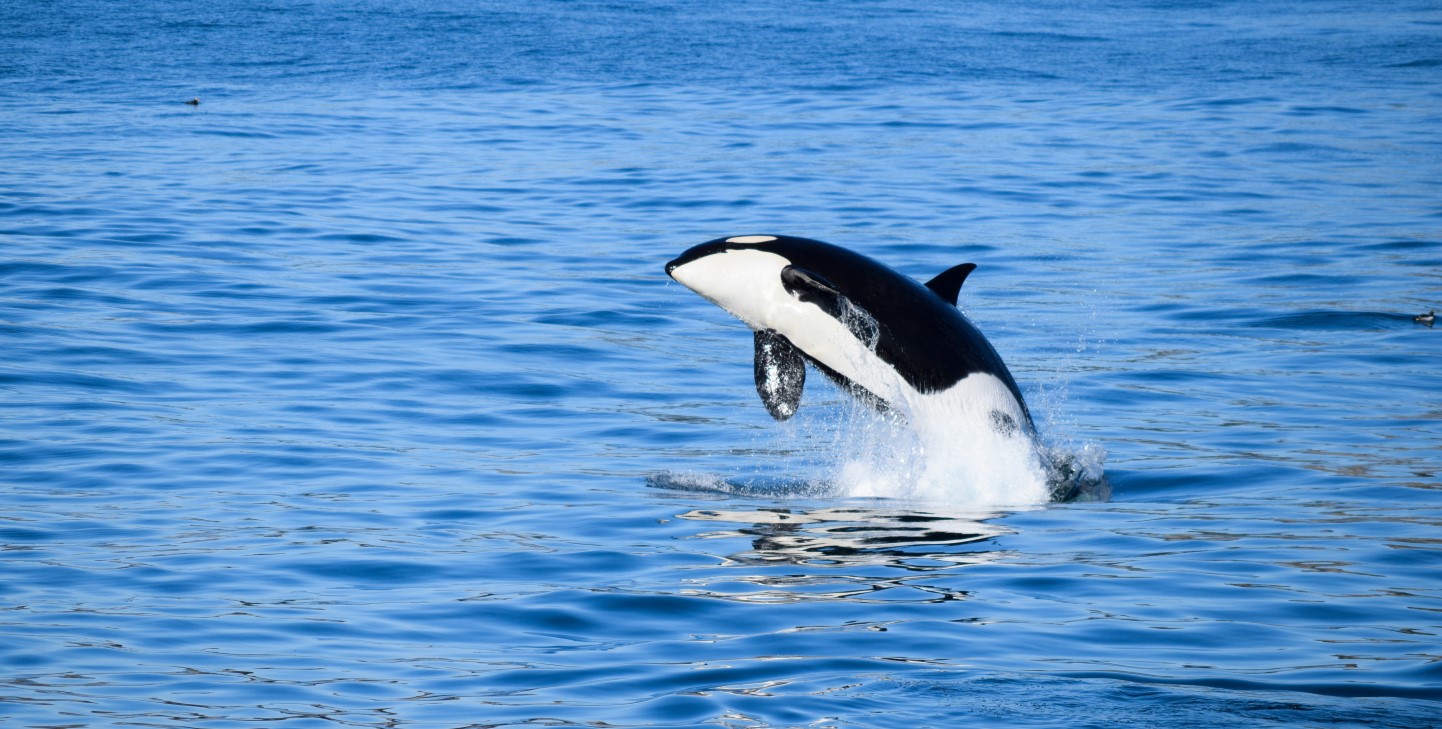
To truly understand the largest dolphin, we must follow it where humans cannot go: the deep ocean. This is made possible through satellite telemetry and the burgeoning field of the Internet of Underwater Things (IoUT).
The Engineering of Miniature Satellite Tags
The hardware used to track orcas must be incredibly resilient. These animals can dive to depths of 1,000 feet, where the pressure is immense, and they move through highly corrosive saltwater at high speeds. Modern satellite tags, such as the GPS-Fastloc systems, are masterpieces of miniaturized engineering.
These devices are designed to stay dormant while the orca is submerged and “wake up” the instant the animal breaks the surface to breathe. In that split second, the tag must acquire a satellite signal, transmit its stored data packets, and receive any configuration updates. This requires highly optimized firmware and advanced power management protocols to ensure the tag’s battery lasts for months of deployment.
Overcoming the Physical Constraints of the Ocean Environment
The ocean is an environment that is largely opaque to radio waves, making traditional digital communication impossible. This has led to the development of acoustic modems and “data mules.” In some setups, autonomous underwater vehicles (AUVs) act as mobile hotspots, traveling between stationary sensors and the surface to collect and relay data.
Furthermore, the data collected by these tags—including depth, water temperature, and 3-axis accelerometry—is processed using “dead reckoning” algorithms. Since GPS does not work underwater, these algorithms calculate the orca’s position by analyzing its swimming speed and orientation, providing a high-resolution 3D map of its underwater journey.
Autonomous Exploration: Robotics in the Domain of the Orca
The future of studying the largest dolphin lies in autonomy. Sending manned research vessels is expensive, carbon-intensive, and can disturb the very animals being studied. Enter the next generation of marine robotics.
AUVs and the Documentation of Social Structures
Autonomous Underwater Vehicles (AUVs) and “Slocum Gliders” are now being used to shadow orca pods for weeks at a time. These robots are equipped with high-definition cameras, multi-beam sonar, and environmental sensors. Because they move silently using buoyancy engines rather than propellers, they can observe the natural behavior of orcas without the “observer effect” caused by loud engines.
The data gathered by these AUVs is used to create 3D reconstructions of orca hunting strategies. For instance, researchers can visualize how a pod uses “carousel feeding” to herd fish, a behavior that was previously difficult to capture in its entirety. This level of detail is only possible through the integration of LiDAR and high-speed underwater imaging tech.
3D Modeling and Photogrammetry via Drone Technology
Above the surface, Unmanned Aerial Vehicles (UAVs), or drones, have become indispensable. By utilizing high-resolution photogrammetry, researchers can measure the physical dimensions of the largest dolphin to within a few centimeters. This tech is used to monitor the “Body Condition Score” of orcas.
Software like Pix4D or Agisoft Metashape processes drone footage to create precise 3D models of individual whales. By analyzing these models over time, data scientists can detect early signs of malnutrition or pregnancy long before they are visible to the naked eye. This proactive approach to health monitoring is a direct result of advancements in aerial imaging and automated volumetric analysis.
The Future of Conservation Tech: Protecting the Apex Predator
As we continue to push the boundaries of what is possible with technology, the quest to understand the largest dolphin becomes a blueprint for global conservation efforts. The intersection of AI, IoT, and robotics is creating a “transparent ocean” where the movements and health of these marine giants can be monitored with unprecedented precision.
The next frontier involves the use of “Digital Twins” of entire oceanic ecosystems. By feeding telemetry data, acoustic records, and satellite imagery into massive environmental models, we can simulate how orca populations will react to various scenarios, such as increased shipping traffic or shifting prey migrations due to climate change. This predictive capability allows policymakers to implement data-driven regulations, ensuring that the largest dolphin continues to thrive in an increasingly digitized world.
In the end, the orca serves as a reminder that the most advanced technology is often best used to understand and preserve the complex, natural systems that have existed long before the first line of code was ever written. Through the lens of tech, the largest dolphin is not just a predator; it is a vital node in a global network of biological and digital information.
aViewFromTheCave is a participant in the Amazon Services LLC Associates Program, an affiliate advertising program designed to provide a means for sites to earn advertising fees by advertising and linking to Amazon.com. Amazon, the Amazon logo, AmazonSupply, and the AmazonSupply logo are trademarks of Amazon.com, Inc. or its affiliates. As an Amazon Associate we earn affiliate commissions from qualifying purchases.